

We may earn a commission when you buy through links on this page, at no extra cost to you. Learn more.
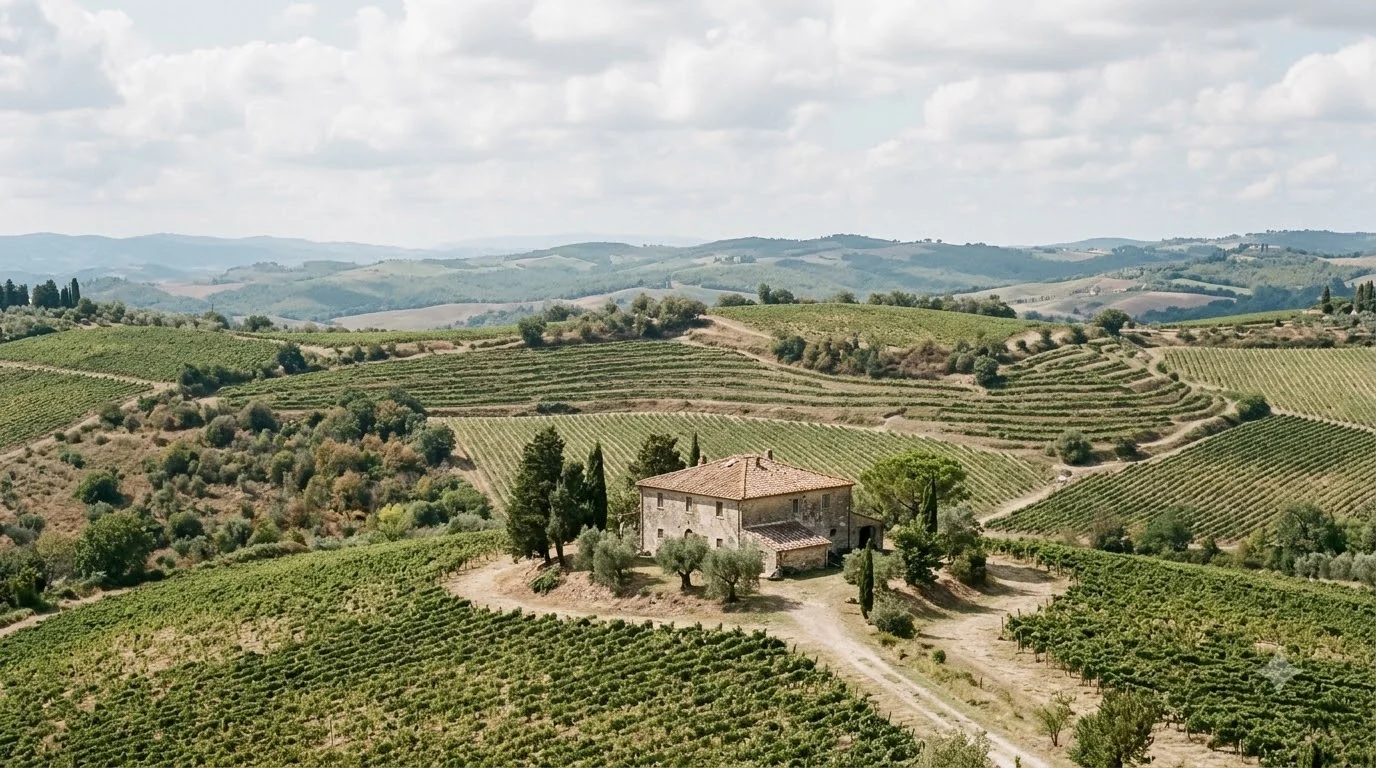
Japan wine country centers on four major producing regions: Yamanashi, Hokkaido, Nagano, and Yamagata, each offering distinctive wines shaped by local climates, indigenous grapes, and winemaking traditions. Yamanashi is best known for its native white Koshu grape, while Nagano produces expressive wines from international varieties. Hokkaido specializes in cool-climate styles, and Yamagata adds another important dimension to Japan’s regional wine identity. Together, these areas offer a fascinating alternative to more familiar European and American wine destinations.
Japanese wine is an increasingly interesting subject for American wine drinkers who enjoy discovering regional specialties. The country’s vineyards combine traditional agricultural practices with modern winemaking, producing everything from delicate citrus-driven whites to aromatic reds and cool-climate Pinot Noir. Understanding the geography, grapes, and regional differences makes it easier to recognize Japanese wines on a restaurant list, select bottles to explore, and plan a visit to the country’s vineyards.
Japan’s Wine Industry and Its Four Major Regions
Japan’s wine industry is spread across several islands, but four prefectures form its best-known regional foundation: Yamanashi, Nagano, Hokkaido, and Yamagata. Their differences in latitude, elevation, rainfall, and seasonal temperatures explain why Japanese wine offers considerably more variety than its relatively small international profile might suggest.
According to the Japan Wineries Association, the country’s principal wine-producing areas are Yamanashi, Hokkaido, Nagano, and Yamagata. Vineyards also exist elsewhere, including coastal districts and warmer southern areas. Japan’s long north-to-south geography creates markedly different growing conditions. Northern Hokkaido experiences substantial winter snowfall, while southern Kyushu can experience summer temperatures above 30 degrees Celsius.
Japan’s modern commercial wine industry began in the 1870s. Two men from Yamanashi, Masanari Takano and Ryuken Tsuchiya, traveled to France in 1877 to study winemaking. After returning, they helped introduce European production methods to their home region. Their efforts established an important foundation for the country’s modern wine industry.
Grape cultivation itself is considerably older. In Yamanashi, grapes were grown for centuries before commercial wine production became established. Historically, table grapes were an important agricultural product, and local growers gradually adapted their vineyards and production methods to the demands of winemaking.
The industry is also characterized by relatively small producers. The Japan Wineries Association reports more than 200 wineries nationwide, approximately 96% of which are small-to-medium-sized businesses. This helps explain the diversity of production styles and the importance of individual growers and local agricultural traditions.
For American readers familiar with established domestic regions such as Yadkin Valley wine country, Japan offers a useful comparison: regional identity is closely connected to climate, grape selection, and the agricultural history of individual communities.
Yamanashi: The Historic Home of Japanese Wine
Yamanashi is the historic center of Japanese wine production, particularly around Katsunuma in Koshu City. Its signature grape is Koshu, a pink-skinned variety used to produce distinctive white wines that frequently feature citrus aromas, gentle acidity, and a refreshing finish.
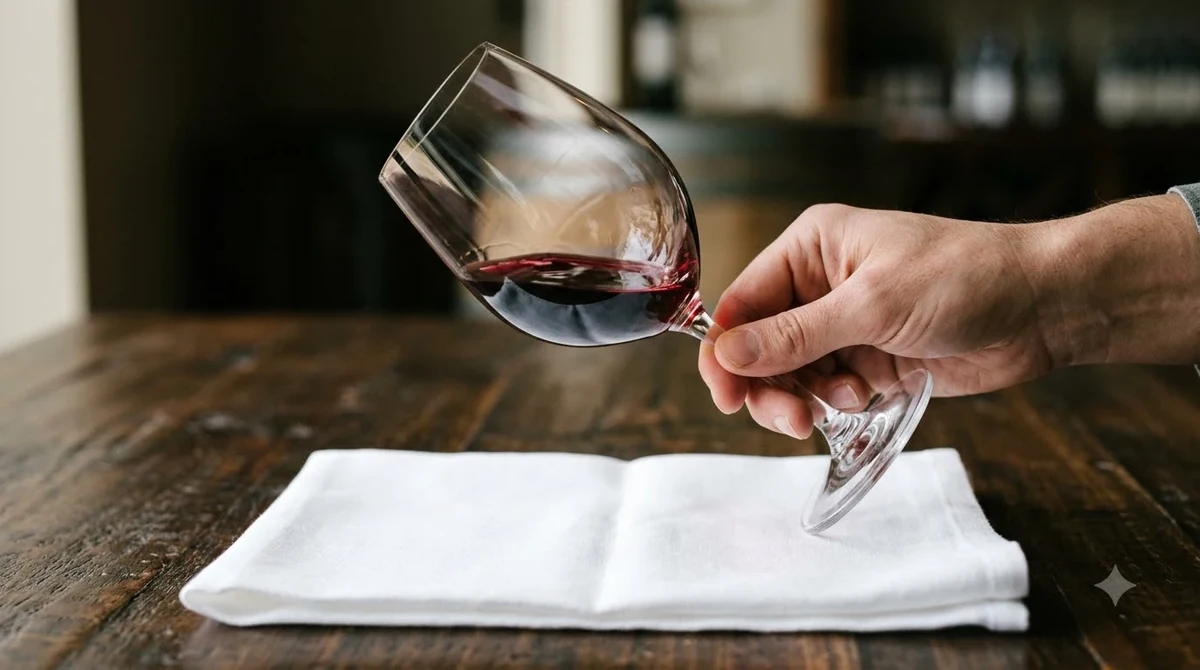
Located west of Tokyo and near Mount Fuji, Yamanashi benefits from a landscape of mountain foothills, basins, and sloping vineyards. Katsunuma is especially important because grape cultivation has taken place there for more than a thousand years. Commercial winemaking began in the nineteenth century, and the area subsequently developed into one of Japan’s most recognizable wine destinations.
According to the Japan National Tourism Organization, Yamanashi has more than 80 wineries. The prefecture is also associated with a substantial portion of Japan’s Koshu production. Decanter reports that approximately 95% of the country’s Koshu vineyard plantings are located in Yamanashi, representing around 480 hectares nationally.
Understanding the Koshu grape
Koshu is the grape that most clearly distinguishes Yamanashi from other Japanese wine regions. Its pinkish skin and relatively thick berry structure make it visually different from the green-skinned grapes commonly associated with white wine production.
The grape’s history is connected to the Silk Road. According to the Japan Wineries Association, Koshu traveled from Central Asia through China before reaching Japan during the Nara period. It became established as a local agricultural variety and was traditionally cultivated as a table grape before its broader adoption in commercial winemaking.
In the glass, dry Koshu generally offers restrained citrus character rather than the pronounced tropical fruit associated with some international white varieties. Grapefruit, lemon, and delicate fruit aromas are common descriptors. Its relatively light acidity and modest alcohol levels can make it particularly appealing to drinkers who prefer subtle, food-friendly whites.
Different styles from one grape
Traditional Koshu is often made as a dry, relatively light-bodied white wine. However, modern producers have expanded the grape’s possibilities through different fermentation and aging techniques.
Decanter identifies crisp traditional whites, sparkling wines, orange wines, and textured sur lie expressions among the styles now produced. Sur lie aging involves leaving wine in contact with spent yeast cells after fermentation, which can contribute additional texture and complexity.
Yamanashi also produces wines from Muscat Bailey A, Chardonnay, Merlot, and Cabernet Sauvignon. This combination of native and international varieties gives visitors opportunities to compare traditional Japanese expressions with more familiar wine styles.
For travelers, Katsunuma is a practical starting point. The Japan National Tourism Organization notes that the area is accessible from Tokyo by limited express train, making it possible to include winery visits in a broader Japanese itinerary. Its Japanese wine and Katsunuma travel overview provides additional information about local wineries, transportation, and regional food.
Nagano: Mountain Vineyards and International Grapes
Nagano is one of Japan’s most important inland wine regions, with vineyards spread across mountain valleys and elevated basins. Its combination of altitude, mountain geography, and varied local climates supports a diverse selection of grapes, including Merlot, Chardonnay, and other international varieties.
The prefecture is located in central Japan and is surrounded by mountain ranges reaching approximately 2,000 to 3,000 meters. The Japanese Alps play an important role in shaping local vineyard conditions, creating distinct environments between different valleys and growing areas.
According to the Nagano Prefecture wine information published by the prefecture, the four principal wine-growing areas are Hokushin in the north, Toshin in the east, Chushin in the center, and Nanshin in the south. Each area has its own combination of elevation, geography, and local climatic conditions.
This geographical diversity is important because Nagano should not be treated as a single uniform wine-producing area. Vineyard conditions can vary substantially between valleys, and producers make different decisions about grape varieties and vineyard management depending on their locations.
International varieties and regional character
Nagano is particularly associated with European grape varieties. Merlot is an important red wine choice, while Chardonnay offers opportunities for producing both fresh and more textured white wines. Cabernet Sauvignon and other varieties also contribute to the region’s expanding selection.
Merlot is especially interesting because it can develop ripe fruit character while retaining a softer tannin structure than Cabernet Sauvignon. That makes it a useful choice for drinkers who enjoy red wines but prefer a less aggressive finish.
Chardonnay provides another point of comparison. Depending on fermentation and aging, Nagano Chardonnay can emphasize fresh orchard fruit or develop additional texture through oak maturation and lees contact.
Older vineyard traditions also remain part of the region’s identity. Varieties such as Concord, Niagara, and Delaware have historical importance in Japanese grape cultivation, even as producers increasingly explore international wine grapes.
The Nagano wine industry has received recognition in domestic and international competitions. Nagano wines have also been served at international conferences, including the G7 Summit.
For wine enthusiasts, Nagano is particularly interesting because it offers a chance to compare several varieties within one mountainous prefecture. Rather than focusing exclusively on a signature native grape, visitors can explore differences between Merlot, Chardonnay, and other locally grown varieties.
Hokkaido and Yamagata: Cool-Climate and Northern Japanese Wine
Hokkaido and Yamagata provide two additional perspectives on Japanese wine, with cooler northern growing conditions and distinct local agricultural traditions. Hokkaido is especially associated with cool-climate grape growing, while Yamagata contributes important regional production and a strong fruit-growing heritage.
Hokkaido is Japan’s northernmost major wine-producing region. Its cooler climate creates opportunities for varieties that benefit from a relatively long growing season and moderate temperatures. Pinot Noir, Chardonnay, and Sauvignon Blanc are among the international varieties associated with Japanese cool-climate production.
The region is not identical to European cool-climate areas, however. Japanese weather patterns bring their own challenges, including winter snowfall, humidity, and seasonal precipitation. Vineyard location and grape selection therefore matter considerably.
Producers must consider winter conditions when choosing vineyard sites and managing vines. They also need to balance grape ripening against the risks associated with wet weather and changing seasonal conditions.
Hokkaido’s distinctive wine identity
Hokkaido offers a different experience from Yamanashi’s historic Koshu heartland. Instead of concentrating on one traditional indigenous variety, its wine industry is associated with experimentation across international grapes and cool-climate styles.
Pinot Noir is especially interesting for enthusiasts who appreciate lighter-bodied reds with fresh acidity and moderate tannins. Chardonnay and Sauvignon Blanc offer additional opportunities for exploring the influence of climate and winemaking choices.
There is also an important distinction between the island’s individual growing areas. Coastal and inland vineyard sites can experience different weather patterns, and producers must select varieties suited to their specific locations rather than treating all of Hokkaido as one homogeneous terroir.
Yamagata’s contribution
Yamagata, located in northeastern Honshu, is another established Japanese wine-producing prefecture. Its agricultural identity includes extensive fruit cultivation, and its vineyards form part of the broader Tohoku wine landscape.
Its position among Japan’s principal wine regions reflects the importance of regional agricultural knowledge and the adaptation of grape growing to local environmental conditions.
For visitors, Yamagata offers an opportunity to explore wine alongside other regional food specialties. Rather than limiting a visit to a single winery, travelers can combine local wine experiences with seasonal fruit, regional cuisine, and the area’s broader agricultural heritage.
These northern regions are particularly useful for understanding why Japanese wine cannot be reduced to Koshu alone. The country’s geography creates opportunities for numerous grape varieties, and local producers continue to explore different expressions of their respective growing areas.
Japanese Grapes and the Wines They Produce
Japanese wine is defined by a combination of indigenous varieties, established international grapes, and American-origin varieties. Koshu and Muscat Bailey A are the two names that provide the clearest starting point, but Chardonnay, Merlot, Pinot Noir, and several other grapes are important to the country’s wider wine identity.
The Japan Wineries Association identifies Koshu as the country’s major indigenous white variety. Muscat Bailey A is an indigenous crossbreed associated with fruity red wines. These grapes offer a useful introduction to Japanese wine because their characteristics are closely connected to the country’s agricultural history.
The principal varieties
| Grape | Color | Typical wine characteristics | Regional association |
|---|---|---|---|
| Koshu | White | Citrus, grapefruit, lemon, delicate body | Yamanashi |
| Muscat Bailey A | Red | Cherry, berries, soft fruit character | Yamanashi |
| Merlot | Red | Plum, ripe fruit, softer tannins | Nagano, Yamanashi |
| Chardonnay | White | Apple, pear, citrus, possible oak influence | Nagano, Hokkaido |
| Pinot Noir | Red | Red berries, fresh acidity, moderate tannins | Hokkaido |
| Cabernet Sauvignon | Red | Dark fruit, structure, firmer tannins | Yamanashi, Nagano |
| Sauvignon Blanc | White | Citrus, herbal notes, refreshing acidity | Hokkaido and other regions |
| Niagara | White | Pronounced grape and floral aromas | Several Japanese regions |
These descriptions are general stylistic expectations rather than fixed rules. The final character of any bottle depends on the vineyard, ripeness, fermentation, aging, and the producer’s decisions.
Koshu versus Muscat Bailey A
Koshu and Muscat Bailey A demonstrate two different sides of Japanese wine. Koshu is usually made as a white wine with delicate citrus aromas and a relatively restrained profile. Muscat Bailey A is a red variety known for cherry and berry aromas, with styles ranging from sweet and fruit-forward to dry and relatively light-bodied.
The contrast is useful for anyone beginning to explore Japanese wine. A dry Koshu is a natural starting point for white wine drinkers who enjoy understated flavors, while a dry Muscat Bailey A can appeal to those who prefer aromatic reds without heavy tannins.
Japanese winemakers also work with traditional American grape varieties such as Niagara, Concord, and Delaware. These grapes have a long agricultural history in Japan and demonstrate that the country’s wine identity developed through a combination of different international influences.
For a broader understanding of how climate and geography shape grape varieties, the site’s Wine Regions resource provides useful context for comparing Japanese production with established areas elsewhere.
The Japan Wineries Association’s overview of Japanese wine provides further information about the country’s grape varieties, regional production differences, and indigenous wine grapes.
Japanese Wine and Food Pairing
Japanese wine is particularly interesting at the dinner table because many of its styles complement the delicate flavors and varied textures of Japanese cuisine. Koshu is a natural match for seafood and lighter dishes, while Muscat Bailey A and Merlot can work with grilled meats, mushrooms, and richer preparations.
One reason these pairings work is that Japanese cuisine often emphasizes balance rather than relying on heavy sauces or intense seasoning. A restrained wine can complement the ingredients without overwhelming their natural flavors.
Pairing Koshu with seafood
Dry Koshu is an excellent starting point for sushi, sashimi, and delicate white fish. Its citrus character can complement fresh seafood, while its relatively light body allows the texture and flavor of the fish to remain central.
It can also accompany tempura. The wine’s refreshing character provides a useful contrast to the fried coating, especially when the dish is served with a light dipping sauce.
Other good choices include grilled sea bream, steamed shellfish, and lightly seasoned seafood salads. For preparations involving lemon or other acidic ingredients, choose a wine with enough acidity to keep the pairing balanced.
Pairing Muscat Bailey A with richer dishes
Dry Muscat Bailey A can work with grilled chicken, duck, pork, and mushroom-based dishes. Its cherry and berry character offers a pleasant contrast to savory flavors, while its relatively soft tannins make it approachable with food.
Merlot is another practical choice for beef dishes, particularly preparations involving soy-based marinades or grilled vegetables. Its medium tannin level and softer structure can complement the richness of meat without becoming overly drying.
For richer grilled beef, Cabernet Sauvignon provides more structure, although its firmer tannins are best suited to dishes with enough protein and fat to soften their effect.
Pairing sparkling Japanese wine
Sparkling wines offer another useful option, especially with fried appetizers, tempura, seafood, and lightly salted snacks. Their acidity and carbonation help refresh the palate between bites.
For spicy dishes, avoid choosing a highly alcoholic, strongly tannic wine. Chili heat can become more pronounced alongside alcohol and tannin. A lighter-bodied, lower-alcohol wine with some fruit character is often a more comfortable choice.
Tip: Serve dry Koshu at approximately 45–50 F for a refreshing expression of its citrus character. If pairing Muscat Bailey A with grilled meat, serve a lighter style at 55–60 F rather than refrigerator-cold. Japanese wines generally reward thoughtful serving temperatures because excessive chilling can hide their more delicate aromas.
These combinations are not limited to traditional Japanese meals. Koshu can also accompany American seafood dishes, grilled vegetables, and lighter salads. Muscat Bailey A can work with roasted poultry and mild cheeses. Readers exploring other American food-and-wine traditions can also compare these pairings with the regional food culture found in Hill Country vineyards.
Planning a Japanese Wine Country Visit
Yamanashi is the most practical starting point for a first wine-focused trip to Japan because of its historic wineries, concentration of Koshu production, and access from Tokyo. Nagano is another strong choice for visitors interested in mountain vineyards and international grape varieties, while Hokkaido and Yamagata offer different regional experiences.
A visit to Katsunuma provides a particularly useful introduction. The area’s concentration of wineries makes it possible to explore different interpretations of Koshu without traveling between distant prefectures.
Choosing the right region
For a first visit, Yamanashi is the natural choice if the main interest is Japanese wine history and indigenous grapes. Katsunuma provides access to the country’s traditional wine culture and opportunities to compare different Koshu producers.
Nagano is more suitable for visitors who want to investigate international grape varieties and mountain-growing conditions. Its four principal wine areas offer geographical diversity, making it an interesting destination for a longer wine itinerary.
Hokkaido is a good choice for enthusiasts interested in cool-climate wines, particularly Pinot Noir and Chardonnay. Its northern position also makes it an appealing addition to a broader trip focused on regional food and outdoor activities.
Yamagata is worth considering for travelers who want to explore the northeastern wine landscape and combine winery visits with local agricultural experiences.
Best time to visit
Spring and autumn are attractive seasons for vineyard visits. Spring brings fresh growth and blossoming fruit trees, while autumn provides the opportunity to see vineyards during the harvest period and experience the seasonal changes in the surrounding mountains.
Summer can be hot and humid in some Japanese wine regions, particularly Yamanashi. Visitors should plan winery appointments in advance and allow time for travel between locations. Winter offers a different experience, particularly in Hokkaido, where snowfall can affect transportation and vineyard access.
Practical winery visit advice
Japanese wineries vary considerably in their visitor facilities. Some offer scheduled tastings and guided tours, while others operate smaller tasting rooms or require advance reservations. English-language services also differ between producers.
It is sensible to confirm opening hours, tasting availability, transportation, and reservation requirements before leaving a major city. Public transportation can be useful around established wine destinations, but a rental vehicle may be more convenient when visiting several vineyards outside town centers.
Wine tasting should also be approached as an opportunity to compare regional styles rather than simply collect winery visits. A useful tasting sequence might include a dry Koshu, a sur lie Koshu, a Muscat Bailey A, and a Nagano Merlot. This creates a clear comparison of Japanese grape varieties and winemaking approaches.
For those planning a wider American wine-country comparison, regions such as Pennsylvania wine country also demonstrate how local climate, agricultural traditions, and grape selection influence regional identity.
Frequently Asked Questions
Is Japanese wine legally required to use Japanese-grown grapes?
The term Japanese Wine, or Nihon Wine, has a specific labeling meaning under Japan’s wine labeling rules. It identifies wine made from grapes harvested domestically in Japan. This distinction helps consumers differentiate domestically produced wine from wine made in Japan using imported grape juice or imported wine materials.
What does GI Yamanashi mean on a Japanese wine label?
GI stands for Geographical Indication, a designation connecting a product to a defined geographical area and its production requirements. Yamanashi received Japan’s first geographical indication designation for wine in 2013. The designation helps establish the relationship between the region’s wines and its local production identity.
Can Japanese Koshu wine age in the bottle?
Some Koshu wines are designed for relatively early drinking, while more structured examples can develop additional complexity with bottle aging. Sur lie aging and other production techniques can create wines with greater texture and development potential. Aging suitability varies considerably by producer, vintage, and winemaking style.
Does Japan produce orange wine?
Yes. Some Japanese producers make orange wine by fermenting white grapes with extended skin contact. This technique extracts additional color, tannin, and flavor from the skins. Koshu is among the varieties used for these alternative expressions, offering an interesting contrast to the grape’s traditional pale white wines.
What was the first Japanese wine to receive Decanter Best in Show?
Suntory’s Tomi Koshu 2022 became the first Japanese wine to receive the Best in Show distinction at the Decanter World Wine Awards in 2024. The recognition was an important milestone for the international visibility of Japanese wine and highlighted the potential of Koshu as a serious fine-wine variety.
Japan’s wine regions offer much more than an unusual alternative to familiar European and American bottles. From Yamanashi’s historic Koshu vineyards to Nagano’s mountain-grown international varieties and Hokkaido’s cool-climate wines, each area contributes a distinct identity to the country’s wine culture. For anyone interested in discovering new grapes, regional food pairings, and distinctive vineyard traditions, Japanese wine country deserves a place on the international wine map.
More in Wine Regions
 Willcox Wine Trail: Discover Arizona’s High-Elevation Wine CountryUpdated Nov 20, 2026
 Yakima Valley Wine Region: Find the Best Styles to TryUpdated Nov 20, 2026
 Vosne Romanee Wine Tasting: Identify Aromas and Choose Better PairingsUpdated Nov 20, 2026
 Yakima Valley Wine Festival: Find the Best Seasonal Wine EventsUpdated Nov 20, 2026
 Wales Vineyards: Discover Cool-Climate Wines and Where to VisitUpdated Nov 20, 2026
 Yountville Wine Festival: Discover Napa Wines and Local FoodUpdated Nov 20, 2026