


We may earn a commission when you buy through links on this page, at no extra cost to you. Learn more.
Whether is white zinfandel keto friendly depends on your daily carbohydrate limit, though most standard bottles are not a great fit because they contain roughly 4 to 6 grams of net carbs per 5-ounce pour. Because winemakers intentionally halt fermentation early to keep the wine sweet and low in alcohol, white zinfandel retains far more residual sugar than dry table wines. While a single measured glass can fit into a strict 20-to-30-gram daily net carb budget if you plan your meals around it, dry rosés and crisp dry whites offer much safer margins.
Shopping the wine aisle while following a ketogenic lifestyle often comes down to understanding how grape sugars turn into alcohol during fermentation. Unlike dry wines that ferment until nearly all natural grape sugar is gone, blush and semi-sweet styles preserve sweetness right in the bottle, which directly impacts your daily carb count.
What White Zinfandel Actually Is and Why It Contains Sugar
White zinfandel is a semi-sweet pink rosé made from black-skinned Zinfandel grapes rather than a true white wine, and its signature sweetness comes from unfermented grape sugar left behind during production. That leftover sugar is the primary reason a single glass carries more carbohydrates than most dry table wines.
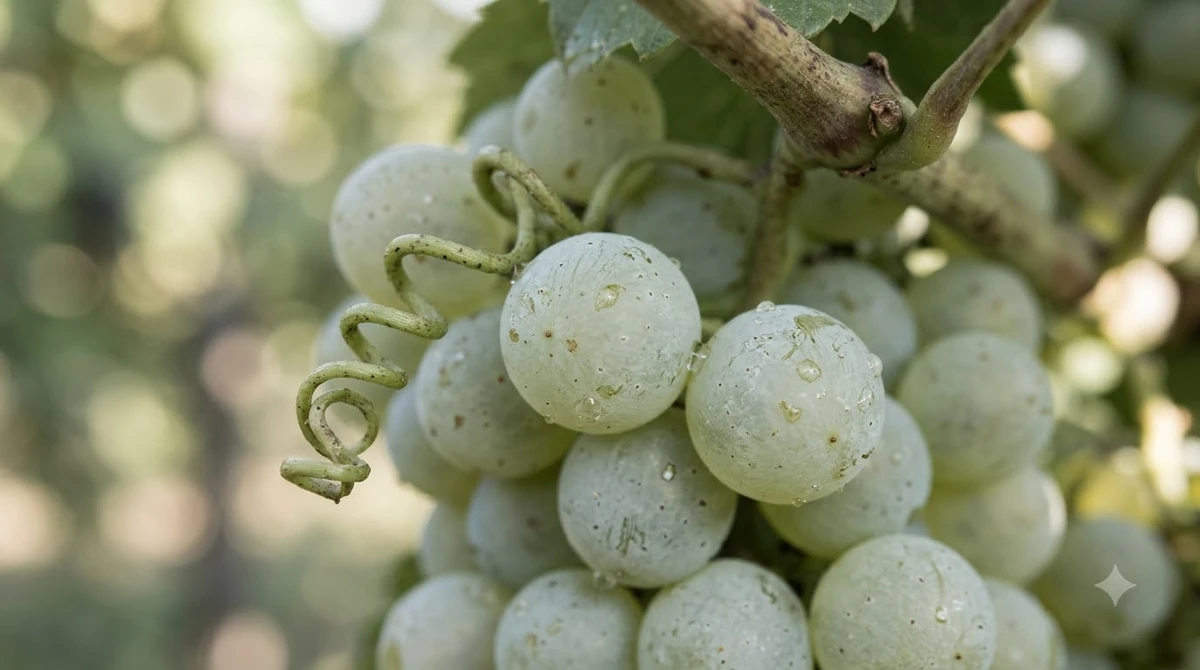
According to Wine Enthusiast, the style began by accident at California’s Sutter Home Winery in the 1970s when a batch of pink juice bled from red Zinfandel fermentation experienced a stuck fermentation and failed to finish dry. Instead of discarding the batch, the winery bottled the lightly sweet, pale pink result, sparking a massive domestic trend that still defines commercial bottles today.
To recreate that classic profile intentionally, producers harvest Zinfandel grapes early in the season while natural acidity remains brisk, press the juice off the dark skins quickly to keep the color pale salmon or pink, and chill the tank mid-fermentation. Stopping the yeast early leaves behind what winemakers call residual sugar, which gives white zinfandel its soft, crowd-pleasing sweetness and keeps its alcohol by volume (ABV) low, typically landing between 8 percent and 10 percent.
Carbs, Sugar, and Calories in a Standard Pour
A standard 5-ounce glass of white zinfandel typically delivers 4 to 6 grams of carbohydrates and around 110 to 130 calories, depending on the producer’s sweetness target. Those numbers make it noticeably higher in carbs than dry wines, which usually sit between 0 and 2 grams per serving.
As explained in Wine Folly’s guide to keto wines, you can estimate the carbohydrates in any wine by multiplying its residual sugar in grams per liter by 0.15 for a 150-milliliter (roughly 5-ounce) pour. Commercial white zinfandels frequently hold between 20 and 40 grams per liter of residual sugar—or roughly 2 to 4 percent sweetness—translating directly into 3 to 6 grams of net carbs in a single glass.
Because wine contains zero dietary fiber, total carbohydrates and net carbohydrates are identical in every pour. Furthermore, restaurant pours often stretch to 6 or even 8 ounces rather than a measured 5-ounce serving, which can quietly push a single glass of white zinfandel to 7 or 10 grams of net carbs before you finish your appetizer.
| Wine Style (5 oz Pour) | Typical ABV | Residual Sugar Style | Estimated Net Carbs | Keto Compatibility |
|---|---|---|---|---|
| White Zinfandel | 8% – 10% | Semi-sweet (off-dry to sweet) | 4g – 6g | Borderline (requires strict portioning) |
| Dry Rosé (Provence / California) | 12% – 13.5% | Dry | 1g – 2g | High |
| Pinot Grigio (Dry) | 12% – 13% | Dry | 1g – 2g | High |
| Brut Cava / Sparkling Wine | 11.5% – 12.5% | Dry (Brut) | 1g – 2g | High |
| Red Zinfandel | 14% – 16% | Dry (fruit-forward) | 3g – 4g | Moderate |
How Alcohol and Sugar Affect Ketosis
Even when a glass of white zinfandel fits inside your daily carb ceiling, both its residual sugar and its ethanol content temporarily pause fat burning while your body processes the drink. Understanding that metabolic priority helps you decide whether spending carbs on a sweet rosé makes sense for your goals.
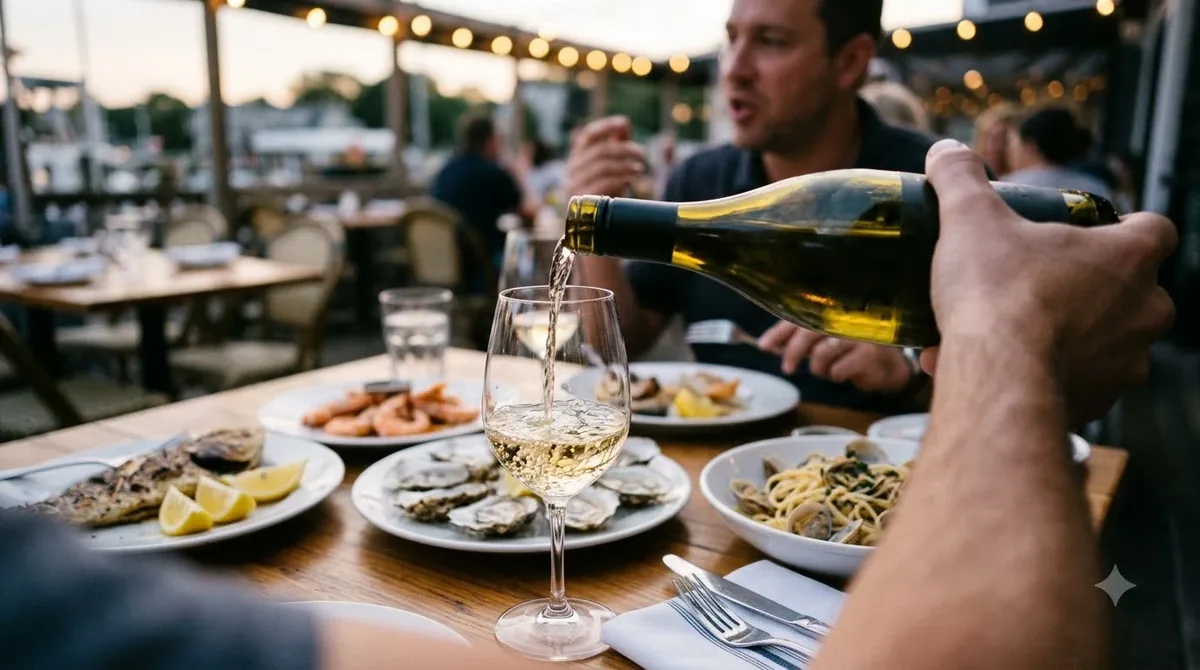
When you drink wine, your liver treats ethanol as an immediate toxin to clear before burning stored body fat or dietary lipids. That metabolic pause happens with any alcoholic beverage, whether you pour zero-carb spirits or a sweet blush wine, meaning weight loss temporarily slows until the alcohol clears your system.
Adding 5 or 6 grams of simple fruit sugars—glucose and fructose—on top of alcohol compounds the effect by triggering an insulin response that can nudge sensitive individuals out of ketosis. If your daily limit is 20 grams of net carbs, one standard glass of white zinfandel consumes a quarter to a third of your entire allowance without providing protein, fat, or satiety.
Tip: Measure a true 5-ounce pour into your glass using a kitchen scale or measuring cup before sitting down, since standard large wine bowls easily hide an 8-ounce pour that doubles your sugar intake.
How to Spot Lower-Carb Bottles on the Shelf
Because federal regulations in the United States do not require wineries to print nutrition panels or residual sugar numbers on standard labels, you have to rely on clues like ABV, tasting notes, and producer tech sheets to gauge sweetness. A quick check of the front and back labels reveals how much sugar is likely hiding in the bottle.
Start by checking the alcohol percentage printed on the front label. Because yeast converts grape sugar into alcohol, a white zinfandel bottled at 8.5 percent or 9.5 percent ABV stopped fermenting much earlier—and therefore holds more leftover sugar—than a dry Zinfandel rosé fermented to 12.5 percent or 13 percent ABV.
Look closely at the wording on the label as well. Producers crafting a drier, modern pink wine from Zinfandel grapes almost always label it “Dry Zinfandel Rosé” or “Rosé of Zinfandel” rather than “White Zinfandel,” signaling to buyers that the wine fermented to dryness with minimal residual sugar. When shopping online or at a local merchant, searching the winery’s website for a downloadable tech sheet will often list the exact residual sugar in grams per liter.
Better Low-Carb Wine Swaps for White Zinfandel Fans
If you love white zinfandel for its bright strawberry, watermelon, and citrus aromas rather than syrupy sweetness, several dry wines deliver those exact fruit notes for a fraction of the carbs. Swapping to a fully fermented style lets you enjoy a crisp, refreshing glass without sacrificing your daily macro budget.
Dry rosés from Provence, Spain, or California’s Central Coast offer vibrant notes of wild strawberry, white peach, and pink grapefruit while keeping net carbs around 1 to 2 grams per glass. If you want sparkling refreshment, learning is cava keto friendly shows why Spanish Brut sparkling wines deliver lively orchard fruit and crisp acidity at roughly 1.5 grams of carbs per flute.
For still white options, checking is pinot grigio keto friendly or exploring is chardonnay keto friendly highlights how dry Italian Pinot Grigio and unoaked California Chardonnay provide clean, fruit-forward profiles with minimal residual sugar. You can also browse our complete overview of Wine by Type to compare sweetness levels and classic flavor profiles across major grape varieties before your next shop.
Serving and Pairing White Zinfandel on a Keto Meal Plan
When you decide to budget a glass of white zinfandel into a low-carb evening, serving it properly and pairing it with high-fat, zero-carb foods slows sugar absorption and keeps your meal balanced. Chilling the bottle thoroughly also sharpens its natural acidity so the sweetness tastes cleaner and more refreshing.
Serve white zinfandel cold, ideally between 45°F and 50°F, in a standard tulip-shaped white wine glass. Cold temperatures mute the perception of sugar on the palate while highlighting crisp berry and melon aromatics, helping a single 5-ounce pour feel satisfying without tempting you to reach for a second glass.
Pair your pour with rich, savory dishes that contain virtually zero carbohydrates, such as grilled salmon with herb butter, prosciutto-wrapped asparagus, triple-cream Brie, or spicy blackened shrimp. The wine’s touch of residual sugar naturally tames chili heat and contrasts salty cured meats, letting you build a flavorful low-carb plate that keeps your overall meal macros in check.
Frequently Asked Questions
How many net carbs are in a glass of white zinfandel?
A standard 5-ounce glass of white zinfandel typically contains between 4 and 6 grams of net carbs. Because wine has no dietary fiber, all of the carbohydrates come directly from unfermented residual grape sugars left in the bottle.
Why does white zinfandel have more carbs than red Zinfandel?
Red Zinfandel is usually fermented completely dry, converting nearly all natural grape sugar into alcohol and leaving around 3 to 4 grams of carbs per pour. White zinfandel undergoes an interrupted fermentation to keep its light pink color, low alcohol, and sweet taste, resulting in noticeably higher residual sugar.
Can I drink a wine spritzer made with white zinfandel on keto?
Mixing 2.5 ounces of white zinfandel with 2.5 ounces of unflavored sparkling water or club soda over ice is an easy way to cut the net carbs in half to roughly 2 to 3 grams per drink. You still get the fresh berry aroma and light sweetness while staying comfortably within a strict daily carb target.
Is white zinfandel keto friendly if it says dry on the bottle?
If a bottle is specifically labeled “Dry Zinfandel Rosé” or “Rosé of Zinfandel” and lists an ABV of 12 percent or higher, it has fermented nearly all of its sugar and typically contains only 1 to 2 grams of carbs per 5-ounce glass. Classic bottles labeled simply “White Zinfandel” are almost always made in a sweeter, lower-ABV style.
Ultimately, fitting white zinfandel into a ketogenic lifestyle comes down to portion control and honest carb tracking. By sticking to a measured 5-ounce pour—or stretching your glass with sparkling water—you can enjoy its bright strawberry character on occasion without derailing your low-carb routine.
More in Wine Types & Grapes
 What Does Ruby Port Taste Like? Flavor Notes, Styles, and Serving TipsUpdated Nov 21, 2026
 What Does Ribolla Gialla Taste Like? Crisp White and Amber Styles ExplainedUpdated Nov 21, 2026
 What Does Semillon Taste Like? Flavor Profile, Styles & PairingsUpdated Nov 21, 2026
 What Does Scuppernong Taste Like? Flavor, Styles, and Pairing GuideUpdated Nov 21, 2026
 What Does Saperavi Taste Like? Flavors, Styles, and Pairing GuideUpdated Nov 21, 2026
 What Does Natural Wine Taste Like? Flavors, Styles, and Serving TipsUpdated Nov 21, 2026