

We may earn a commission when you buy through links on this page, at no extra cost to you. Learn more.
Is tawny port vegan? Not automatically—while the grapes and fortifying brandy are plant-based, many producers clarify tawny port using animal-derived fining agents such as gelatin, egg whites, casein, or isinglass. Because wine labels in the United States and the European Union rarely list fining agents, some tawny ports are vegan-friendly while others are not. To find a guaranteed vegan bottle, look for certified vegan symbols on the back label, check producer-verified databases, or choose unfined and unfiltered expressions.
Understanding why a fortified wine made entirely from Douro Valley grapes and neutral grape spirit might fall outside a plant-based diet comes down to what happens in the cellar before bottling. Knowing how fining works, which ingredients to watch for, and how different tawny styles are clarified makes it much easier to pick a bottle with confidence.
Why Some Tawny Ports Are Not Vegan
The base ingredients of tawny port are completely vegan: red Douro grape varieties fermented briefly and fortified with neutral grape spirit (aguardente) to halt fermentation. The complication arises during clarification, when winemakers remove microscopic suspended solids before bottling.
Freshly fermented wine contains tiny particles of proteins, tannins, yeast cells, and tartrates that can make the liquid look hazy or taste overly astringent. Over the years that tawny port spends resting in small seasoned oak casks—called pipes, which typically hold around 550 to 640 liters—much of this sediment settles naturally to the bottom of the barrel through gravity and repeated racking.
Even after long oak aging, however, many port houses perform a final stabilization step known as fining before the wine enters the bottle. Fining agents act like molecular magnets, binding to negatively or positively charged particles so they clump together and drop out of suspension. While the fining agent itself is filtered or racked away before bottling, traditional winemaking relies heavily on animal proteins for this job, meaning animal byproducts were used directly in the production process.
In addition to clarification, minor packaging choices can occasionally matter to strict vegans. As Decanter notes in its guide to vegan wine, certain bottle seals use beeswax, and some agglomerated corks rely on milk-based glues to bind cork granules together—though aged tawny ports almost always use natural one-piece driven corks or T-stoppers rather than agglomerated closures.
Common Fining Agents Used in Port Production
Winemakers choose fining agents based on whether they want to soften harsh tannins, brighten color clarity, or stabilize proteins, and those choices fall into two distinct groups: animal-derived proteins and vegan-friendly mineral or plant alternatives.
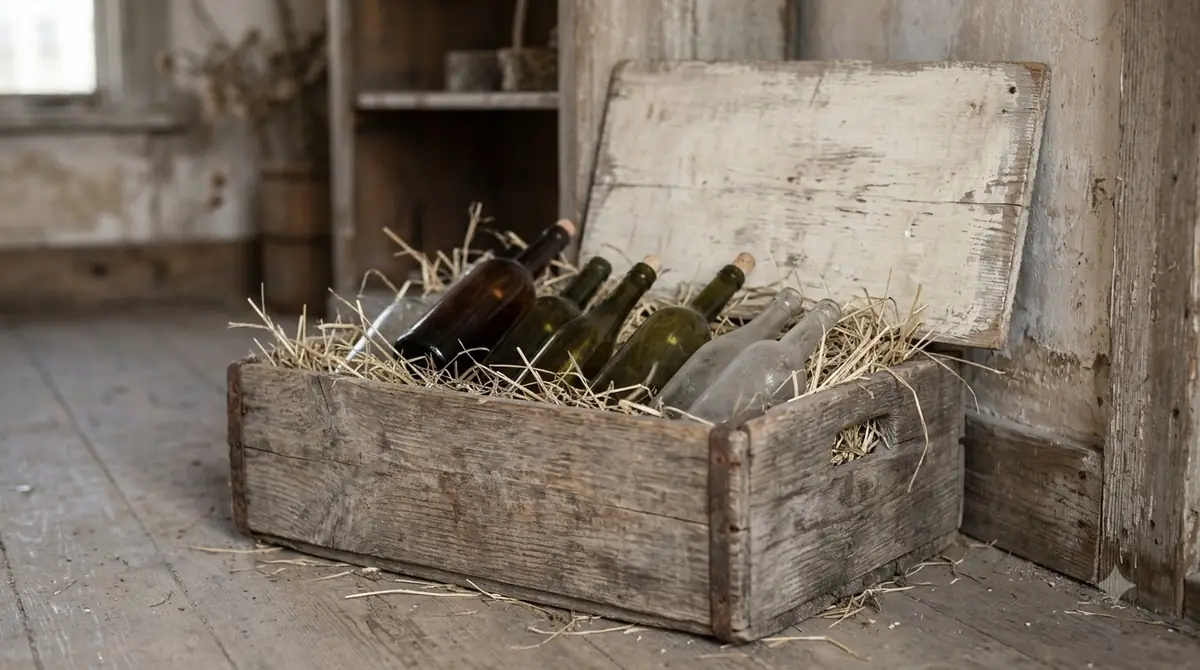
Traditional port houses have historically favored animal proteins because they work gently and predictably on rich, structured red wines. Gelatin, derived from animal collagen, binds readily to excess tannins and heavy phenolic compounds. Egg whites (albumen) are also widely used across red winemaking to polish mouthfeel, while casein (a milk protein) helps strip away bitter, oxidized, or browned compounds—making it particularly tempting for amber-hued aged wines.
Isinglass, a collagen-rich substance obtained from the swim bladders of fish, is another classic clarifier used to brighten wine without stripping aroma. On the plant-based side, modern producers increasingly rely on bentonite clay, activated charcoal, silica gel, and pea or potato protein isolates. Bentonite, a volcanic clay mineral, attracts positively charged proteins and settles cleanly at the bottom of the tank without introducing any animal products.
| Fining Agent | Source Material | Primary Purpose in Port | Vegan Status |
|---|---|---|---|
| Gelatin | Animal collagen (pork or beef) | Softens astringent tannins and clears haze | Not vegan |
| Albumen (Egg Whites) | Chicken eggs | Polishes rough phenolic texture | Not vegan (vegetarian) |
| Casein | Cow’s milk protein | Removes oxidized or bitter compounds | Not vegan (vegetarian) |
| Isinglass | Fish swim bladders | Enhances visual brilliance and clarity | Not vegan |
| Bentonite Clay | Natural volcanic mineral clay | Binds unstable proteins and clarifies | Vegan |
| Pea / Potato Protein | Plant legumes and tubers | Gentle tannin and haze reduction | Vegan |
| Unfined / Natural Settling | Time, gravity, and racking | Slow clarification in oak pipes | Vegan |
As VinePair explains in its breakdown of vegan and vegetarian wine, trace residues of fining agents are virtually absent from the finished wine, which is why regulators classify them as processing aids rather than ingredients. For vegans, however, the standard is whether animal-derived materials were used at any point in crafting the beverage.
How Tawny Port Aging Affects Fining Needs
Unlike ruby or vintage port, tawny port matures in small oak barrels where gradual oxygen exposure naturally precipitates sediment, though producers still handle clarification differently across age tiers.
According to the Instituto dos Vinhos do Douro e Porto (IVDP), tawny ports are crafted from wines aged for varying periods in wooden casks until their deep ruby hue shifts toward amber, brick, and gold, accompanied by aromas of dried fruit, toasted nuts, and wood spice. The category spans entry-level Tawny, Tawny Reserve (aged roughly seven years in wood), Tawny with an Indication of Age (10, 20, 30, 40, and 50 years old), and single-harvest Colheita.
Basic non-vintage tawny ports spend the shortest time in oak—often just two to three years—meaning they still retain youthful suspended matter and tannins when blended for bottling. Because these entry-level bottlings are produced in larger commercial volumes and must remain shelf-stable, winemakers frequently use gelatin or other fast-acting fining agents to ensure crystal clarity.
Extended-age tawnies, such as 20-year-old, 30-year-old, and 40-year-old blends, undergo decades of slow evaporation, racking, and natural clarification in small oak pipes. By the time a master blender assembles a 30-year-old tawny, gravity and oxygen have already stripped out most unstable proteins and harsh tannins, so many houses skip animal fining altogether or rely solely on light filtration—resulting in several major houses listing their older aged tawnies as vegan while their entry-level reserve ports remain non-vegan.
How to Check If a Specific Bottle Is Vegan
Because US federal wine regulations do not require wineries to disclose fining agents on front or back labels, identifying a vegan tawny port takes a quick check of third-party symbols, producer notes, or online registries.
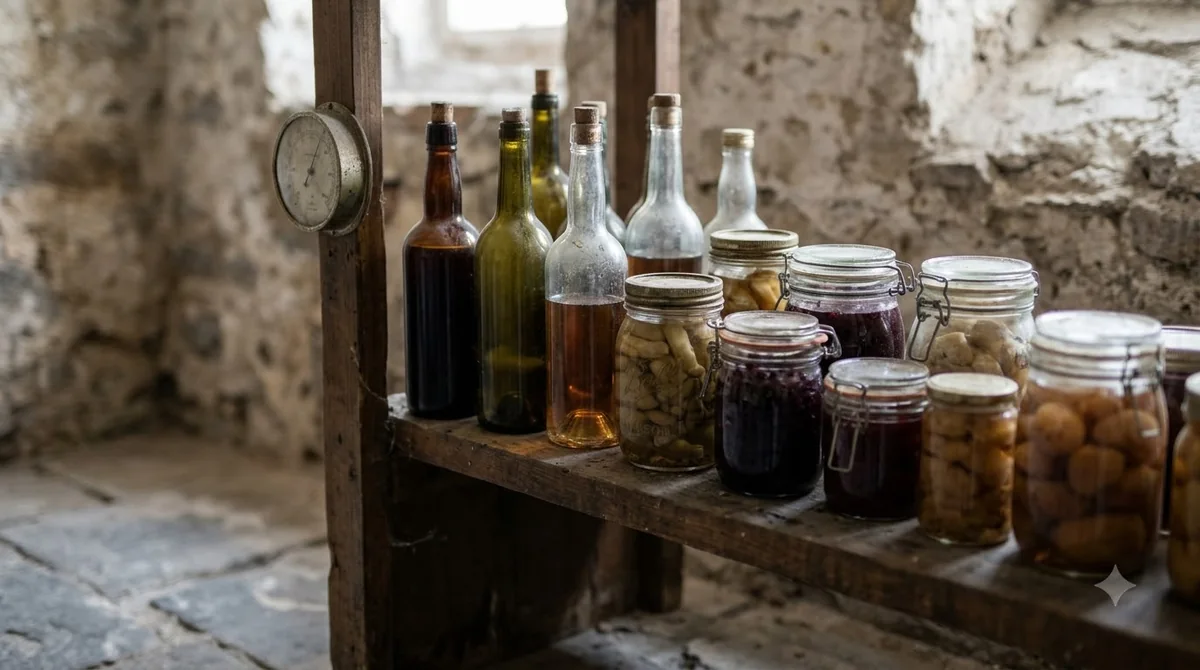
Start by inspecting the back label for recognized vegan certification logos, such as the Vegan Society trademark, V-Label, or a producer’s own “Vegan Friendly” statement. European Union labeling rules require wineries to declare potential allergens—including egg and milk derivatives like albumen and casein—when present above trace thresholds, though gelatin and isinglass do not fall under allergen disclosure rules and still go unlisted.
When the label offers no clues, crowd-sourced and producer-verified directories like Barnivore provide fast answers by publishing direct email confirmations from port houses. Searching by both the specific producer and the exact bottling is essential: a single port house may use animal fining on its basic Tawny or Ruby Reserve while leaving its 30-year-old Tawny or Vintage Port completely vegan-friendly.
Tip: Never assume that all bottles from the same port house share the same vegan status—always verify the exact age designation or bottling name, since entry-level tawnies are fined differently from 20-, 30-, or 40-year-old expressions.
If a bottle does not appear in a database, contacting the producer or US importer directly through their website usually yields a clear answer within a few days. Most historic Douro houses maintain detailed technical sheets for every release and can tell you immediately whether bentonite, mechanical filtration, or an animal protein was used during stabilization.
Notable Port Styles and Vegan Alternatives
Exploring how tawny port compares to other fortified styles helps you choose a reliable vegan bottle whether you plan to sip it neat after dinner or mix it into a drink.
Within the broader landscape of Wine by Type, fortified wines stand apart because grape spirit is added during fermentation, lifting the final strength—if you are curious about exact alcohol levels, our guide to tawny port alcohol content explains how fortification shapes body and warmth. Across the Port category itself, Crusted Port and traditional Vintage Port are bottled without fining or filtration so they can age in glass, which makes unfined Vintage Port one of the most consistently vegan-friendly styles on the shelf, even though it requires decanting off heavy sediment.
If you want the nutty, caramel-driven profile of a vegan tawny port without hunting down specialty certifications, look for houses that explicitly state mineral-only fining (such as bentonite) or unfined bottling on their technical sheets. Several organic and biodynamic Douro estates also avoid animal fining agents across their entire tawny lineup, favoring extended barrel rest and sterile pad filtration instead.
Keep in mind that because port retains natural grape sugars alongside higher alcohol, serving size matters both at the table and in the glass; you can check standard pour figures in our breakdown of calories in tawny port. For bartenders and home hosts mixing a tawny port cocktail, confirming a vegan base bottle is especially important when shaking or stirring drinks for plant-based guests, since standard citrus and bitters are already vegan.
Frequently Asked Questions
Is Taylor Fladgate tawny port vegan?
It depends on the specific bottling rather than the brand as a whole. According to producer confirmations cataloged on Barnivore, Taylor Fladgate’s 30 Year Old and 40 Year Old Tawny Ports are vegan-friendly, whereas entry-level blends such as First Estate Reserve and Select Reserve are not vegan.
Are all port wines made with gelatin or egg whites?
No, not all port wines use animal-derived fining agents. Many producers clarify their wines using vegan mineral alternatives like bentonite clay, rely on mechanical filtration, or bottle styles like Vintage Port and Crusted Port completely unfined and unfiltered.
Why do wine labels not list fining agents like isinglass or gelatin?
Regulators in the United States and the European Union classify fining agents as processing aids rather than ingredients because they are removed from the wine before bottling. Aside from mandatory allergen warnings for egg or milk derivatives above certain thresholds in the EU, wineries are not legally required to print fining methods on the label.
Does vegan tawny port taste different from traditional tawny port?
No, a vegan tawny port tastes virtually identical to one fined with animal proteins. Both deliver the classic Douro profile of roasted walnuts, dried figs, caramel, orange peel, and bright acidity, as bentonite clay and extended cask aging achieve the same clarity and balance without altering flavor.
Choosing a vegan tawny port simply comes down to verifying how a given bottling was clarified before it left the Douro Valley. With a quick check of the back label, technical sheet, or producer database, you can easily pour a glass of nutty, barrel-aged tawny that aligns with a plant-based lifestyle.
More in Wine Types & Grapes
 What Does Ruby Port Taste Like? Flavor Notes, Styles, and Serving TipsUpdated Nov 21, 2026
 What Does Ribolla Gialla Taste Like? Crisp White and Amber Styles ExplainedUpdated Nov 21, 2026
 What Does Semillon Taste Like? Flavor Profile, Styles & PairingsUpdated Nov 21, 2026
 What Does Scuppernong Taste Like? Flavor, Styles, and Pairing GuideUpdated Nov 21, 2026
 What Does Saperavi Taste Like? Flavors, Styles, and Pairing GuideUpdated Nov 21, 2026
 What Does Natural Wine Taste Like? Flavors, Styles, and Serving TipsUpdated Nov 21, 2026