

We may earn a commission when you buy through links on this page, at no extra cost to you. Learn more.
Yes, in most classic red expressions, is pinotage full bodied—carrying substantial weight on the palate, medium-high tannins, and alcohol levels that regularly push above 14% to 15% ABV. While South Africa’s signature red grape shares genetic roots with lighter-bodied Pinot Noir, winemakers ferment it with dark skins to build a dense, plush mouthfeel closer to Syrah or Zinfandel. Cooler coastal vineyards and modern low-intervention styles can shift the wine toward medium-bodied territory, giving shoppers a clear spectrum from juicy and bright to rich and concentrated.
Understanding where Pinotage lands on the body scale helps prevent surprises when opening a bottle, especially since the grape’s name often tricks shoppers into expecting something delicate. Looking at its parentage, alcohol levels, regional climate, and winemaking choices makes it easy to predict how heavy a given bottle will feel in the glass.
What It Is
Pinotage is a South African red wine grape created in 1925 by crossing Pinot Noir with Cinsaut, and its classic red wines are typically full-bodied with high pigment and firm tannin structure. Despite descending from two relatively light-skinned varieties, this hybrid produces thick-skinned, deeply colored berries that yield dense, concentrated wines.
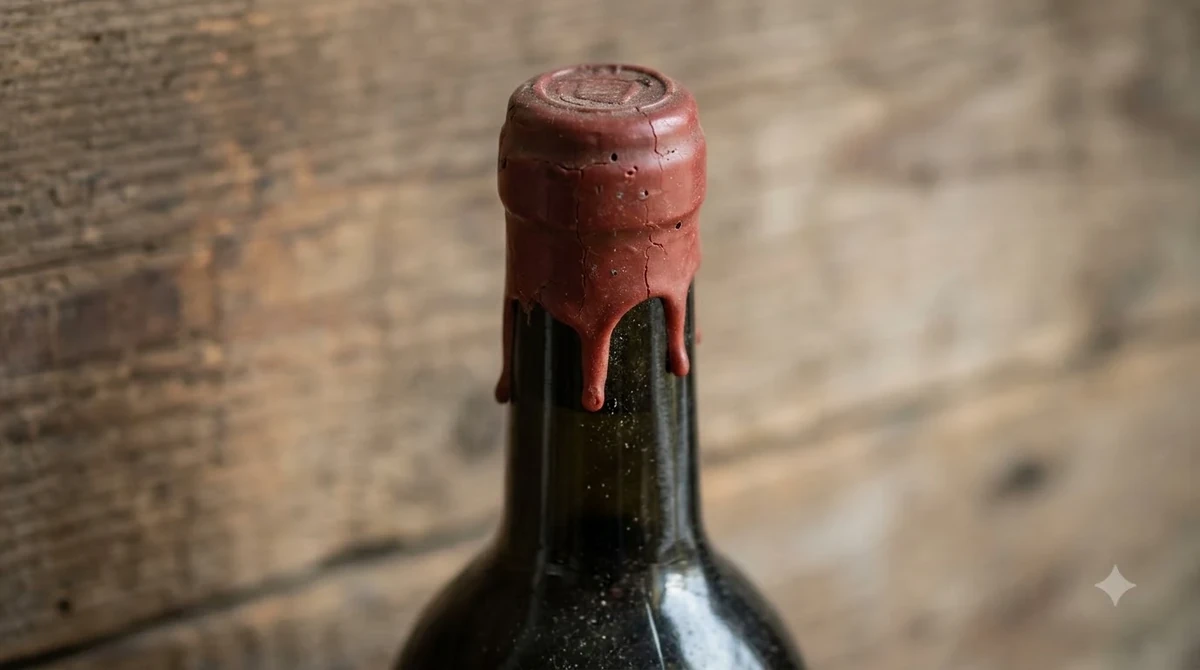
Professor Abraham Izak Perold bred the variety at Stellenbosch University in 1925 with a practical goal: uniting the complex aromatics of Pinot Noir with the heat tolerance and disease resistance of Cinsaut (known locally at the time as Hermitage). What emerged from those cross-pollinated seeds surprised researchers. Rather than inheriting the translucent ruby color and silky lightness of its parents, Pinotage developed intense anthocyanin levels—the natural compounds responsible for deep purple-black color and textural weight.
Because of that genetic quirk, comparing Pinotage to its famous parent can throw off your expectations. If you are used to asking is pinot noir full bodied and finding that it usually sits in the light-to-medium range, Pinotage sits on the opposite end of the weight spectrum. According to Wine Folly, Pinotage delivers a dark, full-bodied palate with medium-high tannins and medium-high acidity, giving it a physical presence on the tongue closer to warm-climate Syrah.
Flavor and Styles
Classic red Pinotage combines ripe black fruit with distinct savory, smoky, and earthy notes, though South African producers also craft lighter reds, rosés, and white versions from the same grape. Oak aging, harvest timing, and fermentation temperatures determine whether a bottle leans plush and chocolaty or bright and berry-driven.
In its traditional full-bodied form, Pinotage opens with concentrated aromas of blackberry, black cherry, dark plum, and fig. Underneath that dark fruit sits a unmistakable savory core—often showing hints of woodsmoke, roasted coffee, dark chocolate, pipe tobacco, and cured meat. Winemakers frequently age top-tier lots in new or seasoned oak barrels, which adds vanilla, cedar, and baking spice while rounding out the grip of the tannins.
Over the past two decades, a wave of South African winemakers has also embraced a fresher, medium-bodied style inspired by Pinot Noir. By harvesting slightly earlier and easing back on heavy oak extraction, these producers highlight tart red cherry, wild strawberry, raspberry, and crushed herbs. In addition to still reds, South African cellars produce crisp Pinotage rosé and even Blanc de Noir “White Pinotage” by pressing the juice off the dark skins immediately after harvest.
| Pinotage Style | Typical Body | Tannin & Acid | Core Tasting Notes |
|---|---|---|---|
| Classic Warm-Climate Red | Full-bodied | Medium-high tannins, medium-high acid | Blackberry, dark plum, woodsmoke, dark chocolate, tobacco |
| Cool-Climate / Modern Red | Medium to medium-full | Medium tannins, vibrant acid | Sour cherry, raspberry, cranberry, violets, savory herbs |
| Cape Blend (Pinotage-Led) | Full-bodied | Firm, structured tannins | Blackcurrant, plum sauce, cedar, espresso, leather |
| Pinotage Rosé / White | Light to medium-light | Low tannin, crisp acid | Watermelon, red berry, citrus, pear, white peach |
Pinotage also plays a starring role in Cape Blends, a regional category where Pinotage makes up a significant share alongside Cabernet Sauvignon, Merlot, or Shiraz. If you have ever wondered is merlot full bodied when blended with firmer grapes, Cape Blends show how Merlot’s plush plum fruit softens Pinotage’s smoky grip while keeping the overall weight solidly full-bodied.
Where It Grows
South Africa accounts for nearly all global Pinotage plantings, and regional climate differences across the Western Cape strongly influence whether a bottle turns out full-bodied or medium-bodied. Warmer inland valleys produce higher sugar levels and heavier wines, while ocean-cooled coastal slopes retain brighter acidity and a sleeker frame.
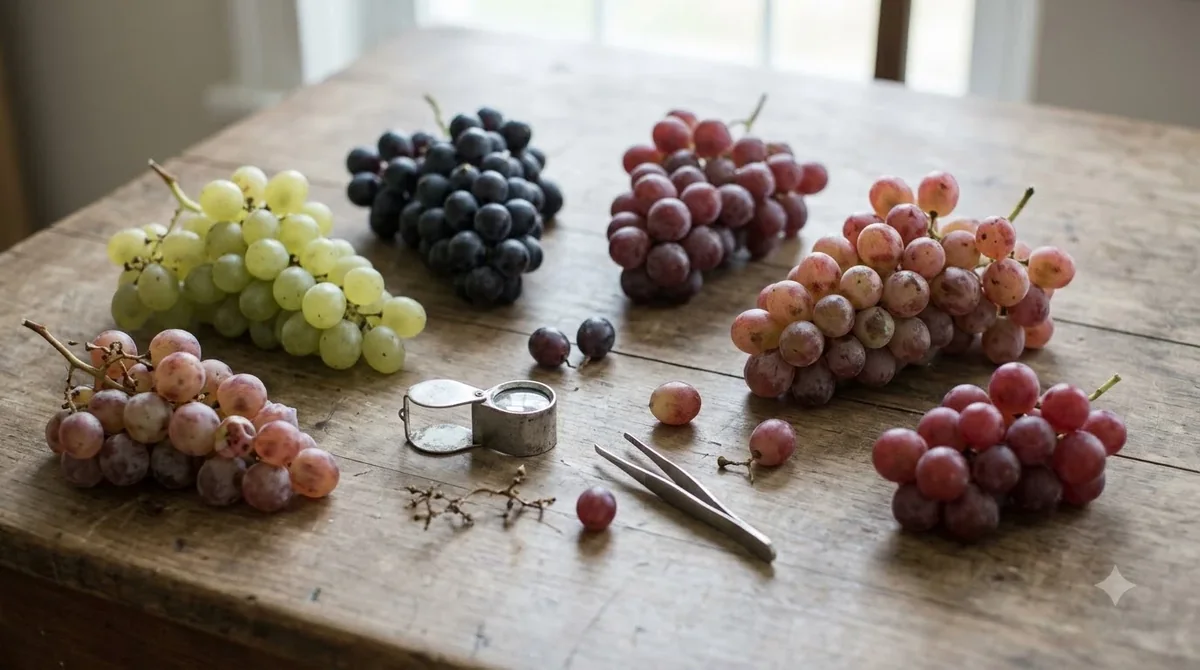
Stellenbosch remains the historic heartland of full-bodied Pinotage. Situated east of Cape Town with granite and sandstone mountain slopes, Stellenbosch enjoys warm sunny days tempered by afternoon breezes from False Bay. According to Wine Folly’s comprehensive guide to Pinotage, warm-climate examples from regions like Stellenbosch and Paarl develop riper fruit, higher alcohol—frequently exceeding 15% ABV—and a full, velvety body with polished tannins.
In Swartland, north of Cape Town, dry-farmed old bush vines rooted in decomposed granite and shale yield deeply concentrated, earthy Pinotage with natural structure. Conversely, cooler maritime regions along the Cape South Coast—such as Walker Bay and Elgin—slow down grape ripening. That extended hang time keeps sugar accumulation lower, producing aromatic, medium-bodied bottles with lower alcohol and brisk natural acidity. Outside South Africa, tiny experimental plantings exist in California, New Zealand, and Germany, though exports from the Western Cape remain the primary source on US retail shelves.
How to Serve
Full-bodied red Pinotage performs best when served slightly below room temperature at 60 to 68°F (15 to 20°C) and decanted for 30 to 60 minutes to soften its tannins and let its smoky aromatics open up. Serving the wine too warm exaggerates its high alcohol, making the finish taste hot and heavy.
Before pouring a bold bottle, give it 20 minutes in the refrigerator if your kitchen or dining room sits above 70°F. Bringing the liquid down into the 60 to 65°F window keeps the dark berry fruit crisp and prevents the alcohol from masking subtle notes of clove, earth, and cocoa. Lighter, cool-climate red Pinotage benefits from an even cooler pour around 58 to 60°F, while Pinotage rosé should be chilled thoroughly to 45 to 50°F.
Tip: Pour a small splash of young Pinotage into your glass and swirl it for 30 seconds before serving; brief aeration blows off any tight, reductive aromas and lets the ripe blackberry and smoke notes shine.
Use a large-bowled universal or Bordeaux-style red wine glass so the aromas have room to circulate. While lighter, fruit-forward bottles can be poured straight from the bottle, structured Stellenbosch or Swartland releases reward 30 to 60 minutes in a decanter. Well-made, full-bodied Pinotage also has solid cellar stamina, evolving smoothly over 5 to 10 years as primary dark fruit shifts toward leather, dried fig, and savory spice.
Food Pairing
Because classic Pinotage carries full body, medium-high tannins, and an inherent smoky edge, it pairs naturally with charred meats, rich braises, and bold spice rubs that would overpower lighter reds. In South Africa, it is the classic partner for a traditional braai (wood-fire barbecue).
Fire-roasted and smoked dishes mirror the savory compounds in the wine without clashing with its tannins. Hickory-smoked pork ribs, brisket, flame-grilled burgers, and pepper-crusted ribeye all have enough fat and protein to coat your palate and soften the wine’s firm grip. If you are exploring Wine by Type for backyard grilling, Pinotage stands shoulder to shoulder with Zinfandel and Shiraz as a natural barbecue match.
For cooler-climate or medium-bodied expressions, lean toward dishes that highlight the grape’s brighter cherry acidity and earthy undertones. Herb-roasted duck, lamb chops with rosemary, grilled portobello mushrooms, and aged hard cheeses like sharp cheddar or Gouda match the wine’s savory depth while keeping the pairing balanced.
How to Choose a Bottle
Checking the alcohol percentage, regional origin, and winemaking cues on the back label will tell you within seconds whether a Pinotage is full-bodied or medium-bodied. Because South African producers make both opulent and restrained styles, a quick label scan prevents mismatched expectations.
Start with the ABV listed on the front or back label. Bottles reading 14.5% to 15.5% ABV come from riper grapes grown in warm sunshine, signaling a full-bodied, plush, and warming red. Bottles between 13% and 14% ABV generally point to earlier harvesting or cooler coastal vineyards, delivering a leaner, medium-bodied profile with brisk acidity.
Next, scan the label for regional appellations and vineyard terms. Look for Stellenbosch, Paarl, or Swartland—alongside phrases like “bush vine,” “old vine,” or “reserve”—when you want dense, structured, full-bodied concentration. Seek out Walker Bay, Elgin, or Coastal Region bottlings when you prefer something brighter and lighter on its feet. As Wine Enthusiast notes in its look at Pinotage’s modern resurgence, careful yield management and site selection have transformed the grape from an overly rustic workhorse into one of the Cape’s most expressive reds. If you enjoy the lush dark fruit of South American reds and have asked is malbec full bodied, choosing a bush-vine Stellenbosch Pinotage will hit a very similar sweet spot.
Frequently Asked Questions
Is Pinotage fuller bodied than Pinot Noir?
Yes, Pinotage is noticeably fuller bodied than Pinot Noir, even though Pinot Noir is one of its parent grapes. Pinotage has much thicker, darker skins rich in anthocyanins and tannins, producing a deeper color, higher alcohol, and a heavier mouthfeel than delicate, light-to-medium-bodied Pinot Noir.
Does Pinotage taste like Shiraz or Cabernet Sauvignon?
On the palate, full-bodied Pinotage feels closer to warm-climate Shiraz than Cabernet Sauvignon. While Cabernet Sauvignon tends to have firmer, more angular tannins and herbal cassis notes, Pinotage offers plush blackberry and plum fruit wrapped in distinctive smoky, earthy, and coffee-like flavors.
Is Pinotage a dry red wine or sweet?
Classic red Pinotage is fermented completely dry, meaning almost no residual sugar remains in the finished wine. Its lush, ripe flavors of dark cherry, plum sauce, and chocolate can create an impression of richness, but the actual structure is dry with firm tannins and refreshing acidity.
Why do some bottles of Pinotage smell smoky or like coffee?
Pinotage naturally carries higher levels of certain volatile aroma compounds and responds strongly to toasted oak barrels during aging. When winemakers manage fermentation temperatures carefully and age the wine in toasted French or American oak, those traits translate into appealing notes of woodsmoke, roasted espresso, and dark cocoa.
Classic South African Pinotage earns its reputation as a bold, full-bodied red built for hearty meals and cool evenings. By matching the bottle’s alcohol level and home region to your menu, you can easily choose between a lush, smoky powerhouse from Stellenbosch and a brighter, medium-bodied pour from the coast.
More in Wine Types & Grapes
 Zinfandel Sugar Content: Dry Red vs. White Zinfandel GramsUpdated Nov 21, 2026
 Best Zinfandel Substitute Options for Sipping and CookingUpdated Nov 21, 2026
 Zweigelt Food Pairing: Best Dishes, Cheeses, and Serving TipsUpdated Nov 21, 2026
 Zinfandel Tannins Explained: How Structure Shapes Every BottleUpdated Nov 21, 2026
 Zinfandel Sweetness Level: Dry Red vs. Sweet White Zin ExplainedUpdated Nov 21, 2026
 Xinomavro Food Pairing: Best Dishes, Styles, and Serving TipsUpdated Nov 21, 2026