

We may earn a commission when you buy through links on this page, at no extra cost to you. Learn more.
Whether is malbec vegan depends entirely on how the winemaker clarifies the wine before bottling, because the grapes, yeast, and oak barrels are all plant-based. While the raw ingredients of Malbec are inherently vegan, many wineries use animal-derived fining agents like egg whites, gelatin, or milk protein to soften tannins and remove haze. Fortunately, a growing number of Malbec producers rely on mineral clays, plant proteins, or unfined winemaking methods that make their bottles completely vegan-friendly.
Walking down the wine aisle can feel surprisingly complicated when you follow a plant-based diet, especially since wine labels rarely list processing aids. Understanding what happens inside the cellar makes it much easier to pick a bottle of red wine with confidence and explore the wider world of Wine by Type.
What Is Malbec and Why Might It Not Be Vegan?
Malbec is a full-bodied red wine grape originally from South-West France that rose to global fame after finding an ideal high-altitude home in Argentina. Even though every bottle starts with crushed grapes and fermentation yeast, animal products can enter the picture during a post-fermentation clarification step called fining.
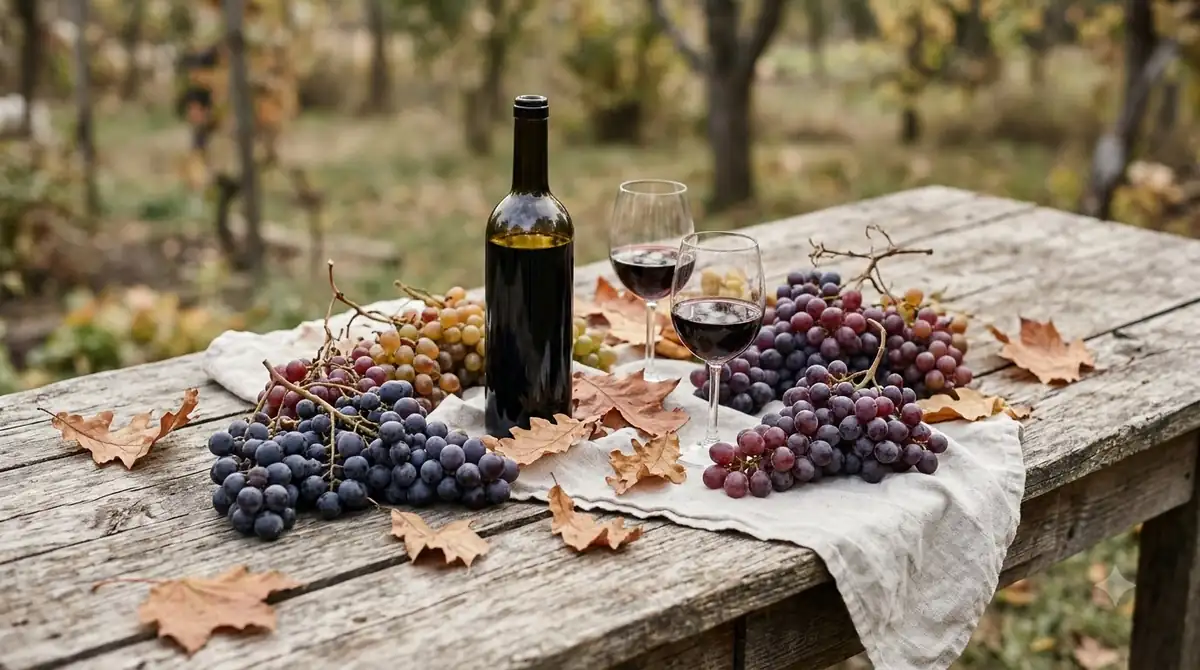
Freshly fermented red wine naturally looks cloudy and holds suspended microscopic particles, including proteins, yeast cells, and harsh phenolic compounds. Left alone, those particles eventually settle to the bottom of a tank or barrel over many months, though most commercial wineries speed up the timeline so they can bottle and release wines on schedule. According to Wine Folly, winemakers introduce fining agents that bind to these dissolved proteins and tannins, causing them to clump together and sink to the bottom of the vessel.
Once the sediment settles, the winemaker racks the clear liquid off the top, leaving the fining agent behind before bottling. Because these clarifying agents are considered processing aids rather than ingredients, trace amounts can remain, and wineries in the United States are not required to list them on the back label. For vegans and strict vegetarians, knowing which fining agents a producer favors is the single most important factor when evaluating any red wine.
The good news is that Malbec is naturally softer and less astringent than many heavy reds, meaning winemakers often need less aggressive tannin management than they would for a gripping Cabernet Sauvignon. Many modern Argentine and French estates either skip fining altogether or use vegan-safe mineral and plant alternatives that deliver crystal-clear wine without animal byproducts.
Common Fining Agents Used in Malbec Production
Winemakers choose from both animal-derived and plant- or mineral-based fining agents depending on the texture, clarity, and aging potential they want in the finished bottle. Recognizing the difference between traditional animal clarifiers and modern vegan substitutes clarifies why two bottles of Malbec from the same region can have completely different dietary statuses.
| Fining Agent | Source Material | Purpose in Winemaking | Vegan Status |
|---|---|---|---|
| Egg Albumen (Egg Whites) | Chicken eggs | Softens harsh tannins and astringency in red wine | Not vegan (vegetarian) |
| Gelatin | Animal hides, skin, and bones | Reduces bitterness and heavy tannins in full-bodied reds | Not vegan or vegetarian |
| Casein | Milk protein | Clarifies wine and removes oxidative browning | Not vegan (vegetarian) |
| Isinglass | Fish swim bladders | Polishes clarity and removes suspended solids | Not vegan or vegetarian |
| Bentonite Clay | Natural purified clay mineral | Binds positively charged proteins for stability and clarity | Vegan and vegetarian |
| Pea or Potato Protein | Legume or tuber plants | Gently binds excess tannins as a plant-based gelatin swap | Vegan and vegetarian |
As Wine Enthusiast notes, egg whites and gelatin are the two most common animal-derived agents used specifically in red wines like Malbec. Egg albumen carries a positive electrical charge that attracts negatively charged tannins, pulling them out of suspension so the finished wine feels rounder on the palate. Gelatin works in a similar way, smoothing rough edges in young, structured reds, though it is derived from animal collagen and makes a bottle unsuitable for both vegans and vegetarians.
Other animal products appear less frequently in red wine but still warrant attention. Casein, a protein isolated from cow’s milk, and isinglass, a collagen substance harvested from fish swim bladders, are far more common in crisp whites and sparkling wines—a nuance worth keeping in mind if you ever wonder is white wine vegan or check is prosecco vegan before a celebration. Still, an occasional red producer may use casein or crustacean-derived chitosan to correct color or off-aromas.
By contrast, vegan-friendly wineries rely on bentonite clay, pea protein, potato protein, activated charcoal, or synthetic PVPP. Bentonite is an inert volcanic clay that settles naturally and rinses away completely, while pea and potato proteins replicate the tannin-softening action of gelatin using purely plant-based chemistry.
Flavor Profile and Styles of Vegan Malbec
Vegan Malbec tastes identical to conventionally fined Malbec, delivering lush dark fruit flavors, medium tannins, medium-low acidity, and a plush, velvety finish. Because vegan fining agents either leave the wine’s natural structure untouched or use gentle plant and mineral alternatives, you lose none of the grape’s signature richness.
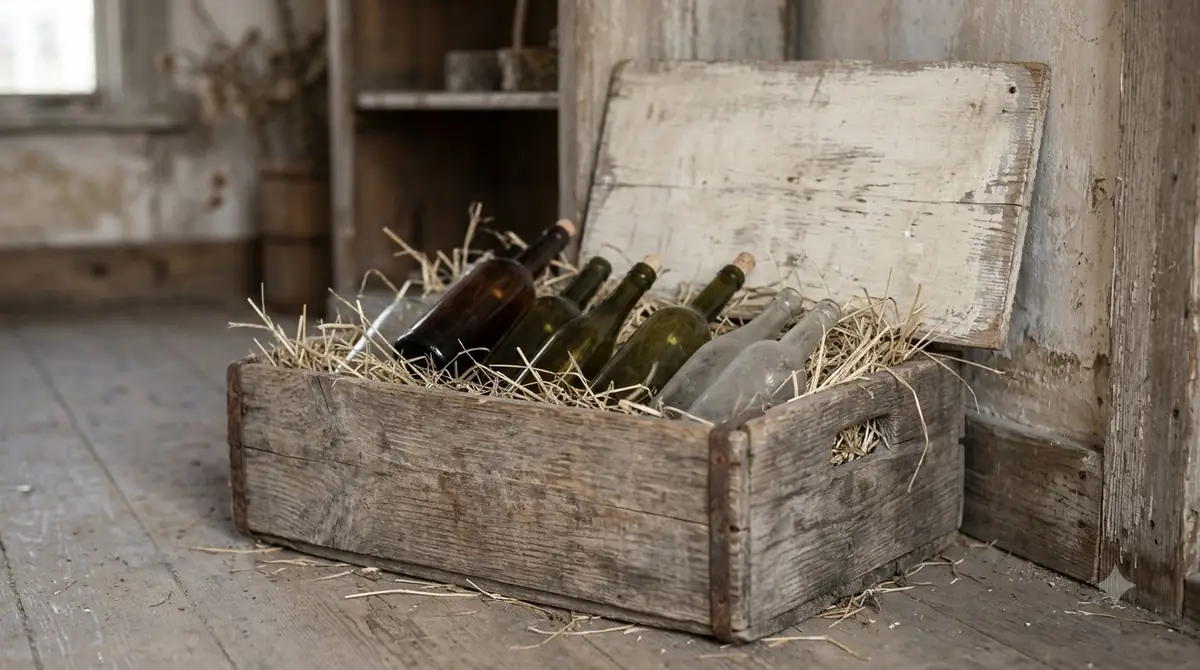
In the glass, Malbec is famous for its deep opaque purple core and bright magenta rim, visual clues driven by high concentrations of anthocyanin pigments in the grape’s thick skins. On the nose and palate, classic Argentine expressions lead with ripe blackberry, black cherry, and red plum, layered with secondary notes of cocoa, vanilla, violet, and sweet tobacco. When producers choose unfined and unfiltered methods, those dark fruit notes often feel even more vibrant and expressive.
Style varies noticeably depending on oak aging and elevation. Entry-level bottles often spend only four to six months in neutral oak or stainless steel, emphasizing juicy, fruit-forward drinkability that pairs easily with weeknight meals. Reserva and single-vineyard Malbecs may age for 18 to 20 months in oak barrels, developing deeper mocha, spice, and plush chocolatey textures without relying on animal fining agents.
French Malbec from Cahors, where the grape is locally known as Côt, leans toward a firmer, more savory profile. Expect darker, earthier flavors of black currant, leather, cedar, and dried herbs alongside grippier tannins that benefit from bottle age. Both New World and Old World styles are widely available in vegan-certified or unfined bottlings.
Where Malbec Grows and Notable Vegan-Friendly Regions
Argentina dominates global Malbec production, with the grape accounting for roughly 40 percent of the country’s red vineyard plantings, while France and parts of the United States produce smaller, distinctive bottlings. High sunshine paired with cool mountain nights allows Malbec grapes to develop ripe fruit flavors while keeping natural acidity balanced.
Mendoza is the undisputed heartland of Malbec, particularly in sub-regions like Luján de Cuyo and the high-elevation Uco Valley. Vineyards planted at high altitudes receive intense ultraviolet sunlight that thickens grape skins and boosts color, while chilly desert nights preserve freshness. Many Mendoza wineries have adopted sustainable, organic, and vegan-certified cellar practices to meet international export demand.
Outside Argentina, Cahors in South-West France remains the historic birthplace of the grape. Here, Malbec must make up at least 70 percent of the blend, producing structured, age-worthy reds rooted in limestone and gravel soils. In the United States, warm-climate regions such as the Walla Walla Valley spanning Washington and Oregon also craft expressive, fruit-driven Malbecs, often from smaller boutique estates that favor minimal-intervention, unfined winemaking.
How to Serve, Store, and Pair Vegan Malbec
Serve Malbec slightly below room temperature at 60 to 68 degrees Fahrenheit (15 to 20 degrees Celsius) in a standard universal red wine glass, and decant full-bodied bottles for about 30 minutes before pouring. Proper serving temperature keeps the alcohol—typically between 13.5 and 15 percent ABV—from tasting hot while allowing aromatic dark fruit and floral notes to open up.
If you are tracking nutrition alongside a plant-based lifestyle, standard dry Malbec contains virtually no residual sugar (usually less than one gram per liter), though its higher alcohol content contributes to its overall energy count—you can check exact serving breakdowns in our guide to calories in malbec. Most everyday bottles are crafted to drink fresh within two to five years of vintage, whereas structured Reserva bottlings from Mendoza or Cahors can cellar gracefully for five to ten years.
At the dinner table, Malbec’s plush fruit and moderate tannins make it one of the most versatile reds for plant-based cooking. Its smoky, cocoa-tinged finish harmonizes naturally with earthy, umami-rich ingredients like roasted portobello mushrooms, grilled eggplant, caramelized onions, and charred red bell peppers. Heartier vegan dishes seasoned with cumin, smoked paprika, black pepper, or rosemary—such as black bean burgers, lentil shepherd’s pie, or braised tempeh—stand up effortlessly to the wine’s full body.
Tip: Chilling a room-temperature bottle of Malbec in the refrigerator for 20 minutes before serving brings it right into the 60 to 68°F sweet spot and sharpens its fresh plum and blackberry flavors.
How to Spot a Vegan Bottle of Malbec
Because US wine labels do not require ingredient lists for fining agents, the easiest ways to verify that a Malbec is vegan are looking for certified vegan logos, checking for “unfined” wording, or searching producer databases. Combining label clues with quick digital checks eliminates guesswork at the wine shop.
Start by scanning the back label for third-party vegan certification marks, such as the Vegan Trademark from The Vegan Society or Certified Vegan emblems, as well as phrases like “suitable for vegans” or “unfined and unfiltered”. Keep in mind that organic or biodynamic labels alone do not guarantee a wine is vegan: organic rules govern vineyard farming rather than cellar fining agents, and biodynamic agriculture traditionally uses animal-derived preparations in vineyard compost.
When a label offers no clues, look up the producer and specific cuvée on Barnivore, a crowd-sourced directory that contacts wineries directly to confirm their fining and filtration practices. Many larger producers also publish technical sheets on their websites listing exact cellar protocols, making it easy to verify whether they use bentonite clay, plant proteins, or sterile cross-flow filtration instead of egg whites or gelatin.
Frequently Asked Questions
Is all Argentine Malbec vegan?
No, not every bottle of Argentine Malbec is vegan, even though the grapes and fermentation process are plant-based. Many wineries in Mendoza use bentonite clay or unfined methods that are completely vegan, while others still rely on egg whites or gelatin to soften tannins. Checking the back label for a vegan logo or looking up the producer online will confirm how a specific bottle was clarified.
Is organic or biodynamic Malbec automatically vegan?
No, organic and biodynamic certifications do not guarantee that a Malbec is vegan. Organic standards regulate how grapes are farmed without synthetic pesticides, but they still permit winemakers to use animal-derived fining agents like egg whites or casein in the cellar. Biodynamic farming also relies on traditional agricultural preparations that often incorporate animal byproducts.
Is the yeast used to ferment Malbec vegan?
Yes, wine yeast is completely vegan. Yeast is a single-celled fungus rather than an animal, so both wild ambient yeasts and cultured winemaking yeasts are suitable for a vegan diet. Only animal-derived fining agents added after fermentation can make a bottle non-vegan.
Does vegan Malbec taste different from regular Malbec?
No, vegan Malbec tastes indistinguishable from conventionally fined Malbec. Plant proteins, bentonite clay, and gentle filtration achieve the same visual clarity and smooth mouthfeel as egg whites or gelatin without altering the grape’s dark fruit flavors. You can expect the same blackberry, plum, and cocoa notes in every glass.
Finding a vegan Malbec comes down to looking past the grape itself and paying attention to how the winemaker clarifies the wine in the cellar. With so many producers embracing unfined winemaking, mineral clays, and clear back-label certifications, enjoying a glass of rich, dark-fruited Malbec on a plant-based diet is simpler than ever.
More in Wine Types & Grapes
 Zinfandel Sugar Content: Dry Red vs. White Zinfandel GramsUpdated Nov 21, 2026
 Best Zinfandel Substitute Options for Sipping and CookingUpdated Nov 21, 2026
 Zweigelt Food Pairing: Best Dishes, Cheeses, and Serving TipsUpdated Nov 21, 2026
 Zinfandel Tannins Explained: How Structure Shapes Every BottleUpdated Nov 21, 2026
 Zinfandel Sweetness Level: Dry Red vs. Sweet White Zin ExplainedUpdated Nov 21, 2026
 Xinomavro Food Pairing: Best Dishes, Styles, and Serving TipsUpdated Nov 21, 2026