

We may earn a commission when you buy through links on this page, at no extra cost to you. Learn more.
Is beringer wine good? Yes, Beringer makes good wine for a range of preferences, from approachable, fruit-forward everyday bottles to structured Napa Valley Cabernet Sauvignon and premium reserve selections. The brand’s quality depends on the particular bottle and collection rather than its name alone. Its accessible wines are generally designed for straightforward enjoyment, while its higher-tier Napa offerings provide a more distinctive expression of vineyard and grape variety. Choosing the right style is the key to getting a bottle you enjoy.
Beringer is one of California’s most recognizable winery names, with a history dating to 1876 in Napa Valley. Its range includes familiar favorites such as White Zinfandel, as well as Chardonnay, Merlot, Cabernet Sauvignon, and more ambitious vineyard-designated wines. That breadth makes the brand relevant to both casual wine drinkers and people looking to explore California wine without immediately committing to a single style.
Who Should Choose Beringer Wine?
Beringer is a sensible choice for people who want recognizable grape varieties, accessible flavors, and several different levels of wine quality under one established name. Its selection covers sweet and fruit-forward options alongside more traditional dry reds and whites, so the right bottle depends on individual taste.

Beginners may find Beringer’s Main & Vine range particularly approachable. White Zinfandel offers a recognizable strawberry and melon profile, while the Chardonnay and Cabernet Sauvignon options introduce familiar grape varieties without requiring extensive wine knowledge. These styles work for casual dinners, informal gatherings, and people who prefer easy-to-understand flavors.
People who already enjoy dry red wine should look beyond the sweetest and most accessible selections. Beringer’s Knights Valley Cabernet Sauvignon and Private Reserve wines represent a different side of the winery, with more emphasis on vineyard origin, grape character, and structure. These bottles are more relevant to drinkers who enjoy concentrated reds, developed flavors, and a longer finish.
The brand also makes sense for households with different wine preferences. Someone who enjoys sweet rosé can choose White Zinfandel, while another guest who prefers a full-bodied red can select Cabernet Sauvignon. This range is useful for entertaining because it avoids limiting a purchase to one narrow taste preference.
However, Beringer is not automatically the right choice for every wine drinker. People looking exclusively for bone-dry, highly mineral-driven whites or traditional European wines may prefer to compare other producers. Likewise, someone expecting every bottle bearing the Beringer name to have the complexity of a premium Napa Cabernet may misunderstand the differences between its collections.
For a broader overview of the producer’s range, the Beringer wine collection provides a useful starting point. Think about sweetness, body, and intended occasion before selecting a particular bottle.
Key Factors to Compare Before Buying
The most useful way to judge Beringer is to compare the actual wine style, grape variety, sweetness, and collection. These factors reveal more about the expected drinking experience than the winery name or bottle appearance alone.
| Factor | What to Look For | What It Means |
|---|---|---|
| Sweetness | White Zinfandel, Moscato, dry Cabernet | Determines whether the wine tastes sweet or dry. |
| Body | Light, medium, or full-bodied | Describes the wine’s weight and texture. |
| Grape variety | Zinfandel, Chardonnay, Merlot, Cabernet Sauvignon | Provides a useful indication of flavor and structure. |
| Collection | Main & Vine, Knights Valley, Private Reserve | Distinguishes accessible everyday wines from premium selections. |
| Alcohol | ABV percentage on the bottle | Helps establish the wine’s strength and expected warmth. |
| Serving temperature | 40–65°F, depending on style | Helps preserve balance and reveal the wine’s aromas. |
| Bottle size | 375 ml, 750 ml, or 1.5 L | Helps match the purchase to the number of guests. |
Sweetness is one of the most important distinctions. White Zinfandel and Moscato appeal to people who enjoy noticeable fruit sweetness, whereas Cabernet Sauvignon and many traditional Chardonnay and Merlot selections are generally intended to be dry. A strawberry-scented wine is not necessarily sweet, so distinguish fruity aromas from actual residual sugar.
Body is another useful comparison. Cabernet Sauvignon generally feels fuller and more structured because of its higher tannin, while Merlot usually has softer, medium tannin. Chardonnay can offer a fuller texture than a light white wine, depending on its production and oak treatment. These differences matter when choosing a wine for a meal or deciding what you will enjoy drinking on its own.
The collection name also deserves attention. Main & Vine is associated with accessible, everyday styles, whereas Knights Valley and Private Reserve offer a more premium direction. A wine from a named Napa appellation can communicate more about origin than a broadly labeled California wine, although origin alone does not guarantee personal preference.
For additional context, Beringer’s official vineyard information explains the variety of Napa Valley growing areas associated with its wines. The winery sources from different appellations, and those locations help explain why its portfolio can produce noticeably different wine styles.
Finally, consider the occasion. A light blush wine for an afternoon gathering serves a different purpose from a structured Cabernet for a steak dinner. A larger 1.5-liter bottle may be practical for a group, while a 375 ml bottle can be suitable for a smaller serving occasion.
Step-by-Step: How to Choose the Right Beringer Bottle
You can narrow down the Beringer selection with a simple process. Start with the taste you prefer, identify the appropriate grape, and then compare the collection and serving occasion.
-
Decide whether you prefer sweet or dry wine.
Start here rather than choosing by label design. White Zinfandel and Moscato are useful starting points for people who enjoy sweeter wine. Cabernet Sauvignon, Merlot, and many Chardonnay styles are better places to begin if you prefer dry wine.
-
Choose a color and general style.
Choose rosé for a lighter, fruit-forward option, white wine for refreshing or rounded flavors, and red wine for more tannin and structure. A chilled White Zinfandel is quite different from a full-bodied Cabernet served with dinner.
-
Identify the grape variety.
For a softer red, consider Merlot. For a more structured red, consider Cabernet Sauvignon. For a white wine with a rounded texture, consider Chardonnay. Zinfandel-based rosé is a useful option for people who enjoy berry-forward flavors.
-
Compare Beringer’s collections.
Look at Main & Vine for accessible everyday drinking, Knights Valley for a more premium Cabernet direction, and Private Reserve for the winery’s more ambitious selections. Do not assume the same level of complexity across all three.
-
Consider the meal or occasion.
For spicy food, a fruit-forward White Zinfandel can work well. For grilled steak, Cabernet Sauvignon is a natural option. Chardonnay can complement roast chicken, while Merlot is a versatile choice for meat dishes and mushroom-based meals.
-
Check the bottle details.
Review the grape, alcohol percentage, vintage where relevant, and bottle size. A standard 750 ml bottle provides approximately five servings when poured at 5 oz each, making it a useful reference for planning.
-
Serve the wine at an appropriate temperature.
Chill light whites and rosé to 45–50°F, serve fuller whites at 50–55°F, and serve light reds at 55–60°F. Fuller reds generally show better at 60–65°F than at warm room temperature.
This process helps prevent a common purchasing mistake: selecting a bottle because the producer is familiar without considering whether the wine itself matches your preferences. A well-chosen accessible bottle can be more enjoyable than a more expensive wine in a style you do not like.
Tip: If you are buying Beringer for someone whose preferences you do not know, choose a familiar grape variety before considering a premium collection. A fruit-forward White Zinfandel suits someone who likes sweeter rosé, while Merlot is a more useful starting point for someone who enjoys approachable dry red wine.
Beringer Wine Types and Styles Explained
Beringer’s portfolio includes several distinct wine categories, and each appeals to a different kind of drinker. Understanding the main styles makes it easier to distinguish an everyday bottle from a more serious Napa Valley selection.
White Zinfandel
White Zinfandel is one of Beringer’s most recognizable accessible styles. Despite the word white in its name, it is a pink wine made from red Zinfandel grapes. The resulting wine has a light blush appearance and typically emphasizes fresh fruit rather than heavy tannin or oak.
Beringer Main & Vine White Zinfandel is described as having strawberry, red berry, citrus, and honeydew characteristics, with hints of nutmeg and clove. Its listed alcohol content is 10% ABV in the retailer’s product information. The same description explains that the juice stays in contact with the grape skins for approximately three hours before cool fermentation helps preserve fresh fruit aromas.
This is a useful option for people who enjoy a slightly sweet, easy-drinking rosé. Serve it chilled at approximately 45–50°F. It works well with spicy dishes, casual appetizers, and lighter meals. If you prefer crisp, completely dry rosé, however, White Zinfandel may not match your taste.
People specifically interested in this style can explore Beringer White Zinfandel for a closer look at its characteristics and serving possibilities.
Chardonnay
Beringer Chardonnay is a practical option for drinkers who prefer white wine with more body than a particularly light, high-acid variety. Chardonnay generally has medium acidity, and its flavor can range from fresh apple and citrus to richer pear, tropical fruit, and creamy or oak-influenced notes.
The Main & Vine selection provides an accessible entry point, while Private Reserve Chardonnay represents a more premium part of the portfolio. These should not be treated as interchangeable wines. Differences in sourcing, winemaking, and oak treatment can affect the resulting texture and complexity.
Chardonnay pairs well with roast chicken, grilled vegetables, creamy pasta, and seafood dishes that are not excessively acidic. Serve fuller Chardonnay around 50–55°F rather than extremely cold, which can make its aromas and texture less expressive.
Merlot
Merlot is a good starting point for people who enjoy dry red wine but do not want the pronounced tannin of a powerful Cabernet Sauvignon. It generally has medium, softer tannin and can offer plum, cherry, blackberry, and gentle spice characteristics.
Beringer’s Merlot selections make sense for everyday meals involving roast chicken, pork, grilled vegetables, or mushroom dishes. The grape’s softer structure makes it a flexible food wine, particularly when the meal has moderate richness rather than intense spice.
Serve Merlot at approximately 60–65°F for a fuller example or slightly cooler for a lighter-bodied style. Avoid serving it excessively warm, because higher temperatures can make alcohol feel more prominent and reduce the sense of freshness.
Cabernet Sauvignon
Cabernet Sauvignon is the natural choice for drinkers who want more structure and a firmer red-wine experience. It generally has high tannin, dark fruit flavors, and enough body to complement rich meat dishes.
Beringer’s range includes accessible Cabernet options alongside Knights Valley and Private Reserve selections. The latter collections are particularly relevant to people interested in Napa Valley wine. Beringer’s vineyard information identifies Chabot Vineyard in St. Helena as an important source for its Private Reserve Cabernet Sauvignon, with the first wine from that vineyard bottled under the designation in 1977.
Cabernet pairs especially well with grilled steak, lamb, burgers, and dishes containing substantial protein and fat. Salt and fat soften the perception of tannin, helping the wine feel more balanced alongside a rich meal. Serve fuller Cabernet at approximately 60–65°F, and consider decanting a young, full-bodied example for 30–60 minutes.
Premium and Appellation-Based Wines
Beringer’s more premium wines offer a different purchasing proposition from its accessible everyday labels. Knights Valley and Private Reserve are useful names to recognize when comparing the winery’s higher-end selections.
Appellation and vineyard information can help explain the character of a wine. Beringer describes its vineyard holdings across areas including St. Helena and Howell Mountain. Its Bancroft Ranch Vineyard, for example, covers 89 acres at approximately 1,800 feet on Howell Mountain and contributes grapes to its Private Reserve Cabernet Sauvignon.
These details make premium bottles more interesting to people who enjoy exploring California wine regions. They do not mean that every premium wine will suit every drinker. Someone who prefers light, sweet wine may find a structured Cabernet less enjoyable regardless of its reputation.
Common Mistakes When Buying Beringer Wine
The biggest mistakes involve treating the entire portfolio as one style, confusing fruity flavors with sweetness, and assuming that a famous winery name guarantees a particular level of quality. A little attention to the label and grape variety makes a substantial difference.
Assuming all Beringer wines are sweet is one of the most frequent misunderstandings. The popularity of White Zinfandel can create the impression that sweetness defines the producer. In reality, Beringer’s Cabernet Sauvignon and Merlot selections generally occupy the dry red category, while its Chardonnay wines are different from its sweeter offerings.
Confusing White Zinfandel with dry rosé can also lead to disappointment. White Zinfandel is commonly fruit-forward and may have noticeable sweetness. Someone looking for a crisp, dry Provence-style rosé may find the difference significant. The color of a rosé does not reliably tell you how sweet it will taste.
Judging the premium range by an everyday bottle is another mistake. Main & Vine is positioned for accessibility, while Knights Valley and Private Reserve represent a different part of the portfolio. The reverse is also true: buying a premium bottle does not automatically make it the best selection for someone who prefers uncomplicated fruit flavors.
Ignoring grape characteristics can result in a poor food match. Cabernet Sauvignon has considerably more tannin than Pinot Noir, while Merlot generally has softer tannin. A rich steak dinner can support Cabernet’s structure, but an oily fish dish is usually better suited to a less tannic white or lighter red.
Serving every wine at room temperature is another avoidable problem. A White Zinfandel served warm can seem less refreshing, while a Cabernet served too cold can appear excessively firm and restrained. Use the temperature appropriate to the style instead of applying one rule to every bottle.
Finally, avoid purchasing by reputation alone. Beringer’s long history is a useful indicator of its established place in California wine, but the specific grape, collection, and intended drinking experience remain more important to your satisfaction.
Care, Serving, and Storage Tips
Proper serving and storage help Beringer wines retain their intended aromas and flavors. The most important details are temperature, exposure to air, bottle position, and how quickly an opened bottle is consumed.
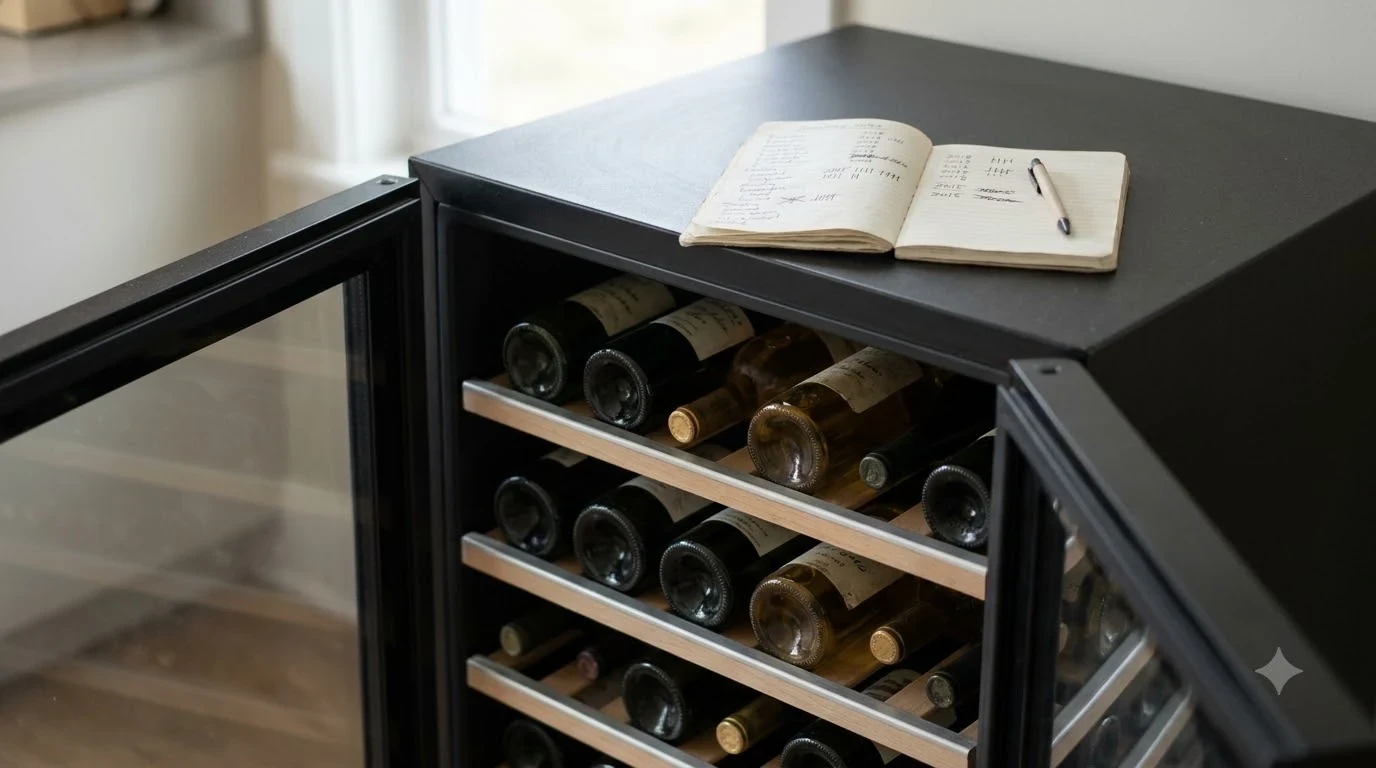
Store unopened bottles correctly. A consistent temperature near 55°F is a useful target for wine storage. Keep bottles away from direct sunlight, kitchen heat, radiators, and locations with frequent temperature changes. Bottles sealed with natural cork are generally best stored on their sides so the cork remains in contact with the wine.
Chill white and rosé wines before serving. Beringer White Zinfandel is best enjoyed chilled, generally around 45–50°F. Lighter whites also benefit from this range, while fuller Chardonnay is usually more expressive at 50–55°F. Avoid leaving a bottle in the freezer for an extended period because excessive chilling can compromise the drinking experience and create a risk of forgotten, frozen wine.
Serve red wines slightly cooler than a warm room. Light reds generally work around 55–60°F, while fuller Cabernet Sauvignon and Merlot selections are better around 60–65°F. If a red bottle has been sitting in a warm room, a short period of cooling can make the alcohol feel less prominent and improve balance.
Use decanting selectively. A young, full-bodied Cabernet Sauvignon can benefit from approximately 30–60 minutes of aeration. This gives the wine time to interact with oxygen and may soften the initial impression of tannin. A light White Zinfandel generally does not need decanting, and prolonged aeration is unnecessary for most uncomplicated everyday wines.
Preserve opened bottles in the refrigerator. Even red wines benefit from refrigeration after opening because cooler temperatures slow oxidation. As a general guideline, opened still wines remain enjoyable for approximately three to five days when properly resealed and refrigerated. Remove a red wine from the refrigerator shortly before serving so it can approach its preferred temperature.
Pay attention to bottle size. A 750 ml bottle provides approximately five standard 5 oz servings. A 1.5 L bottle contains twice that volume, or approximately ten standard servings. This makes the larger format practical for gatherings, while a smaller 375 ml bottle can help reduce leftover wine.
For additional information about the accessible Main & Vine range, the Beringer Main & Vine selection is a useful reference when comparing everyday styles. You can also explore other producers and grape varieties through the broader wine brands resource.
Frequently Asked Questions
Is Beringer considered a luxury wine brand?
Beringer spans multiple market positions rather than belonging exclusively to the luxury category. Its Private Reserve Cabernet Sauvignon is a premium Napa Valley offering, while Main & Vine is intended for more accessible everyday drinking. The distinction is important because the winery’s name appears across very different types of wine.
Is Beringer wine suitable for serving at a wedding?
Yes, its variety of red, white, and rosé styles makes it possible to accommodate different guest preferences. A 1.5 L bottle contains approximately ten standard 5 oz servings, which can help simplify serving calculations for larger gatherings. Choosing both a dry option and a sweeter option can also make a reception selection more inclusive.
Does Beringer make wine from organic grapes?
Organic certification is a specific claim that must be verified for an individual wine rather than assumed across an entire winery portfolio. Organic wine production involves defined vineyard and production standards, and certification can differ between products. Look for an explicit organic certification on the particular bottle or its official product information.
Can Beringer wine be used for cooking?
Dry Beringer Chardonnay, Merlot, and Cabernet Sauvignon can be useful cooking wines when their flavor profiles suit the recipe. Chardonnay works in cream sauces and poultry dishes, while Cabernet and Merlot can contribute depth to braised meat sauces. Avoid using noticeably sweet White Zinfandel in recipes that specifically require a dry wine unless the added sweetness is intentional.
Does Beringer produce wines from grapes other than Cabernet Sauvignon and Zinfandel?
Yes. Beringer’s broader portfolio includes Chardonnay, Merlot, Sauvignon Blanc, Pinot Noir, and other grape varieties. Its vineyard information also discusses Cabernet Franc and Sémillon in relation to specific Napa Valley growing areas. Availability varies by collection and retailer, so the range at an individual store may be narrower than the winery’s overall portfolio.
Overall, Beringer is a good choice if you select a bottle that matches your preferred sweetness, body, and budget. Its accessible Main & Vine wines offer familiar, straightforward styles, while Knights Valley and Private Reserve provide more premium Napa Valley options. Start with the grape variety you enjoy most, compare the collection, and serve the wine at the right temperature to get the most from your selection.
More in Wine Brands
 Underwood Wine Price: Compare Bottles, Cans, and Pack SizesUpdated Nov 21, 2026
 Zenato Wine Price: Compare Styles and Choose the Right BottleUpdated Nov 21, 2026
 Zuccardi Wine Price: Compare Bottles and Find the Right RangeUpdated Nov 21, 2026
 Yellow Tail Moscato Review: Taste, Sweetness and Serving TipsUpdated Nov 21, 2026
 Wolf Blass Yellow Label Review: Choose Your Best StyleUpdated Nov 21, 2026
 Wolffer Estate Rose Review: Choose the Right Bottle for Your TableUpdated Nov 21, 2026