

We may earn a commission when you buy through links on this page, at no extra cost to you. Learn more.
Beringer White Zinfandel is a sweet rosé made from the Zinfandel grape, with bright strawberry and raspberry aromas and a soft, fruity finish. It is lighter and sweeter than red Zinfandel, which is dry and full-bodied. Serve it well chilled and pair it with spicy, smoky, or salty food that balances its sweetness.
If you have seen the name on a wine list or at a grocery store shelf and wondered what you are getting, this guide explains the style, where it comes from, and how to enjoy it. It also covers how White Zinfandel differs from the red wine it grows out of, so you can decide whether it suits your table.
What Beringer White Zinfandel Is
White Zinfandel is a pink, off-dry style of wine. Winemakers make it from Zinfandel grapes by pressing the skins for a short time, so the juice picks up only a pale blush of color. The result is a rosé that smells of fresh red fruit rather than the jammy, peppery character of big red Zinfandel. Beringer is one of the best-known California wineries, and its White Zinfandel is an example of the style that many American drinkers first encounter when they start exploring wine.
The wine is made to be easy to drink. Its sweetness rounds out the acidity and keeps the finish gentle, which is why it is often recommended for people who find dry wines sharp or astringent. If you are new to wine, it is a low-pressure place to start, and it can open the door to other pink and white styles.
Where the Style Comes From
The Zinfandel grape has a surprising history. Genetic work has linked it to Tribidrag, a grape grown in Croatia, and it is known as Primitivo in Italy’s Puglia region. It was likely brought to the United States in the early 1800s, which is why many people call it America’s grape. California growers have planted it for generations, especially in warm inland vineyards where it ripens fully.
White Zinfandel arose partly by accident. According to Wine Folly’s Zinfandel guide, a fermentation at Sutter Home stalled and left residual sugar in the wine. The winemakers liked the softer, sweeter result, and the style grew in popularity during the 1970s. That demand helped keep Zinfandel vineyards in production at a time when red wine was less fashionable with many American drinkers.
The Beringer website describes the winery as the longest continuously operating winery in Napa, with its address on Main Street in St. Helena. That history gives the brand a long track record, although the site does not go into detail about how this particular bottling is made.
Flavor and Sweetness
Expect a wine that smells and tastes of strawberries and raspberries, with a light, fresh character. The sweetness is the most obvious feature, but a good White Zinfandel should still feel balanced rather than syrupy. Its acidity keeps the wine lively, and the body is light, so it feels easy to sip on a warm afternoon.
The flavors are very different from red Zinfandel. Red versions are known for blackberry, peach preserves, cinnamon, and sweet tobacco, with firm tannins. White Zinfandel drops most of that structure. It is a good choice when you want fruit and a soft texture without the grip of tannin.
Because the wine is sweet, it can taste heavy if it is served too warm. Chilling it brings out the freshness and makes the fruit feel crisp. Many people also enjoy it over ice on a hot day, which softens the sweetness further.
How to Serve Beringer White Zinfandel
Serve it chilled, but not ice cold. A short time in the refrigerator is usually enough. Very cold temperatures can mute the fruit, while a warm glass can make the sugar stand out too much. Use a standard white or rosé glass rather than a large red wine bowl, since the lighter wine does not need much room to open up.
White Zinfandel does not need decanting or long aeration. Open it when you are ready to pour, and keep the bottle cool between glasses. A bottle that has been left out in the sun will taste flat and overly sweet.
Food Pairings That Work
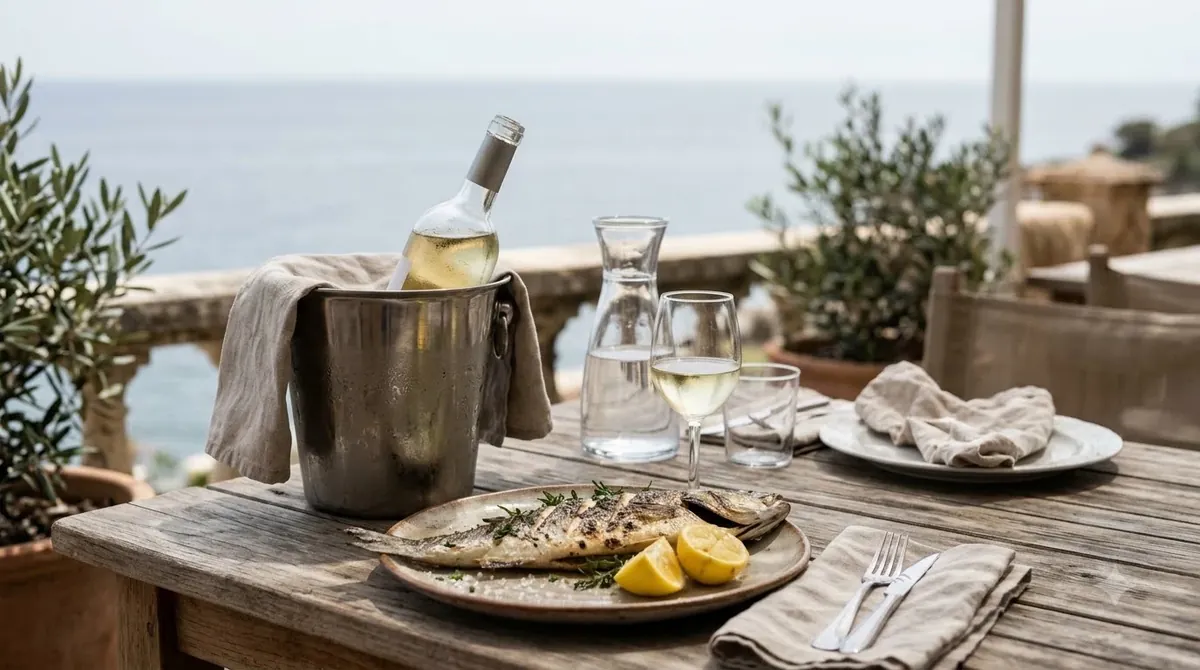
Sweet wines pair well with salty, spicy, and smoky food. The sweetness cools heat, and the fruit lifts rich dishes. Good options include grilled chicken, spicy Thai or Mexican dishes, ham, and soft cheeses such as mild goat cheese or Monterey Jack. A cheese board with crackers and fresh fruit is an easy match for a casual gathering.
Avoid pairing it with heavy red meat or very dry, tannic foods, since the sweetness can make them taste sharp by contrast. Fresh strawberries, melon, and light salads with a tart dressing also work well.
Beringer White Zinfandel Compared With Red Zinfandel
Many shoppers pick up a bottle of White Zinfandel without realizing that both styles come from the same grape. The table below summarizes the main differences so you can choose the right bottle for your meal or mood.
| Feature | White Zinfandel | Red Zinfandel |
|---|---|---|
| Style | Sweet rosé | Dry, full-bodied red |
| Main aromas | Strawberry, raspberry | Blackberry, peach preserves, cinnamon |
| Tannin | Very low | Medium-high |
| Serving | Well chilled | Slightly cool, about 60 to 68°F |
| Best with | Spicy, salty, or smoky food | Barbecue, rich cheese, hearty vegetables |
Tip: If you enjoy White Zinfandel but want something a little drier, try a light rosé from a different grape. You keep the pink color and fresh fruit while moving toward a less sweet profile.
If you like the fruity character of Beringer White Zinfandel but want a structured red for your next dinner, a sweet red from a different producer is another style to compare. Both show how sweetness can shape the way a wine tastes at the table.
How to Choose a Bottle of White Zinfandel
Labels for pink Zinfandel can be confusing, because producers use the words blush, rosé, and White Zinfandel in different ways. Look for the grape name on the label and a sweetness description on the back label, if the producer provides one. A wine that calls itself dry will taste very different from a sweet pink wine, even when the color looks similar.
Think about the occasion before you buy. A bottle with clear strawberry and raspberry fruit suits a casual brunch or a backyard lunch. If you are serving a crowd with a mix of tastes, a sweet pink wine can satisfy guests who find dry wine too sharp, while more experienced drinkers can still enjoy it as a contrast to a drier bottle on the same table.
Storage matters as well. Keep unopened bottles in a cool, dark place, and drink them within a year or two of purchase for the freshest fruit. Once opened, a sweet pink wine is best finished within a few days, as its aromas fade faster than those of a tannic red. Pour small glasses so the bottle lasts through a meal, and recork it between pours if you need to keep it for later in the evening.
Frequently Asked Questions
Is Beringer White Zinfandel sweet?
Yes. It is an off-dry rosé, so the sweetness is noticeable on the first sip. The fresh fruit flavors and acidity keep it from tasting flat.
Is White Zinfandel made from a different grape than red Zinfandel?
No. Both styles come from the Zinfandel grape. The difference comes from how the juice is handled and whether the fermentation is allowed to leave residual sugar.
Should I serve Beringer White Zinfandel with dinner?
It works well with spicy, salty, or smoky dishes and with lighter fare such as salads and grilled chicken. Many people also drink it before a meal as an aperitif.
How long does an opened bottle last?
Keep it refrigerated with the cork or cap back in place. A few days is usually reasonable, because the fresh fruit fades over time and the wine loses its bright character.
Beringer White Zinfandel is an easy-drinking rosé that rewards a simple approach: chill it, pour it into a light glass, and pair it with food that has some heat or salt. If you want to explore more American wine styles, the wine brands guide is a good next step for comparing producers and what sets them apart.
More in Wine Brands
 Underwood Wine Price: Compare Bottles, Cans, and Pack SizesUpdated Nov 21, 2026
 Zenato Wine Price: Compare Styles and Choose the Right BottleUpdated Nov 21, 2026
 Zuccardi Wine Price: Compare Bottles and Find the Right RangeUpdated Nov 21, 2026
 Yellow Tail Moscato Review: Taste, Sweetness and Serving TipsUpdated Nov 21, 2026
 Wolf Blass Yellow Label Review: Choose Your Best StyleUpdated Nov 21, 2026
 Wolffer Estate Rose Review: Choose the Right Bottle for Your TableUpdated Nov 21, 2026