

We may earn a commission when you buy through links on this page, at no extra cost to you. Learn more.
is barefoot pinot grigio good? Yes, Barefoot Pinot Grigio is a good choice for casual drinking if you enjoy a light-bodied, fruit-forward white with apple, citrus, and peach character. Its profile is straightforward rather than layered, and independent reviews describe it as dry with a clean finish. It is better suited to relaxed meals and easy sipping than to someone looking for a complex, oak-aged, or richly textured white.
Barefoot’s bottling is built around freshness and approachability, not serious cellar potential or elaborate winemaking. The practical question is whether its crisp, gently fruity style matches your palate, food, and occasion; the guide below covers taste, sweetness, serving temperature, bottle sizes, and what to expect before buying.
Who This Is For
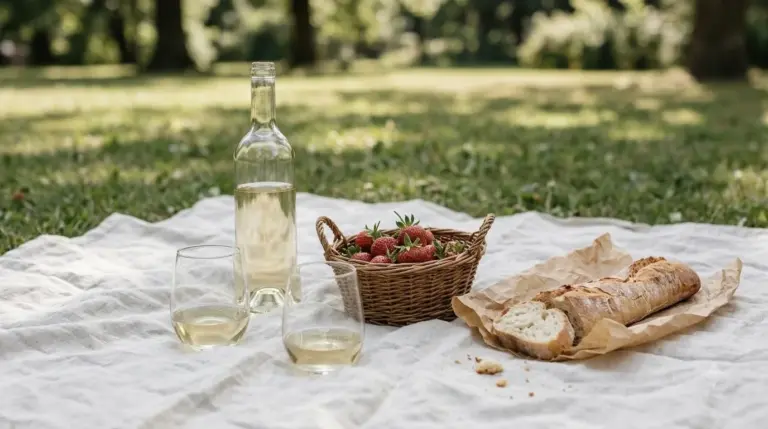
Barefoot Pinot Grigio suits drinkers who want a refreshing white for weeknight dinners, picnics, casual gatherings, and familiar foods. Expect light body and bright fruit rather than heavy texture, strong oak, or intense floral perfume. Green apple, white peach, citrus, and a clean finish are the main attractions.
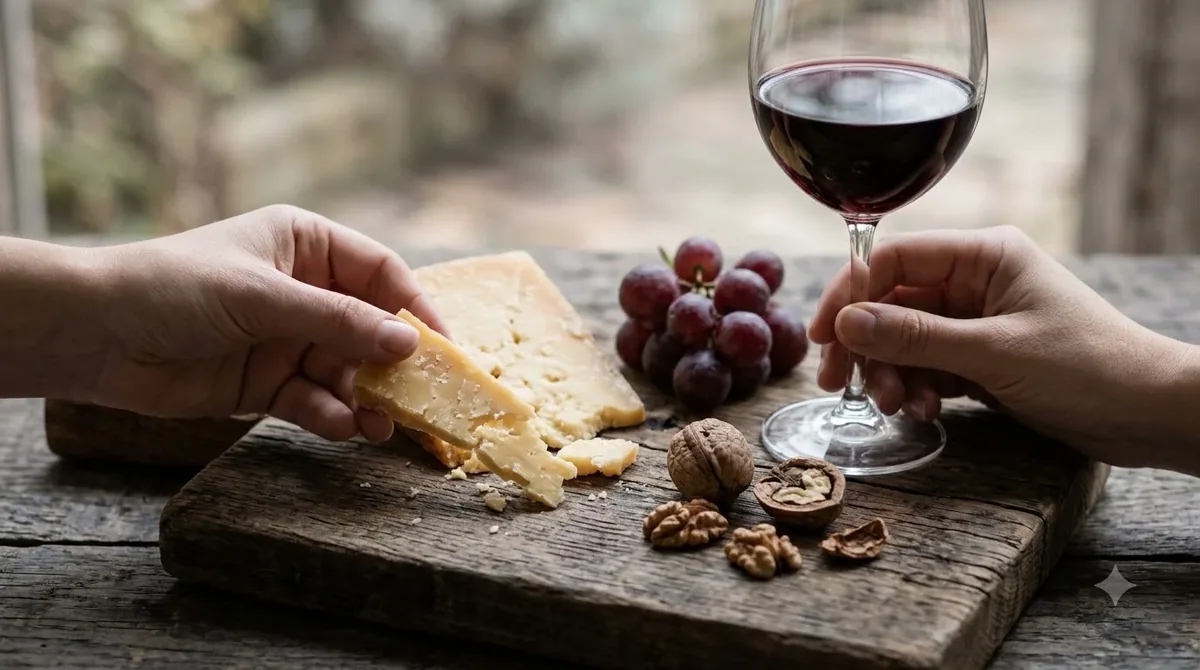
The producer’s Pinot Grigio description calls it crisp and refreshing, with tart green apple, white peach, floral notes, and citrus aromas. That profile broadly matches the independent tasting notes: Wine Enthusiast’s review of the bottling identifies yellow apple, orange zest, guava, white tea, white flowers, navel orange, canned peach, and kumquat, while Tastings.com describes grapefruit oil, lemon zest, tart green apple, and delicate white flowers. The vocabulary differs, but both reviews point toward bright fruit and a light, fresh impression rather than weight or oak.
This can suit someone starting to explore dry white wine, especially if they prefer familiar fruit over pronounced minerality or sharp herbal notes. It also works for hosts serving several dishes: the producer suggests poultry, pasta, and pizza, while Tastings.com lists chicken and pasta. It is less suited to someone seeking rich, creamy Chardonnay, highly aromatic Sauvignon Blanc, or mineral-driven Pinot Grigio from a specific European region; those wines can offer more structure, regional character, or a longer finish.
It is also worth separating “fruity” from “sweet.” A wine can smell of ripe peach or orange while finishing dry. Both independent reviews characterize this Barefoot bottling as dry, so do not assume fruit aromas mean sugar. For more detail about this particular bottle’s profile, see the overview of barefoot pinot grigio.
Key Factors to Compare
Compare the wine by style, alcohol level, serving temperature, and package size rather than by fruit words alone. The figures below show what published product information and standard wine-serving guidance can tell you before opening a bottle.
| Factor | Published detail | What it means |
|---|---|---|
| Body and finish | Light-bodied; crisp, bright finish | A refreshing, easygoing white rather than a rich or weighty style |
| Fruit profile | Green apple, white peach, citrus; reviewers also note orange, guava, and kumquat | Expect orchard fruit and citrus more than oak, butter, or tropical sweetness |
| Alcohol | 12% in Wine Enthusiast’s listing; 12.5% in Tastings.com’s review | Published figures vary by listing or bottling; compare the bottle’s own label |
| Formats | 187 mL, 200 mL, 500 mL, 750 mL, 1.5 L, and 3 L | Small formats suit one or two pours; larger formats are practical for groups |
| Serving temperature | About 45–50°F for a light white | Wine Folly gives a 45–55°F range for Pinot Gris generally; serve this light style toward the cooler end |
| Standard pours | About 5 glasses from a 750 mL bottle at 5 oz each | Use the pour size to estimate how much a bottle will serve |
The alcohol figures deserve a little attention. Wine Enthusiast lists 12% ABV for its 750 mL entry, while Tastings.com records 12.5% for its reviewed sample. That half-percentage-point difference is not a reason to treat one source as definitive for every bottle; wine information can differ across listings, lots, and label updates. The dedicated guide to barefoot pinot grigio alcohol content is useful when comparing the stated strength with other wines.
Package size changes the buying decision more than the wine’s style. A 187 mL mini is roughly one and a quarter standard 5 oz servings; a 750 mL bottle gives about five. A 1.5 L bottle gives about ten pours, and 3 L suits a larger occasion. Barefoot lists all six formats, though local availability can differ.
Do not use a sweetness assumption as a substitute for checking what is in the glass. The wine’s ripe-fruit aromas may come across as round or soft, but the independent reviews describe a dry finish. The related guide to barefoot pinot grigio sugar content can help readers who are specifically comparing sugar information rather than judging sweetness by aroma alone.
Step-by-Step: How to Decide Before You Buy
A good purchase starts with the occasion and the style you actually enjoy. Use these steps to decide whether Barefoot is a practical match, then serve it in a way that keeps its fruit and freshness clear.
- Decide how dry you want the wine. Barefoot Pinot Grigio is described as dry by Tastings.com and has a dry finish in Wine Enthusiast’s notes. If you usually choose Moscato, sweet Riesling, or dessert wine, this bottle may taste much less sweet than you expect, even though its aromas include peach and other ripe fruit.
- Match the body to your meal. Its light body fits grilled chicken, simple pasta, pizza, salads, and mild cheeses better than very rich or heavily spiced dishes. Barefoot names poultry, pasta, and pizza as pairings; broader Pinot Grigio guidance also supports seafood, salads, and mild cheese.
- Choose a bottle size that fits the group. For a single dinner, 750 mL gives about five 5 oz glasses. A 187 mL or 200 mL format is more useful for an individual serving, while a 1.5 L or 3 L format makes more sense when several people will share it.
- Compare the alcohol statement. Published listings show 12% and 12.5% ABV, a half-percentage-point difference. Use the published range as a guide and compare ABV consistently across bottles rather than assuming every Pinot Grigio has the same strength.
- Chill it before pouring. Aim for about 45–50°F, the cooler end of the usual range for light whites. A standard refrigerator can chill the bottle; take it out shortly before serving if it feels too cold and the apple, citrus, or floral aromas seem muted.
- Taste it with the food, not just on its own. Try a sip before dinner, then another with chicken, pasta, or pizza. If the wine seems thin next to a strongly seasoned or rich dish, that is a pairing mismatch rather than proof that the bottle is faulty.
Decide whether the wine’s job is refreshment or complexity. Barefoot is aimed at the first: a casual table, mixed group, or recipe-night dinner. A focused tasting or special meal built around delicate seafood may call for a more distinctive bottle.
When unsure, buy the smallest practical format and compare it with a second Pinot Grigio at the same meal. A side-by-side sip with grilled chicken or simple pasta makes differences in acidity, fruit intensity, and finish easier to recognize than a label description alone.
Types or Styles Explained
Pinot Grigio does not taste the same across every region or producer. The grape makes crisp, light wines as well as fuller, richer, and sometimes sweeter versions, so judge Barefoot as a fruit-forward American example rather than a template for every Pinot Grigio.
Italian Pinot Grigio is often leaner and higher in acidity, with lemon, lime, green apple, and sometimes almond. Pinot Gris from Alsace can be more aromatic and fuller-bodied, and some late-harvest examples are sweet. Wine Folly describes a spectrum from light and zesty to full-bodied and oily, shaped by ripeness and winemaking. American Pinot Grigio often emphasizes more obvious fruit: Total Wine describes U.S. examples as generally fruitier while remaining dry and showing less acidity than typical Italian versions. Barefoot’s green apple and white peach description, along with reviewers’ orange, guava, peach, and citrus notes, fits that accessible style.
Pinot Grigio and Pinot Gris are names for the same grape, but the label can hint at style. “Pinot Grigio” often signals a lighter expression, while “Pinot Gris” can indicate a richer approach, especially in Alsace or Oregon. These are tendencies: climate, harvest ripeness, fermentation, and skin contact all affect the result. Choose Barefoot for a light, fruity white with a dry finish; look to richer Pinot Gris for more texture or to a sharper Italian Pinot Grigio when brisk acidity and citrus-led flavors are the priority. The grape name is only a starting point; the producer’s description gives a better sense of what is in the bottle.
Common Mistakes
The most common buying mistake is expecting a sweet wine because the tasting notes mention peach, guava, or apricot. Fruit aromas describe the smell and flavor of the wine; they do not automatically indicate high residual sugar, and both independent reviews describe Barefoot Pinot Grigio as dry.
A second mistake is treating every Pinot Grigio as interchangeable. A light California bottling, a high-acid Italian version, and a fuller Alsatian Pinot Gris may share a grape name but deliver very different weight and texture. If you want the crispest, most citrus-led style, compare acidity and regional origin rather than selecting by the word “Pinot” alone.
Another error is serving the bottle near room temperature or extremely cold. At roughly 45–50°F, it should feel refreshing while showing apple, citrus, and floral details. Too warm, it may seem soft; too cold, its aromas become harder to detect. Food mismatch also matters: a light white may disappear beside smoky barbecue, cream sauces, or very hot chili. Alcohol can amplify chili heat, so a lower-alcohol, slightly sweeter wine may suit spice-sensitive diners better. Barefoot fits mild poultry, simply prepared seafood, light pasta, pizza, and salads.
Finally, do not confuse an everyday style with a flaw simply because it lacks oak, concentration, or a long finish. If you want a layered white with barrel character, strong minerality, or extended aging potential, choose a different style instead of expecting this bottle to behave like one.
Care and Storage Tips
Barefoot Pinot Grigio is best treated as a fresh, ready-to-drink white rather than a bottle to put away for a special anniversary. Keep it cool, protect it from light and heat, and serve it chilled in a regular white-wine glass; there is no need for decanting or special equipment.
Before opening, keep the bottle in a cool, dark place away from sunlight, warm appliances, and temperature swings. Longer-term wine storage commonly uses bottles on their sides near 55°F, although a straightforward, fruit-forward Pinot Grigio is generally bought for near-term enjoyment. Keep a chilled bottle in the refrigerator until serving.
At the table, aim for 45–50°F and use a standard stemmed white-wine glass. Its narrower rim helps collect aromas, while the bowl leaves room to swirl. Pour about 5 oz per glass. Decanting is unnecessary; pour straight from the bottle. After opening, close the bottle with its original closure or a wine stopper and refrigerate it. Total Wine’s Pinot Grigio storage guidance recommends a stopper and refrigeration for up to four or five days; a practical planning window for opened still wine is about 3–5 days, though citrus and floral qualities may fade sooner.
Tip: Chill the bottle first, then pour a small taste before dinner. If the apple and citrus notes seem muted, let the glass warm for five minutes; if the wine feels soft or flat, return the bottle to the refrigerator between pours.
Choose the format to match the gathering. A 750 mL bottle gives about five standard glasses; a 1.5 L bottle gives about ten. A 3 L format is less convenient for a small dinner if the wine will not be finished promptly. Keep the bottle cold between pours rather than leaving it open on the counter through a long meal.
Frequently Asked Questions
These answers cover the grape’s naming, winemaking, and serving conventions that can help put a bottle of Barefoot Pinot Grigio in context. They also explain why a familiar grape name can describe several different wine styles.
Are Pinot Grigio and Pinot Gris the same grape?
Yes. Pinot Gris and Pinot Grigio are names for the same grape variety, which Wine Folly identifies as a color mutation of Pinot Noir. The name on the label often reflects regional tradition or the style the producer wants to signal, rather than a different grape.
Can Pinot Grigio ever be pink or copper-colored?
Yes. A skin-contact method can produce a copper-toned style often called ramato, which sits between a conventional white wine and rosé in appearance. The color comes from contact with the grape skins during winemaking, not from blending in red wine.
What does NV mean on a wine listing?
NV means non-vintage, indicating that the wine is not presented as a single named harvest year. Producers may use wine from more than one harvest to maintain a consistent house style, which is common for many widely distributed, everyday bottlings.
What is Grauburgunder?
Grauburgunder is a German name for Pinot Gris, the same grape also called Pinot Grigio in Italy. Wine Folly also lists Ruländer as another regional synonym, so the grape may appear under different names on European labels.
Can Pinot Grigio be aged for several years?
Some fuller or late-harvest Pinot Gris styles can develop with age, but most light, zesty Pinot Grigio is intended for relatively early drinking. Wine Folly notes that certain sweeter, late-harvest versions can age gracefully; that general point should not be taken as a reason to cellar this particular everyday bottling.
Barefoot Pinot Grigio is a worthwhile everyday pick when the goal is a light, dry, fruit-forward white for casual food and easy sipping. Buy it for freshness and convenience, not complexity; serve it chilled, pair it with straightforward dishes, and choose a different style when you want more body, oak, or regional character.
More in Wine Brands
 Black Tower Wine Price: Compare Bottles and Find the Right StyleUpdated Nov 21, 2026
 Black Tower Wine Review: Compare Styles and Choose the Right BottleUpdated Nov 21, 2026
 Beringer Main and Vine Review: Styles, Sweetness, and Buying GuideUpdated Nov 21, 2026
 Bertani Wine Price: Compare Bottles and Find the Right ValueUpdated Nov 21, 2026
 Beringer Main And Vine Price: Compare Bottles and Find ValueUpdated Nov 21, 2026
 Argyle Wine Price: Compare Bottle Costs and Find the Right StyleUpdated Nov 21, 2026