

We may earn a commission when you buy through links on this page, at no extra cost to you. Learn more.
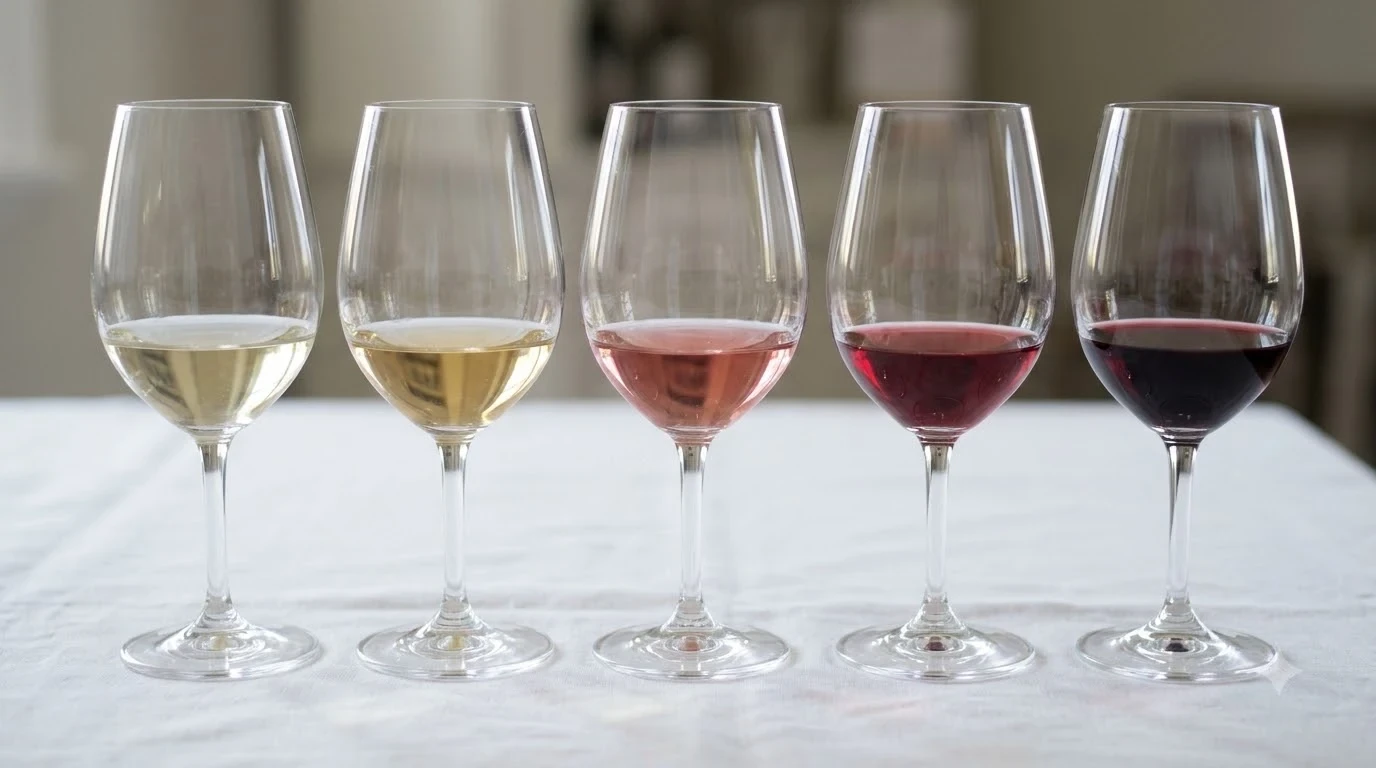
The best pinot grigio at total wine is usually a dry Italian bottle from Alto Adige or Friuli if you want refreshing acidity, citrus flavors, and more character than a basic everyday white. For an easy-drinking option, look for a crisp Veneto Pinot Grigio; for a richer experience, consider Alto Adige or Friuli. The right choice depends on whether you prefer lemon and green apple, ripe peach and pear, or a fuller, more textured white wine.
Total Wine offers a useful starting point for comparing Pinot Grigio because the category includes wines from different countries, growing regions, and winemaking traditions. However, the name alone does not tell you exactly what is inside the bottle. Two wines made from the same grape can have noticeably different acidity, body, fruit character, and sweetness. Understanding those differences makes it easier to choose a bottle for dinner, entertaining, or a casual glass at home.
Who Should Buy Pinot Grigio at Total Wine?
Pinot Grigio is a particularly good choice for shoppers who want a refreshing white wine with relatively restrained aromas, moderate alcohol, and enough acidity to accompany food. Most Italian examples are dry, light-bodied, and crisp, while some American and French versions offer richer fruit and a softer texture.
The grape is also called Pinot Gris, and both names refer to the same variety. Its distinctive grayish-pink grape skins can produce different wine styles depending on growing conditions, ripeness, and winemaking decisions. That means shoppers should consider the region and production style rather than assuming every bottle tastes alike.
Casual white wine drinkers: If you usually enjoy uncomplicated whites with lemon, green apple, and pear flavors, a straightforward Italian Pinot Grigio is a sensible starting point. It works well as an aperitif and does not require elaborate food preparation or extended bottle aging.
Seafood enthusiasts: Pinot Grigio is especially useful with shrimp, scallops, grilled white fish, shellfish, and seafood pasta. Its acidity refreshes the palate between bites, while its relatively restrained flavor profile allows delicate ingredients to remain noticeable.
Shoppers exploring Italian wine: If you are interested in discovering regional differences, compare bottles from Veneto, Alto Adige, and Friuli-Venezia Giulia. Veneto often provides the familiar light and crisp profile, while Alto Adige and Friuli can offer additional texture, minerality, and complexity.
Drinkers who prefer richer whites: American Pinot Gris and some northern Italian bottlings can provide more noticeable peach, pear, and tropical fruit characteristics. These are useful alternatives if very lean, citrus-focused whites seem too sharp or simple.
Shoppers who prefer heavily oaked Chardonnay, buttery textures, or intensely aromatic wines may find traditional Italian Pinot Grigio less satisfying. A fuller Pinot Gris may be a better direction if more weight and ripe fruit are priorities. For another grape comparison, see this guide to the best pinot noir at total wine.
Key Factors to Compare When Choosing a Bottle
The strongest buying decision comes from comparing five characteristics: origin, acidity, body, sweetness, and winemaking style. These details help distinguish a simple refreshing bottle from a more substantial food-friendly wine.
Region is the first useful clue. Northern Italian wines from Veneto, Trentino-Alto Adige, and Friuli-Venezia Giulia are good places to begin if you prefer a traditional dry Pinot Grigio. Alto Adige and Friuli deserve particular attention if you want more structure and regional character.
Acidity determines freshness. A wine with lively acidity feels crisp and refreshing, making it suitable for seafood, salads, and dishes with lemon. A softer wine may feel rounder and more approachable on its own, especially if you prefer ripe fruit flavors rather than pronounced citrus.
Body affects how the wine feels. Light-bodied Pinot Grigio is generally easy to drink and works with delicate meals. Fuller examples can handle richer dishes, including roasted chicken, creamy seafood pasta, and mushroom-based preparations.
Sweetness should match your preference. Most traditional Italian Pinot Grigio is dry. However, Pinot Gris from Alsace can range from dry to sweet, while American examples can emphasize ripe fruit without necessarily containing significant residual sugar.
Winemaking influences texture. Stainless steel fermentation is common in crisp, fruit-focused Pinot Grigio because it preserves fresh aromas. Lees aging and other cellar techniques can create a fuller mouthfeel without automatically making the wine sweet.
| Comparison factor | Typical range or characteristic | What to look for |
|---|---|---|
| Serving temperature | 45–55°F | Cool, refreshing service |
| Common alcohol level | Approximately 11–13% ABV | Check the stated ABV |
| Body | Light to medium | Light for aperitifs, fuller for meals |
| Acidity | Medium to high | Higher for citrus-driven freshness |
| Tannin | Low | Generally smooth, without red-wine grip |
| Common fruit flavors | Lemon, apple, pear, peach | Choose the fruit profile you enjoy |
| Opened bottle storage | 3–5 days refrigerated | Reseal promptly after pouring |
These are practical style references rather than guarantees for every bottle. For example, Santa Margherita lists its Pinot Grigio at 12.5% ABV, while Jermann lists its Friuli Pinot Grigio at 13%. Both are dry wines, but their different production approaches give shoppers useful examples of how bottles within the same category can vary.
For a more detailed overview of the grape’s characteristics, Total Wine’s Pinot Grigio wine guide explains the differences between Italian, French, and American expressions.
Tip: If you are uncertain which bottle to choose, start with a dry Italian Pinot Grigio from Alto Adige or Friuli. These regions provide a useful middle ground between simple citrus freshness and fuller, more distinctive white wine.
Step-by-Step: How to Find the Right Pinot Grigio
A systematic approach makes shopping easier, especially when a store has several Italian and American options. Follow these steps to narrow the selection without relying solely on familiar labels or attractive packaging.
- Decide how dry you want the wine. Start by determining whether you prefer a crisp, dry white or something with noticeable sweetness. Traditional Italian Pinot Grigio is generally dry, while certain Pinot Gris wines from Alsace can have a sweeter profile. If sweetness is your main concern, explore this guide to sweet pinot grigio.
- Choose a country or region. Look for Veneto if you want a familiar, light Italian style. Consider Alto Adige for freshness with greater texture, or Friuli for a more substantial and sometimes mineral-driven expression. California and Oregon are useful alternatives for shoppers who prefer fruitier American whites.
- Compare the alcohol percentages. Use ABV as one part of your decision rather than a complete quality measurement. A bottle listing 12.5% ABV, such as Santa Margherita’s Pinot Grigio, can offer a different overall impression from a 13% Friuli example, although ripeness, acidity, and winemaking also matter.
- Read the tasting description. Look for terms such as citrus, lemon, green apple, mineral, peach, pear, and almond. If you enjoy sharp, refreshing whites, prioritize citrus and green apple. If you want a softer impression, look for ripe peach and pear.
- Consider the production method. Stainless steel fermentation generally preserves primary fruit and freshness. Lees aging can add texture and complexity. Jermann, for example, describes approximately six months of lees aging in stainless steel tanks for its Friuli Pinot Grigio.
- Match the wine to the meal. Choose a leaner bottle for oysters, shrimp, salads, and light appetizers. Pick a fuller example for roasted chicken, mushroom pasta, or richer seafood dishes.
- Check local store availability. Use Total Wine’s website or app to search for Pinot Grigio and select your intended store. Inventory and pickup availability can differ by location, so confirm that the particular bottle is available before making a special trip.
- Buy according to the occasion. A simple bottle for a weekday dinner does not need the same complexity as a wine intended for a special meal. If you are hosting several people, choosing a familiar, dry Italian style can be a practical way to accommodate different preferences.
One useful approach is to compare two bottles from different Italian regions rather than purchasing several wines with nearly identical descriptions. A Veneto example and an Alto Adige example can demonstrate how climate and production choices affect the same grape variety.
If you are new to shopping for wine, the broader wine buying guide can help explain label information, regional terminology, and the differences between everyday and more distinctive bottles.
Types of Pinot Grigio Explained
Pinot Grigio is not a single fixed flavor profile. Its style can range from lean and mineral to ripe, rounded, and textured, with some Pinot Gris wines offering noticeable sweetness.
Classic Veneto Pinot Grigio
Veneto is closely associated with the familiar Italian style that many American shoppers recognize. These wines are typically light-bodied, dry, and refreshing, with lemon, lime, green apple, and subtle mineral characteristics.
This style makes sense for casual drinking, outdoor gatherings, and simple seafood dinners. Its restrained profile also makes it useful as an aperitif before a meal. If your priority is a clean white wine rather than a complex tasting experience, Veneto is a sensible starting point.
Alto Adige Pinot Grigio
Alto Adige is an especially interesting region for shoppers who want more character from Pinot Grigio. Its wines can combine refreshing acidity with greater body and texture, offering flavors of ripe peach, nectarine, lemon peel, honeysuckle, and spice.
Wine Folly identifies cooler locations such as Valle Isarco as promising sources of lighter, fresher expressions. Warmer areas such as Terlano and Val Venosta can produce fuller-bodied versions with more pronounced fruit characteristics.
These wines can work particularly well with roasted chicken, grilled octopus, savory dumplings, and mushrooms. They are a good choice if you enjoy crisp white wine but want something with more substance than a basic summer sipper.
Wine Folly’s Alto Adige Pinot Grigio regional guide provides useful examples of the differences between high-altitude and warmer-area expressions.
Friuli-Venezia Giulia Pinot Grigio
Friuli is another important destination for distinctive Italian Pinot Grigio. Depending on the producer and growing area, wines can show ripe stone fruit, floral notes, fresh acidity, and a more substantial texture than the simplest Italian examples.
Some Friuli producers also work with ramato, a skin-contact approach that can produce a copper or pinkish hue. This style is worth exploring if you enjoy unconventional white wines with additional texture and color.
Jermann offers an example of a more structured Friuli approach. Its Pinot Grigio is designated Friuli DOC, lists 13% alcohol, and receives approximately six months of lees aging in stainless steel before further bottle aging.
American Pinot Gris and Pinot Grigio
American wines made from this grape are often labeled Pinot Gris, particularly in Oregon. They can emphasize ripe pear, peach, melon, and other orchard-fruit characteristics, sometimes with a softer impression than the most citrus-driven Italian wines.
California, Oregon, and Washington are established growing areas. Oregon is particularly interesting for drinkers who want to explore a fruit-forward white wine with enough acidity to remain refreshing.
Alsace Pinot Gris
Alsace Pinot Gris deserves separate attention because its style can be considerably richer than classic Italian Pinot Grigio. Depending on harvest conditions and winemaking, it may be dry, off-dry, or sweet, with peach, honey, and ripe fruit characteristics.
This is a useful direction for shoppers who find traditional Italian Pinot Grigio too lean. However, anyone seeking a strictly dry white should pay particular attention to the wine’s sweetness description.
Common Mistakes When Buying Pinot Grigio
The most common shopping mistake is assuming that every bottle labeled Pinot Grigio will taste light, neutral, and nearly identical. Regional origin, harvest decisions, and cellar techniques can produce substantial differences even when the grape variety remains the same.
Choosing by label design alone: Attractive packaging and familiar winery names can catch attention, but they do not explain acidity, sweetness, or body. Read the region and tasting description before making a decision. A less familiar producer from Alto Adige may offer a more interesting style than a familiar mass-market bottle.
Confusing fruitiness with sweetness: A wine that smells of ripe peach, apple, or pear is not necessarily sweet. Fruit aromas can be prominent in a completely dry white wine. This distinction is particularly important when comparing American Pinot Gris with Italian Pinot Grigio.
Assuming Pinot Gris is always sweeter: The names Pinot Gris and Pinot Grigio refer to the same grape. The differences generally reflect regional traditions and winemaking rather than separate grape varieties. Alsace has a stronger association with richer and sometimes sweeter styles, but not every bottle from that region is sweet.
Ignoring the growing region: Buying solely by grape name can lead to a wine that does not match your preference. If you want fresh acidity, northern Italy is a sensible place to begin. If you want a fuller texture, explore Alto Adige, Friuli, Oregon, or Alsace.
Serving the wine too cold: Excessive chilling can suppress delicate fruit and floral aromas. A bottle served directly from an extremely cold refrigerator may seem less expressive than one allowed to warm slightly before pouring.
Expecting every bottle to improve with years of storage: Many straightforward Pinot Grigios are intended for fresh consumption. Santa Margherita, for example, lists an aging potential of one to two years and describes its wine as intended to be enjoyed fresh. Buying a young, fresh bottle is generally a more sensible approach than holding an everyday Pinot Grigio for extended periods.
Pairing the wine with overly powerful food: Very spicy dishes, intensely smoky preparations, and heavily seasoned meats can overwhelm a delicate white. Choose a fuller-bodied wine if the food is richer, and avoid assuming that every Pinot Grigio can stand up to every preparation.
Care, Serving, and Storage Tips
Pinot Grigio generally tastes best when served cool enough to emphasize freshness without suppressing its fruit aromas. Proper refrigeration, appropriate glassware, and careful storage help maintain the wine’s intended character.
Serve at the Right Temperature
A practical serving range for Pinot Grigio is 45–50°F for lighter, crisp styles. Fuller-bodied examples can benefit from slightly warmer service, around 50–55°F. Santa Margherita recommends 50–54°F for its own Pinot Grigio, illustrating why a single serving temperature does not suit every bottle.
If the wine has been refrigerated for several hours, remove it approximately 20 minutes before serving. This is also the approach recommended in Total Wine’s wine guide. The wine should feel cool and refreshing rather than icy.
Choose Appropriate Glassware
A standard white wine glass is sufficient for most Pinot Grigio. A medium-sized bowl with a narrower opening helps retain aromas while allowing the wine to remain cool during service.
Santa Margherita specifically recommends a medium-sized, tulip-shaped glass that narrows toward the rim. This is a useful choice for highlighting its delicate apple aromas and fresh character.
Store Unopened Bottles Properly
Keep unopened Pinot Grigio in a cool, dark location away from direct sunlight, strong temperature changes, and kitchen heat. A storage temperature near 55°F is a useful general target for wine bottles. If a bottle has a natural cork, horizontal storage helps keep the cork in contact with the wine.
For wines intended to be enjoyed young, there is little reason to maintain a lengthy cellar-aging plan. Protecting the bottle from heat and light is more important than storing it for several years.
Preserve Leftovers
After opening a bottle, replace the closure or use a suitable wine stopper and refrigerate the remaining wine. A typical opened still white wine stays enjoyable for approximately three to five days, although freshness gradually declines after exposure to oxygen.
For the best experience, keep the bottle sealed between servings and avoid leaving it on a warm counter overnight. If the aroma becomes noticeably dull or the flavor turns stale, the wine has probably passed its best drinking window.
Pair with Food Thoughtfully
Classic Pinot Grigio pairs naturally with seafood, fresh cheeses, poultry, salads, and light Italian dishes. Try a crisp Veneto wine with grilled shrimp, lemon-dressed salads, or fried calamari. A more substantial Alto Adige bottle can accompany roasted chicken, mushroom risotto, or grilled octopus.
Acidity is especially important when pairing wine with acidic ingredients. A lemon-based seafood dish generally works better with a white wine that has comparable or higher acidity. Rich sauces and salty foods can make a wine seem softer, while very spicy dishes can make alcohol feel more pronounced.
For a simple dinner, try Pinot Grigio with linguine and shrimp, fresh herbs, olive oil, and lemon. The combination allows the wine’s citrus and mineral qualities to complement the food without overwhelming it.
Frequently Asked Questions
Does Total Wine carry Pinot Grigio from Italy and the United States?
Total Wine’s educational guide identifies Italy and the United States among the important Pinot Grigio and Pinot Gris producing countries. The American growing regions it discusses include California, Oregon, and Washington. Specific bottles and availability depend on the individual store’s assortment.
Is Pinot Grigio made from the same grape as Pinot Noir?
Pinot Grigio is a color mutation of Pinot Noir, rather than a wine made by blending Pinot Noir into white wine. The grapes have distinctive grayish-pink skins, and winemakers generally produce white Pinot Grigio by limiting skin contact during fermentation. Extended skin contact can instead produce a copper-colored ramato wine.
Can Pinot Grigio be used to make sparkling wine?
Yes. Pinot Grigio grapes can be used in sparkling wine production, although the familiar still white style is more common in everyday retail selections. The grape’s refreshing acidity makes it a useful option for sparkling wine production. The production method and sweetness level depend on the individual wine.
Does Pinot Grigio have a lot of tannin?
Traditional white Pinot Grigio has very little tannin because the juice is usually separated from the skins relatively early. Ramato and other skin-contact versions can have more noticeable phenolic texture. This is why some copper-colored Pinot Grigios feel slightly more structured than conventional white examples.
How many glasses can you pour from a standard Pinot Grigio bottle?
A standard 750 ml bottle provides approximately five servings when each glass contains 5 ounces. That makes one bottle suitable for a small dinner with several guests, although larger pours reduce the number of servings. For a gathering of ten adults, two bottles provide approximately ten standard glasses.
The best pinot grigio at total wine is the bottle that matches your preferred balance of dryness, acidity, fruit, and body. Start with northern Italian regions for classic freshness, explore Alto Adige and Friuli for more texture, and consider American Pinot Gris or Alsace if you prefer richer fruit. Comparing two different regional styles is an easy way to discover which expression deserves a regular place in your wine collection.
More in Wine Buying Guides
 Cheap Red Blend: How to Find a Flavorful Bottle for LessUpdated Nov 20, 2026
 Pinot Grigio Gift: How to Choose a Bottle They’ll EnjoyUpdated Nov 20, 2026
 Best White Wine at Total Wine for Every MealUpdated Nov 20, 2026
 Wine Fridge Replacement Shelves: Find the Right FitUpdated Nov 20, 2026
 Best Sparkling Wine Under 20: Find Bubbles Worth BuyingUpdated Nov 20, 2026
 Best Wine For Birthday Celebrations With Perfect Party PairingsUpdated Nov 20, 2026