

We may earn a commission when you buy through links on this page, at no extra cost to you. Learn more.
Insignia wine is a Napa Valley red from Joseph Phelps Vineyards, made as a blend that changes from one vintage to the next. The winery’s own tagline for it is “The finest from each vintage,” which signals that the blend is built each year around the best lots the estate has. This guide covers where the wine comes from, what the style tends to be, and how to serve and pair it.
Insignia is one of the wines listed in the Joseph Phelps Vineyards lineup, and people often search for it when they want a serious Napa Valley bottle for a special meal or a gift. The wine is less about a single grape and more about a considered blend, so it rewards a little background before you open it. The sections below explain what to expect and how to make the most of a bottle.
Where Insignia Comes From
Insignia is produced by Joseph Phelps Vineyards, a winery based in the Napa Valley. The estate lists Insignia alongside its other wines on its website, and it uses the phrase “The finest from each vintage” to describe the approach. In practice, that means the winemaking team evaluates the season and chooses the lots that best express the year, rather than following a fixed recipe every time.
This matters for buyers because the wine’s character can shift slightly between vintages. A warmer year may show riper fruit and softer edges, while a cooler year may give a firmer structure and brighter acidity. Neither is better in an absolute sense. The useful habit is to note the vintage on the label and to compare it with other years if you are building a collection.
You can read the producer’s own description on the Joseph Phelps Insignia page, which is the most direct source for current details about the wine.
Style and Flavor Profile
Insignia belongs to the broad family of Bordeaux-style blends made in California. Wines of this type are usually built around Cabernet Sauvignon, with supporting varieties such as Merlot, Cabernet Franc, and sometimes Petit Verdot or Malbec added for color, aroma, and structure. The exact proportions change with each vintage, which is why the blend is best understood as a house style rather than a fixed formula.
In general, a Napa Valley blend of this kind tends to show dark fruit such as blackberry and black cherry, along with notes of cedar, spice, and vanilla when oak is used. The tannins are often firm enough to give the wine a long finish, and the best examples balance that structure with enough fruit to feel generous rather than severe. If you have tasted other Napa reds, expect a similar fullness, though the details will depend on the year.
Aging also changes the picture. A younger bottle tends to show brighter fruit and more obvious tannin, while a bottle with several years behind it can take on softer, more savory notes. Many collectors keep a bottle or two from different years side by side to see how the house approach develops, which is a simple and enjoyable way to learn the style.
Because the blend changes, it is wise to avoid expecting an identical taste every time. Think of Insignia as a signature of the estate’s approach to the year, and judge each bottle on its own terms.
How to Serve Insignia
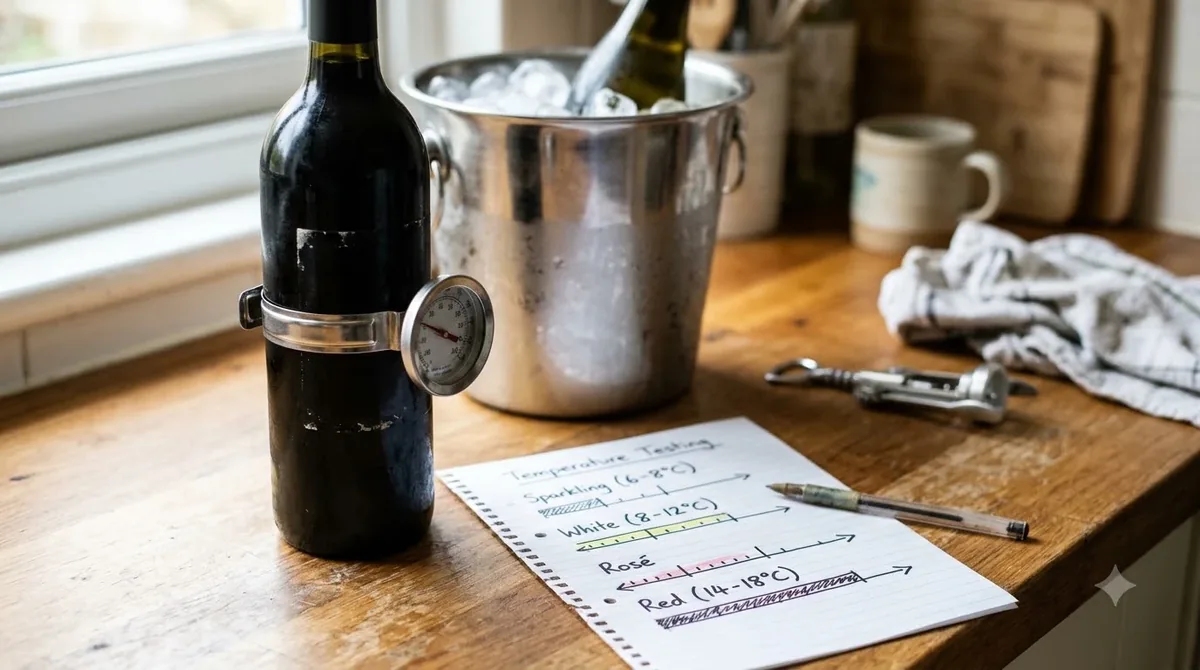
Serving temperature and glassware make a noticeable difference with a structured red like this one. Serve it slightly below room temperature, somewhere in the cool-room range, so the fruit stays lively and the tannins do not feel heavy. Pour it into a large-bowled glass, which gives the aromas room to open.
Young bottles often benefit from decanting. Pour the wine into a decanter about thirty to sixty minutes before dinner. This softens the tannins and lets the blend show more of its layers. Older bottles need gentler handling, so decant them just before serving and taste as you go, since the structure may have already softened with age.
Insignia is also a wine to serve at a measured pace. A full pour in a large glass can hide the subtle changes that happen as the wine warms in the glass, so pouring smaller amounts and returning to the bottle over the course of the meal helps you follow how it develops.
Food Pairings That Work Well
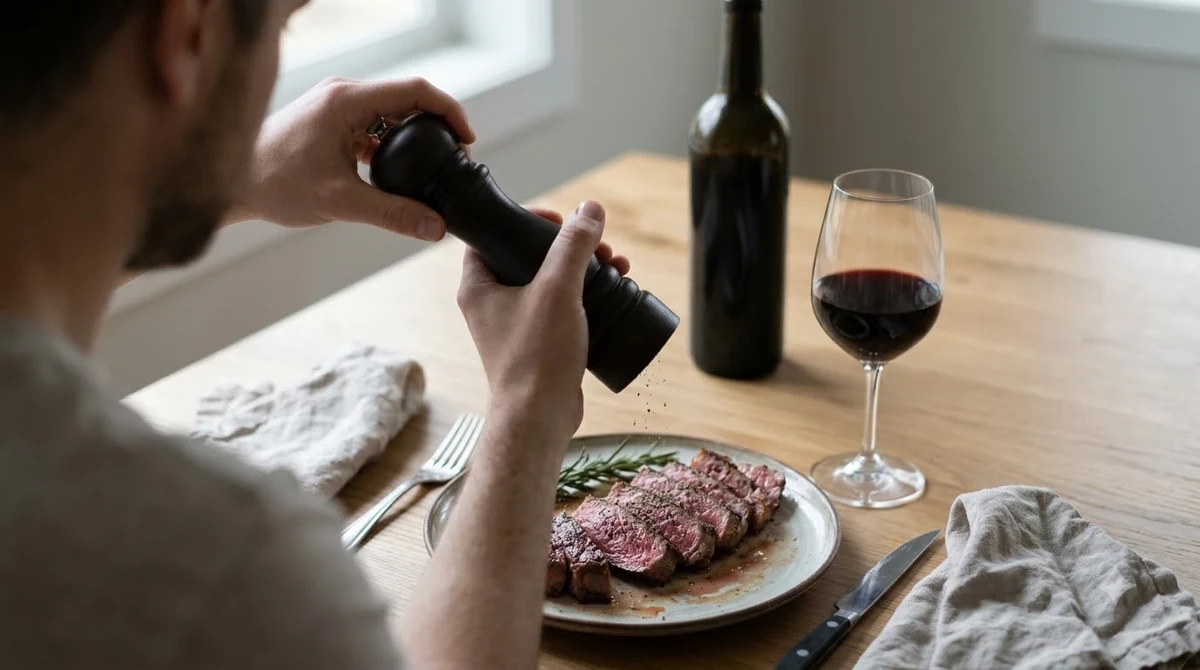
A Napa Valley blend with this kind of structure pairs well with rich, savory food. Grilled beef, lamb with rosemary, and braised short ribs all suit the wine, because the fat and protein soften the tannins while the fruit complements the meat. Mushroom dishes and roasted root vegetables also match well, especially when they carry a little smoke or herbal flavor.
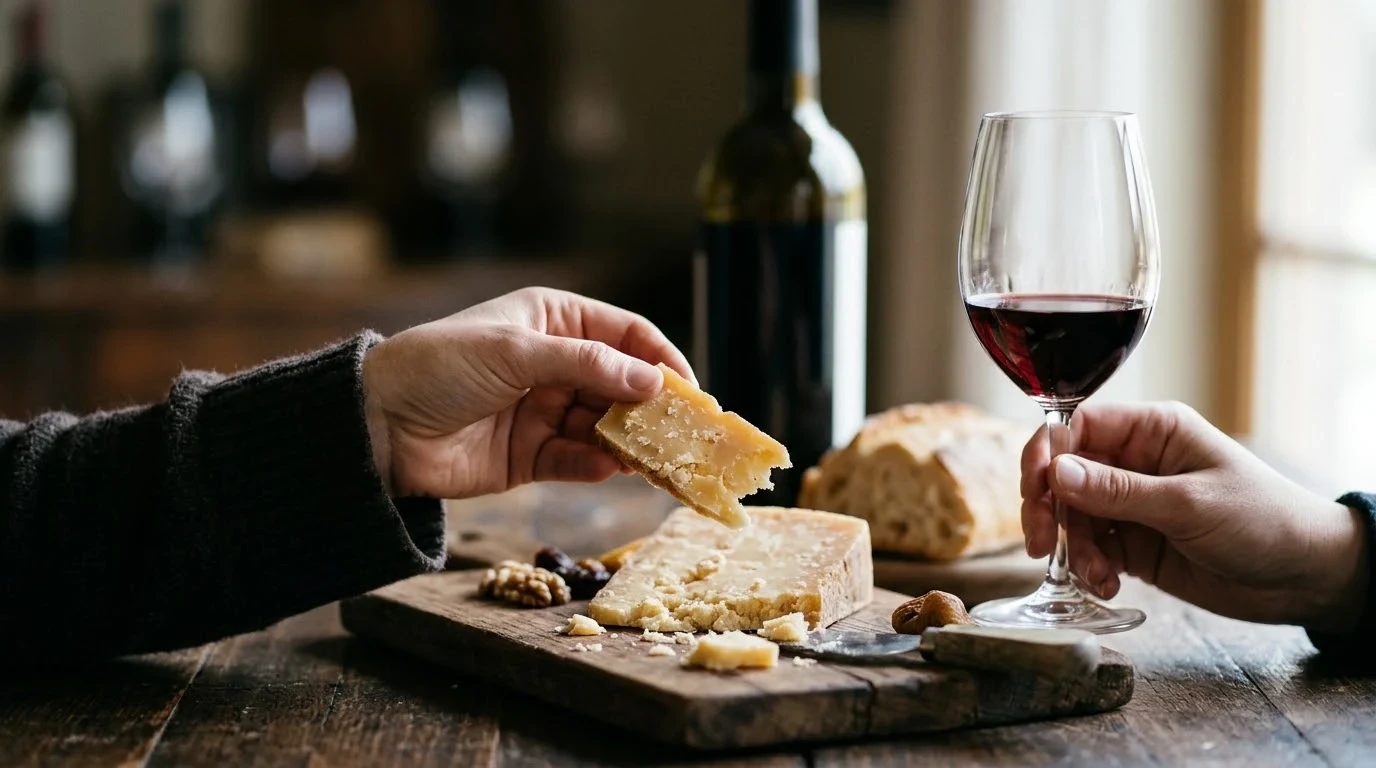
For cheese, reach for aged hard cheeses such as Parmigiano-Reggiano or aged cheddar. Their salt and crystalline texture work well with the wine’s firm finish. Dark chocolate is another good choice for dessert, as long as the chocolate is not too sweet. Avoid pairing the wine with very spicy dishes, which tend to make red wines taste harsher and emphasize the alcohol.
| Dish | Why it works |
|---|---|
| Grilled steak | Fat and protein soften the tannins |
| Lamb with rosemary | Herbal notes echo the wine’s spice |
| Mushroom risotto | Earthy flavors match the wine’s depth |
| Aged cheddar | Salt balances firm structure |
| Dark chocolate | Bitterness meets dark fruit |
Tip: If you are serving the wine with a lighter starter, choose something with acidity, such as a tomato-based dish, so the meal does not feel heavy before the main course.
Who Insignia Suits and How to Choose
Insignia suits drinkers who enjoy full-bodied reds and who want a wine that feels considered rather than casual. It is a natural choice for a holiday table, a birthday, or a dinner where the wine is part of the occasion. It is also a good fit for people who like to follow a producer’s style over several years.
It may be less appealing for those who prefer lighter, fresh reds or who want an easy weeknight bottle. If you are looking for a sweeter, softer red for casual drinking, a wine such as stella rosa red will feel very different. For a Texas comparison, the pedernales wine guide shows how another regional estate approaches red blends.
When buying, check the vintage, read the producer’s description for that year, and consider whether you plan to drink the bottle now or hold it. Young Napa blends can be enjoyed with decanting, but a bottle with a few years of age often shows more balance. The spottswoode wine guide is a helpful reference if you want to compare another Napa estate’s approach.
Frequently Asked Questions
Is Insignia wine a single grape variety?
No. Insignia is a blend, and the producer describes it as the finest from each vintage. Blends of this style usually lean on Cabernet Sauvignon with supporting Bordeaux varieties, and the proportions change from year to year.
Who makes Insignia?
Insignia is listed among the wines of Joseph Phelps Vineyards, a Napa Valley estate. The winery’s website presents it as part of its own lineup.
Should I decant Insignia before serving?
Younger bottles usually benefit from decanting for thirty to sixty minutes, which softens the tannins and opens the aromas. Older bottles can be decanted just before serving, and you should taste as you go.
What foods go best with Insignia?
Grilled beef, lamb with herbs, braised meats, and aged hard cheeses are classic partners. Avoid very spicy dishes, which can make a structured red taste harsher.
Insignia is best approached as a considered Napa Valley blend that changes with each year. Read the vintage, serve it at a cool room temperature in a large glass, and pair it with rich, savory food. With those simple steps, you can enjoy the bottle as the producer intends and decide for yourself how it fits your table.
More in Wine Brands
 Underwood Wine Price: Compare Bottles, Cans, and Pack SizesUpdated Nov 21, 2026
 Zenato Wine Price: Compare Styles and Choose the Right BottleUpdated Nov 21, 2026
 Zuccardi Wine Price: Compare Bottles and Find the Right RangeUpdated Nov 21, 2026
 Yellow Tail Moscato Review: Taste, Sweetness and Serving TipsUpdated Nov 21, 2026
 Wolf Blass Yellow Label Review: Choose Your Best StyleUpdated Nov 21, 2026
 Wolffer Estate Rose Review: Choose the Right Bottle for Your TableUpdated Nov 21, 2026