

We may earn a commission when you buy through links on this page, at no extra cost to you. Learn more.
Indiana wine country is a diverse collection of wineries and vineyards spanning southern, central, and northern Indiana, with the Indiana Uplands AVA serving as its best-known dedicated grape-growing region. Visitors can discover Traminette, Indiana’s signature white grape, alongside cold-hardy varieties, traditional European grapes, fruit wines, and locally produced blends. From the historic vineyards around Starlight and Bloomington to tasting rooms near Indianapolis and the northern lakes, Indiana offers several distinct ways to explore Midwestern wine.
Indiana might not be the first destination that comes to mind when planning a wine trip, but its winemaking history reaches back nearly two centuries. The state’s varied geography, four-season climate, agricultural traditions, and growing collection of independent producers have created a wine scene with a character of its own. Understanding the main growing regions, grape varieties, and winery destinations makes it easier to plan a rewarding visit and find bottles worth bringing home.
Indiana’s Wine Regions and Their Geographic Differences
Indiana wine country is best understood as several connected regional scenes rather than one concentrated vineyard district. Southern Indiana has the strongest historic association with grape growing, while central Indiana offers convenient winery visits around Bloomington and Indianapolis, and northern Indiana provides a different selection of cold-hardy grape varieties and agricultural destinations.
The state has two particularly important American Viticultural Areas, or AVAs. The Indiana Uplands AVA is entirely within Indiana and occupies part of the south-central region. The Ohio River Valley AVA is a larger multistate designation extending through Indiana, Ohio, and Kentucky. These designations identify grape-growing areas with distinctive geographic and climatic characteristics. They do not mean every winery in the state belongs to one of these AVAs.
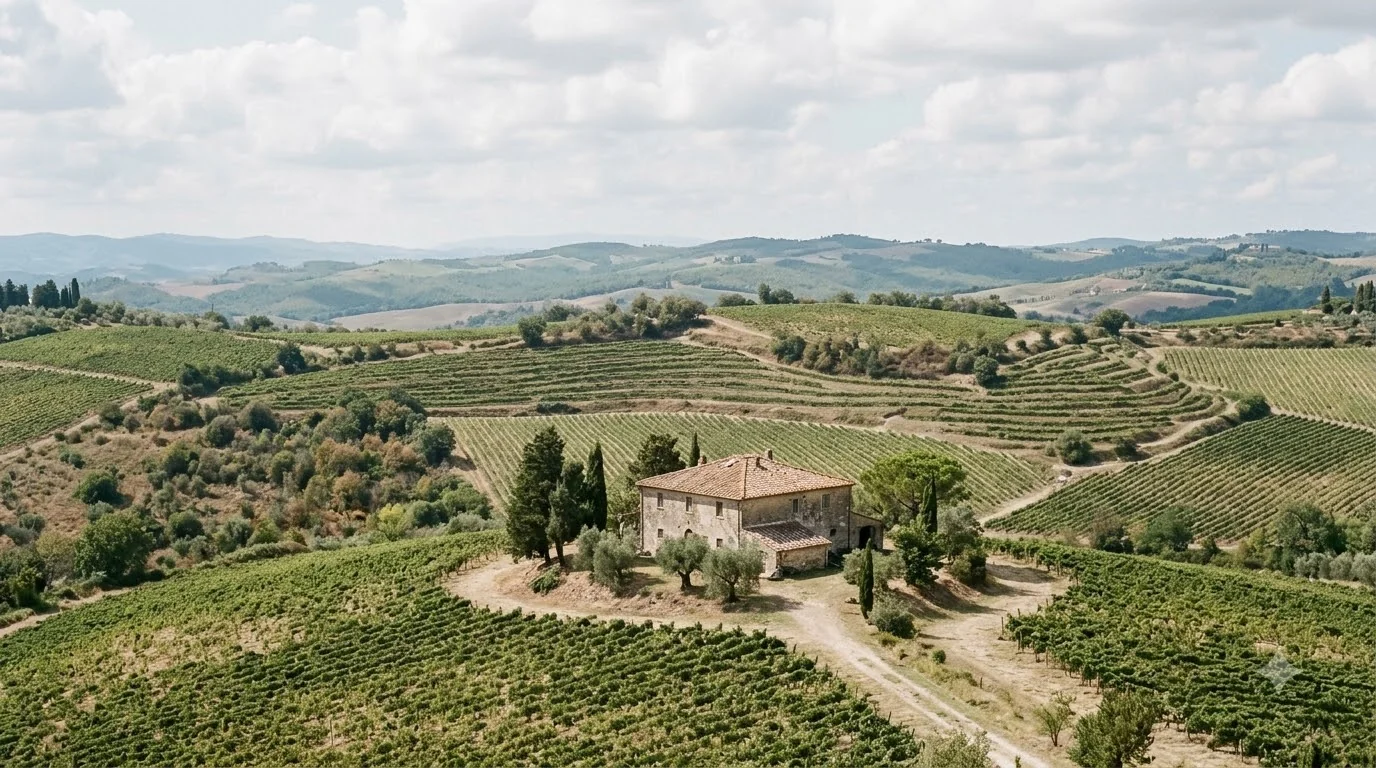
Southern Indiana is the natural starting point for visitors interested in the state’s established wine heritage. The rolling landscape around Bloomington, Brown County, Starlight, and the Ohio River provides a combination of vineyards, historic communities, scenic drives, and destination wineries. The Indiana Uplands has nine member wineries in its regional wine trail, making it a useful framework for organizing a visit.
Central Indiana offers a more accessible option for visitors staying around Indianapolis. Wineries near the metropolitan area and along the routes toward Bloomington make it possible to enjoy tastings without committing to a long countryside drive. Northern Indiana, meanwhile, has vineyards around Bristol, Steuben County, and other agricultural communities where producers work with varieties suited to colder growing conditions.
For visitors comparing destinations in different states, Indiana has an interesting contrast with Yadkin Valley wine country in North Carolina. Both regions have developed distinct identities through local growing conditions and independent producers, although their grape selections and regional histories differ. Indiana’s strongest point of distinction is its combination of Traminette, French-American hybrids, traditional varieties, and fruit-based wines.
The Indiana Uplands AVA and Its Growing Conditions
The Indiana Uplands AVA is the state’s most recognizable wine-growing designation and provides an important geographical foundation for southern Indiana wine. Its rolling plateau, varied soils, and relatively cool growing season influence vineyard management and the styles of grapes that producers can grow successfully.
According to the Indiana Uplands Wine Country organization, the region covers approximately 4,800 square miles. Its landscape includes hills, ridges, valleys, and elevated ground that survived the extensive glacial flattening experienced across other parts of Indiana. The plateau reaches approximately 1,033 feet above sea level at its northeastern peak, creating a landscape quite different from the state’s flatter agricultural areas.
Elevation matters because vineyard location influences drainage, airflow, and frost exposure. Hillsides and ridges help water move away from grapevine roots, while moving air can reduce the accumulation of cold air in vulnerable vineyard locations. These characteristics are especially useful in a region where spring frost and humid growing-season conditions can create challenges for grape growers.
The area’s soils also contribute to vineyard differences. The Indiana Uplands describes its soils as red-yellow podzolic types, ranging from silt loam to silty clay loam. Limestone, shale, and sandstone form underlying geological layers. These conditions vary from vineyard to vineyard, so two producers in the same broad region may experience different growing conditions and make noticeably different wines.
Climate is another important consideration. Indiana experiences four distinct seasons, with winters that can be demanding for grapevines and summers that provide the warmth needed for ripening. The Uplands’ comparatively cool growing season encourages gradual ripening, while breezes through elevated vineyard sites can help keep fruit drier. The region’s combination of elevation, soil, and climate is explained further in the Indiana Uplands Wine Country regional history and geography overview.
The AVA was established in early 2013, becoming the first federally recognized grape-growing region located entirely within Indiana. Its recognition gives consumers a geographical reference when identifying wines associated with the region. It also helps explain why southern Indiana’s vineyard landscape should not be treated as interchangeable with vineyards elsewhere in the state.
Traminette and the Grapes That Define Indiana Wine
Traminette is Indiana’s official grape variety and one of the clearest reasons to explore the state’s wine selection. Its aromatic character, refreshing acidity, and adaptability to Midwestern growing conditions make it a particularly useful variety for producers looking to create wines with a recognizable regional identity.
Traminette was developed at Cornell University and has Gewurztraminer parentage. It generally offers some of the floral and aromatic qualities associated with its parent variety, although its aromas and flavors are often less intense. Depending on the producer and ripeness, a bottle may suggest flowers, citrus, tropical fruit, spice, or orchard fruit.
Its sweetness varies considerably. Some Traminette wines are made in a dry style, while others retain noticeable residual sugar or have a sweeter fruit-forward profile. The variety can therefore appeal to different preferences, but the tasting description alone does not establish how sweet a particular bottle will be.
Indiana Traminette also has an interesting aging characteristic. WineAmerica notes that the variety can develop honey and apricot characteristics after two or three years of bottle aging. This makes it worthwhile to compare a younger bottling with an older one when a winery offers both. WineAmerica’s Indiana wine country profile also discusses the grape’s Gewurztraminer heritage and its importance to the state’s wine identity.
Other grape varieties contribute to the state’s range. Producers work with French-American hybrids such as Chambourcin and Vidal Blanc, traditional European varieties, and cold-hardy grapes including Brianna, La Crescent, and Marquette. The precise selection depends on the winery, vineyard location, and growing conditions.
| Grape or wine style | Typical characteristics | What to expect |
|---|---|---|
| Traminette | Aromatic, floral, medium to high acidity | Flowers, citrus, spice, apricot |
| Vidal Blanc | Fresh acidity, adaptable style | Citrus, orchard fruit, occasional sweetness |
| Chambourcin | Red French-American hybrid | Red fruit, moderate structure, earthy notes |
| Marquette | Cold-hardy red grape | Cherry, dark fruit, spice |
| La Crescent | Aromatic white hybrid | Apricot, citrus, tropical fruit |
| Brianna | Cold-hardy white grape | Fresh fruit, floral notes, sometimes sweetness |
Fruit wines also deserve attention. Indiana producers have access to a broad agricultural base, and some wineries use apples, berries, and other locally available fruit to create wines outside the conventional grape categories. These bottles can be particularly appealing to visitors who prefer sweeter, fruit-driven flavors.
When choosing a tasting flight, compare a dry Traminette with a sweeter version, then try a red hybrid such as Chambourcin or Marquette. This approach reveals how different grape varieties respond to Indiana’s growing conditions and gives a clearer sense of the state’s overall wine identity.
Historic Indiana Wineries Worth Visiting
Indiana’s most established winery destinations combine regional history with different approaches to grape growing and hospitality. Huber Winery, Oliver Winery, and Winzerwald Winery provide three useful starting points because they represent distinct locations, histories, and wine styles.
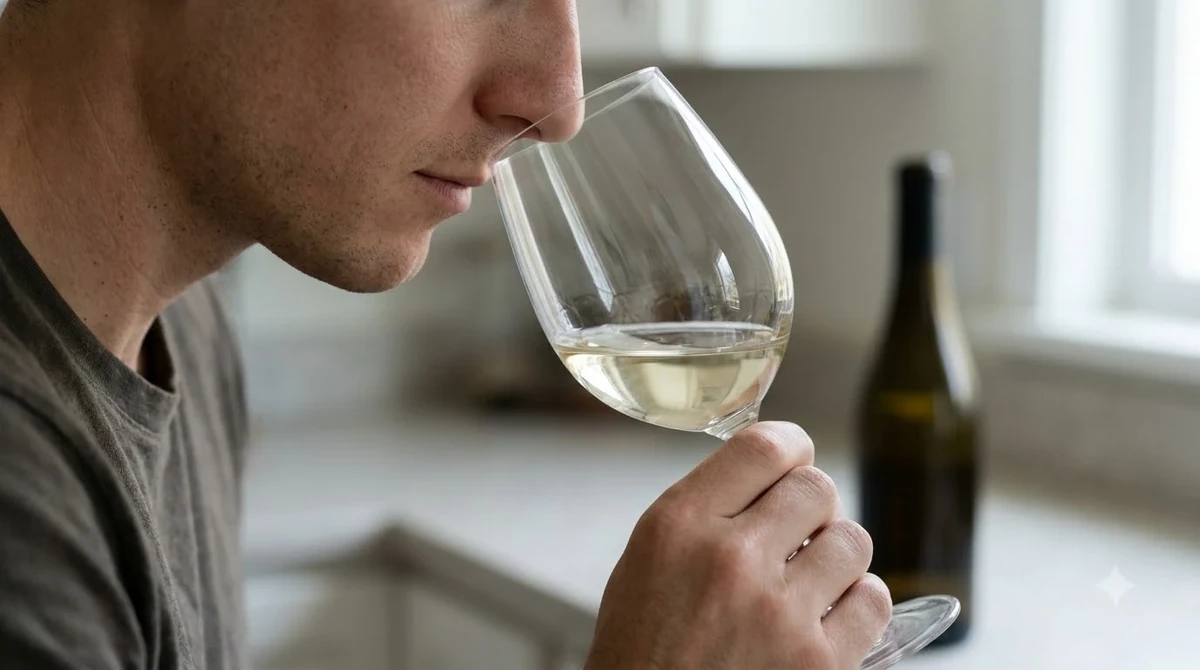
Oliver Winery in Bloomington is one of the state’s best-known wine producers. WineAmerica identifies its establishment in 1972 and places it among the 30 largest wineries in the United States. The winery offers a broad selection of wine styles and collections, providing visitors with an opportunity to explore more than a single grape variety or production approach.
Oliver is particularly useful for first-time visitors who want an introduction to Indiana’s commercial wine industry. Its Bloomington location also makes it a convenient stop when combining a winery visit with restaurants, cultural attractions, and outdoor activities in the surrounding area.
Huber Winery in Starlight connects the present-day wine scene with Indiana’s nineteenth-century agricultural history. The Huber family’s vineyard planting in the 1840s helped establish the area’s grape-growing tradition. WineAmerica describes the family operation as a seventh-generation farm covering 700 acres, with winery, distillery, farm market, ice cream shop, and family attractions.
Huber is a strong destination for visitors who want more than a conventional tasting-room experience. The agricultural setting provides additional context for understanding how wine production fits into the wider farming traditions of southern Indiana. Its long family history also makes it an especially meaningful stop for anyone interested in the development of the state’s wine industry.
Winzerwald Winery in Bristow takes a different approach, drawing inspiration from German wine culture. The winery opened in 2002 and expanded its tasting room and restaurant in 2018. Its 55-acre property sits along a ridge in the Indiana Uplands AVA, and its production includes German-inspired wines, American grapes, French-American hybrids, and fruit wines.
Winzerwald is particularly interesting for visitors who want to compare traditional grape wines with distinctive regional specialties. Its offerings include spiced and herbed wines such as Gluhwein and Mai Wein. The property also has a restaurant, indoor and outdoor seating, and a tasting room, while production tours can be arranged by appointment.
Other Uplands destinations add further variety. Brown County Winery offers a route into the wine scene around Nashville, while Butler Winery provides another Bloomington-area option. French Lick Winery connects wine tasting with the resort area around West Baden Springs. Owen Valley Winery and Turtle Run Winery provide additional opportunities to explore the region beyond its best-known names.
Northern and Central Indiana Wine Destinations
Indiana’s wine scene extends well beyond the southern Uplands. Northern and central producers demonstrate how local agriculture, climate, and visitor preferences influence winery styles in different parts of the state.
In northern Indiana, Farm Hills Winery & Orchard in Bristol is an interesting example of a producer working with cold-hardy grape varieties. WineAmerica identifies Brianna, La Crescent, and Marquette among its selections, alongside Traminette. These grapes are important because they provide alternatives for growers dealing with colder winters and shorter growing seasons.
The northern region is particularly suitable for visitors who enjoy combining wine tasting with countryside excursions and agricultural attractions. Its landscape includes farms, orchards, and communities around the northern lakes. Rather than expecting the same vineyard conditions found in southern Indiana, visitors can use these differences to understand why the state’s wineries produce such varied selections.
Central Indiana is convenient for visitors based in Indianapolis or traveling through the state. The metropolitan area and its surrounding countryside offer tasting rooms and winery destinations that can be incorporated into a shorter outing. Mallow Run Winery and other producers around the Indianapolis region provide opportunities to experience Indiana wine without driving all the way to the Ohio River.
Bloomington is another useful base. Its proximity to Oliver Winery, Butler Winery, and the wider Uplands region makes it possible to plan a combination of urban dining, countryside drives, and winery visits. Visitors can also compare Indiana’s agricultural identity with other American wine destinations, including Hill Country vineyards, where climate, geography, and local grape choices create a different regional style.
For anyone seeking a broader introduction to American wine geography, the Wine Regions resource provides additional context for understanding AVAs, growing climates, and regional wine identities. Knowing the distinction between a winery’s physical location and the AVA associated with its grapes can make tasting-room conversations more informative.
Planning an Indiana Wine Country Weekend
A successful Indiana wine trip begins with choosing one geographical area rather than trying to cover the entire state. Southern Indiana is the strongest choice for a dedicated wine weekend, while central Indiana works well for shorter visits and northern Indiana suits travelers interested in cold-hardy grape varieties and agricultural attractions.
For a first southern Indiana itinerary, Bloomington makes a practical starting point. Visitors can begin with Oliver Winery, explore the local dining scene, and then plan a second day around the Brown County or Ohio River destinations. This approach keeps driving manageable while allowing enough time to enjoy each tasting room.
The Indiana Uplands Wine Trail offers a useful organizational framework. Its nine member wineries are spread across the region, so the trail should be treated as a collection of destinations rather than a single continuous route. The participating wineries include Best Winery, Brown County Winery, Butler Winery, French Lick Winery, Huber Winery, Oliver Winery, Owen Valley Winery, Turtle Run Winery, and Winzerwald Winery.
Visitors should confirm opening days, tasting availability, reservations, and event schedules before departure. Some wineries offer walk-in tastings, while others arrange particular experiences or production tours by appointment. Restaurant availability, outdoor seating, and special events can also influence the best order for visiting.
Tip: Plan no more than two or three winery tastings in a day, arrange a designated driver, and leave time for meals and sightseeing. If a winery offers a flight featuring Traminette, compare it with a dry white or red hybrid to understand the range of Indiana-grown grapes.
A practical weekend might look like this:
- Day one: Start in Bloomington with a visit to Oliver Winery, enjoy lunch in town, and add Butler Winery if its schedule fits your plans.
- Day two: Drive toward Brown County or Starlight to visit Brown County Winery or Huber Winery, allowing time for local restaurants and countryside attractions.
- Optional extension: Include Winzerwald Winery near Bristow if you want to explore German-inspired wine styles and a winery restaurant.
Wine tasting should be approached as a comparison rather than a race through as many stops as possible. Ask about grape varieties, vineyard locations, sweetness levels, and production techniques. A short conversation with a tasting-room team can explain why a Traminette from one producer tastes different from another, or why a hybrid red is better suited to a particular vineyard site.
Seasonality matters, too. Spring and fall offer opportunities to enjoy the countryside during changing vineyard conditions, while summer brings outdoor seating and event possibilities. Winter visits can be appealing for indoor tastings and seasonal spiced wines, particularly at producers with German-inspired selections.
Indiana Wine Pairings and Serving Tips
Indiana wines work with a broad range of foods, particularly when their sweetness, acidity, and tannin levels are considered. Traminette, crisp white hybrids, lighter reds, and fruit wines each have different pairing strengths, so matching the wine’s structure with the food is more useful than relying on grape names alone.
Traminette is a natural partner for aromatic dishes and moderately spicy food, particularly when the wine retains some sweetness. Try it with grilled chicken, pork tenderloin, mildly spiced Asian dishes, or a cheese board featuring creamy cheeses. A dry version can also complement roasted vegetables and fresh herbs.
Vidal Blanc and other refreshing white wines are useful with seafood, salads, and lighter poultry dishes. Their acidity can cut through creamy sauces and refresh the palate between bites. With highly acidic foods such as vinaigrette-based salads, choose a wine with equal or higher acidity so that the wine does not taste flat.
Chambourcin and Marquette can work well with grilled meats, roasted mushrooms, burgers, and tomato-based dishes. These red varieties offer a different structure from the powerful Cabernet Sauvignon styles associated with some warmer wine regions. If a particular bottling has noticeable tannin, salt and fat in foods such as aged cheese, steak, or roasted pork can soften the sensation.
Fruit wines are useful with desserts, but the wine should generally be at least as sweet as the food. A sweet berry wine may complement fruit tarts, chocolate desserts, or a cheese course with preserves. A dry wine paired with a very sweet dessert can seem unusually sour or bitter.
Temperature also affects the tasting experience. Light whites and rosés are generally best served at 45–50 F, while fuller white wines benefit from approximately 50–55 F. Light reds can be served at 55–60 F, and fuller-bodied reds at 60–65 F. Sweet white wines are usually enjoyable at 43–50 F.
For storage, keep unopened bottles on their sides in a cool, dark location near 55 F when practical. After opening, refrigerate still wines and aim to enjoy them within three to five days. Sparkling wine generally retains its best qualities for one to three days after opening when properly sealed.
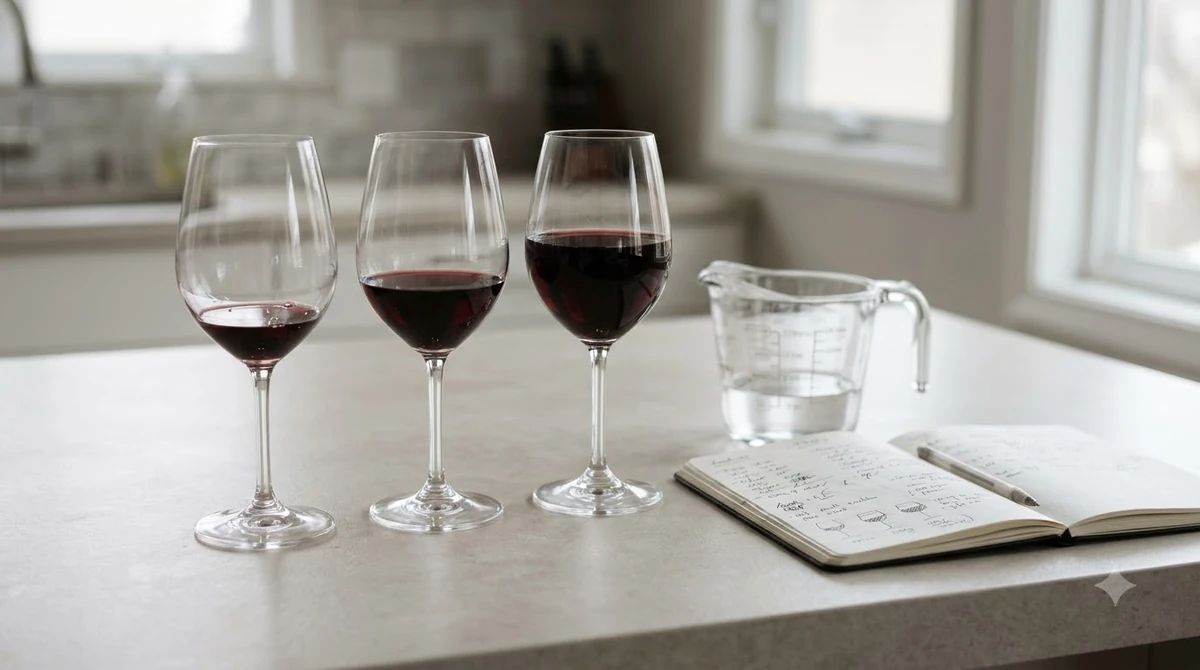
For a tasting flight, use modest pours and take notes on aroma, sweetness, acidity, and finish. A standard restaurant pour is approximately 5 ounces, and a 750-milliliter bottle contains about five such glasses. These reference points help when comparing wines and deciding which bottles deserve space in your travel collection.
Frequently Asked Questions
What is the oldest wine-growing tradition in Indiana?
The Huber family’s vineyard planting in Starlight during the 1840s is an important starting point for the documented Indiana Uplands wine tradition. By 1880, the region was responsible for approximately one-quarter of Indiana’s wine production. This history makes the Starlight area especially significant for visitors interested in the state’s agricultural heritage.
Does Indiana have an official state grape?
Yes. Traminette is Indiana’s official grape variety. It was developed at Cornell University and has Gewurztraminer parentage. Its ability to grow in Indiana conditions and its distinctive aromatic character have helped make it a recognizable part of the state’s wine identity.
Can Indiana Traminette improve with bottle age?
Yes. WineAmerica reports that Traminette can develop honey and apricot characteristics after two or three years of bottle aging. The development depends on the wine’s production style, storage conditions, and individual bottle. Comparing bottles of different ages can reveal how the variety changes over time.
What is the difference between an AVA and a wine trail?
An American Viticultural Area is a federally recognized grape-growing geographical designation based on regional characteristics. A wine trail is a visitor-oriented collection of wineries that can be explored through a planned route or regional itinerary. The Indiana Uplands AVA and Indiana Uplands Wine Trail are connected, but they describe different things.
How did Indiana’s modern small-winery industry develop?
The Indiana Small Winery Act of 1971 helped encourage the growth of smaller wine producers across the state. The Indiana Winery and Vineyard Association was established in 1975 to represent and support the industry. These developments contributed to the expansion of Indiana’s modern winery scene beyond its earlier historic centers.
Indiana wine country rewards visitors who approach it as a collection of regional experiences rather than a single destination. From the historic Uplands vineyards to northern cold-hardy grape producers, the state offers an interesting selection of wines, landscapes, and family-run agricultural attractions. Start with Traminette, explore a few established wineries, and allow the diversity of Indiana’s producers to shape the rest of the trip.
More in Wine Regions
 Willcox Wine Trail: Discover Arizona’s High-Elevation Wine CountryUpdated Nov 20, 2026
 Yakima Valley Wine Region: Find the Best Styles to TryUpdated Nov 20, 2026
 Vosne Romanee Wine Tasting: Identify Aromas and Choose Better PairingsUpdated Nov 20, 2026
 Yakima Valley Wine Festival: Find the Best Seasonal Wine EventsUpdated Nov 20, 2026
 Wales Vineyards: Discover Cool-Climate Wines and Where to VisitUpdated Nov 20, 2026
 Yountville Wine Festival: Discover Napa Wines and Local FoodUpdated Nov 20, 2026