

We may earn a commission when you buy through links on this page, at no extra cost to you. Learn more.
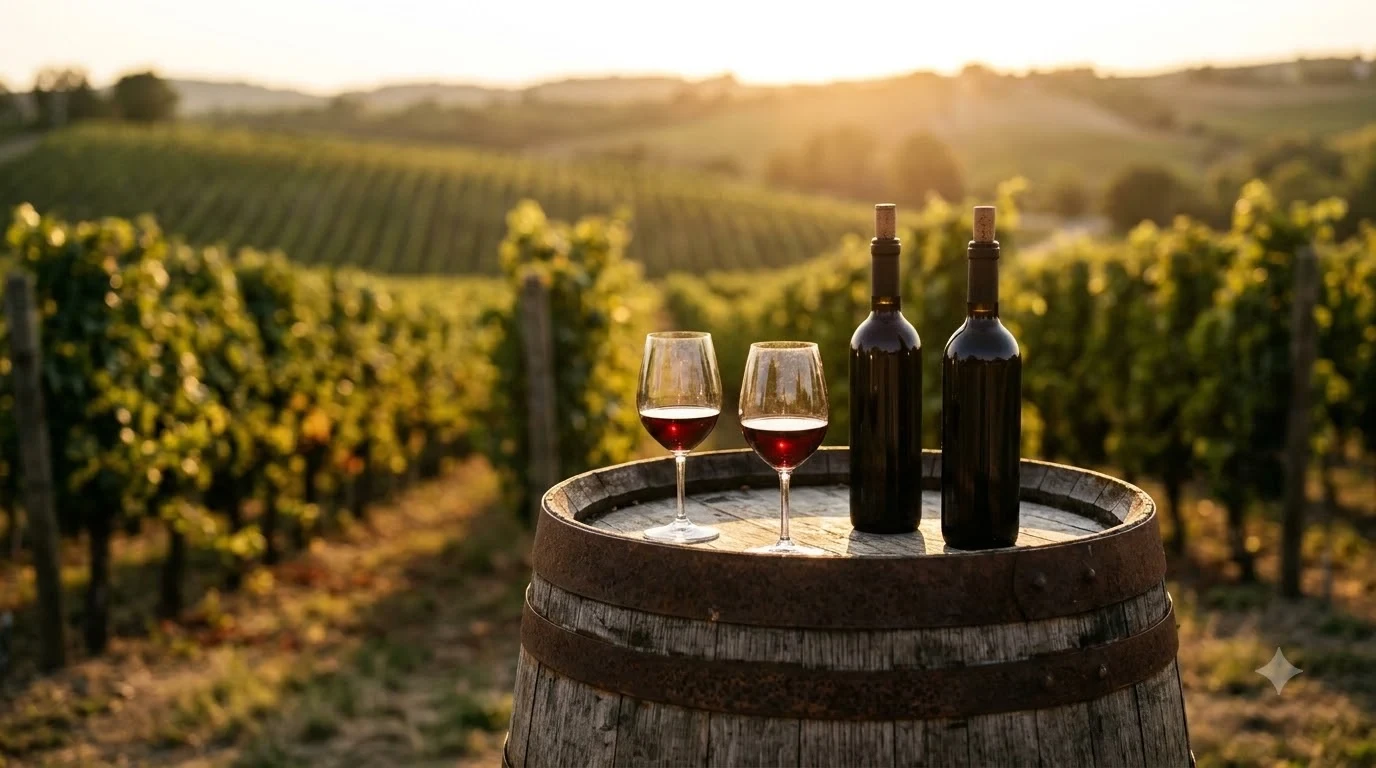
Indiana vineyards are concentrated primarily in southern and central Indiana, where rolling hills, cold-hardy grape varieties, and distinctive growing conditions support a diverse local wine industry. The Indiana Uplands AVA is the state’s best-known designated wine region, producing wines from grapes such as Chambourcin, Seyval Blanc, Norton, and Traminette. Visitors can explore historic family wineries, countryside tasting rooms, and wine trails while discovering a regional wine culture that stretches back more than 200 years.
Indiana might not be the first state that comes to mind when planning a wine-country visit, but its vineyards offer plenty of reasons to explore. From the historic Ohio River communities near Vevay to the elevated landscapes around Bloomington and the small wineries of southern Indiana, the state has developed a recognizable wine identity. Understanding its geography, grape varieties, and regional differences makes it easier to choose bottles and plan a rewarding winery visit.
Indiana’s Wine Country and the Indiana Uplands AVA
Indiana’s strongest concentration of vineyard activity lies in the southern and central parts of the state, particularly around the Indiana Uplands. This designated American Viticultural Area provides a useful starting point for understanding how Indiana’s landscape influences its wines.
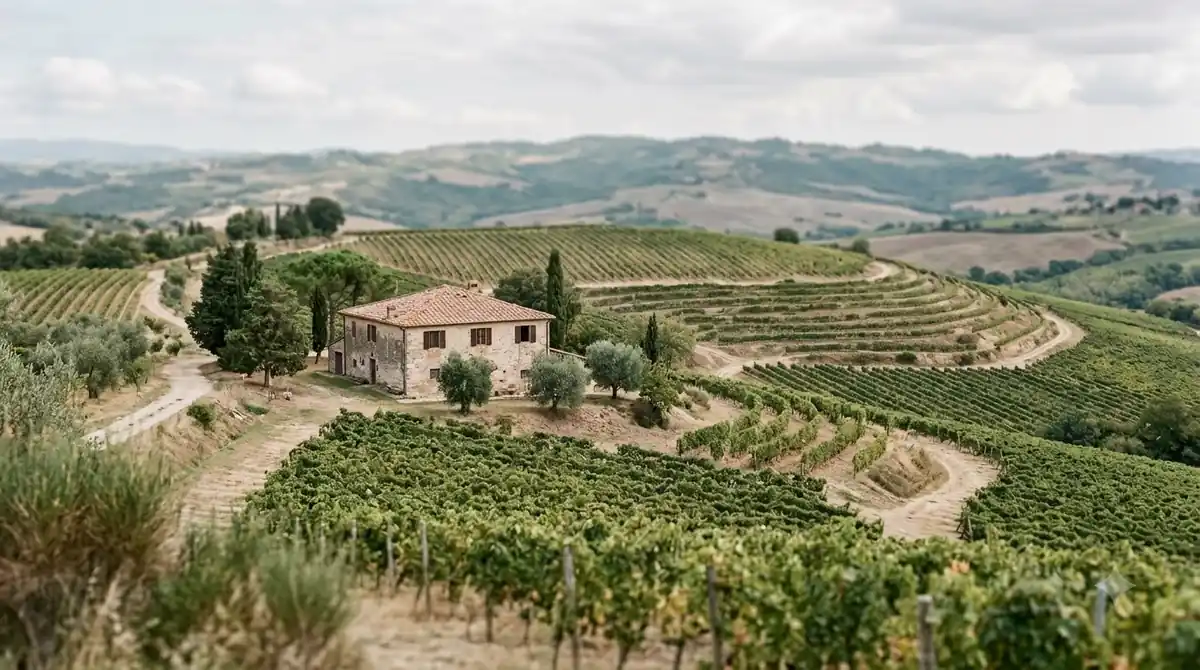
The Indiana Uplands covers approximately 4,800 square miles in south-central Indiana, stretching between the Bloomington area and the Ohio River. Unlike much of northern Indiana, this landscape escaped the flattening effects of advancing glaciers during the last Ice Age. Its surviving hills, ridges, and valleys create a distinctive environment for agriculture and grape growing.
The Uplands became Indiana’s first AVA entirely within state boundaries in February 2013. An American Viticultural Area is a federally recognized grape-growing region distinguished by geographical features such as climate, soil, elevation, and topography. It does not guarantee a particular wine style or quality level, but it identifies a place with characteristics that distinguish it from surrounding areas.
The Indiana Uplands contains approximately 200 acres under grape cultivation, according to Wine Enthusiast’s regional overview. That figure represents a relatively small vineyard footprint compared with major American wine regions, but it reflects the area’s specialized agricultural character.
The Indiana Uplands Wine Country trail was founded in 2003 to connect wineries and make southern Indiana easier to explore. Its nine member wineries provide a convenient introduction to the area’s wine producers, although the trail is a collection of destinations rather than one continuous vineyard road.
Indiana’s broader wine industry extends beyond the AVA. Northern Indiana, central Indiana, and communities along the Ohio River also have wineries, tasting rooms, and vineyards. Travelers interested in exploring beyond the Uplands can compare the state’s wine culture with established international destinations such as Chianti Classico vineyards, where geographical designation and local grape traditions also play an important role.
Climate, Elevation, and Soil Conditions
Indiana’s climate presents genuine challenges for grape growers, but its hills, elevation changes, and carefully selected grape varieties help make commercial viticulture possible. The contrast between southern and northern Indiana is particularly important when determining which varieties can ripen successfully.
The Indiana Uplands has an unglaciated plateau landscape with elevations reaching approximately 1,033 feet above sea level. Its hillsides and ridges provide natural drainage, while air movement helps reduce the accumulation of cold air around vines. These features can lower the risk of damaging spring and fall frosts compared with poorly drained valley-floor locations.
Soil composition also varies across the region. Indiana Uplands vineyards grow in soils that include silt loam and silty clay loam, with underlying limestone, shale, and sandstone. These geological materials contribute to differences in drainage and growing conditions from one vineyard site to another.
The region experiences four distinct seasons and a relatively cool growing season. That combination requires producers to pay attention to winter temperatures, frost dates, summer rainfall, and the time needed for grapes to reach maturity. Excessive moisture during ripening can also increase fungal disease pressure.
Purdue University identifies several important differences between northern and southern Indiana. Southern Indiana generally has approximately 190 to 200 frost-free days, while northern Indiana has around 150 to 160. Growing degree-day accumulation is also higher in the south, with approximately 3,800 degree days compared with 2,500 in the north.
These differences explain why a grape variety that performs well near the Ohio River may struggle farther north. Late-ripening red grapes generally need more accumulated heat, while earlier-ripening white grapes can be better suited to cooler locations. Purdue University’s guide to grape varieties for Indiana explains how winter hardiness, frost exposure, ripening time, and disease resistance influence variety selection.
| Growing condition | Southern Indiana | Northern Indiana |
|---|---|---|
| Typical frost-free period | 190–200 days | 150–160 days |
| Growing degree days | Approximately 3,800 | Approximately 2,500 |
| General growing advantage | Longer ripening window | Earlier-ripening varieties |
| Major growing challenge | Humidity and rainfall | Shorter season and winter cold |
These are regional growing estimates rather than guarantees for individual vineyards. Elevation, slope orientation, soil drainage, vine management, and local weather can produce meaningful differences between neighboring properties. A well-positioned vineyard in northern Indiana may perform differently from a low-lying site farther south.
Indiana’s Most Important Wine Grape Varieties
Indiana’s wine identity is closely connected to cold-hardy American and French-American hybrid grapes. These varieties offer growers a better chance of achieving reliable harvests under Midwestern winter conditions than many traditional European wine grapes.
French-American hybrids combine characteristics of European wine grapes with genetic contributions from American grape species. This breeding history has helped produce varieties with improved resistance to cold temperatures and certain vineyard diseases. Purdue University identifies French hybrids as the main category used for wine production in Indiana.
Chambourcin is particularly important for red wine production in the Indiana Uplands. It is known for producing wines with dark fruit flavors, moderate structure, and enough acidity to work with a range of foods. Depending on ripeness, winemaking, and oak treatment, its profile can include blackberry, cherry, plum, and earthy notes.
Norton is another important red grape associated with Indiana wine. It is an American variety that can produce deeply colored wines with dark berry, spice, and sometimes earthy characteristics. Its naturally distinctive structure makes it an interesting option for drinkers who want something different from familiar Cabernet Sauvignon or Merlot.
On the white-wine side, Seyval Blanc is especially significant. It is the most widely planted white-wine grape identified in the Indiana Uplands by Wine Enthusiast. Dry examples can show crisp acidity, citrus, green apple, and herbal characteristics. Huber Winery’s Seyval Blanc, made with grapes from the Knobstone Escarpment, offers an example of this dry, refreshing style.
Other grapes worth recognizing
Indiana growers also work with Traminette, Vignoles, Vidal Blanc, Marquette, Noiret, and other hybrid varieties. Traminette is particularly interesting because it can produce aromatic wines with floral and spice characteristics. Depending on the producer, it may be made dry, off-dry, or sweet.
Vignoles is frequently associated with aromatic white wines that can range from refreshing and relatively dry to richly sweet. Vidal Blanc is another adaptable white variety, capable of producing crisp table wines and sweeter styles. Marquette and Noiret provide additional options for red-wine production in colder growing environments.
Not every winery grows every grape, and blends are an important part of the regional identity. A producer may combine varieties to balance acidity, fruit intensity, tannin, and body rather than relying on a single grape.
Tip: When exploring Indiana wines, begin with a dry Seyval Blanc, a Chambourcin red, and an aromatic Traminette. These three styles provide a useful introduction to the state’s white, red, and aromatic wine traditions.
For a broader understanding of how grape varieties and regional growing conditions shape wine, explore our Wine Regions resource.
Historic Indiana Vineyards and the State’s Wine Industry
Indiana has a much longer winemaking history than its modern reputation might suggest. Its commercial wine tradition began in the early 19th century, experienced major interruptions, and later developed into a statewide network of family wineries and larger producers.
One of the earliest important wine-growing communities developed around Vevay in southeastern Indiana. Swiss immigrant John James Dufour established vineyards in the area after arriving in the early 1800s. By 1802, his family was cultivating vines in the settlement that became associated with New Switzerland.
Within the following two decades, the Vevay area’s wine production reportedly reached approximately 12,000 gallons annually. The community sold wine locally and to neighboring states, helping establish Indiana as an early center of American commercial viticulture.
The Indiana Uplands developed another important chapter of the state’s wine history. The Huber family planted vineyards in Starlight during the 1840s, contributing to a wine-growing tradition that continued into the following century. By 1880, the Uplands accounted for approximately one-quarter of Indiana’s wine production.
Prohibition brought a major interruption to commercial winemaking, and many traditional vineyard operations disappeared. The industry began rebuilding during the 1960s and 1970s as producers established new vineyards and legislation allowed small commercial wineries to operate.
Oliver Winery was an important part of this revival. Indiana University law professor William Oliver began making wine as a hobby during the 1960s, eventually opening a commercial winery in 1972. The business grew from its beginnings northwest of Bloomington into one of Indiana’s most recognized wine producers.
Indiana’s contemporary wine industry is considerably larger than its early regional roots. The Indiana Business Research Center reported more than 100 wineries, cideries, and meaderies operating across the state, with annual wine production exceeding one million gallons. The industry now supports agriculture, hospitality, distribution, tourism, and related businesses.
Indiana’s history also provides an interesting comparison with other developing wine destinations. Regions such as Uruguay vineyards demonstrate how local growing conditions and distinctive grape traditions can shape a wine identity outside the most internationally famous producing countries.
Notable Indiana Wineries and Places to Visit
The best way to understand Indiana wine is to visit producers with different vineyard locations, grape selections, and winemaking traditions. The Indiana Uplands trail provides a useful framework, while wineries elsewhere in the state offer additional perspectives.
Oliver Winery
Located near Bloomington, Oliver Winery is one of the state’s best-known producers. Its commercial history began in 1972, following William Oliver’s early winemaking activities. The winery developed into a significant regional business, with a broad portfolio that reaches beyond traditional dry table wines.
Oliver is a useful stop for visitors interested in understanding the scale and commercial development of Indiana wine. Its history connects the revival of the state’s wine industry with the growth of modern tasting-room tourism.
Huber Winery
Huber Winery in Starlight has particularly strong historical connections to Indiana viticulture. The Huber family’s vineyard story began in the 1840s, and the present-day winery carries forward that agricultural heritage.
Visitors interested in regional grape varieties should look for Seyval Blanc and other locally adapted wines. The property’s agricultural background also makes it a good example of how vineyards can form part of a broader farm operation.
Butler Winery
Butler Winery in Bloomington is another significant producer within the Indiana Uplands. Its winemaking approach includes hybrid grapes that suit the region’s growing conditions.
One notable example is Caverns, a vintage red blend made from Chambourcin and Norton. This combination demonstrates how Indiana producers can use locally adapted red varieties to create wines with distinctive regional character.
Winzerwald Winery
Winzerwald Winery is located in Bristow, within the Indiana Uplands. The property covers 55 acres along a ridge and combines German-inspired winemaking traditions with Midwestern grape-growing conditions.
Its portfolio includes wines made from German-style varieties, American grapes, French-American hybrids, and locally produced fruit. The winery also offers styles such as Glühwein and Mai Wein, making it an interesting destination for visitors looking beyond conventional table wines.
Other Uplands destinations
The wider Indiana Uplands Wine Country trail also includes Brown County Winery, Best Vineyards, French Lick Winery, Owen Valley Winery, and Turtle Run Winery. Their different locations provide opportunities to compare the atmosphere, wine selections, and hospitality of individual producers.
Because wineries operate independently, opening hours, tasting availability, tour arrangements, and seasonal events can vary. Checking individual winery websites before traveling helps avoid unnecessary detours, particularly when visiting several properties in one day.
Planning an Indiana Vineyard Visit
Indiana wine country is best explored at a relaxed pace, with a little preparation before leaving for the countryside. Spring, summer, and fall each provide different experiences, but autumn is especially interesting for visitors who want to see harvest activity and seasonal winery events.
Spring brings fresh vineyard growth and changing countryside scenery. It can also provide an opportunity to visit tasting rooms before the busiest summer tourism period. However, early spring weather can be unpredictable, and vineyard work may be more prominent than visitor-focused activities.
Summer is suitable for enjoying outdoor seating, vineyard views, and winery events. The growing season is active, and visitors can see the vines developing toward harvest. Southern Indiana’s hills and countryside provide attractive settings for a day trip from Bloomington or other nearby communities.
Fall is a particularly rewarding season because grape harvest and winemaking activity become central to the vineyard calendar. Harvest dates vary according to grape variety, vineyard location, and weather. Early-ripening whites may be picked before later-ripening red varieties, so not every winery will be harvesting simultaneously.
For a first trip, concentrating on two or three wineries is generally more practical than trying to visit every member of the Uplands trail in one day. A route that includes Bloomington, Starlight, or the surrounding southern Indiana countryside can provide a good introduction to the region.
What to expect during a tasting
Indiana tasting rooms may offer flights, individual glasses, bottle purchases, vineyard views, and occasional food service. Some producers focus on traditional grape wines, while others include fruit wines, sweeter selections, or sparkling styles.
Start by sampling a dry white wine before moving to aromatic or sweeter whites. Follow with lighter reds and then fuller-bodied red blends. This order helps prevent sweeter wines and stronger tannins from dominating the palate early in a tasting.
Serving temperature also affects how a wine tastes. Light whites and rosé generally show well at 45–50°F, while full-bodied whites are often best around 50–55°F. Light reds benefit from approximately 55–60°F, and fuller reds generally work well at 60–65°F.
For anyone planning to bring bottles home, remember that standard 750-milliliter bottles provide approximately five 5-ounce servings. Store bottles intended for longer keeping on their sides in a cool location near 55°F, away from direct sunlight and temperature fluctuations.
Responsible planning matters, too. Visitors who intend to sample wine at multiple properties should arrange transportation in advance and avoid driving after drinking.
Indiana Wines, Food Pairings, and What to Buy
Indiana wines offer plenty of food-pairing possibilities, particularly when their acidity, sweetness, tannin, and body are considered. Hybrid whites, aromatic varieties, and medium-bodied reds can complement many familiar Midwestern dishes.
Dry Seyval Blanc is a natural starting point for lighter meals. Its acidity and fresh fruit character can work with grilled chicken, freshwater fish, salads, and goat cheese. Its herbal notes also complement dishes featuring fresh herbs, lemon, and lightly seasoned vegetables.
Traminette is a versatile choice for aromatic food pairings. Its floral and spice characteristics can complement roasted poultry, mildly spiced Asian dishes, and soft cheeses. Off-dry examples can also balance moderate chili heat more effectively than strongly alcoholic or heavily tannic wines.
Chambourcin pairs particularly well with grilled pork, roasted vegetables, burgers, and tomato-based dishes. Its fruit character and moderate tannin make it approachable alongside foods that might overwhelm a very delicate red wine.
Norton generally suits more substantial dishes. Consider grilled beef, smoked meats, barbecue, and dishes featuring mushrooms or roasted root vegetables. The wine’s structure and darker fruit profile can complement savory flavors without requiring the intensity of a heavily extracted Cabernet Sauvignon.
For sweet Indiana wines, fruit desserts and moderately sweet pastries provide good options. The basic pairing principle is to select a wine at least as sweet as the dessert. Otherwise, the wine can taste noticeably sour or thin beside the food.
Cheese is another useful pairing category. Soft cheeses can work with aromatic whites, while firmer cheeses and aged varieties often complement structured red wines. Salt and fat can soften the perception of tannin, making certain red wines more approachable alongside rich foods.
When choosing bottles, consider buying different styles rather than several bottles of the same wine. A dry white, an aromatic white, and a local red blend provide a practical introduction to Indiana’s range. This approach also makes it easier to discover which grape varieties best match personal preferences.
Indiana wine is not defined by one universal flavor profile. Individual wineries produce different combinations of dry, off-dry, sweet, sparkling, and fruit-based wines. Exploring those differences is part of what makes the state’s wine scene interesting.
Frequently Asked Questions
Does Indiana have more than one American Viticultural Area?
Yes. The Indiana Uplands is entirely within Indiana, while the Ohio River Valley AVA extends across Indiana, Ohio, and Kentucky. These designations describe different geographical growing areas and are not interchangeable with individual winery locations.
What does the term Hoosier wine mean?
Hoosier wine is an informal expression for wine associated with Indiana and its local producers. The term reflects the state’s nickname, Hoosier, rather than a legally defined wine classification. It can describe traditional grape wines as well as locally produced fruit wines.
Can Indiana wineries produce sparkling wine?
Yes. Indiana’s naturally high-acidity hybrid grapes can be suitable for sparkling wine production. Producers can use different production methods, including tank fermentation and traditional bottle fermentation, depending on the intended style.
What is Indiana’s signature white grape?
Traminette is often promoted as Indiana’s signature grape and is particularly recognizable for its aromatic character. However, Seyval Blanc is identified as the most widely planted white-wine grape in the Indiana Uplands. These are two different distinctions: statewide identity and regional planting prominence.
Are Indiana vineyards open during winter?
Some Indiana wineries maintain year-round tasting-room operations, even though vineyard vines become dormant during winter. Winter visits may feature indoor tastings, seasonal wine releases, and special events rather than active vineyard tours. Individual producers determine their own winter schedules and visitor arrangements.
Indiana vineyards offer an appealing combination of historic wine-growing communities, distinctive hybrid grapes, and welcoming countryside wineries. Start with the Indiana Uplands AVA, sample Chambourcin and Seyval Blanc, and explore a few producers to understand how local geography shapes their wines. Whether the goal is a relaxed tasting trip or discovering new regional bottles, Indiana deserves a place on the American wine map.
More in Wine Regions
 Willcox Wine Trail: Discover Arizona’s High-Elevation Wine CountryUpdated Nov 20, 2026
 Yakima Valley Wine Region: Find the Best Styles to TryUpdated Nov 20, 2026
 Vosne Romanee Wine Tasting: Identify Aromas and Choose Better PairingsUpdated Nov 20, 2026
 Yakima Valley Wine Festival: Find the Best Seasonal Wine EventsUpdated Nov 20, 2026
 Wales Vineyards: Discover Cool-Climate Wines and Where to VisitUpdated Nov 20, 2026
 Yountville Wine Festival: Discover Napa Wines and Local FoodUpdated Nov 20, 2026