

We may earn a commission when you buy through links on this page, at no extra cost to you. Learn more.
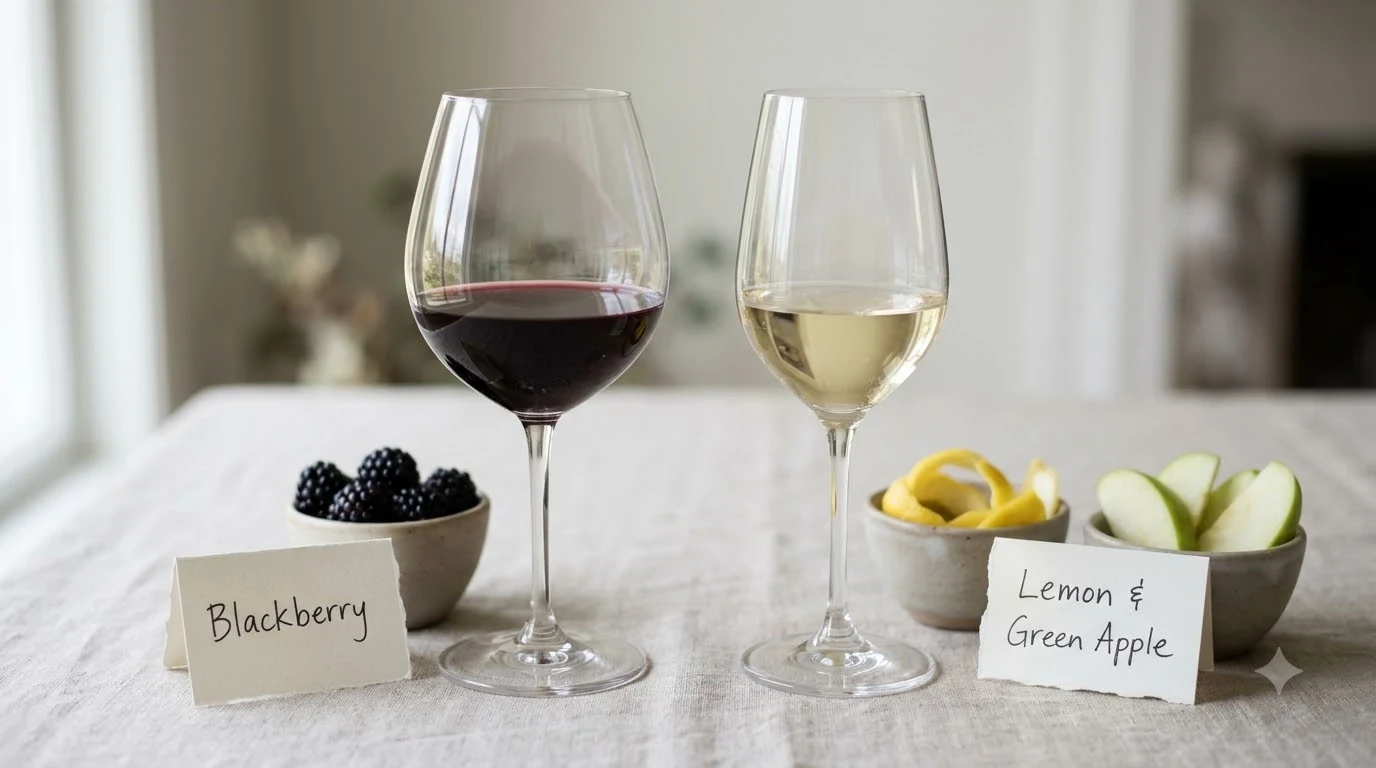
The key to how to serve madeira is to match the temperature to the style: pour dry Sercial and Verdelho at about 54°F, and richer Bual and Malmsey at 59–61°F. Use a small tulip-shaped Port glass or a modest white wine glass, pour a tasting-sized serving, and give the wine room to release its aromas. Most Madeira does not need decanting, and a properly stored opened bottle can remain enjoyable for months.
Madeira is a fortified Portuguese wine with a distinctive combination of richness, acidity, and flavors developed through heat and controlled oxidation. Its range extends from crisp, dry aperitif wines to concentrated, sweet dessert styles, so serving every bottle at the same temperature misses some of what makes this wine interesting. Understanding its styles, glassware, and food pairings makes it much easier to serve confidently. These recommendations also provide a useful starting point for exploring Wine by Type and understanding how different wines respond to temperature and presentation.
Serving Temperature by Madeira Style
The best starting point is 54°F for dry and medium-dry Madeira and approximately 59–61°F for richer, sweeter styles. A little chilling preserves freshness in the lighter wines, while a slightly warmer serving temperature helps richer Madeira reveal its layered aromas.
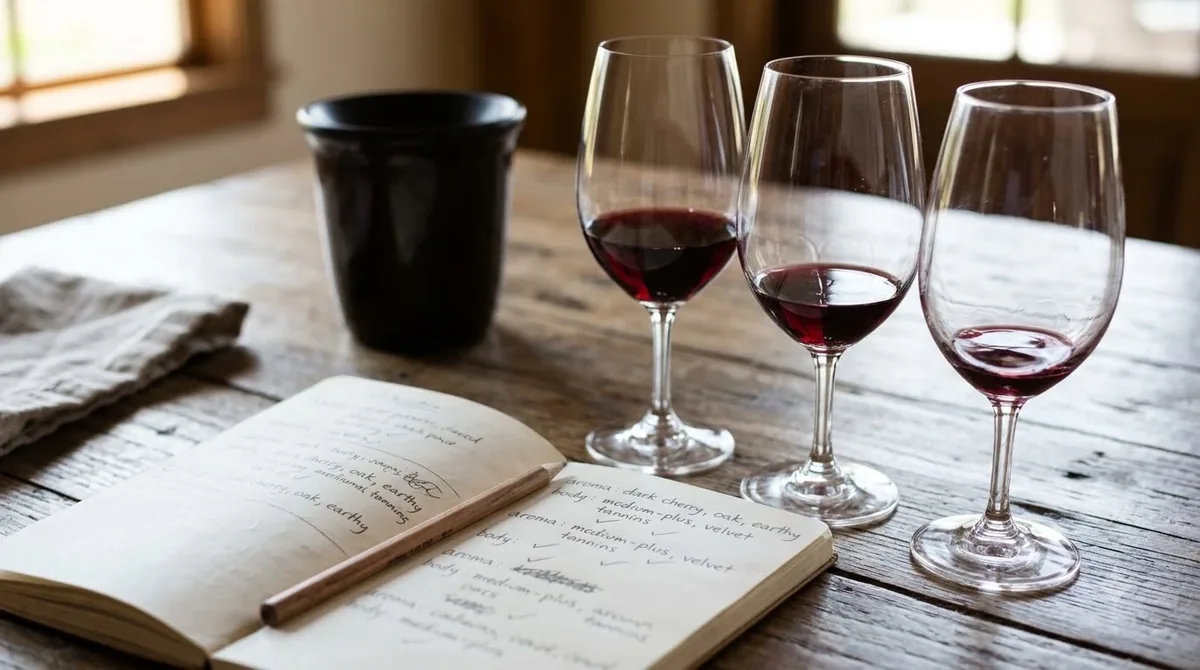
Dry Madeira is best enjoyed cooler than many people expect from a fortified wine. Sercial, the driest classic style, has pronounced acidity and flavors of citrus peel, nuts, and sometimes a salty or mineral character. Serving it at approximately 54°F keeps the wine refreshing and makes it particularly appealing as an aperitif. Verdelho benefits from the same temperature because its medium-dry character combines restrained sweetness with refreshing acidity, dried fruit, and toasted-nut notes.
Richer Madeira requires slightly different treatment. Bual, also known as Boal, and Malmsey have fuller textures and more pronounced sweetness. At approximately 59–61°F, their aromas of caramel, dried apricot, figs, and toasted nuts become more expressive without making the alcohol seem unnecessarily prominent. Serving these wines too cold can suppress their aromatic detail, while excessive warmth can make their alcohol and sweetness feel heavier.
Use the following temperature guide as a practical starting point. These figures follow Madeira-specific recommendations from Blandy’s and Miles Madeira, rather than treating all fortified wine as one category.
| Madeira style | Sweetness | Serving temperature | Serving character |
|---|---|---|---|
| Sercial | Dry | 54°F / 12°C | Crisp, citrus-driven |
| Verdelho | Medium-dry | 54°F / 12°C | Nutty, fresh, lightly sweet |
| Bual (Boal) | Medium-sweet | 59–61°F / 15–16°C | Rich, dried-fruit character |
| Malmsey | Sweet | 59–61°F / 15–16°C | Full, caramel-like richness |
These temperatures are not rigid limits. A particularly old bottle may reveal additional aromatic detail when served toward the warmer end of its style’s range, while a young, straightforward Sercial can be especially refreshing at the cooler end. Start with the recommended temperature, pour a small sample, and allow the wine to warm naturally in the glass. If its aromas seem muted, a few minutes at room temperature can make a noticeable difference.
For comparison, serving a lighter everyday white requires a different approach. A chilled Pinot Grigio generally benefits from a cooler, fresher presentation, as explained in our guide to how to serve pinot grigio. Madeira’s higher alcohol and fortified structure call for a more measured temperature rather than treating it like an ordinary white wine.
Choosing the Right Glass and Pour Size
Madeira needs enough glass space for its concentrated aromas to develop without overwhelming the drinker with alcohol. A tulip-shaped Port glass or a modest, tapered white wine glass is an excellent choice, and a small initial pour makes the wine easier to appreciate.
Glassware recommendations vary slightly among Madeira specialists. Decanter’s discussion with Chris Blandy recommends a tulip-shaped Port glass or a slender white wine glass. Miles Madeira also recommends a typical Port glass. Berry Bros. & Rudd favors a standard white wine glass rather than a small liqueur glass because the larger bowl allows Madeira’s aromas to develop. These recommendations share one principle: the glass should concentrate the aroma while leaving enough room to swirl. For additional guidance, see Decanter’s advice on serving fortified and sweet wines.
A traditional Port glass is especially convenient when serving several Madeira styles after dinner. Its narrower opening helps concentrate nutty, citrus, and caramel aromas, while its comparatively compact bowl is appropriate for a concentrated fortified wine. A small white wine glass works just as well, particularly for older bottles whose aromas benefit from additional space. A large red wine glass is unnecessary, and a tiny cordial glass can restrict the wine’s aromatic expression.
For a tasting, start with approximately 2 ounces per person. This gives guests enough wine to appreciate its color, smell, and flavor without creating an excessively large serving. Madeira is concentrated, so a modest pour is often more satisfying than filling a glass as generously as one would with an ordinary table wine. Allow some empty space above the wine so that swirling releases its aromas without spilling.
Hold the glass by the stem when possible, particularly when serving Sercial or Verdelho at 54°F. Holding the bowl transfers heat from your hand and can change the wine’s temperature more quickly. With Bual and Malmsey at 59–61°F, temperature changes are less urgent, but keeping a consistent serving temperature still helps maintain balance throughout the tasting.
Tip: Start each guest with a 2-ounce pour in a small tulip-shaped glass. Let the wine rest for a minute, smell it before swirling, and then revisit the aromas after swirling. The difference between the first impression and the aromas released by gentle movement can be particularly noticeable in aged Madeira.
Avoid unnecessarily elaborate glassware. A clean, clear glass without detergent residue gives the best opportunity to appreciate Madeira’s amber, golden, or mahogany color. The most important qualities are a suitable opening, enough bowl space for a gentle swirl, and a comfortable shape for small servings.
Understanding the Different Madeira Styles
Madeira is not a single sweetness category, and identifying the style before serving is more useful than relying on the wine’s color or age alone. Sercial and Verdelho tend toward drier, fresher expressions, while Bual and Malmsey offer progressively richer sweetness and texture.
Sercial is the driest of the classic Madeira styles. It is known for high acidity, citrus peel, nutty flavors, and a sometimes salty character. Its crisp structure makes it particularly suitable for serving before a meal, especially alongside salted almonds, olives, and seafood. At 54°F, the combination of freshness and concentration makes Sercial a compelling alternative to a conventional aperitif white wine.
Verdelho usually occupies the medium-dry position. Compared with Sercial, it has a little more apparent sweetness and a broader profile of dried fruit, toasted nuts, and candied citrus peel. The acidity remains important, keeping the wine from feeling heavy. Its versatility makes it a useful choice with savory dishes, including roast chicken, mushrooms, ham, and seafood with richer sauces. Serve it at approximately 54°F.
Bual, or Boal, moves into medium-sweet territory. Its characteristic flavors include dried apricot, fruitcake, caramel, and candied nuts. This extra richness makes it suitable for serving with pâté, rich meat dishes, roasted nuts, and stronger cheeses. Its recommended temperature of 59–61°F allows its aromas to emerge without making its sweetness seem excessive.
Malmsey is the sweetest of the traditional styles. Made using the Malvasia grape, it commonly offers flavors of figs, caramel, and butterscotch. Its sweetness makes it a natural companion for desserts, especially chocolate, dried fruit, and traditional spiced cakes. Despite the richness, Madeira’s acidity helps maintain freshness. Serve Malmsey at approximately 59–61°F rather than treating it like a wine that should be poured warm.
Another style to recognize is Rainwater Madeira. Generally medium-dry, it is lighter and fresher than the richer traditional expressions. It can work well as an aperitif or alongside lighter savory dishes, making it useful when a more concentrated Bual or Malmsey would overpower the food. The name does not mean that water has been added to the finished wine; it identifies a particular style with its own historical background.
When selecting a bottle, pay attention to the sweetness description and the named grape variety. According to Berry Bros. & Rudd, a Madeira bearing a particular grape variety on its label must contain at least 85% of that grape. This makes the classic grape names useful indicators when choosing a bottle for a specific meal. For additional comparisons among lighter aromatic wines, our guide to how to serve pinot gris explains another approach to serving a wine where freshness and aromatic detail matter.
Preparing and Decanting Madeira Before Serving
Most Madeira can be opened and poured directly from the bottle, without the extended aeration required by some young full-bodied red wines. Decanting is mainly relevant to certain old vintage bottles that may have developed sediment during prolonged bottle aging.
One important distinction is the difference between ordinary Madeira bottlings and mature vintage Madeira. Many standard bottles are already ready to drink when released. They can be opened shortly before service, brought to the appropriate temperature, and poured without any special preparation. Madeira has already experienced considerable heat and oxygen exposure during production, so it generally does not need conventional decanting to soften its structure.
Chris Blandy explains to Decanter that Madeira does not ordinarily require decanting and that resealing the bottle with a stopper is sufficient for routine storage. This makes service straightforward for most occasions. There is no need to leave an ordinary bottle open for several hours simply because it is fortified or has a rich flavor profile.
Older vintage bottles can require greater attention. Over many years in the bottle, a small amount of sediment may collect, particularly in mature examples. Miles Madeira recommends decanting older vintage wines to separate this deposit from the wine before serving. The process should be gentle, using a clean decanter and avoiding unnecessary disturbance of the sediment.
Miles Madeira also provides a conservative guideline of opening a vintage bottle one day in advance for every ten years it has spent in bottle. This is producer-specific guidance rather than a universal requirement for every Madeira. The ordinary 10-year-old bottling and a much older vintage should not automatically receive identical treatment. The wine’s age, condition, and expected sediment all matter.
For a special vintage dinner, prepare the bottle well before guests arrive. Inspect the cork carefully, particularly if the wine has spent decades in bottle, and use an appropriate corkscrew. A fragile closure may require extra care to avoid pushing cork fragments into the wine. Once opened, pour a small sample to assess the wine before deciding whether further aeration or careful decanting would improve service.
For a regular dinner involving Sercial, Verdelho, Bual, or Malmsey, the routine is much simpler: achieve the correct serving temperature, open the bottle, pour into appropriate glasses, and enjoy. Elaborate preparation can distract from the practical point that Madeira is already a mature, ready-to-drink fortified wine in many standard bottlings.
Pairing Madeira with Food and Dessert
Madeira’s range of sweetness and high acidity makes it suitable for more than after-dinner drinking. Dry and medium-dry versions work with savory dishes, while richer styles are particularly effective with substantial foods, aged cheeses, and desserts.
Sercial makes an excellent aperitif, especially alongside salty and savory appetizers. Salted almonds, green olives, smoked fish, and charcuterie complement its citrus and nutty character. Comté cheese is another particularly good match, as the richness of the cheese balances the wine’s pronounced acidity. The combination works especially well when the cheese is served at a moderate room temperature rather than directly from the refrigerator.
Verdelho is a useful choice for main courses because its moderate sweetness and acidity work with a broader range of flavors. Roast chicken is a classic pairing, particularly when served with herbs or a mushroom-based sauce. Ham, mushroom dishes, and richer seafood preparations are also appropriate. The wine’s dried-fruit and toasted-nut flavors provide enough character for substantial food without competing aggressively with its natural flavors.
Bual has sufficient sweetness and body to accompany richer ingredients. Foie gras is a recognized pairing, while pâté, roasted nuts, and hard cheeses such as Manchego or Pecorino also work well. Its caramel, dried apricot, and fruitcake notes create a pleasing connection with both savory and sweet flavors. A medium-sweet Madeira is particularly useful when a completely dry wine would seem too sharp alongside a rich dish.
Malmsey is the traditional choice for dessert. It pairs well with chocolate mousse, Christmas pudding, dried figs, and rich baked goods. On Madeira itself, bolo de mel, a dark honey cake, is a traditional companion. The cake’s dense texture, honey, and warm spices work naturally with Malmsey’s caramel and dried-fruit character.
When matching Madeira with dessert, choose a wine that is at least as sweet as the food. A relatively dry Sercial can taste harsh alongside an intensely sweet pudding, while Malmsey has the sweetness and aromatic intensity to match chocolate desserts or spiced cakes. This is why identifying the wine style before planning the meal is more useful than simply choosing any bottle of Madeira.
Also consider the temperature and texture of the food. Rich cheeses, pâté, and creamy dishes benefit from the balancing effect of a wine with sufficient acidity. Sweet wines can work beautifully with blue cheese, but the strength of the cheese should not completely overwhelm the wine. Serving modest portions of both food and Madeira gives the pairing room to develop without making either component seem excessive.
For a lighter summer menu, rosé offers a different type of freshness and fruit character. Our guide to how to serve rose explains the serving approach for that style, which contrasts with Madeira’s more concentrated fortified character.
Storing Madeira and Preserving an Open Bottle
Madeira is among the more durable wines after opening because of its production process, but correct storage remains important. Keep the bottle upright, away from sunlight, and in a cool, dark location, with a reliable stopper replacing the original closure after each serving.
Unlike many conventional wine bottles, Madeira is generally stored upright rather than horizontally. Miles Madeira recommends upright storage away from direct sunlight and just below room temperature. This arrangement is particularly practical for fortified wines commonly sealed with stopper closures. A cool cupboard or wine-storage area away from kitchens, windows, and heating equipment is preferable to a warm shelf exposed to fluctuating temperatures.
After pouring, replace the stopper firmly and return the bottle to its storage location. Keeping the bottle upright reduces the risk of leakage from a stopper closure and makes it easier to serve a small amount whenever required. Avoid leaving an open bottle beside a sunny window or on a dining table overnight. Consistent storage conditions are more useful than repeatedly moving the wine between very different temperatures.
Madeira generally lasts substantially longer after opening than delicate still wines. Miles Madeira reports that properly stored opened bottles can remain in good condition for many months. Berry Bros. & Rudd similarly describes an opened bottle as capable of remaining fresh for weeks or months. The actual lifespan depends on the bottling, its condition, how much wine remains, and how it is stored.
This longevity means that a large bottle does not need to be finished during one dinner. A bottle of Sercial opened for an appetizer course can be enjoyed again with another meal, while Malmsey can be reserved for a dessert or cheese course on a later occasion. Resealing it promptly and maintaining stable storage conditions help preserve the remaining wine.
Do not assume that every fortified wine follows the same storage routine. Madeira has undergone deliberate oxidation during production, so it generally tolerates exposure to air better than many ordinary table wines. That does not mean that leaving the bottle uncorked indefinitely is advisable. A secure stopper, upright position, and cool, dark storage remain sensible habits.
Most standard Madeira bottlings are already ready to drink and do not require additional bottle aging. Older vintage examples are different: they may continue to develop over long periods and can require more careful handling at opening. Keeping these distinctions in mind makes it easier to decide which bottles should be saved for a special occasion and which are suitable for regular serving.
Frequently Asked Questions
Can Madeira be made from red grapes?
Yes. Madeira production can use both white and red grape varieties, although several famous traditional styles are associated with white grapes. Tinta Negra is another important variety used in Madeira production. The grape composition depends on the particular wine and its intended style.
What does Colheita mean on a Madeira bottle?
Colheita identifies Madeira produced from a single harvest year. According to Berry Bros. & Rudd, Colheita Madeira must spend at least five years aging in wood, commonly through the traditional canteiro method. It is a useful designation for someone interested in exploring the character of a particular vintage.
What is Frasqueira Madeira?
Frasqueira is a designation for high-quality vintage Madeira made from a single harvest considered outstanding. These wines are generally matured using the canteiro method, with extended aging in oak casks. They are especially interesting for collectors and people exploring the long-term development of Madeira.
How is Madeira different from Port?
Both are Portuguese fortified wines, but they come from different regions and have distinctive production traditions. Port comes from the Douro Valley on mainland Portugal, whereas Madeira comes from the Atlantic island group of Madeira. Madeira’s deliberate heating and controlled oxidation give it characteristic toasted, nutty, and caramel-like flavors.
Can unopened Madeira age for centuries?
Exceptional Madeira can remain suitable for aging over extraordinarily long periods. Berry Bros. & Rudd notes that properly preserved unopened Madeira can develop over decades and even centuries. Bottle provenance, storage conditions, and the quality of the original wine are important considerations when evaluating very old examples.
Serving Madeira well comes down to three practical decisions: select the temperature that suits its sweetness, choose a glass that allows its aromas to develop, and pair its character with appropriate food. Whether pouring a refreshing Sercial before dinner or a rich Malmsey alongside chocolate cake, a little attention to these details makes each bottle more enjoyable. Store any remaining wine upright with a secure stopper, and Madeira can remain available for many more occasions.
More in Wine Types & Grapes
 Zinfandel Sugar Content: Dry Red vs. White Zinfandel GramsUpdated Nov 21, 2026
 Best Zinfandel Substitute Options for Sipping and CookingUpdated Nov 21, 2026
 Zweigelt Food Pairing: Best Dishes, Cheeses, and Serving TipsUpdated Nov 21, 2026
 Zinfandel Tannins Explained: How Structure Shapes Every BottleUpdated Nov 21, 2026
 Zinfandel Sweetness Level: Dry Red vs. Sweet White Zin ExplainedUpdated Nov 21, 2026
 Xinomavro Food Pairing: Best Dishes, Styles, and Serving TipsUpdated Nov 21, 2026