


We may earn a commission when you buy through links on this page, at no extra cost to you. Learn more.
How to pronounce st laurent: Say approximately “sahnt loh-RAHN” for the French-style name, or “zahngkt loh-RENT” for the German-influenced Sankt Laurent pronunciation. Both forms refer to the same red wine grape, which is particularly associated with Austria and Central Europe. The name can look intimidating on a wine list, but learning its two common pronunciations makes ordering and discussing this distinctive red wine much easier.
St. Laurent is one of Central Europe’s interesting red grape varieties, producing deeply colored wines with flavors that often include sour cherry, blackberry, plum, and spice. It is especially important in Austria, although it also has a strong presence in the Czech Republic and Germany. Understanding the name involves a little French and German pronunciation, some Austrian wine history, and a few useful details about the grape itself. Once you recognize the spelling and sound, you will find it easier to identify St. Laurent on wine lists, bottle labels, and wine shop shelves.
How to Pronounce St. Laurent Correctly
The easiest approach is to learn both the French-style and German-influenced pronunciations. In an English-speaking restaurant, a French-style approximation is “sahnt loh-RAHN,” while the German name Sankt Laurent is closer to “zahngkt loh-RENT.” Neither requires a perfect native accent to communicate successfully.
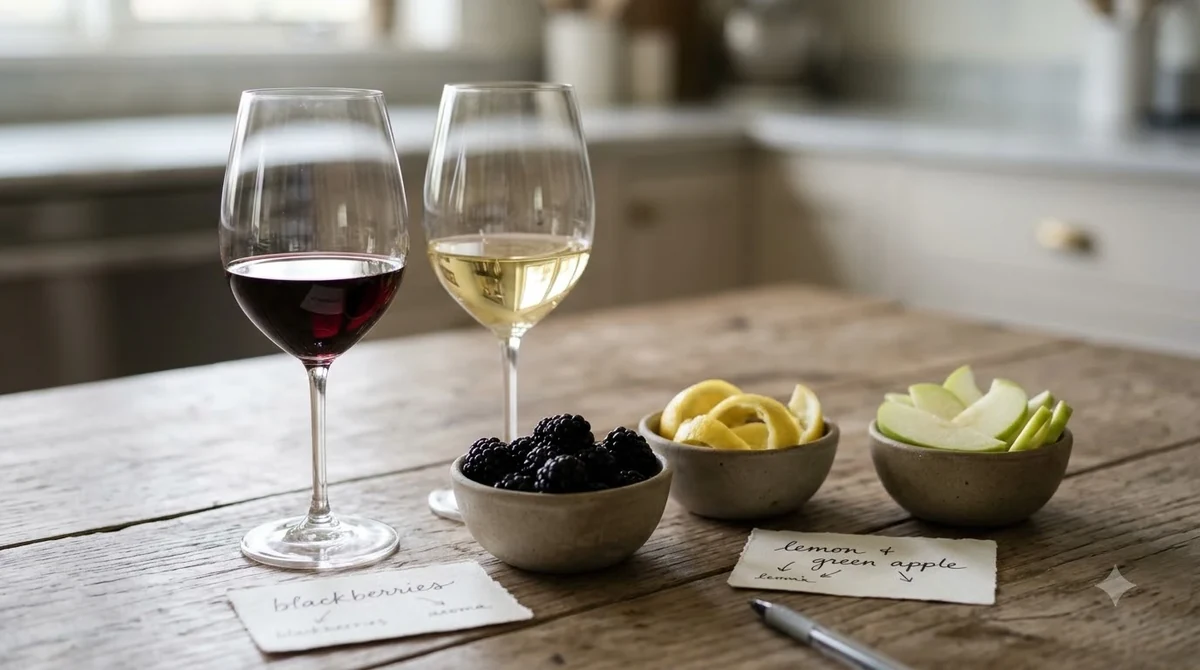
The first distinction concerns the abbreviation St. In the French-style version, St. represents Saint, pronounced approximately “sahnt.” The vowel sound is relatively open, and the final consonant is not strongly released. English speakers can approximate the sound without trying to reproduce every detail of French pronunciation.
The second word, Laurent, requires a little more attention. In French, the final syllable has a nasal vowel, which is why “loh-RAHN” is a useful English approximation. The emphasis falls toward the end of the word. Avoid pronouncing it exactly like the English word “Lauren,” because the French vowel and final consonant pattern are different.
German-speaking wine professionals may use Sankt Laurent instead. In that form, Sankt sounds approximately like “zahngkt,” and Laurent is commonly adapted to German pronunciation, with a clearer final consonant. The result sounds different from the French-style version but remains recognizable.
A simple pronunciation breakdown
| Written form | Approximate pronunciation | Where you may encounter it |
|---|---|---|
| St. Laurent | Sahnt loh-RAHN | International wine references |
| Sankt Laurent | Zahngkt loh-RENT | Austria and German-speaking contexts |
| Saint Laurent | Sahnt loh-RAHN | French-style spelling |
| Svatovavřinecké | svah-toh-vah-VRZHI-nets-keh | Czech wine references |
The Czech name is particularly different and does not need to be memorized to enjoy the wine. It is useful to recognize it because Czech bottles may use Svatovavřinecké rather than St. Laurent. If you are ordering an Austrian bottle, either the English-friendly French approximation or the German-influenced version should make your meaning clear.
Tip: Remember the rhythm “Saint loh-RAHN.” Put your emphasis on the final syllable of Laurent, and avoid turning the name into two ordinary English words. If the wine list uses Sankt Laurent, the German version is equally appropriate.
For more wine vocabulary practice, compare the pronunciation with how to pronounce chardonnay and how to pronounce claret. These names also become easier once you understand which sounds come from French wine terminology.
What the Name St. Laurent Means
The name St. Laurent is commonly associated with Saint Lawrence, whose feast day is August 10. This date is traditionally connected with the beginning of the grape’s ripening process, when its berries start changing color.
Saint Lawrence, also known as Saint Laurentius, is the historical religious figure behind the name. The Austrian government explains that the name may refer to the calendar saint whose feast day coincides with an important stage in the grape’s seasonal development. Another historical explanation connects the name with Laurenzitraube, an older designation associated with the variety.
The connection is interesting because grape names often preserve details about agricultural calendars, local traditions, and historical growing practices. In this case, the association with August 10 offers a memorable explanation for a name that might otherwise seem unrelated to the grape’s appearance or flavor.
It is important, however, to distinguish the explanation of the name from the confirmed geographical origin of the variety. The name does not establish that St. Laurent originated in the French village of Saint-Laurent or in the Bordeaux region. The Austrian government’s historical account specifically notes that this geographical explanation lacks convincing documentary support.
The spellings Saint Laurent, St. Laurent, and Sankt Laurent can therefore appear in different wine references without necessarily indicating different grapes. The spelling often reflects the language and naming convention used by the producer or wine authority.
Why the spelling varies
French-language references commonly use Saint Laurent, while Austrian and German-language references frequently use Sankt Laurent. International wine writing often shortens the name to St. Laurent.
In the Czech Republic, the grape is known as Svatovavřinecké. This name reflects the local form of the Saint Lawrence association. Although the spelling looks quite different, it identifies the same familiar Central European red grape.
These variations matter when searching for information about a bottle. A shopper looking only for St. Laurent might overlook a Czech wine labeled Svatovavřinecké. Recognizing the alternative names makes it easier to compare wines across national borders.
What Kind of Wine Is St. Laurent?
St. Laurent is a red wine grape variety rather than a wine region, a particular producer, or a classification of sweetness. It produces red wines that are often medium to full-bodied, with deep color, noticeable fruit, refreshing acidity, and a distinctive tannin structure.
The grape is especially associated with Austria, where it has a longstanding place in the country’s red wine production. It is also grown in the Czech Republic, Slovakia, and Germany. Its presence in several Central European countries explains why the name appears in different languages and spellings.
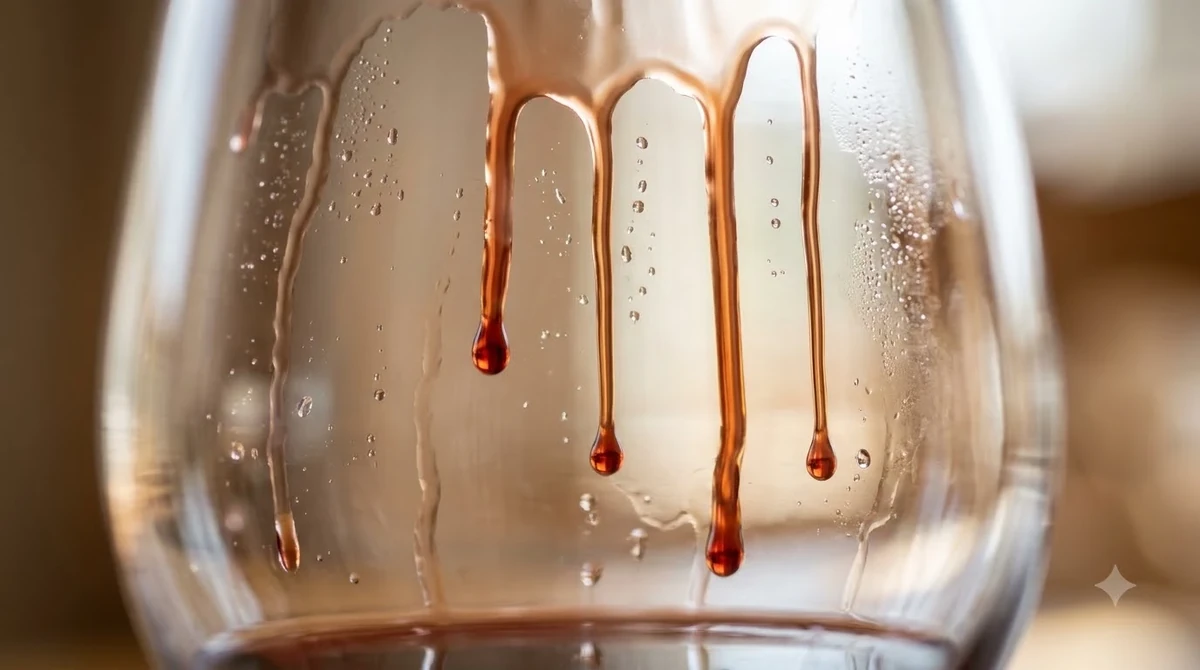
In the glass, St. Laurent commonly shows a deep ruby or crimson color. Aromas and flavors frequently include sour cherry, black cherry, plum, elderberry, and blackcurrant. Some examples also develop hints of cocoa, coffee, dark chocolate, and spice, especially when the wine receives oak maturation.
The Czech Wine Centre describes the variety as generally medium to full-bodied, with sour cherry, plum jam, and sometimes blackcurrant characteristics. Its wines can have a distinctive tannin structure, making them more substantial than many lighter-bodied red wines.
St. Laurent is not necessarily a heavy or aggressively tannic wine. Its character varies according to vineyard conditions, grape maturity, fermentation, and aging. Some bottles emphasize fresh fruit and acidity, while others offer greater concentration, oak influence, and a softer texture.
How St. Laurent compares with Pinot Noir
St. Laurent is often compared with Pinot Noir because both can show cherry-driven aromas and an elegant red-fruit character. Their appearance and structure can also overlap, particularly when a producer chooses a restrained winemaking approach.
However, St. Laurent frequently produces deeper-colored wines with more pronounced tannins and a fuller impression on the palate. Pinot Noir is generally associated with lighter to medium body, high acidity, and low to medium tannin. St. Laurent can feel more substantial, although individual examples vary considerably.
The relationship between these grapes has been discussed in wine literature for many years. Older descriptions sometimes classify St. Laurent alongside Pinot-related varieties, while modern references treat it as an independent variety. Similarity in flavor should not be confused with identical grape identity.
For readers exploring other grape varieties, the Wine by Type section provides a useful starting point for understanding how red grapes differ in body, acidity, tannin, and aroma.
Where St. Laurent Is Grown
Austria is the principal country associated with St. Laurent, with the Thermenregion and Burgenland among its most important growing areas. The grape is also established in the Czech Republic and Germany, where it appears under different names and in distinct regional wine styles.
In Austria, the Thermenregion lies south of Vienna in Lower Austria. Its wine-growing communities include Gumpoldskirchen, Traiskirchen, Baden, and Tattendorf. The area is particularly associated with St. Laurent and other regional red wine varieties.
The Neusiedlersee wine region in Burgenland is another important location. Situated around Lake Neusiedl, the region includes communities such as Gols, Mörbisch, Rust, and Purbach. Its climate and vineyard conditions support a range of red and white grape varieties.
St. Laurent can be challenging to cultivate. The Austrian government identifies its sensitivity to heavy rain during ripening and its tendency toward irregular yields as important vineyard considerations. The variety also performs best in suitable sites with favorable soil conditions.
St. Laurent beyond Austria
The Czech Republic has a particularly strong connection with this grape. There it is known as Svatovavřinecké and is used to produce red wines with deep crimson color, sour cherry fruit, and plum characteristics. The Czech Wine Centre lists 690 hectares of the variety in its vineyard information.
Germany is another established growing country. According to Wines of Germany, the country had 561 hectares of Saint Laurent in its 2023 vineyard-area statistics. The Pfalz accounted for 255 hectares, while Rheinhessen accounted for 246 hectares.
These figures help explain why St. Laurent is more than a small Austrian specialty. It is a recognizable Central European grape with a meaningful presence in several neighboring wine-producing countries.
For a broader understanding of its Austrian home, the official Austrian government profile of St. Laurent provides historical information, growing conditions, regional details, and descriptions of the variety.
How St. Laurent Wine Tastes and Smells
St. Laurent typically offers a combination of dark color, cherry-driven fruit, balanced acidity, and moderate to noticeable tannins. Its flavor profile can range from fresh sour cherry and plum in younger wines to cocoa, coffee, and softer fruit characteristics in more developed examples.
Cherry is one of the most recognizable aromas associated with the variety. Sour cherry, sometimes called Morello cherry, is especially common in descriptions of Austrian and Czech St. Laurent. The fruit can be accompanied by blackberry, blackcurrant, elderberry, and plum.
Some wines also display earthy or savory characteristics. Depending on the producer and maturation method, you may encounter hints of tobacco, coffee, dark chocolate, or baking spice. Oak aging can introduce additional complexity, although not every St. Laurent is matured in barrels.
Young examples may feel firmer, with more noticeable acidity and tannin. Bottle-aged wines can become rounder and more integrated, developing a smoother texture and additional aromatic complexity. This development is one reason the grape appeals to drinkers who enjoy red wines with both fresh fruit and aging potential.
What influences its flavor?
Several factors affect the finished wine. Vineyard location influences grape maturity and acidity, while the timing of harvest affects the balance between fruit ripeness and freshness. Winemakers also make choices about extraction, fermentation, and maturation.
Stainless steel fermentation and maturation generally help preserve fresh fruit characteristics. Oak barrels can add texture and additional aromatic notes. Longer maturation may also soften the perception of tannins and allow the wine’s fruit and savory characteristics to integrate.
Blending is another possibility. St. Laurent can be made as a single-variety wine or used as a partner in a cuvée. In Austria, it is particularly associated with Blaufränkisch in traditional blending discussions.
The Austrian government also records St. Laurent as one of the parent varieties of Zweigelt, which was created through a crossing with Blaufränkisch in 1922. This historical connection makes St. Laurent an important part of Austria’s wider red wine heritage.
How to Serve St. Laurent and Pair It With Food
St. Laurent generally works best slightly cool rather than warm, with a serving temperature around 55 to 60 degrees Fahrenheit being a useful starting point for many examples. Its fruit, acidity, and tannins make it a versatile companion for roasted meats, game, and mature cheeses.
Serving temperature affects how the wine feels. Excessive warmth can make alcohol more noticeable, while serving it too cold can mute its aromas and make the tannins seem firmer. A light chill can help preserve the wine’s freshness and bring its cherry and plum characteristics into focus.
For a younger, fruit-focused St. Laurent, begin around 55 degrees Fahrenheit. A more concentrated, oak-aged example can be served toward 60 degrees. If the bottle has been stored at ordinary room temperature, a short period in the refrigerator can help bring it closer to the desired range.
Food pairings that work particularly well
Roasted red meats are natural partners. Beef roast, grilled lamb, and braised short ribs provide enough savory flavor and texture to complement the grape’s fruit and tannin. The wine’s acidity also helps balance richer preparations.
Game is another traditional pairing. Venison, wild boar, and roast duck can work particularly well, especially when served with cherry-based sauces or earthy accompaniments such as mushrooms. The fruit in the wine creates a pleasing connection with these ingredients.
Cheese is equally useful. Mature hard cheeses, aged Alpine cheeses, and selected blue-veined cheeses can work with St. Laurent’s structure. Salt and fat soften the perception of tannins, helping the wine feel more balanced alongside rich foods.
For a Central European-inspired meal, consider roast goose with potatoes and fruit-based accompaniments. This combination reflects traditional Czech food-pairing recommendations for Saint Laurent and provides a useful introduction to the grape’s regional character.
Pairing considerations
Be careful with very spicy dishes. Chili heat can become more pronounced alongside alcohol and tannin, so a strongly peppered preparation may overwhelm the wine’s fruit. If serving spicy food, choose a milder recipe rather than a heavily chili-based sauce.
Very acidic dishes also require attention. Tomato sauces, vinegar-heavy dressings, and strongly citrus-based accompaniments can make a wine seem less fresh if the food has considerably more acidity. Matching the food’s acidity with an equally fresh wine helps maintain balance.
Oily fish is generally a less suitable partner for a tannic red such as St. Laurent. For fish courses, a high-acidity white wine is usually a more dependable choice. If you are serving a complete dinner, reserve the St. Laurent for the meat or cheese course.
How to Recognize St. Laurent on a Wine Label
St. Laurent labels can use several different spellings, depending on the country of production. Austrian bottles commonly use St. Laurent or Sankt Laurent, while Czech bottles may identify the grape as Svatovavřinecké.
Recognizing the regional naming conventions helps prevent confusion when shopping for Central European wines. A bottle labeled Svatovavřinecké is not necessarily a different grape from one labeled St. Laurent. It is the Czech name for the same variety.
Country of origin is another useful clue. Austria is the most recognizable reference point, particularly when the bottle comes from the Thermenregion or Burgenland. German examples may identify the grape as Saint Laurent, with the Pfalz and Rheinhessen being important production areas.
Some labels emphasize the producer or vineyard rather than the grape variety. In these cases, identifying the country and region can help narrow down the wine style. A producer’s technical description may also explain whether the wine is made entirely from St. Laurent or included in a blend.
It is also useful to understand the distinction between a grape name and a geographical designation. St. Laurent does not identify a protected wine region or a particular quality category. It identifies the variety used to make the wine.
For more advanced wine vocabulary, learning how terms such as cuvée are pronounced can help when reading descriptions of blended wines. The guide to how to pronounce cuvée is particularly relevant because St. Laurent may appear in blends rather than exclusively as a single-variety bottling.
When comparing two bottles, consider their region, producer, vintage, and winemaking approach together. Two wines made from the same grape can have noticeably different levels of fruit concentration, oak influence, acidity, and tannin. These details are often more useful than the grape name alone when deciding which bottle best suits a particular meal.
Frequently Asked Questions
Is St. Laurent pronounced the same as Saint Laurent?
Yes, the spellings generally refer to the same grape variety, although pronunciation can reflect the language being used. The French-style form is approximately “sahnt loh-RAHN,” while Austrian speakers may use the German form Sankt Laurent. Both are recognizable in wine discussions.
Is St. Laurent the same grape as Pinot Noir?
No, they are distinct grape varieties, even though St. Laurent has historically been compared with Pinot Noir. Their similarities include cherry aromas and an elegant red-fruit profile. Their differences become clearer when comparing color, tannin structure, and the weight of the finished wines.
Is St. Laurent the same as Zweigelt?
No. Zweigelt is a separate Austrian grape variety created by crossing St. Laurent with Blaufränkisch in 1922. The varieties share a parent grape but produce distinct wines. Zweigelt is widely recognized as an important Austrian red variety in its own right.
Why is St. Laurent sometimes called Svatovavřinecké?
Svatovavřinecké is the Czech name for the same red grape variety. The name preserves the association with Saint Lawrence, whose feast day is August 10. It is also used in Czech wine terminology and appears on bottles produced in Moravia and Bohemia.
Can St. Laurent wine age in the bottle?
Yes, selected examples can develop additional complexity with bottle aging. The Austrian variety description discusses a transition from a firm, acidic young wine toward a smoother, more velvety mature expression. The aging potential depends on concentration, tannin, acidity, vintage, and the producer’s winemaking approach.
St. Laurent is easier to order once you recognize its two principal pronunciation styles: the French-influenced “sahnt loh-RAHN” and the German-influenced “zahngkt loh-RENT.” Beyond its unusual name, it offers an appealing Central European red wine style built around cherry fruit, structure, and regional character. Try an Austrian or Czech example alongside roasted meat or mature cheese to discover why this distinctive grape deserves a place among the region’s notable red varieties.
More in Wine Types & Grapes
 Zinfandel Sugar Content: Dry Red vs. White Zinfandel GramsUpdated Nov 21, 2026
 Best Zinfandel Substitute Options for Sipping and CookingUpdated Nov 21, 2026
 Zweigelt Food Pairing: Best Dishes, Cheeses, and Serving TipsUpdated Nov 21, 2026
 Zinfandel Tannins Explained: How Structure Shapes Every BottleUpdated Nov 21, 2026
 Zinfandel Sweetness Level: Dry Red vs. Sweet White Zin ExplainedUpdated Nov 21, 2026
 Xinomavro Food Pairing: Best Dishes, Styles, and Serving TipsUpdated Nov 21, 2026