

We may earn a commission when you buy through links on this page, at no extra cost to you. Learn more.
To answer how to pronounce pais: say “pah-EES,” in two syllables, with the stress on the second syllable, “ís.” In a wine conversation, the name is normally written with its Spanish accent mark as País. This sound cue gets close to the Spanish pronunciation without turning the grape name into an English word.
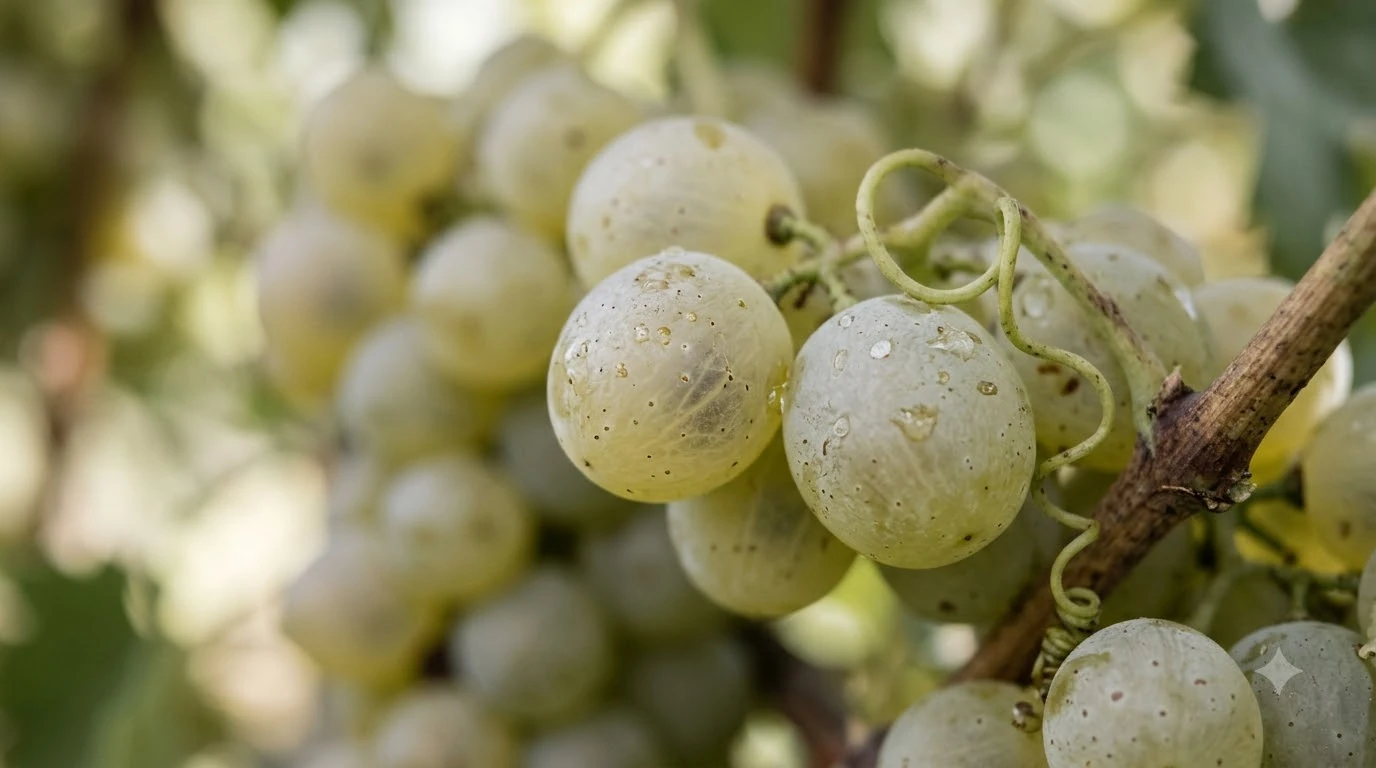
País is a red wine grape closely associated with Chile, especially the country’s central-southern winegrowing areas. The pronunciation is easier once you notice what the accent mark does: it separates the two vowels and shows where the voice should land. You do not need a fluent Spanish accent to say the name clearly; you need two distinct syllables and a little extra emphasis on the second.
How to Say País Clearly
País is pronounced “pah-EES,” not “pice” and not “pays.” Say the first part as a short, open “pah,” then move into “ees,” keeping the two vowel sounds separate and making the second syllable the stronger one.
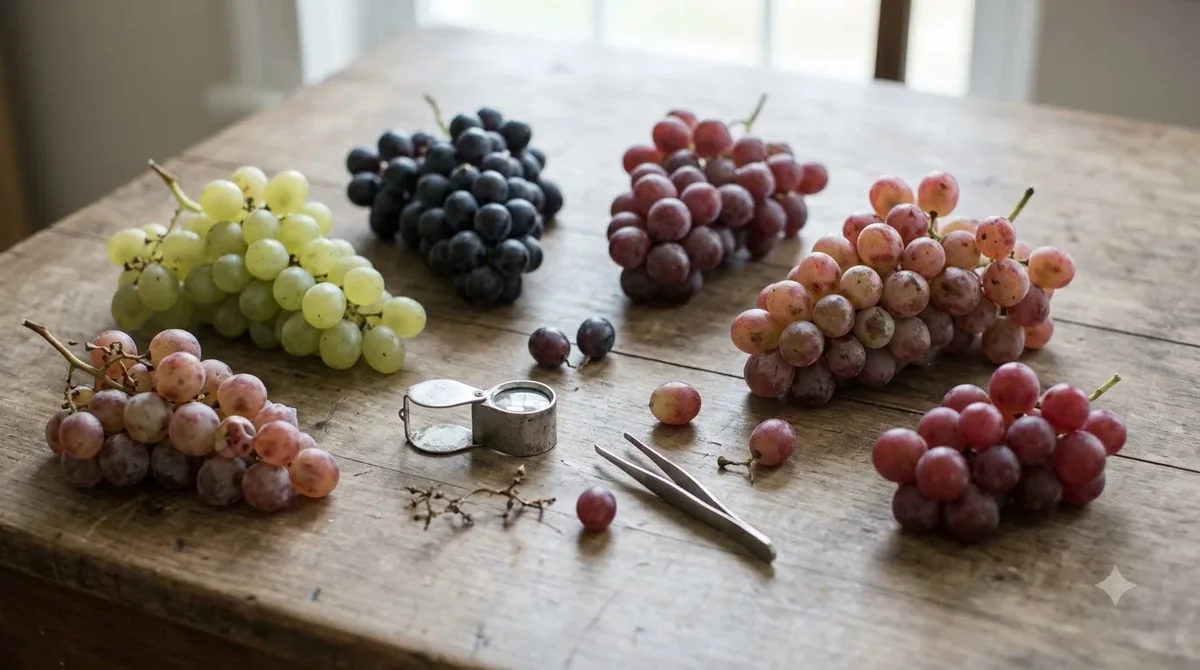
Try saying the name slowly as pa followed by ís. Give the first syllable a light touch, then let the voice rise slightly on the second: pah-EES. The written accent sits over the i, and that is the vowel to emphasize. The final s is a clear “s” sound, not a “z.” Once you have the two parts in place, bring them together at a natural speaking speed without inserting a third syllable.
A useful practice routine is to say the parts separately three times, then say the full word three times: “pa,” “ís,” “pa-ís.” Keep the space between the vowels distinct rather than sliding them together as English speakers often do in words such as “price.” You can also tap twice with a finger as you say it, once for pa and once for ís. The physical rhythm helps prevent the common mistake of compressing the word into one beat.
Tip: Practice the two beats separately—pa, then ís—before joining them. Keep the final syllable stronger, and repeat the word at normal conversation speed rather than stretching either vowel.
In ordinary conversation, the pronunciation should sound like one compact Spanish word, not like two English words placed side by side. Do not over-stretch the first vowel or add an extra “y” sound between the vowels. A clear “pah-EES” is enough for a restaurant, wine shop, tasting room, or dinner conversation, even if the rest of your sentence is in English.
Why the Accent Mark Changes the Syllables
The accent mark in País is a pronunciation clue, not decoration: it marks the stressed í and keeps that vowel in a separate syllable from the a. That makes the word two syllables long, with the emphasis on the second part.
Spanish has a pattern called a hiato, or hiatus, when two neighboring vowels belong to different syllables. In País, the open vowel a and the stressed closed vowel í do not form one blended sound. The University of Las Palmas de Gran Canaria’s explanation of Spanish hiatus and accent marks uses país as an example of this vowel separation. That is why the spelling shows the accent directly over the i.
| Part | Pronunciation job | Number or sound |
|---|---|---|
| pa | First, lighter syllable | 1st syllable; “pah” |
| ís | Second, stressed syllable | 2nd syllable; “ees” |
| País | Full word | 2 syllables; /paˈis/ |
| Stress | Where the voice lands | 2nd syllable |
The mark also helps distinguish País from a guessed English-style reading. English readers may see the unaccented letter sequence “pais” and try a long “i” sound, as in “aisle,” or pronounce it like “pays.” Spanish spelling gives a more dependable guide: the acute accent on the í tells you to separate the vowels and place the stress there. In a careful wine note or article, retain the accent in the grape’s name as País.
Think of the mark as a small syllable instruction. It does not create a new consonant, add another vowel, or make the word longer; it changes how the adjacent vowels are grouped and where the stress falls. That is the essential reason the name has two beats rather than one. Once you recognize the same pattern in words such as río and día, the logic behind País becomes much easier to remember.
Build the Sound One Vowel at a Time
The easiest way to make País sound natural is to focus on the Spanish vowels rather than copying an English spelling. The first vowel is an open “ah,” the second is a clean “ee,” and the final consonant is an unvoiced “s.”
Begin with the consonant p, as in “paper,” but avoid a forceful puff of air. Move straight into the Spanish a, which is close to the vowel in “father” for many English speakers. Keep it open and steady; do not turn it into the diphthong that English speakers may use in “pay.” The first syllable is short, because the word’s main stress belongs later.
For the second syllable, say í like the “ee” in “see,” then finish with a crisp s. The i should remain a single, clean vowel, not a glide that changes toward another sound. Keep the s voiceless, as in “sun.” The sound guide /paˈis/ represents the word in a compact way: /pa/ first, then /ˈis/ with the stress mark before the second syllable.
Now join the pieces without a pause long enough to make them sound like separate words. The first syllable should be brief and relaxed; the second should be clearer and more prominent. If the word comes out as “PICE,” reset and make the ending an “ees” sound. If it sounds like “PAY-iss,” make the first vowel shorter and flatter, then give the second vowel its own beat. A few repetitions at a measured pace usually solve both problems. Accent differences can affect the color of Spanish vowels and consonants, but the central pattern remains useful for wine readers: two syllables, an open first vowel, a stressed “ee,” and a final “s.” Do not try to imitate a regional accent you have not studied; a clear approximation is better than adding sounds that are not in the spelling.
País as a Chilean Wine Grape
País is not only a Spanish word; it is also the name of a historic red grape variety in Chile. The grape’s long connection with central and southern Chile explains why the name often appears in conversations about traditional vineyards and heritage wines.
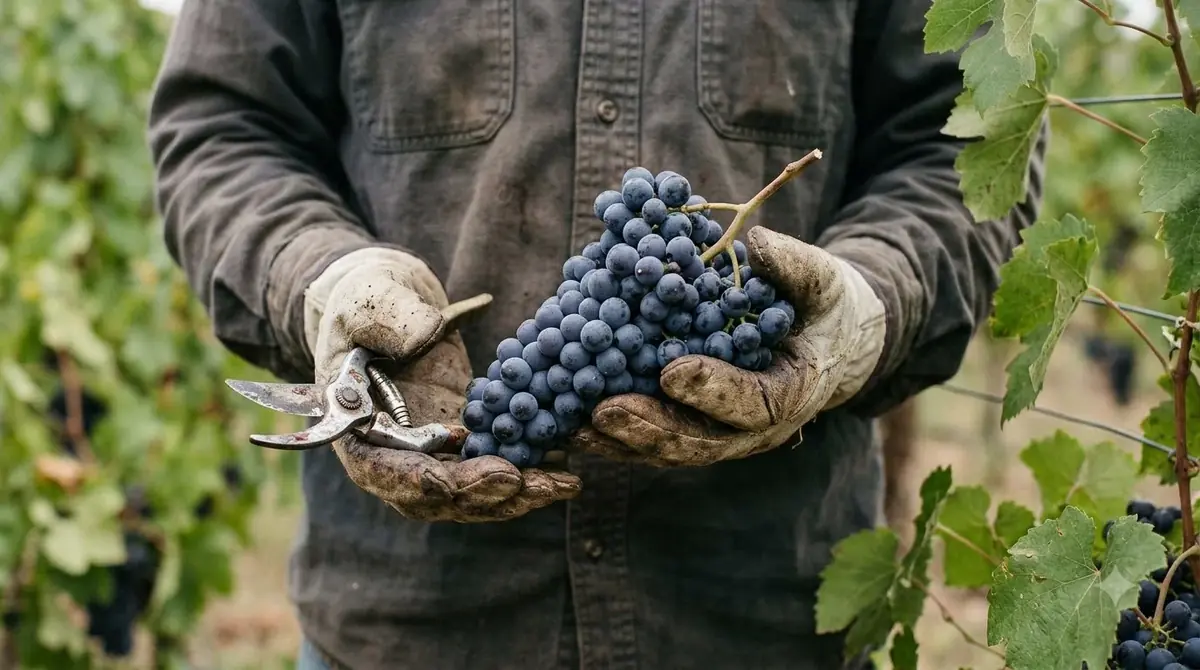
According to Wines of Chile’s profile of the País grape, the variety arrived in Chile with Spanish missions in the 16th century. Missionaries needed wine for the celebration of Mass and valued a grape that could be kept through the year. The Chilean wine body describes País as rustic and hardy, able to grow in adverse conditions. That history gives the name a practical context: it is tied to the early establishment of viticulture rather than to a recent marketing term.
The same Wines of Chile profile places the variety in the country’s central-southern zone, in the dry interior running from south of Santiago toward Yumbel, in the foothills of the Coastal Range. It also notes active centennial vineyards more than 200 years old. Those details help explain why País is often discussed alongside old vines, dry-farmed landscapes, and rural winemaking traditions rather than only as another item in a list of international grape names.
For pronunciation, the grape context does not change the Spanish sound. A bottle from Chile, a conversation about a vineyard in Itata, and a reference to a historic planting all use the same name: País. It is also useful to separate the grape from the place where it grows: País is a variety, while Itata, Maule, and Yumbel identify geographic areas associated with Chilean winegrowing. A label or wine list may present both a grape and a place, but they answer different questions: the grape name tells you which variety is involved, and the place tells you where the grapes were grown or the wine was made.
Regions, Vineyards, and Wine History
País has a wider South American history than its strong modern association with Chile might suggest. Academic research traces the variety through Chile, Argentina, and Peru, where related plantings and local naming traditions developed over several centuries.
A historical study published in the Chilean journal Idesia describes Listán Prieto as a foundational grape in South American viticulture and follows its rise, decline, and renewed recognition. The article explains that the variety spread through winegrowing areas under Spanish colonial rule from the 16th century onward. It traces the grape across several countries and changing forms of regional wine production, showing that its story extends well beyond one modern Chilean label. That broader history is part of the reason the grape’s name carries cultural weight.
Its fortunes changed as the prestige of French grape varieties grew. The Idesia article describes how commercial promotion and changing ideas of wine quality shifted attention toward French varieties, leaving traditional Hispanic-Creole grapes with less status. In Chile, farmers in areas south of the Maule River, including Cauquenes and Itata, helped preserve historic plantings. The study notes that some of these vineyards used a traditional head-trained form and dryland cultivation, known locally as de rulo. Those terms describe cultivation traditions, not alternate pronunciations of País.
The name itself can also reflect local history. A single grape variety may have different names in different countries, and those names are often the result of language, migration, and local wine culture. For a reader encountering a bottle, the safest approach is to treat País as the Chilean grape name and to read the surrounding label details for place and producer. Do not assume that every bottle using a related historical name comes from the same Chilean valley or follows the same winemaking approach. Saying País correctly signals that you recognize the term as a Spanish grape name, while knowing that Itata and Maule are distinct winegrowing areas helps you follow the next part of the conversation. The distinction is straightforward: the word names the variety, the valley names its growing place, and the producer’s details tell you more about the individual wine.
Use País Confidently in a Wine Conversation
In a wine shop or tasting room, say País as “pah-EES” and then continue with the detail you actually want to ask about. Pairing the name with a place such as Itata or Maule makes the question more specific and shows that you are talking about the Chilean grape rather than using the Spanish word for a country in a general sentence.
You might say, “I’m interested in trying a País from Itata,” or “How does this País compare with another Chilean red?” Both sentences give the name a natural rhythm. In the first example, keep the stress on the final syllable of País and pronounce Itata as a separate place name. In the second, do not let the English sentence pull the grape name into an English “pays” sound. The Spanish pronunciation remains the same even when the rest of the sentence is spoken in English.
If you are discussing several unfamiliar wine terms at once, learn each name from its own spelling and language rather than applying one English pronunciation rule to all of them. The site’s guide to how to pronounce chardonnay covers a French-derived name, while how to pronounce claret addresses a different wine term. The guide to how to pronounce cuvée is another useful comparison because its spelling also gives readers clues about the word’s origin.
Pronunciation can make a question easier to ask, but it does not tell you everything about what is in the glass. If you want to compare País with other grapes or understand how grape names relate to wine styles, the site’s overview of Wine by Type provides a broader starting point. From there, consider the producer, the growing area, and the style described for that particular bottle. Two wines sharing a grape name need not taste identical, because vineyard conditions and cellar choices also shape the result. There is no need to announce that you are unsure how to say the word; simply use “pah-EES” in the question and keep the conversation moving. Wine professionals hear readers and customers learning grape names all the time, and a clear attempt is more useful than avoiding the variety because its spelling looks unfamiliar.
Frequently Asked Questions
These five answers explain aliases such as Mission and Criolla Chica, the grape’s early colonial history, and its links to traditional Chilean drinks. They add context for readers who encounter País on a label, in a tasting note, or in a discussion of South American wine heritage.
Is País the same grape as Mission?
Yes. País in Chile is identified with Listán Prieto, the variety known as Mission in California. The names reflect the grape’s movement through different parts of the Americas and the local naming traditions that grew around it.
What other names are used for País?
In Argentina, the variety is known as Criolla Chica, while in Peru it is known as Negra Criolla. These names refer to the same historic grape lineage discussed in South American viticulture, although a wine label’s local naming convention may depend on the country where the grapes were grown.
Was País one of the first grapes planted in the Americas?
Historical scholarship treats Listán Prieto as one of the foundational grape varieties introduced during the early Spanish colonial period. The research describes it as a dominant cultivar during the first three centuries of winegrowing in parts of the Southern Cone, before French varieties gained greater commercial and cultural status.
Which traditional Chilean drinks are associated with País?
Research on the grape’s history links it with traditional drinks and wines including chicha, chacolí, asoleado, and pajarete. The same study also discusses historic wine traditions in Pintatani and Codpa, showing that the grape’s cultural story extends beyond modern bottled varietal wines.
Why did the Chilean name País become established?
The historical study explains that the grape was known as “uva negra” for roughly three centuries before Chilean usage shifted to “Uva País.” The change happened as French varieties became more prominent and local growers distinguished their traditional grape from the imported varieties that were gaining status.
Remember the simple cue: País is “pah-EES,” with two syllables and the stress on the second. The accent mark over the í explains the separation, while the grape’s Chilean history gives the name a clear place in wine conversations. Use the pronunciation with confidence the next time you see País on a wine list or bottle.
More in Wine Types & Grapes
 Zinfandel Sugar Content: Dry Red vs. White Zinfandel GramsUpdated Nov 21, 2026
 Best Zinfandel Substitute Options for Sipping and CookingUpdated Nov 21, 2026
 Zweigelt Food Pairing: Best Dishes, Cheeses, and Serving TipsUpdated Nov 21, 2026
 Zinfandel Tannins Explained: How Structure Shapes Every BottleUpdated Nov 21, 2026
 Zinfandel Sweetness Level: Dry Red vs. Sweet White Zin ExplainedUpdated Nov 21, 2026
 Xinomavro Food Pairing: Best Dishes, Styles, and Serving TipsUpdated Nov 21, 2026