

We may earn a commission when you buy through links on this page, at no extra cost to you. Learn more.
If you are wondering how to pronounce manzanilla, say “mahn-zah-NEE-yah” (or “mahn-sah-NEE-yah” in standard Spanish). The four-syllable Spanish wine term puts the main stress on the third syllable, and the double “l” makes a smooth “y” sound rather than an English “l.” This coastal style of dry Sherry hails exclusively from Sanlúcar de Barrameda in southern Spain, where cool Atlantic breezes give it a crisp, briny finish.
Ordering fortified Spanish wine at a tapas bar or bottle shop often trips up English speakers, especially when familiar letters behave differently than expected. Once you break the word down syllable by syllable, you can ask for a chilled glass at any wine bar or dinner table with complete confidence.
Syllable Breakdown and Phonetic Guide
Mastering the sound of this Spanish wine comes down to four clean vowel sounds, a soft double consonant, and placing the emphasis on the penultimate syllable. Unlike English words that swallow unstressed vowels, Spanish gives each syllable a crisp, even beat.
The biggest stumbling block for American English speakers is the double “l” near the end of the word. In Spanish orthography, “ll” acts as a single letter that sounds like the English “y” in “yes.” Pronouncing it like the English girl’s name or the word “vanilla” is the most common mistake at the wine counter, turning a coastal Spanish classic into something unrecognizable to a sommelier.
The letter “z” also shifts depending on where you are ordering. In most of Spain—including Andalusia, where this wine is made—a “z” before “a” sounds like a crisp English “s” (known as seseo), producing “mahn-sah-NEE-yah.” In central and northern Spain, speakers use a soft “th” sound, making it “mahn-thah-NEE-yah.” In the United States, wine professionals and hospitality staff widely accept both “mahn-zah-NEE-yah” and “mahn-sah-NEE-yah,” just as they accept regional variations when pronouncing Chardonnay or other European wine staples.
| Syllable | Phonetic Sound | English Sound Cue | Stress Level |
|---|---|---|---|
| Man- | mahn | Rhymes with “on” or “calm” | Light secondary stress |
| -za- | sah / zah | “Sa” as in “salsa” (or soft “za”) | Unstressed |
| -ni- | NEE | “Knee” | Primary stress |
| -lla | yah | “Ya” as in “yacht” | Unstressed |
What Manzanilla Is
Manzanilla is a bone-dry, pale white fortified wine made exclusively in the coastal town of Sanlúcar de Barrameda in Spain’s Andalusia region. Although it shares the same grape variety and foundational winemaking rules as Fino Sherry, it holds its own protected Designation of Origin because its seaside maturation creates a noticeably lighter, more saline profile.
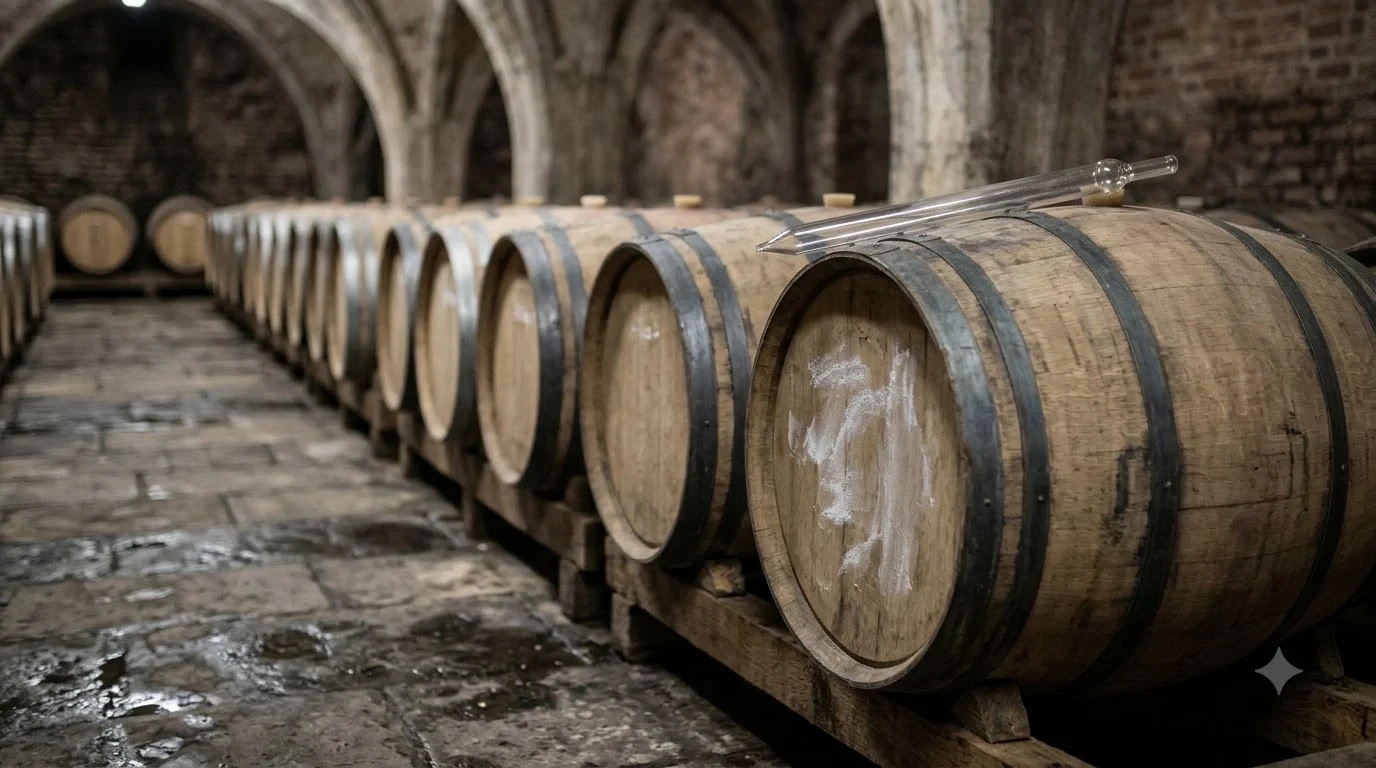
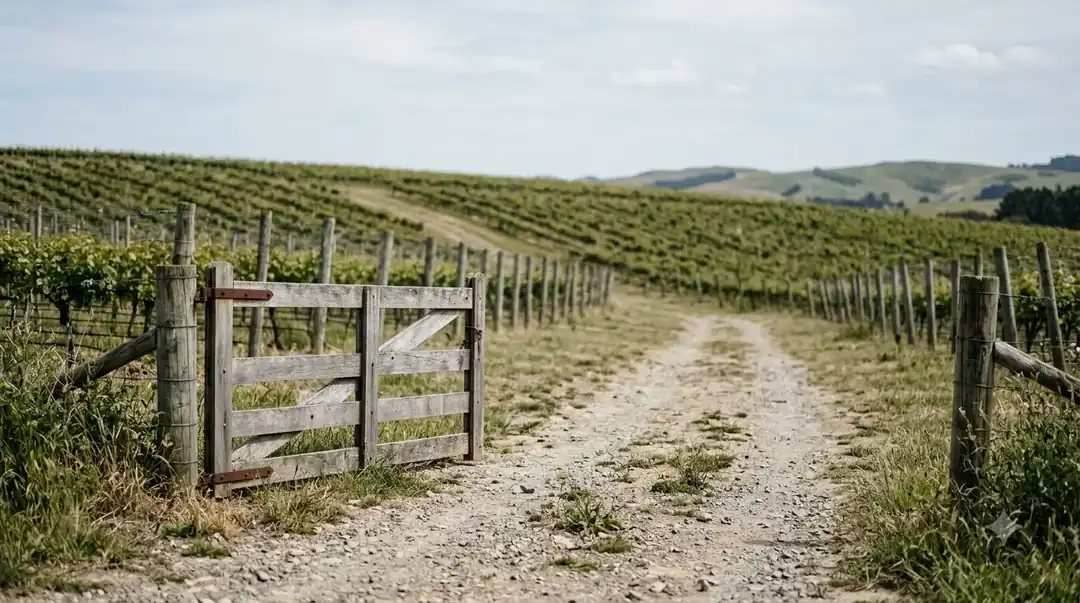
Winemakers craft the base wine from Palomino grapes grown in chalky white albariza soils. After fermenting the juice in stainless steel tanks to roughly 11 to 12 percent alcohol by volume, producers fortify the young wine with grape spirit up to about 15 percent ABV. This specific alcohol level creates the ideal environment for a naturally occurring layer of wild yeast, called flor, to bloom across the surface of the wine inside oak casks.
Because the flor yeast forms a thick, living blanket over the wine, it shields the liquid from oxygen while consuming glycerin and imparting savory, bready aromas. According to the official Consejo Regulador Sherry Wines guide, the name itself translates to “chamomile” in Spanish, a nod to the delicate floral fragrance that defines a classic pour. If you are exploring different wine types, this biological aging process sets it apart from almost every other dry white wine on the shelf.
Flavor Profile and Main Styles
In the glass, this wine is pale straw in color and razor-sharp on the palate, with less than 1 gram per liter of residual sugar in most bottlings. Reviewers and producers consistently highlight aromas of dried chamomile flowers, crushed almonds, fresh bread dough, green apples, and a distinct tang of sea spray and iodine.
While the classic young style dominates tapas bars, bodegas in Sanlúcar release several distinct expressions depending on how long the wine rests in the traditional solera barrel system and how it is bottled. As the wine moves through rows of stacked casks—known locally as criaderas—over three to seven years, its texture and aromatic intensity evolve.
- Manzanilla Fina (Classic): The standard, freshest expression, typically aged for two to five years under an active veil of flor. It delivers brisk acidity, salty minerality, and crisp citrus notes with a clean, slightly bitter almond finish.
- Manzanilla Pasada: An older bottling—aged at least seven years—where the protective yeast layer begins to thin out naturally. That gradual contact with oxygen adds deeper golden color, toasted hazelnut notes, and a rounder, more structured mouthfeel.
- Manzanilla En Rama: A minimally filtered release drawn straight from selected casks, usually in spring or autumn when the flor is at its peak. Wine Folly notes that these unfiltered bottlings pack extra yeasty intensity and textural grip compared to standard releases.
Where It Grows and Why Geography Matters
Every drop of authentic Manzanilla must mature inside the coastal town of Sanlúcar de Barrameda, situated at the mouth of the Guadalquivir River where it meets the Atlantic Ocean. While the Palomino grapes grow across the broader Sherry Triangle, the specific microclimate of Sanlúcar gives the wine its signature coastal personality.
Situated directly across from the wetlands of Doñana National Park, the town’s historic bodegas sit perpendicular to the shoreline to capture cool, humid Atlantic breezes. These maritime winds moderate the fierce Andalusian summer heat and maintain higher year-round humidity than inland towns like Jerez de la Frontera.
As detailed in Bodegas Lustau’s regional breakdown, that cool moisture allows the flor yeast to stay thick and vigorous through all four seasons. Because the yeast blanket never dies back during the summer, the wine experiences zero oxidative aging in its youth, resulting in a lighter, more floral, and noticeably saltier profile than an inland Fino.
How to Serve and Store a Bottle
Treat this fortified wine just like a delicate, crisp white wine rather than an after-dinner digestif. Serving it too warm dulls its refreshing acidity and makes the 15 percent alcohol feel heavy on the palate.
For the best experience, chill the bottle thoroughly in the refrigerator or an ice bucket to between 43 and 46 degrees Fahrenheit (6 to 8 degrees Celsius). Pour it into a standard small white wine glass with a tulip-shaped bowl rather than a tiny traditional copita; the wider bowl lets the delicate chamomile and sea-breeze aromas open up while keeping your hands off the bowl so the liquid stays cold.
Freshness is critical once you pull the cork or twist the cap. Unlike oxidative styles such as Oloroso or Amontillado that hold up for weeks, biological Sherries begin losing their vibrant flor aromatics as soon as air enters the bottle. Store an opened bottle upright in the refrigerator with a tight stopper and finish it within three to seven days, or buy half-bottles (375 ml) so you can enjoy every pour at peak crispness.
Tip: Check the back label for a bottling date or lot code before buying—because this style does not improve in the bottle, you want the freshest release available on the shelf.
Food Pairing and Classic Cocktails
Thanks to its bone-dry finish and mouthwatering salinity, this wine pairs effortlessly with foods that normally clash with standard still wines. Dishes loaded with vinegar, raw garlic, brine, or intense umami—which can make oaked whites taste metallic—are elevated by a cold glass.
In Andalusia, locals rarely drink a glass without something salty on the table. Freshly shucked oysters, fried calamari, grilled shrimp, salted Marcona almonds, green olives, and thinly sliced Jamón Ibérico are classic companions. It also shines alongside sushi, sashimi, ceviche, and cold gazpacho, where its bright acidity cuts through rich fish oils and cleanses the palate between bites.
Beyond food pairings, bartenders rely on this dry Sherry as a low-ABV cocktail modifier. In southern Spain, the signature warm-weather refresher is the Rebujito, a highball mixing one part chilled Manzanilla with two parts lemon-lime soda over plenty of ice and fresh mint. It also adds dry, nutty complexity to stirred classics like a Bamboo cocktail or a 50/50 Martini.
Frequently Asked Questions
Is the double L in Manzanilla pronounced like an L or a Y?
In Spanish, the double “l” is pronounced like the English letter “y” in “yes,” making the ending sound like “NEE-yah.” Pronouncing it with a hard English “l” sound like “vanilla” is incorrect, even though the spelling looks similar to English speakers.
What is the difference between Manzanilla and Fino Sherry?
Both wines are made from Palomino grapes and aged under a protective layer of flor yeast, but Manzanilla can only be aged in the coastal town of Sanlúcar de Barrameda. The cooler, more humid sea air keeps the yeast blanket thicker year-round, producing a lighter, more floral, and noticeably saltier wine than inland Fino.
Does Manzanilla wine taste like chamomile tea?
While the word means “chamomile” in Spanish and the wine carries a subtle dried-flower aroma reminiscent of chamomile blossoms, it is not flavored with tea. It is a pure, dry white wine made from fermented Palomino grapes whose floral and herbal notes develop naturally during barrel aging under yeast.
Is Manzanilla the same thing as Manzanilla olives?
They share the exact same Spanish name and pronunciation (“mahn-sah-NEE-yah”), and both originate from Spain, but they are completely different products. The olive is a popular green table olive variety grown around Seville, while the wine is a dry fortified Sherry produced on the Atlantic coast. Ironically, the two make a classic pairing at tapas bars.
Knowing how to say “mahn-zah-NEE-yah” opens the door to one of Spain’s most refreshing and food-friendly wines. Whether you are reading a wine list at a tapas bar or decoding other classic bottle labels like how to pronounce Claret or how to pronounce Cuvée, a little phonetic confidence goes a long way at the table.
More in Wine Types & Grapes
 Zinfandel Sugar Content: Dry Red vs. White Zinfandel GramsUpdated Nov 21, 2026
 Best Zinfandel Substitute Options for Sipping and CookingUpdated Nov 21, 2026
 Zweigelt Food Pairing: Best Dishes, Cheeses, and Serving TipsUpdated Nov 21, 2026
 Zinfandel Tannins Explained: How Structure Shapes Every BottleUpdated Nov 21, 2026
 Zinfandel Sweetness Level: Dry Red vs. Sweet White Zin ExplainedUpdated Nov 21, 2026
 Xinomavro Food Pairing: Best Dishes, Styles, and Serving TipsUpdated Nov 21, 2026