


We may earn a commission when you buy through links on this page, at no extra cost to you. Learn more.
If you are wondering how to pronounce criolla, say kree-OH-yah (IPA: /kɾiˈoʝa/), placing the stress on the middle syllable and letting the double “L” glide like a soft English “Y.” In casual American English, you will also occasionally hear kree-OH-luh, though wine professionals and Spanish speakers overwhelmingly use the traditional three-syllable pronunciation. The word refers to a historic family of South American wine grapes—most famously Criolla Chica and Criolla Grande—that trace their roots back to the first European vines brought to the Americas.
Walking into an independent wine shop or scanning a progressive restaurant list, spotting a bottle labeled Criolla can trigger a quick moment of hesitation before you order. Because the double “L” behaves differently in Spanish than it does in English—and varies slightly across South American dialects—it is easy to second-guess yourself at the table. Knowing both the standard pronunciation and the fascinating backstory of these heritage vines will let you order criolla wine with complete confidence.
What it is
Criolla is pronounced kree-OH-yah, broken into three distinct syllables where the “LL” sounds like a consonant “Y” rather than an “L.” In Argentina and Uruguay, where Rioplatense Spanish is spoken, native speakers often pronounce that middle consonant with a soft “sh” or “zh” sound, resulting in kree-OH-shah or kree-OH-zhah.
In the wine world, Criolla is not a single grape variety, but rather an umbrella term for a large, interconnected family of native American-born Vitis vinifera crossings. According to Decanter, Spanish colonizers and missionaries brought European grapes—most notably Listán Prieto and Muscat of Alexandria—to the Americas starting in the sixteenth century. Those original European imports naturally cross-pollinated in colonial vineyards, giving rise to dozens of hardy, high-yielding offspring adapted to South American soils and climates.
The foundational member of this clan is Listán Prieto itself, which took on new regional names as missionaries carried cuttings across the continent. In California and Mexico, it became known as the Mission grape; in Chile, growers called it País; and once it crossed the Andes into Argentina, it earned the name Criolla Chica. Subsequent natural crosses between Criolla Chica and Muscat of Alexandria produced siblings like Criolla Grande, Cereza, and the aromatic white grape Torrontés.
| Grape Name | Phonetic Pronunciation | Regional Home | Key Trait |
|---|---|---|---|
| Criolla Chica | kree-OH-yah CHEE-kah | Argentina (also País in Chile, Mission in California) | Light-bodied red with bright acidity and firm, grippy tannins |
| Criolla Grande | kree-OH-yah GRAHN-deh | Argentina (especially Mendoza and San Juan) | Pink-skinned, high-yielding grape used for crisp whites, rosés, and light reds |
| Cereza | seh-REH-sah | Argentina (Mendoza and San Juan) | Cherry-hued skin producing fresh, uncomplicated everyday wines |
| Torrontés | toh-rohn-TESS | Argentina (notably high-altitude Salta) | Aromatic white offspring of Criolla Chica and Muscat of Alexandria |
Flavor and styles
Wines made from Criolla grapes are typically light-bodied, bright, and refreshing, offering an energetic contrast to the dense, dark-fruited reds often associated with South America. Most bottlings showcase tart red berries, wild herbs, and floral aromatics backed by brisk natural acidity rather than heavy oak influence.

Historically, bulk producers in Argentina used high-yielding varieties like Criolla Grande and Cereza to make inexpensive jug wines or white-fleshed rosé blends for domestic consumption. As SevenFifty Daily notes, a new generation of low-intervention winemakers has reclaimed old-vine parcels to craft expressive, terroir-driven bottles. In August 2024, Argentina’s National Institute of Viticulture officially granted Criolla Chica quality red wine status, allowing producers to label and export these paler, translucent reds as serious single-varietal wines rather than relegating them to the rosé category.
On the palate, a well-made Criolla Chica delivers vibrant notes of sour cherry, pomegranate, crushed raspberry, and blood orange, often accompanied by a savory hint of dried mountain scrub or white pepper. Despite its pale ruby or translucent garnet color in the glass, the grape carries surprisingly structured, chalky tannins that give the wine tactile grip. Winemakers also bottle Criolla grapes as bone-dry rosés, skin-contact orange wines, and lively ancestral-method sparkling wines (pét-nat) bursting with fresh berry character.
Where it grows
While the broader Criolla genetic family spans Peru, Bolivia, Chile, and California under various local aliases, wines labeled specifically as Criolla come overwhelmingly from Argentina. The most prized old-vine plantings thrive in high-altitude desert valleys along the foothills of the Andes, where intense sunlight and cool mountain nights preserve natural acidity.
In northern Argentina, regions like Salta and the dramatic Quebrada de Humahuaca in Jujuy feature century-old vineyards planted at elevations exceeding 5,000 feet above sea level. Further south, the traditional oasis regions of Mendoza, San Juan, and the Calingasta Valley preserve sprawling, pergola-trained vines (known locally as parral) that have been tended by multi-generational farming families for decades. Those overhead canopies shade the delicate, thin-skinned clusters from harsh afternoon sun while allowing desert breezes to keep the fruit healthy without synthetic treatments.
Because these heritage vines possess deep root systems and natural resilience to heat and drought, viticulturists increasingly view them as vital assets in a warming climate. Exploring different Wine by Type reveals how few historic varieties manage to retain crisp acidity and moderate alcohol in arid mountain environments the way Criolla does.
How to serve
Serve red and rosé Criolla wines slightly chilled at 55°F to 59°F (13°C to 15°C) to highlight their juicy red fruit and snappy acidity. A quick 20- to 30-minute rest in the refrigerator before pulling the cork brings the bottle right into its sweet spot.
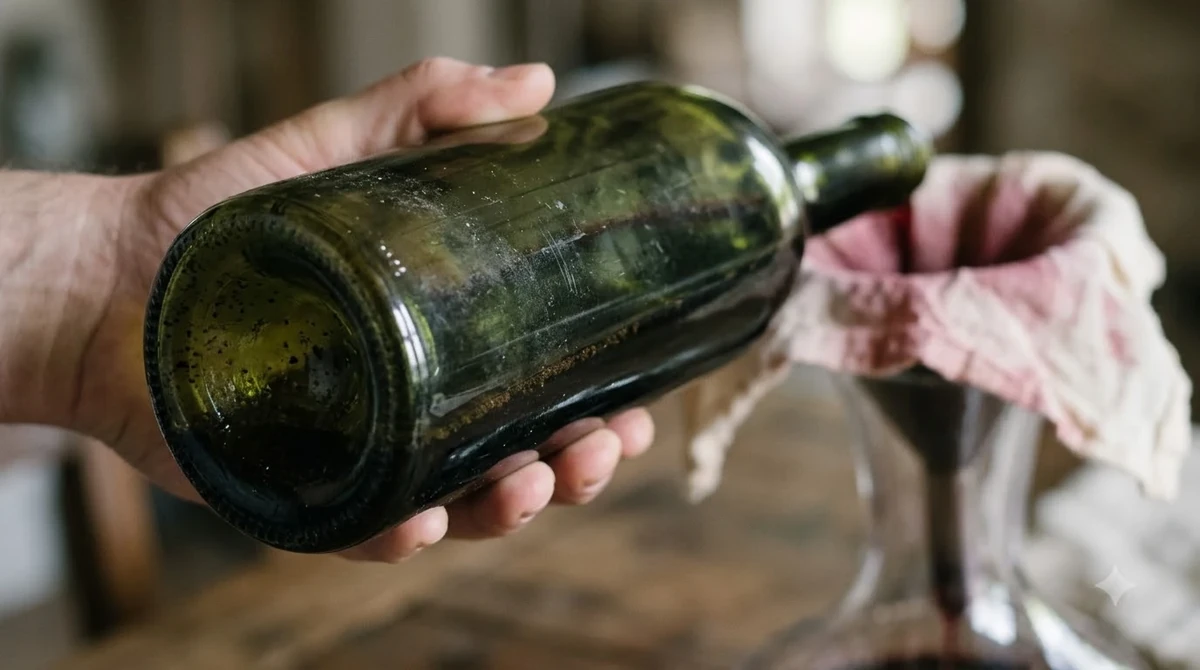
Serving Criolla too warm—at typical room temperature above 70°F—can make its alcohol feel noticeable and flatten out its delicate floral aromatics. Conversely, chilling it straight down to ice-bucket temperatures can clamp down on its savory herbal notes and exaggerate its natural tannic bite. If you are pouring a white or sparkling Criolla expression, treat it like a crisp white wine and chill it closer to 45°F to 50°F (7°C to 10°C).
You do not need specialized stemware or a long decant to enjoy these bottles. An all-purpose white wine glass or a standard tulip-shaped red glass works well to capture the aromatic lift of crushed berries and wildflowers. Most Criolla wines are meant to be drunk young and fresh within a few years of harvest, though swirling your glass for a minute after pouring will quickly open up any tightly wound earthy notes.
Tip: When ordering at a restaurant or chatting with a wine shop clerk, keep the cadence smooth and relaxed—kree-OH-yah—and pair it with the grape’s sub-variety if printed on the label, such as Criolla Chica (kree-OH-yah CHEE-kah).
Food pairing
Criolla’s combination of mouthwatering acidity, moderate weight, and gentle tannins makes it one of the most versatile food wines at the dinner table. It cuts cleanly through rich, fatty dishes without overwhelming delicate herbs, seafood, or lightly spiced fare.
In its Argentine homeland, chilled Criolla is a natural partner for savory baked empanadas, wood-fired fugazza pizza, and charcuterie boards loaded with cured meats and mild cow’s-milk cheeses. Its bright red-berry profile also bridges the gap between white and red wine pairings, making it an easy match for grilled salmon, seared tuna, or roast chicken with fresh herbs. If you enjoy learning how to pronounce claret and pairing classic light-to-medium reds with everyday meals, Criolla fills a similar role with a distinctly South American accent.
When cooking at home, reach for a bottle alongside tomato-based pasta dishes, roasted pork tenderloin, mushroom risotto, or tacos al pastor. The wine’s natural brightness echoes the tang of tomatoes, citrus marinades, and pickled onions, while its subtle tannic structure stands up comfortably to charred meats and smoky spices.
How to choose a bottle
When shopping for Criolla, look closely at the front or back label to identify the specific grape sub-variety and the winemaking style, as the family covers everything from crisp whites to structured reds. Bottles specifying Criolla Chica generally offer the deepest complexity, firmer tannic grip, and purest expression of red fruit, while blends featuring Criolla Grande or Cereza tend to lean lighter, softer, and more immediately quaffable.
Seek out labels that mention old vines (viñas viejas), high-altitude sub-regions such as Calingasta, Uco Valley, or Quebrada de Humahuaca, and minimal-intervention winemaking. Concrete eggs, clay amphorae (tinajas), and neutral used barrels are popular aging vessels among top producers because they preserve the grape’s translucent color and fresh aromatics without masking them in vanilla or toast. Even if you usually gravitate toward familiar classics—and already know how to pronounce chardonnay without thinking twice—picking up an Argentine Criolla offers an approachable, food-friendly window into South America’s oldest viticultural heritage.
Frequently Asked Questions
Is Criolla pronounced with an L sound or a Y sound?
In standard Spanish and within the international wine trade, Criolla is pronounced with a soft “Y” sound: kree-OH-yah. While some English dictionaries list kree-OH-luh as an accepted Anglicized variant, using the “Y” sound aligns with how winemakers and sommeliers pronounce the grape.
Why do some Argentine wine pros pronounce Criolla with a “sh” sound?
In Argentina and Uruguay, speakers use a regional dialect known as Rioplatense Spanish, in which the double “L” (ll) and the letter “Y” are pronounced like a soft “sh” or “zh” sound. As a result, an Argentine winemaker from Mendoza or Buenos Aires will naturally say kree-OH-shah or kree-OH-zhah.
Are Criolla, País, and Mission the exact same grape?
Criolla Chica, Chilean País, and Californian Mission are all the exact same genetic grape variety, originally brought from Spain under the name Listán Prieto. However, “Criolla” as a broader term also encompasses dozens of distinct sibling varieties—like Criolla Grande and Cereza—that originated from natural cross-pollination in South America.
Is Criolla wine sweet or dry?
Almost all modern Criolla wines exported to the United States are fermented completely dry. Although their bright aromas of strawberries, cherries, and wildflowers can give an impression of fruitiness on the nose, they finish crisp, savory, and refreshing on the palate.
Mastering how to pronounce criolla—a smooth kree-OH-yah—takes only a second, yet it opens the door to one of the most compelling chapters in wine history. Whether poured lightly chilled alongside weeknight pizza or shared as a conversation starter at dinner, these historic South American wines reward curious drinkers with vibrant flavor and effortless drinkability.
More in Wine Types & Grapes
 Zinfandel Sugar Content: Dry Red vs. White Zinfandel GramsUpdated Nov 21, 2026
 Best Zinfandel Substitute Options for Sipping and CookingUpdated Nov 21, 2026
 Zweigelt Food Pairing: Best Dishes, Cheeses, and Serving TipsUpdated Nov 21, 2026
 Zinfandel Tannins Explained: How Structure Shapes Every BottleUpdated Nov 21, 2026
 Zinfandel Sweetness Level: Dry Red vs. Sweet White Zin ExplainedUpdated Nov 21, 2026
 Xinomavro Food Pairing: Best Dishes, Styles, and Serving TipsUpdated Nov 21, 2026