

We may earn a commission when you buy through links on this page, at no extra cost to you. Learn more.
criolla wine is a family of historic South American wines made from heritage grapes, especially in Argentina. The name can refer to different varieties rather than one fixed grape, so the bottle may be pale red, rosé, aromatic white, or a fresh skin-contact style. The most talked-about red is Criolla Chica, a grape with deep roots in Argentina and a growing reputation for bright, lighter-bodied wines.
For a first bottle, look for the named grape and region as well as the word Criolla. A Criolla Chica from San Juan can offer a very different experience from a traditional Criolla Grande-based blend from Mendoza, and understanding that distinction makes the category much easier to explore.
What Criolla Wine Means
Criolla wine is not a single standardized style: it is a broad label connected with a historic group of grapes that developed in the Americas from early European vine introductions. In Argentina, the family includes red and pink-skinned varieties as well as aromatic white grapes, which explains why two bottles bearing the Criolla name may look and taste quite different.
The Spanish word criollo is commonly translated as “creole” or locally born. In wine, it describes grape varieties that became established in the Americas after Spanish colonization, including descendants and crosses of early introductions such as Listán Prieto and Muscat of Alexandria. Wine Enthusiast describes Listán Prieto and Muscat of Alexandria as foundational varieties in the early history of South American viticulture, with Criolla grapes emerging from them and their descendants.
That history is more complicated than a single family tree. Criolla Chica is the Argentine name for Listán Prieto, while Criolla Grande is a separate variety with its own parentage. Other grapes associated with the larger Criolla group include Cereza, Pedro Giménez, Moscatel and Torrontés. A wine made from one of these varieties is not automatically interchangeable with a bottle made from another.
Some Criolla grapes were planted widely for generous crops and everyday wine or grape must. Today, growers and winemakers are also returning to selected old vineyards and adapting extraction to make wines with freshness, texture and a clear sense of place.
The Grapes Behind the Criolla Name
The best-known red grape in the modern revival is Criolla Chica, also known as Listán Prieto. It has large berries and relatively pale skins, yet it can give wine a firm tannic structure, an unusual combination that rewards gentle handling in the cellar.
Criolla Chica is sometimes confused with Criolla Grande because both names begin with Criolla and both are part of Argentina’s heritage-vine story. They are not the same grape. Argentina’s national viticulture authority identifies Criolla Grande, also called Sanjuanina, as a cross between Muscat of Alexandria and Listán Prieto. It is a distinct variety, generally associated with high yields and lightly colored wines.
Cereza is another important pink-skinned Criolla variety, while Pedro Giménez and Moscatel varieties contribute to the country’s varied white-wine landscape. Torrontés is especially important to Argentine wine identity, but it should be treated as its own grape and style rather than as a synonym for Criolla Chica or Criolla Grande. A label that names Torrontés is telling you something different from a label that names Criolla Chica.
For shoppers, “Criolla Chica” is a more precise indication of grape variety than a label that simply says Criolla. A regional or producer name adds context, but the variety is the clearest first clue to the style in the bottle.
Argentine Regions That Shape the Style
Argentina’s Criolla vineyards are spread across several regions, but San Juan and Mendoza are especially important to the story of Criolla Chica and Criolla Grande. Altitude, sunlight, old-vine sites and local cellar decisions all influence whether the finished wine feels delicate, savory, structured or fruit-forward.
In San Juan, the Calingasta Valley and the area around Barreal have become closely associated with the modern Criolla Chica revival. Decanter’s account of the Criolla Chica revival reports that Cara Sur bottled its first Criolla Chica in 2014 from 100-year-old vines in Barreal, after the project began rescuing old vineyards in Calingasta. The high-desert setting and the age of the plantings help explain why growers regard these sites as heritage resources, not simply as sources of inexpensive blending fruit.
Mendoza offers a wider set of locations and approaches. Producers work with Criolla Chica in areas including the Uco Valley, Tupungato, Los Chacayes, Vista Flores, San Martín and Rivadavia. In northern Argentina, vineyards in the Calchaquí Valleys and Quebrada de Humahuaca add another dimension; Decanter notes that Quebrada de Humahuaca reaches about 2,600 meters above sea level. That altitude is one reason regional identity matters: a wine from a high Andean site should not be assumed to taste exactly like one from a warmer, lower vineyard.
Criolla Grande has a different agricultural history. According to Argentina’s national viticulture authority, the variety was widely planted in the Cuyo region, often in pergola-trained vineyards alongside Cereza. The authority recorded 14,040 hectares in 2018, equal to 6.4% of the country’s total vineyard area at that time; 96.6% of those plantings were in Mendoza and 3.2% in San Juan. Those are historical figures, not a current acreage estimate, but they show how significant Criolla Grande once was in Argentina’s vineyard economy.
| Milestone or measure | Figure | What it shows |
|---|---|---|
| Criolla Grande plantings recorded by Argentina’s viticulture authority in 2018 | 14,040 hectares | A large historic footprint in the national vineyard |
| Share of Argentina’s vineyard area in that record | 6.4% | The scale of Criolla Grande before later reductions |
| Mendoza share of those Criolla Grande plantings | 96.6% | The variety’s strong concentration in Mendoza |
| San Juan share of those Criolla Grande plantings | 3.2% | A much smaller but notable Cuyo presence |
| Cara Sur’s first Criolla Chica bottling from Barreal | 2014 | A milestone in the modern revival of old-vine Criolla Chica |
The figures show how much more land Criolla Grande historically occupied than Criolla Chica. The latter has gained attention through selected old sites and single-variety bottlings, while Criolla Grande remains part of the region’s broader agricultural history.
Flavor, Body and Winemaking Choices
Many modern Criolla Chica reds are lighter in color and body than Cabernet Sauvignon or Malbec, with lively red-fruit character and a savory edge. Their texture can be more structured than their pale appearance suggests, so do not assume that a light ruby color means the wine has no grip.
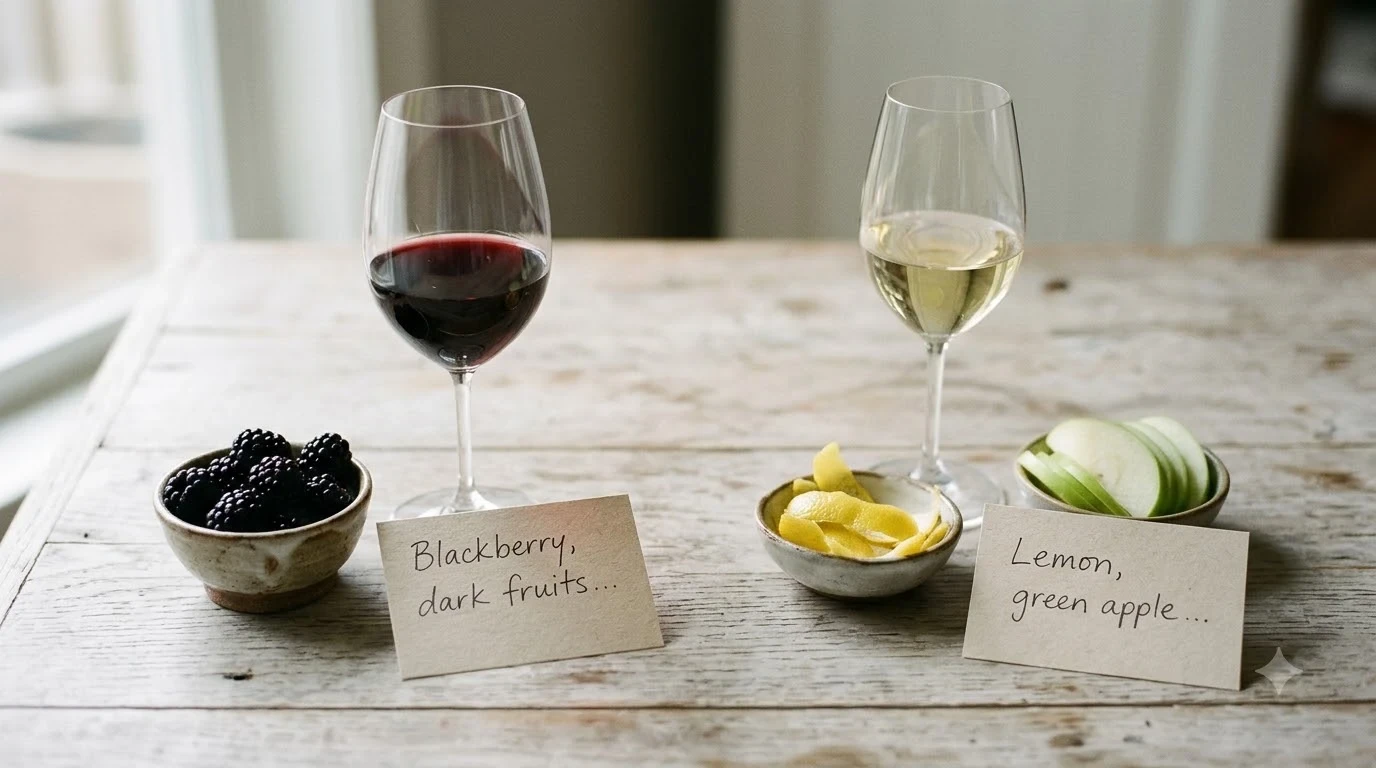
Common descriptors for carefully made Criolla Chica include tart cherry, raspberry, cranberry, wild herbs, dried flowers and subtle earthy or mineral notes. The exact profile depends on site, vintage and extraction. A cooler or higher-altitude vineyard may emphasize freshness, while a warmer site or more extractive cellar approach can make the wine feel broader and firmer. These are useful tasting cues, not a fixed checklist that every bottle must meet.
Winemaking has a major effect on the result. VinePair explains that restrained extraction and a less interventionist fermentation can limit the tannin drawn from the skins, producing a fresher, fruit-led red. More skin contact, punch-downs or extended maceration can build a firmer structure. Some producers use concrete or neutral vessels to preserve fruit and site character; others experiment with used oak. Decanter, for example, describes a Criolla Chica from Rocamadre aged for six months in used French oak, showing that the grape is not restricted to one cellar method.
Old vines can add character, but age alone does not guarantee quality. VinePair reports that Bodega El Esteco has made light, fruity Criolla wines from 60-year-old vines in the Calchaquí Valley, while Wine Enthusiast describes Cara Sur’s work with octogenarian vines in Barreal. Vineyard care, healthy fruit and balanced cellar decisions matter just as much. The wider Criolla group also includes aromatic white grapes and varieties used for rosé, so read the grape name and wine color together rather than expecting every bottle to resemble a pale red.
How to Serve Criolla Wine and Pair It with Food
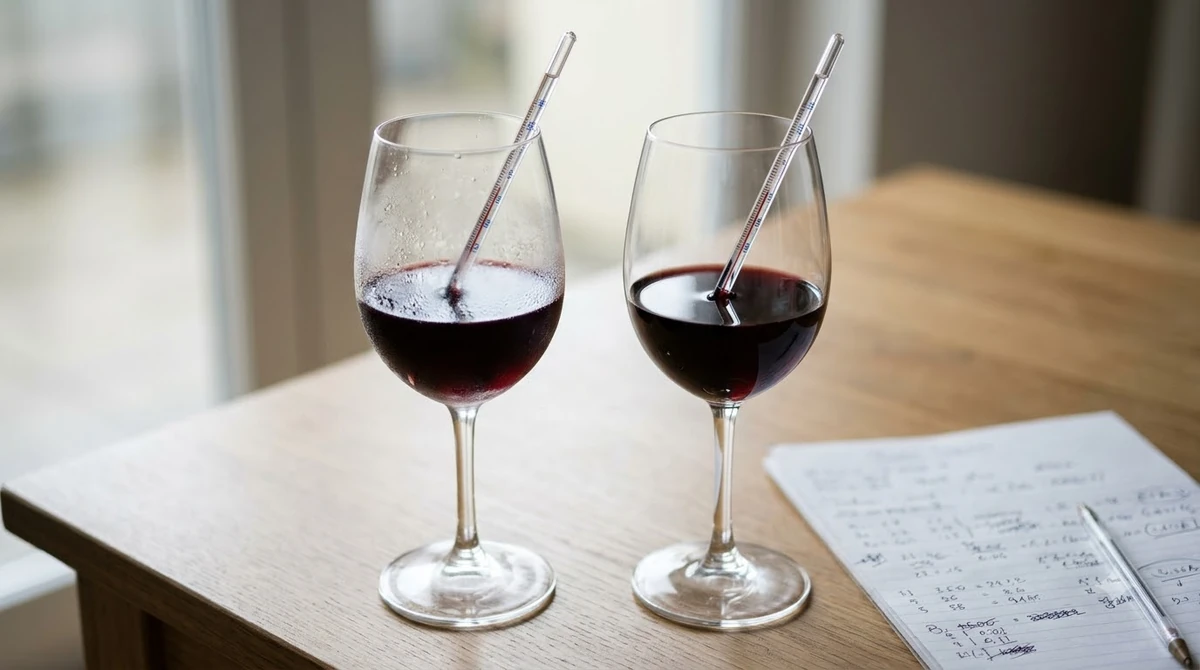
Serve a light, fresh Criolla Chica red slightly cool, around 55–60°F, so its fruit stays lively and its tannins feel measured. If the bottle is fuller or more structured, let it warm toward 60–65°F rather than serving it refrigerator-cold or at a warm room temperature.
For food, start with dishes that match the wine’s weight and acidity. Roast chicken, grilled pork, empanadas, mushroom pizza and charcuterie are dependable choices for a lighter red. The wine’s freshness can cut through savory richness, while moderate tannin is usually less demanding than the grip found in a strongly extracted Cabernet Sauvignon or Syrah.
Salt and fat soften the impression of tannin, which makes cured meats, hard cheeses and grilled foods useful partners for a more structured Criolla Chica. Acidic ingredients need a wine with equal or higher acidity, so a tomato-based dish or a salad with sharp vinaigrette is best with a bright, lively bottling. For a rosé or aromatic white from the wider Criolla family, grilled vegetables, seafood, fresh cheeses and herb-driven dishes may be better fits than a heavy red-meat plate.
Tip: Chill a light Criolla Chica for about 20–30 minutes before serving, then pour a small taste. If the wine seems muted, give it a few minutes in the glass; if the tannin feels hard, pair it with salty food or a dish with some fat.
Avoid pairing a high-alcohol, firmly tannic red with very hot chili dishes, because alcohol and tannin can amplify the sensation of heat. Oily fish can also clash with tannic reds. For salmon, tuna or sardines, choose a white or rosé Criolla style if one is available, or select a red with very little tannin and serve it cool.
A standard pour is 5 ounces, so a 750-milliliter bottle yields about five servings. When comparing bottles, serve them at the same temperature and in similar glasses to make differences in acidity, body and tannin easier to recognize.
Choosing, Storing and Understanding a Bottle
Begin with the grape name, then look for the producer and growing region. “Criolla Chica” points to a more specific red-wine expectation than “Criolla” alone, while “Criolla Grande” identifies a different grape with a history of high yields and pale wines. If the label names a place such as Barreal, Calingasta, Uco Valley or the Calchaquí Valley, it gives you a useful starting point for understanding the wine’s origin.
Producer information can reveal whether the wine comes from an old vineyard, a single parcel or a blend. Cara Sur is closely linked with the rescue of old Criolla Chica vines in Calingasta, while producers in Mendoza and Salta have explored different sites and cellar choices. A single-variety bottling can show the character of one grape more clearly; a blend may be designed for immediate balance and everyday drinking. Neither approach is automatically better—the important point is knowing which style the winemaker intended.
There is also a meaningful change in how Criolla Chica can be presented in Argentina. Resolution 30/2024 of the Instituto Nacional de Vitivinicultura added Criolla Chica to the varieties approved for quality red wine. That decision recognized the grape’s suitability for quality red production and made it possible for producers to present it in that category, rather than treating it only as a rosé variety. For the official wording, see the Argentine resolution approving Criolla Chica.
For readers learning the wider range of grapes, the Criolla grape entry gives useful background, while the page on how to pronounce Criolla helps with the name. Those distinctions also make it easier to browse wine by type without treating every historic South American grape as one style.
Store an unopened bottle on its side in a cool, dark place near 55°F, away from sunlight and temperature swings. A lighter Criolla red is generally best enjoyed while its fruit is fresh, although structured examples may develop for a few years. After opening, reseal it and refrigerate; most still wines are best within 3–5 days. Bring a red back toward its serving temperature before pouring.
Frequently Asked Questions
Is Criolla Chica the same grape as País?
Yes. Criolla Chica is the Argentine name for the grape called País in Chile and Mission in California. The Spanish name Listán Prieto is also used for the same variety, reflecting its European history before it spread through the Americas.
Why is Criolla Chica recognized as suitable for quality red wine?
Argentina’s national viticulture authority evaluated the grape’s natural polyphenolic and anthocyanin composition when assessing its suitability. The resolution also recognizes that authorized winemaking practices can produce quality red wine from this variety.
Can Criolla Chica be used to make sparkling wine?
Yes. Researcher Jorge Prieto told Decanter that producers and researchers had been testing Criolla Chica for both still and sparkling wine, using different clones. That work shows the grape is being explored beyond the familiar light red style.
Can an Argentine Criolla Chica carry a quality designation?
Argentina’s Resolution 30/2024 includes Criolla Chica among the red varieties recognized as suitable for quality wine. The country’s geographical indication and controlled denomination systems are reserved for quality wines, so a qualifying bottling may carry an origin designation when it meets the applicable rules.
Does every Criolla wine come from Argentina?
No. The broader historic family is found across South America, and related grapes are grown in Chile, Peru and Bolivia as well. Argentina is especially important for Criolla Chica, Criolla Grande and aromatic descendants such as Torrontés, but the wider story crosses national borders.
Criolla wine offers a direct connection to the earliest chapters of South American viticulture, but it is not a single taste or color. Start by identifying the grape—especially whether the bottle is Criolla Chica or Criolla Grande—then use the producer and region to set expectations. A well-made bottle can show freshness, texture and a distinctive sense of place without needing the weight of a conventional full-bodied red.
More in Wine Types & Grapes
 Zinfandel Sugar Content: Dry Red vs. White Zinfandel GramsUpdated Nov 21, 2026
 Best Zinfandel Substitute Options for Sipping and CookingUpdated Nov 21, 2026
 Zweigelt Food Pairing: Best Dishes, Cheeses, and Serving TipsUpdated Nov 21, 2026
 Zinfandel Tannins Explained: How Structure Shapes Every BottleUpdated Nov 21, 2026
 Zinfandel Sweetness Level: Dry Red vs. Sweet White Zin ExplainedUpdated Nov 21, 2026
 Xinomavro Food Pairing: Best Dishes, Styles, and Serving TipsUpdated Nov 21, 2026