

We may earn a commission when you buy through links on this page, at no extra cost to you. Learn more.
How to pronounce barolo: Say bah-ROH-loh, using three distinct syllables and placing the strongest emphasis on the middle syllable, ROH. Barolo is an Italian red wine from Piedmont, and its name comes from a town in the same region. The pronunciation becomes much easier once you recognize the Italian vowel sounds and avoid putting the emphasis on the first or final syllable. You do not need a perfect Italian accent to say the name naturally and confidently.
Some Italian wine names look more complicated than they sound, particularly if you usually order familiar American or French wines. Barolo is a good example: the spelling is short, but English speakers sometimes pronounce it with the wrong rhythm or turn its final vowel into a different sound. Learning the correct pronunciation is useful at restaurants, wine shops, tasting events, and conversations about Italian wine. It also helps to understand where the name comes from and why it appears on bottles alongside terms such as Nebbiolo, Riserva, and Langhe.
The Correct Pronunciation of Barolo in Three Syllables
The simplest way to say Barolo is bah-ROH-loh. Divide the word into three parts, keep the vowels clear, and give the middle syllable the strongest emphasis. This pronunciation follows the Italian form while remaining comfortable for American English speakers.
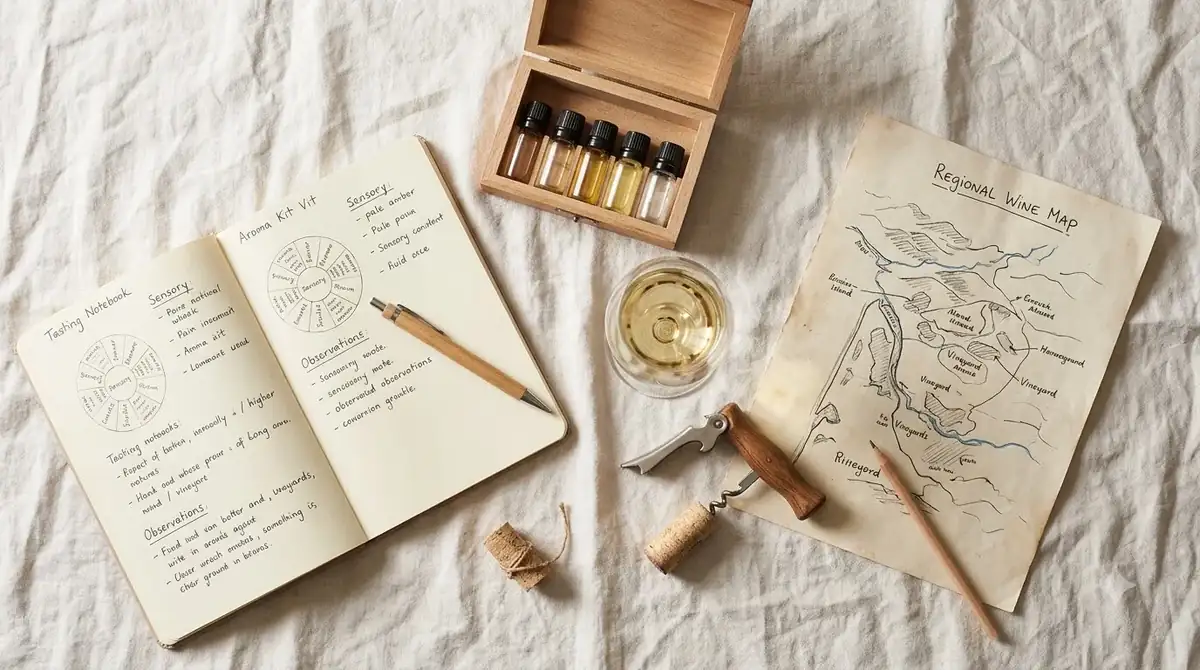
Think of the word as three connected sounds rather than one long English word. The first part, bah, should be relatively light. The second part, ROH, carries the main stress, while the final loh completes the name without an additional emphasis.
A practical breakdown looks like this:
- Ba: Start with a relaxed, open vowel, similar to the beginning of the word father. Keep this syllable short.
- Ro: Make this the strongest part of the word. Use a clear R sound followed by a rounded O vowel.
- Lo: Finish with a distinct L sound and a rounded final O. Do not drop the ending or turn it into a separate stressed syllable.
Say each part slowly at first: ba, ro, lo. Then connect them without inserting pauses: ba-RO-lo. Finally, increase the speed until the word sounds like one smooth name. The middle syllable should remain the most prominent even when you speak at a normal conversational pace.
The Italian dictionary Treccani writes the name as Baròlo, using an accent mark to identify the stressed vowel. That spelling provides a useful clue for English speakers who might otherwise assume that the final O receives the emphasis. The dictionary also identifies the word as the name of a Piedmontese red wine derived from the municipality of Barolo.
For an additional reference, the Forvo Italian pronunciation recording lets you hear a contribution from a male speaker from Italy. Listen to the recording several times and pay attention to the relationship between the three syllables rather than concentrating on an exaggerated accent.
Which Syllable Gets the Stress?
The second syllable receives the primary stress in Barolo. That means ROH should sound slightly stronger and more prominent than the opening BA and the closing LO.
Stress is one of the most important parts of pronouncing Italian wine names correctly. English speakers often rely on familiar spelling patterns when encountering unfamiliar words, but those habits can produce an incorrect rhythm. With Barolo, the most common mistake is making the first syllable too prominent or stretching the final syllable as though the word were pronounced ba-ro-LOW.
Compare these pronunciations:
- Correct: bah-ROH-loh. The middle syllable is strongest.
- Incorrect: BAR-oh-loh. The first syllable receives too much emphasis.
- Incorrect: bah-ro-LOW. The final syllable receives too much emphasis.
- Less natural: BAR-oh-LOW. Both ends become overly prominent, disrupting the Italian rhythm.
A useful practice method is to clap once on the second syllable. Say ba, clap on ROH, and finish with lo. Repeat the exercise five times, gradually reducing the pauses between syllables. When you can maintain the same rhythm without clapping, the pronunciation should feel much more natural.
You can also practice by saying the name in a sentence. For example, try, “I’d like to see the Barolo on your wine list.” Concentrate on making ROH clear without making the entire word sound theatrical. Another useful sentence is, “This Barolo comes from Piedmont.” Both examples help move the pronunciation from an isolated vocabulary exercise into ordinary conversation.
Remember that stress does not mean shouting or dramatically lengthening one vowel. The middle syllable should simply receive the strongest rhythmic emphasis. A natural Italian-influenced pronunciation is generally more effective than an exaggerated imitation of an accent.
Italian and American English Pronunciation Differences
American English speakers can pronounce Barolo naturally without reproducing every detail of an Italian accent. The main differences involve vowel quality, the treatment of the R, and the rhythm of the three syllables.
Cambridge Dictionary provides the American English pronunciation as /bəˈroʊ.loʊ/. This transcription is useful because it shows the reduced opening vowel, the stressed middle syllable, and the final English-style rounded vowel. It is a practical reference for Americans who want to recognize and say the wine’s name in everyday conversation.
Italian pronunciation generally keeps the vowel sounds more consistent than American English does. Italian has five basic vowel letters, and the letter O represents a rounded vowel rather than the changing vowel movement commonly heard in English words such as go. Consequently, the final O in Barolo should remain audible instead of disappearing into a vague ending.
The Italian R also deserves attention. In Italian, the letter R is generally produced with a brief tongue-tip vibration or tap. American English typically uses a smoother approximant R, as in red. If you cannot comfortably produce an Italian rolled R, an ordinary American R is perfectly understandable. Concentrating on the correct syllable stress and the three vowel sounds is more useful than forcing a roll.
Here are the main differences to keep in mind:
- Opening vowel: Italian uses a clear A sound, while the American English dictionary transcription shows a reduced initial vowel.
- Middle vowel: Both versions make the second syllable prominent, although the precise vowel quality can differ.
- R sound: Italian commonly uses a tapped or trilled R, whereas American English uses its familiar R sound.
- Final vowel: Italian keeps a clear O, while American English commonly uses the rounded vowel represented by the spelling in the word go.
Neither a regional Italian accent nor a perfect imitation is necessary in an American restaurant. A clearly spoken bah-ROH-loh will be readily recognizable. If you want to practice the more authentic version, compare your pronunciation with an Italian recording and listen for the short, clean vowel transitions.
For readers learning several wine names together, it helps to compare the pronunciation of Barolo with other familiar terms. The guides on how to pronounce chardonnay and how to pronounce claret provide useful practice with different European wine naming traditions.
Where the Name Barolo Comes From
Barolo takes its name from a municipality in the Langhe area of Piedmont, northwestern Italy. The wine and the place share the same name, which explains why the pronunciation is closely connected to Italian geography and local wine culture.
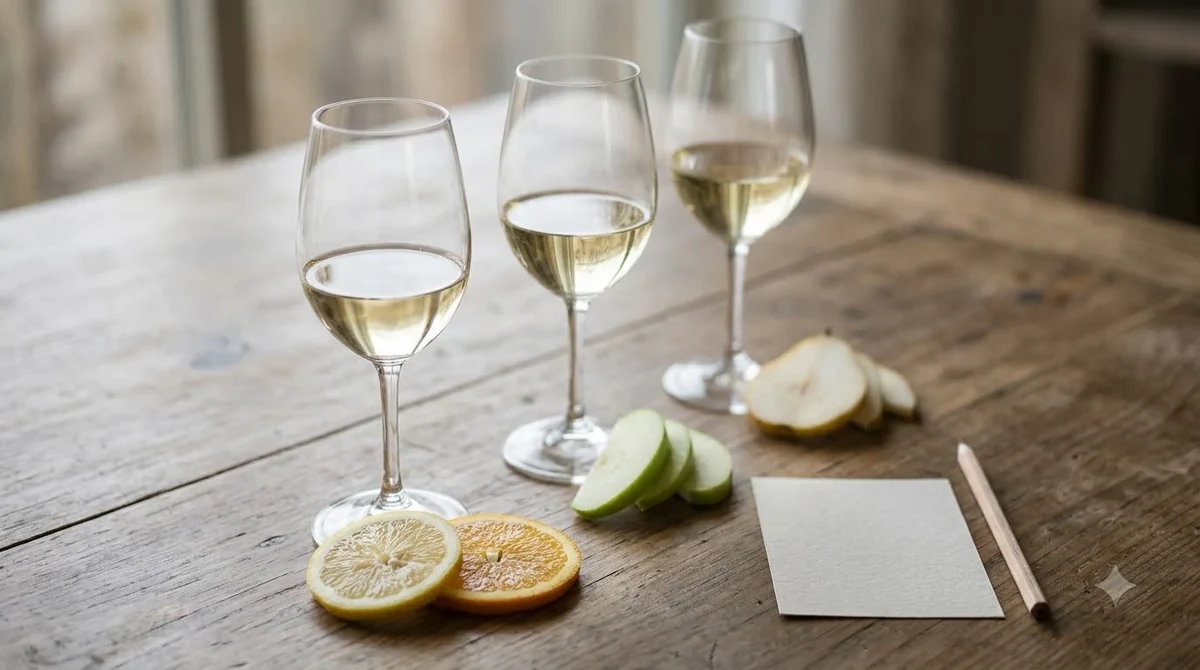
The Barolo production area includes 11 municipalities or portions of municipalities in the province of Cuneo. Important names associated with the area include Barolo, La Morra, Serralunga d’Alba, Castiglione Falletto, and Verduno. These place names frequently appear in discussions of Barolo because vineyard location and local growing conditions contribute to differences between wines.
According to Piemonte’s regional agricultural information, Barolo is made exclusively from Nebbiolo grapes. The wine is classified as DOCG, Italy’s highest traditional wine designation category. The regional description identifies it as dry, full-bodied, and harmonious, with a minimum alcoholic strength of 13% by volume.
The name also carries a long historical association with the Italian wine trade. The Langhe Monferrato Roero tourism organization traces Barolo’s beginnings to the mid-nineteenth century and identifies Marquise Giulia Colbert Falletti and statesman Camillo Benso di Cavour in its historical account. The wine later became associated with the Savoy court and developed an international reputation.
Modern Barolo labels can include additional geographical information. The regional tourism organization identifies 181 Additional Geographical References associated with the denomination. These references help identify particular production areas and provide more detail about the wine’s geographical origin.
Understanding the place name also makes it easier to recognize related terminology on a wine list. For example, La Morra and Serralunga d’Alba are not grape varieties or alternative wine styles. They are geographical names within the Barolo production area. If a server mentions one of these places, you can recognize that the conversation concerns where the grapes were grown.
The regional background is also useful when choosing a bottle. Two wines labeled Barolo can come from different municipalities or geographical references, and they may express different combinations of fruit, structure, and aromatic character. The shared appellation establishes important production requirements, but it does not mean every bottle tastes exactly alike.
How to Pronounce Nebbiolo and Other Related Wine Terms
Nebbiolo is the grape variety used to make Barolo, and its pronunciation is another useful Italian wine term to learn. Other names, including Barbaresco, Langhe, and Riserva, frequently appear in the same conversations.
Nebbiolo is commonly pronounced neb-BYOH-loh. It has four syllables, with the strongest emphasis on the BYOH portion. The word is worth learning because it appears on wine lists, bottle descriptions, and conversations about Piedmontese red wines.
Here is a practical pronunciation reference for several terms associated with Barolo:
- Nebbiolo: neb-BYOH-loh. The second syllable receives the main emphasis.
- Barbaresco: bar-bah-RES-koh. Give the third syllable the strongest emphasis.
- Piedmont: PEED-mont in common American English. The Italian regional name is Piemonte, pronounced pee-eh-MON-teh.
- Langhe: LAHN-gheh. The final combination has a hard G sound rather than the English sound in the word change.
- Riserva: ree-ZEHR-vah. The second syllable receives the strongest emphasis.
- La Morra: lah MOR-rah. Keep the two R sounds distinct without overcomplicating the name.
- Serralunga d’Alba: ser-rah-LOON-gah DAHL-bah. This is a geographical name associated with the Barolo production area.
These pronunciations are practical English-language approximations rather than detailed phonetic transcriptions. Regional Italian speech can vary slightly, and speakers may use different degrees of vowel openness or R vibration. For an American wine conversation, a clear and consistent pronunciation is more important than reproducing every local accent feature.
It is also useful to distinguish Barolo from Barbaresco. Both are important Piedmontese wines made from Nebbiolo, but they come from separate appellations. Barolo is associated with 11 municipalities or parts of municipalities, while Barbaresco has its own production area and regulations. They are related wines, not interchangeable geographical names.
Wine terminology becomes easier to remember when you study it in groups. Rather than learning a single isolated word, practice the grape, region, and wine name together. Saying “Nebbiolo from Barolo in Piemonte” is a simple exercise that reinforces several useful pronunciations at once.
Readers who enjoy expanding their wine vocabulary can also explore how to pronounce cuvee. For broader background on grape varieties, regional wines, and different wine styles, visit Wine by Type.
Barolo Aging, Wine Characteristics, and Serving Details
Knowing how to pronounce Barolo is especially useful when discussing its production requirements and distinctive characteristics. The wine is made from 100% Nebbiolo, has a minimum aging requirement of three years, and develops a recognizable combination of acidity, tannin, and aromatic complexity.
According to Piemonte’s regional agricultural information, standard Barolo must undergo at least three years of barrel aging, while Riserva requires at least five years of aging. The regional tourism organization’s technical information specifies that the standard aging period includes at least 18 months in oak barrels. These requirements help explain why Barolo is commonly associated with structured, age-worthy Italian red wines.
The distinction between standard Barolo and Riserva is important when reading a wine list. Riserva is a regulated designation rather than simply a decorative term chosen by a producer. It indicates a longer minimum aging period, although additional aging does not automatically mean that every Riserva will taste better to every drinker.
The wine is generally known for firm tannins and high acidity. Common aromatic descriptions include red cherry, dried flowers, licorice, earth, and savory notes. With bottle age, some Barolos can develop more complex aromas, including dried fruit, leather, and earthy characteristics.
Its relatively pale garnet appearance can surprise people who expect a highly concentrated, dark red wine. Nebbiolo’s structure comes from its combination of tannin and acidity rather than simply from deep color. This distinction helps explain why Barolo can feel powerful even when the wine appears comparatively transparent in the glass.
The following table summarizes practical details for understanding the denomination:
| Characteristic | Barolo | Barolo Riserva |
|---|---|---|
| Primary grape | 100% Nebbiolo | 100% Nebbiolo |
| Minimum aging | 3 years | 5 years |
| Minimum oak aging | 18 months | 18 months |
| Minimum alcohol by volume | 13% | 13% |
| Wine classification | DOCG | DOCG |
The aging requirements and minimum alcohol level are useful reference points when comparing labels. The three-year and five-year figures describe minimum aging periods, not a promise that every bottle will have identical development or drinking characteristics. Producers can use different cellar approaches, and vineyard location can influence the final style.
Serving temperature and glassware
The regional tourism organization recommends serving Barolo at 18–20 degrees Celsius, approximately 64–68 degrees Fahrenheit. For a practical home serving range, aim for approximately 60–65 degrees Fahrenheit rather than serving a full-bodied red wine excessively warm.
A large-bowled red wine glass gives the wine room to open aromatically. A generous bowl also allows you to swirl a small amount without spilling. A standard 5-ounce pour in a 750-milliliter bottle provides approximately five glasses, making it easy to plan a tasting with several people.
Decanting and food pairing
Young, full-bodied Barolo can benefit from 30–60 minutes of decanting. This gives the wine additional contact with air and allows its aromas to become more expressive. Older bottles require more care because extended exposure to oxygen can diminish delicate aromas.
Food pairing is another reason to understand Barolo’s structure. Its firm tannins and high acidity work particularly well with rich foods, roasted meats, and dishes featuring earthy ingredients. The Langhe Monferrato Roero tourism organization specifically recommends venison, poultry, and intensely flavored hard cheeses.
Tip: Serve Barolo with braised beef, roasted venison, mushroom risotto, or aged hard cheese. Aim for 60–65 degrees Fahrenheit for a practical serving temperature, and consider decanting a young, full-bodied bottle for 30–60 minutes before dinner.
When pairing Barolo with food, remember that salt and fat can soften the perception of tannin. This makes rich meat dishes and aged cheeses particularly suitable companions. Highly spicy food is less predictable because alcohol and tannin can intensify the sensation of chili heat.
For a classic Piedmontese-inspired dinner, consider braised beef with mushrooms or a slow-cooked meat dish accompanied by a Barolo-based sauce. These foods complement the wine’s structure without overwhelming its aromatic character. Aged cheese can also provide a satisfying finish to the meal.
Simple Exercises for Saying Barolo Naturally
The easiest way to remember Barolo’s pronunciation is to practice it in short, realistic situations. Focus on the middle-syllable stress, the clear final O, and a smooth three-syllable rhythm.
Start with a slow pronunciation exercise. Say BA, ROH, and LO separately, giving the second syllable a little more emphasis. Repeat the sequence five times, then say the entire word at a comfortable pace. Avoid making the opening syllable too long or turning the final syllable into an additional stressed beat.
Next, practice the name in everyday wine-related sentences:
- “Could you recommend a Barolo from Piedmont?”
- “I’d like to compare Barolo and Barbaresco.”
- “Is this wine made entirely from Nebbiolo?”
- “Does the wine list include a Barolo Riserva?”
- “Would this Barolo work with the braised beef?”
Each sentence gives you a slightly different speaking context. Ordering a bottle requires a clear pronunciation, while discussing the grape variety requires you to connect several Italian terms without slowing down too much.
Another helpful exercise is to listen to an Italian speaker and repeat the word immediately afterward. Try three rounds: first, listen without speaking; second, repeat slowly; and third, repeat at ordinary conversational speed. Compare the placement of the stress rather than trying to copy every detail of the speaker’s accent.
You can also use the wine label as a visual reminder. When you see Barolo, mentally divide the word into BA-ROH-LOH. If the bottle also says Riserva, practice the two terms together. This creates a useful connection between written wine terminology and spoken pronunciation.
For an additional challenge, describe the wine in one complete sentence. For example: “Barolo is a structured red wine from Piemonte made with Nebbiolo.” This combines the name, grape, and region in a way that mirrors real wine conversations.
Do not worry if your first attempt sounds slightly American. Wine terminology is used internationally, and pronunciation naturally reflects the speaker’s language background. Clear syllables and correct emphasis are enough to make the name recognizable in most restaurants and tasting rooms.
Frequently Asked Questions
Is Barolo pronounced differently in northern and southern Italy?
Local accents can affect vowel quality and the way speakers articulate the R. The standard Italian name remains Barolo, and the middle syllable is the important stress point. A speaker from Piedmont may sound different from someone speaking with a southern Italian accent without using a different wine name.
Does Barolo have an accented letter in Italian spelling?
The normal written name is Barolo, without an accent mark. The dictionary form Baròlo uses a grave accent as a pronunciation aid to identify the stressed vowel. That mark is useful for language learning but is not normally printed on wine labels.
Can Barolo be pronounced with a tapped Italian R instead of a rolled R?
Yes. Italian speakers can produce an R with a single tap or multiple brief vibrations depending on the speaker and context. Both are recognizable Italian R articulations, so a dramatic trill is not necessary to pronounce the name naturally.
Does the name Barolo mean king of wines?
Barolo is popularly associated with the expression “king of wines, wine of kings.” This historical nickname reflects the wine’s reputation and association with European royal courts. It is a traditional description rather than a literal translation of the Italian word Barolo.
Is Barolo pronounced the same way when discussing Barolo Chinato?
Yes. The word Barolo retains the same three-syllable pronunciation and middle-syllable stress in Barolo Chinato. Chinato is pronounced kee-NAH-toh, with emphasis on its middle syllable. Barolo Chinato is a distinct aromatized wine made with natural flavorings, including cinchona.
Once you remember bah-ROH-loh, you can recognize and pronounce one of Italy’s most important wine names with confidence. Practice the three syllables, emphasize the middle one, and use the name in a few everyday wine conversations. Understanding its connection to Nebbiolo and Piedmont makes the word even easier to remember when you encounter it on a restaurant menu or wine bottle.
More in Wine Types & Grapes
 Zinfandel Sugar Content: Dry Red vs. White Zinfandel GramsUpdated Nov 21, 2026
 Best Zinfandel Substitute Options for Sipping and CookingUpdated Nov 21, 2026
 Zweigelt Food Pairing: Best Dishes, Cheeses, and Serving TipsUpdated Nov 21, 2026
 Zinfandel Tannins Explained: How Structure Shapes Every BottleUpdated Nov 21, 2026
 Zinfandel Sweetness Level: Dry Red vs. Sweet White Zin ExplainedUpdated Nov 21, 2026
 Xinomavro Food Pairing: Best Dishes, Styles, and Serving TipsUpdated Nov 21, 2026