

We may earn a commission when you buy through links on this page, at no extra cost to you. Learn more.
how to pronounce amarone: say ah-mah-ROH-neh, with four syllables and the stress on the third syllable, “ROH.” Keep the final “e” audible rather than dropping it as you might in an English word. The name usually appears in the full wine designation, Amarone della Valpolicella, from Italy’s Veneto region.
Amarone can look intimidating on a wine list, especially beside other Italian names such as Valpolicella, Recioto, and Corvinone. The pronunciation is easier once you divide the word into four parts, give the third syllable the strongest beat, and keep the vowels clean. A little context about the wine also makes the name easier to remember.
Pronounce Amarone in Four Clear Syllables
The clearest everyday pronunciation is ah-mah-ROH-neh: four syllables, with the strongest emphasis on “ROH.” Say the parts in sequence rather than compressing the word into three beats or turning the ending into a silent English “e.”
Start with “ah,” an open sound similar to the vowel in “father.” Follow it with “mah,” then make “ROH” the most prominent syllable. Finish with “neh,” allowing the final vowel to be heard. The rhythm is even on the first two syllables, stronger on the third, and lighter on the fourth: ah-mah-ROH-neh.
A pronunciation guide in Italian Wine For Dummies writes the name as “ah mah RO nae,” using capital letters to identify the syllable to accent. That spelling is a useful English-language prompt because it draws attention to the middle of the word instead of the first or last syllable. The final vowel can sound slightly different depending on the speaker’s Italian accent and the English spelling system used to represent it, but it should not disappear. The Italian wine pronunciation guide also places the emphasis on the third beat.
Try saying the word slowly three times, separating each syllable with a small pause, then say it again at normal speaking speed. The goal is not to imitate an exaggerated accent; it is to use the correct four-part rhythm so the name is clear to a server, retailer, or fellow wine drinker. A useful self-check is to tap four beats with a finger as you speak: ah, mah, ROH, neh. The third tap should be the strongest, while the last tap remains audible. Do not add an extra syllable between “ROH” and “neh”; they should flow together as one word.
Put the Stress on RO, Not the First or Last Syllable
Italian pronunciation gives the third syllable of Amarone the main stress, so the word sounds like ah-mah-ROH-neh. That stress pattern is more important than trying to reproduce a perfect Italian accent, and it immediately distinguishes the accepted pronunciation from common English guesses.
English speakers sometimes say “AM-uh-rohn” or “ah-muh-RONE,” either shortening the word or placing the emphasis at the end. Those versions lose a syllable and make the ending sound like the English word “own.” Keep all four syllables, and make “ROH” longer and clearer than “ah,” “mah,” or “neh.”
The final letter matters, too. In Amarone, the written “e” represents a pronounced vowel; it is not a silent finishing letter. English respellings vary between “neh” and “nay,” because no simple English spelling captures every Italian vowel exactly. For a practical wine-list pronunciation, “neh” is a helpful reminder to finish with a distinct vowel rather than closing the word with an “n” sound.
Use a light touch on the first two syllables. If every syllable is equally loud, the name can sound mechanical; if the first syllable gets the strongest beat, it can sound as though the word begins with “AM.” A natural version has a steady opening, a clearly stressed third syllable, and a short final vowel.
Understand the Name and Its Place in Veneto
Amarone is the short name for Amarone della Valpolicella, a red wine from the Valpolicella denomination in Veneto, northeastern Italy. The production area lies near Verona, and the denomination includes the Classico and Valpantena subzones as well as a wider eastern area.
Knowing the place name helps with the full expression. “Della” is commonly said as “DELL-ah,” while “Valpolicella” is often approximated as “val-poh-lee-CHEL-lah.” In Valpolicella, the “ci” is a soft “ch” sound, as in “cheese,” rather than a hard “k” or an English “s.” In a restaurant, you can say the shorter “Amarone” on its own; the full designation is useful when asking about the exact bottle or region.
The name also helps distinguish this wine from other bottles made nearby. Valpolicella is a broad family of red wines, not one single style. Amarone is the concentrated red made from dried grapes, while the related names Recioto and Ripasso refer to different wines with different production choices. Saying the complete name correctly can help avoid confusion if a list offers several wines from the same area.
The subzones can also give a little context when a wine list names its origin. Decanter describes Classico Amarone, from the historic western area, as tending toward elegance and aromatic detail. Versions from Valpantena are often lighter and fruitier, while wines from the wider eastern area can be richer and more muscular, with higher alcohol. These are broad tendencies rather than promises about every producer, but the place name gives a useful clue about style.
How Appassimento Shapes Amarone
Amarone’s identity comes from appassimento, the practice of drying harvested grapes before fermentation. In Veneto, the process commonly takes about 100 to 120 days, concentrating the fruit and helping create the wine’s powerful texture and dried-fruit character.
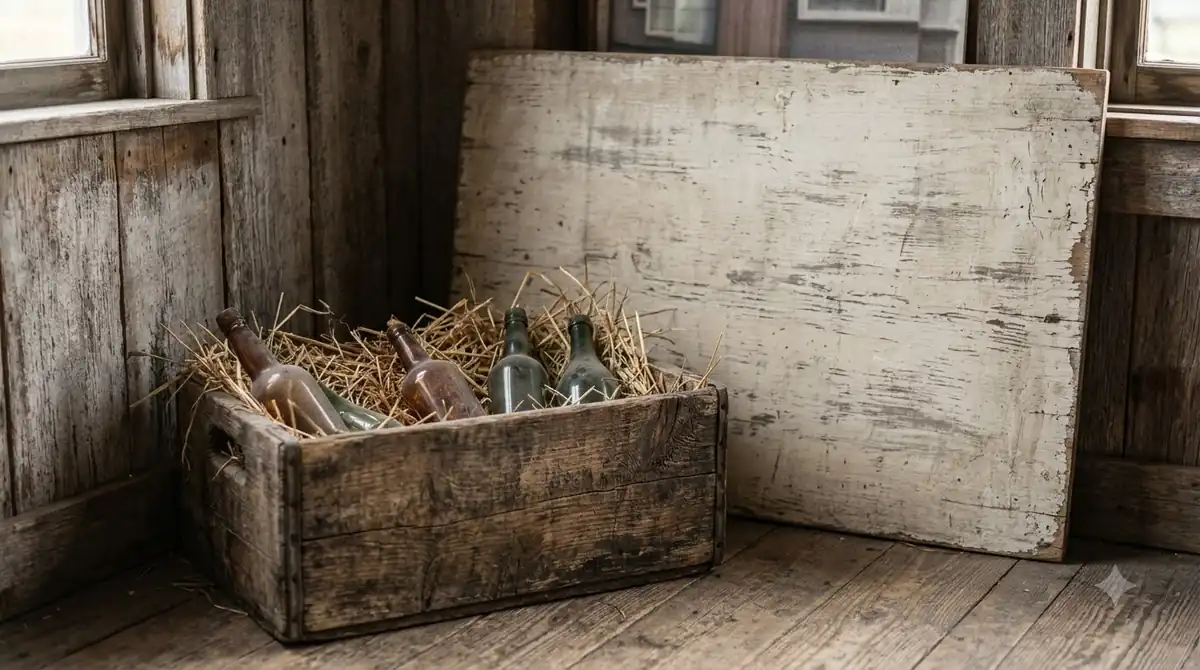
Growers harvest ripe, healthy bunches and place them in ventilated drying rooms known as fruttai. Grapes may rest in shallow wooden or plastic crates or on traditional drying supports, with airflow helping moisture escape gradually. Decanter describes the Veneto method as a slow winter process in naturally ventilated warehouses, rather than drying grapes in direct sun.
As water leaves the berries, the remaining juice becomes more concentrated. Sugars, flavor compounds, and acidity concentrate in different proportions. Wine Enthusiast explains that the prescribed drying period is 100 to 120 days and that the grapes can lose about half their original weight, helping explain why Amarone is generally fuller and more powerful than standard Valpolicella made from fresh grapes. Concentration does not affect every component at the same rate: Decanter notes that when grapes undergo about 40% dehydration, total acidity rises by roughly 25%, rather than by the full 40%. That difference helps explain why a successful Amarone can combine ripe, concentrated fruit with enough freshness to keep the wine from feeling entirely heavy. The length and conditions of drying matter because a producer is shaping balance as well as power.
After drying, the grapes are pressed and fermented. Amarone is made as a dry red, although its concentrated fruit can give an impression of sweetness. The resulting wine often shows ripe or dried cherry, plum, raisin, baking spice, and cocoa notes, with alcohol and structure that make it feel substantial. Producers differ in how they manage drying, fermentation, and aging, so not every Amarone tastes identical. The term appassimento is useful to recognize because it appears in descriptions of other Italian wines too: it refers to a method, not a grape variety or a single wine designation. A helpful overview is Decanter’s explanation of appassimento wines from Veneto, which compares Amarone with Recioto and Ripasso.
Say the Full Name and Related Italian Wine Terms
Once Amarone feels comfortable, practice the longer designation and a few neighboring wine terms. The full name has more syllables, but the same approach works: break the phrase into parts, keep the vowels clear, and avoid letting English spelling dictate every sound.
Amarone della Valpolicella can be broken into “ah-mah-ROH-neh dell-ah val-poh-lee-CHEL-lah.” Give “ROH” the main stress in Amarone and “CHEL” the main stress in Valpolicella. Do not rush the two words together: a small natural pause after Amarone makes the phrase easier to understand when speaking across a table.
Three grape names commonly associated with Amarone are Corvina, Corvinone, and Rondinella. A practical English approximation for Corvina is “kor-VEE-nah,” for Corvinone “kor-vee-NOH-neh,” and for Rondinella “ron-dee-NELL-ah.” These are useful prompts rather than a phonetic transcription of every local dialect. You may see Corvina and Corvinone together in descriptions of the blend, with Rondinella also among the traditional varieties.
Two other style names are worth learning. Recioto is often rendered “reh-CHOH-toh”; it comes from a related dried-grape tradition but is made sweet by stopping fermentation earlier. Ripasso is often said “ree-PAHS-soh” and refers to a different Valpolicella style involving a second fermentation with grape pomace. If you already know how to pronounce chardonnay, use the same method here: isolate the sound pattern first, then speak the full name in an ordinary conversational rhythm. The terms how to pronounce claret and how to pronounce cuvee present different language challenges, but both become easier when the stressed syllable is clear. For more wine styles beyond this region, browse Wine by Type.
Recognize Amarone on a Wine List and at the Table
Amarone is a full-bodied red with concentrated fruit, notable alcohol, and a substantial feel, so the name usually signals a richer style than basic Valpolicella. According to Decanter’s overview of the denomination, it must reach at least 14% alcohol by volume and is aged for a minimum of two years under the standard designation.
For the drying period, Wine Enthusiast describes a typical 100-to-120-day process in which grapes can lose about half their original weight. The figures below summarize these production cues alongside a practical serving range; they describe the denomination and typical framework, not a guarantee that every bottle will taste exactly the same.
| Detail | Amarone reference | What it tells you |
|---|---|---|
| Grape drying | About 100–120 days | Appassimento concentrates the fruit before fermentation. |
| Minimum alcohol | 14% ABV | Expect a powerful, warming red rather than a light-bodied wine. |
| Standard aging | At least 2 years | The wine is matured before release. |
| Typical serving range | 60–65°F | A full-bodied red is best served cool rather than warm. |
At the table, the wine’s weight makes it a natural partner for braised beef, roast lamb, venison, and other rich meat dishes. Mature hard cheeses can also stand up to its intensity. The concentrated fruit and alcohol can overwhelm delicate fish or light salads, so choose food with enough flavor and texture to meet the wine rather than disappear beside it.
For serving, bring the bottle to about 60–65°F rather than pouring it at a warm room temperature. A large red-wine glass gives the aromas room to develop. For a young, concentrated bottle, opening it ahead of the meal or allowing it some air in the glass can help the aromas become more expressive, although the amount of aeration depends on the individual wine and its age.
Tip: Before ordering, say “Amarone” once at an unhurried pace—ah-mah-ROH-neh—then add “della Valpolicella” if you want to be more specific. A clear four-syllable rhythm is more useful than forcing an exaggerated Italian accent.
Frequently Asked Questions
These quick answers cover common questions that come up after learning the pronunciation, from residual sugar to the meaning of label terms. They add a few details beyond the basic four-syllable pronunciation and the 100-to-120-day drying process.
Is Amarone a grape or a wine?
Amarone is a wine, not a grape variety. It is produced in the Valpolicella area of Veneto from a blend based on local red grapes, rather than from a single Amarone vine. Corvina and Corvinone are among the principal varieties used.
Does dry Amarone contain residual sugar?
Yes, a wine classified as dry can retain a small amount of natural grape sugar. Decanter notes that common Amarone examples often contain about 5–7 grams per liter, while the permitted maximum varies with alcohol level and can reach roughly 12–16 grams per liter. Concentrated dried-fruit flavors can make the wine seem sweeter than its formal style suggests.
Why is the wine called Amarone?
The name is associated with the Italian word amaro, meaning bitter. Decanter links the name to Amarone’s characteristic bitter edge on the finish, which helps distinguish its dry style from the sweeter Recioto tradition. The name is therefore a useful reminder that Amarone is not simply a sweet raisin wine.
How long can Amarone age in the bottle?
Well-made Amarone can develop over many years, and Decanter notes that some Riserva bottlings can last around 20 years in bottle. The exact window depends on producer, vintage, storage, and the wine’s structure. That potential does not mean every bottle needs long cellaring; many are enjoyable on release.
What does Classico mean on an Amarone label?
Classico identifies the historic core area within the wider Valpolicella production zone, rather than a separate grape or a sweetness level. Valpantena is another named subzone, and Amarone can also come from the wider eastern area. These geographical terms describe origin, not a simple ranking from best to worst.
For a confident order, remember four syllables and one strong beat: ah-mah-ROH-neh. With the final vowel spoken and the emphasis on “ROH,” the name is clear, natural, and easy to repeat when asking about Amarone della Valpolicella.
More in Wine Types & Grapes
 Zinfandel Sugar Content: Dry Red vs. White Zinfandel GramsUpdated Nov 21, 2026
 Best Zinfandel Substitute Options for Sipping and CookingUpdated Nov 21, 2026
 Zweigelt Food Pairing: Best Dishes, Cheeses, and Serving TipsUpdated Nov 21, 2026
 Zinfandel Tannins Explained: How Structure Shapes Every BottleUpdated Nov 21, 2026
 Zinfandel Sweetness Level: Dry Red vs. Sweet White Zin ExplainedUpdated Nov 21, 2026
 Xinomavro Food Pairing: Best Dishes, Styles, and Serving TipsUpdated Nov 21, 2026