

We may earn a commission when you buy through links on this page, at no extra cost to you. Learn more.
How to keep champagne bubbly after opening comes down to three steps: seal the bottle with a sparkling wine stopper, keep it cold in the fridge, and pour gently. Bubbles fade because carbon dioxide escapes from the wine, and it escapes faster when the bottle is warm, poorly sealed, or shaken. Cold storage slows that loss more than any other single step.
Champagne is a sparkling wine, and its fizz is carbon dioxide held in the liquid under pressure. Once the cork is out, that pressure drops and the gas starts to leave. The habits below slow the process, from the moment you open the bottle to the last glass poured from it.
Why champagne loses its bubbles
Champagne gets its sparkle from a second fermentation inside the sealed bottle, which traps carbon dioxide in the wine. Opening the bottle releases that pressure, and the gas begins to rise out of the glass. Warm wine lets gas escape faster, so a bottle left on the counter goes flat sooner than one kept cold.
The style of the wine also plays a part. Champagne is usually a blend of Chardonnay, Pinot Noir and Pinot Meunier, and the Wine Folly guide notes that its most treasured bottles are aged for at least three years before release. Whatever the style, the fizz is what makes champagne taste lively, so the goal once the bottle is open is to protect that gas for as long as you can.
Seal it with a sparkling wine stopper
A regular cork pushed back into the neck does very little to hold pressure, and a loose plastic plug can let gas out just as quickly. A sparkling wine stopper is built to seal the neck tightly, so it keeps more of the dissolved gas in the bottle. Fit it straight after the first pour, while the wine is still lively, and check that the seal sits firmly before you put the bottle away.
A stopper is not a cure for a bottle that has been left out for hours. It slows the loss; it does not stop it, and it works best when the bottle is also kept cold.
Keep the bottle cold between pours
Cold slows the escape of carbon dioxide, so an opened bottle belongs in the fridge between glasses. Wine Folly’s champagne guide gives a serving range of 38–45°F (3–7°C), and the fridge is an easy way to hold a bottle near that range. Avoid leaving it on a sunny table through a long meal, because the wine warms steadily and loses fizz as it does.
Tip: Chill the bottle well before opening it. A warm bottle foams more when opened and then goes flat faster, so cold is the starting point for every step that follows.
Chill it quickly when the bottle is warm
If the bottle has been sitting at room temperature, cool it before you open it. A warm bottle is the most common reason champagne fizzes out in the first pour. The steps for a fast chill are in how to chill champagne quickly, and they are worth using before a party rather than trying to cool a bottle in the middle of it.
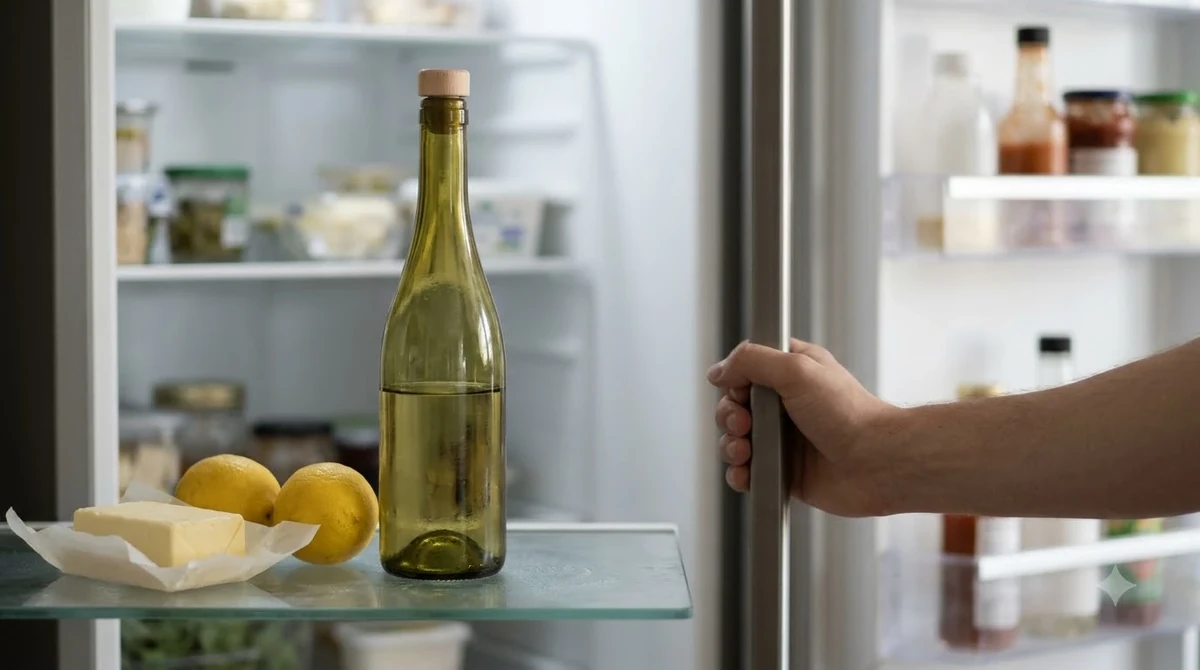
Once the bottle is cold, keep to the same routine: seal it, return it to the fridge, and pour gently when you need it.
Pour gently to protect the gas
Pouring technique affects how much gas leaves the glass. A hard, fast pour creates a rush of foam and releases gas that would otherwise stay in the wine. Tilt the glass slightly, pour slowly down the side, and then set the bottle down before the foam settles. The full method, including the angle and pace, is covered in how to pour champagne.
Glass shape matters as well. A tall flute keeps the surface area of the wine small, so fewer bubbles escape than from a wide, shallow coupe. Wine Folly recommends a flute for Champagne and advises against decanting it, since decanting exposes the wine to air and releases the gas that gives it sparkle.
Common myths that waste bubbles
Several household tricks are repeated often, and most of them do less than people expect. The idea that a spoon in the bottle neck keeps the fizz in is widely repeated, but a spoon does not seal the neck the way a dedicated stopper does. Shaking the bottle before opening it, or swirling the glass hard to get the bubbles going, usually just speeds up the loss of gas.
Storing the opened bottle on the counter with the cork pushed back in is the habit most likely to leave you with flat wine by the next day. A stopper in the fridge is a far more reliable routine.
What to do with champagne that has gone flat
Flat champagne is still wine, and it can still be enjoyed. Many people use the leftovers in cooking or in a cocktail where the sparkle matters less than the flavour. The wine’s style can also shift as it loses gas, so a bottle that has gone flat may taste rounder than it did when it was fizzy.
If you want to understand the wine itself before you open the next bottle, the background on where champagne comes from explains the region and the method behind the bubbles. The wider wine basics guide covers the rest of the terms you will meet on a label.
How long the fizz lasts after opening
There is no single timer for an opened bottle, because the result depends on how cold the wine stays, how well it is sealed, and how much air sits in the neck. A bottle that is stoppered, chilled and poured gently will still taste bright after a short time, while one left open on a warm counter can lose its sparkle within hours. Plan to finish an opened bottle sooner rather than later, and treat a flat glass as a sign that the bottle has lost most of its gas.
The wine itself does not spoil in the same way. Champagne that has lost its fizz is usually still drinkable, but it will taste less lively, and the texture changes once the gas is gone. That is why the steps in this guide focus on the bubbles, which are the part most people notice first.
Storing the unopened bottle
The habits that protect the fizz start before the bottle is ever opened. An unopened bottle should be kept somewhere cool, dark and steady in temperature, away from heaters and sunlight. Large swings in temperature put stress on the wine, and a bottle that is moved back and forth between warm and cold spaces is more likely to disappoint at the table. Keep it out of the car on a hot day and out of a kitchen cupboard above the stove.
When you are ready to serve, move the bottle to the fridge well ahead of time rather than rushing it into an ice bucket at the last minute. A slow, even chill gives the wine a steadier temperature and makes it easier to open without a rush of foam. Wine Folly’s serving range of 38–45°F (3–7°C) is a useful target for the bottle before the cork comes out.
Frequently Asked Questions
Does a champagne stopper really keep the bubbles?
Yes, it helps more than a regular cork because it seals the neck tightly and holds more of the gas in the bottle. It slows the loss of fizz rather than stopping it, so pair it with cold storage for the best result.
Should I keep opened champagne in the fridge?
Yes. Cold storage is the most practical step you can take. A fridge keeps the bottle near the 38–45°F (3–7°C) range that Wine Folly gives for Champagne, which slows gas loss.
Why does champagne go flat so quickly?
Opening the bottle releases the pressure that held the gas in the wine. Warmth, a loose seal and rough pouring all let more of that gas escape from the glass.
Does a spoon in the bottle neck keep champagne fizzy?
The spoon trick is widely repeated, but it does not seal the neck the way a sparkling wine stopper does. A purpose-made stopper and cold storage are the more dependable options.
Keeping champagne bubbly comes down to a few habits: seal it firmly, keep it cold between glasses, and pour slowly. Start with those three steps and the wine will taste lively for longer.
More in Wine Basics
 Which Rose Is Best for Your Taste, Budget, and Food PairingsUpdated Nov 21, 2026
 Is Cheap Wine Bad? How to Find Bottles Worth DrinkingUpdated Nov 21, 2026
 What To Write On A Wine Gift Tag: Thoughtful Messages For Every OccasionUpdated Nov 21, 2026
 Which Wine Is Best For Weight Loss? Compare Lower-Calorie ChoicesUpdated Nov 21, 2026
 What Is The Best Wine For Mimosas? Choose Bubbly That Balances Orange JuiceUpdated Nov 20, 2026
 Which Prosecco Is Best for Your Taste and OccasionUpdated Nov 20, 2026