

We may earn a commission when you buy through links on this page, at no extra cost to you. Learn more.
When deciding how long to decant shiraz, plan on 60 minutes for most everyday bottles between two and ten years old, and up to two hours for young, full-bodied bottlings. Cool-climate Syrah styles need roughly 20 to 30 minutes to open up without losing their bright fruit and spice, while mature bottles aged ten years or more should be decanted gently right before serving to separate sediment.
Shiraz and Syrah are the exact same dark-skinned grape variety, though the style in your glass shifts dramatically depending on where the vines grew and how long the wine rested in oak or bottle. Giving the wine controlled oxygen exposure before pouring transforms tight, gripping tannins and muted aromas into a smoother, more expressive drinking experience.
Recommended Decanting Times by Shiraz Style and Age
Not every bottle of Shiraz reacts to air at the same pace, because tannin concentration, climate, and bottle age dictate how quickly the wine softens. Matching your wait time to the specific style on the label prevents both under-aerated astringency and over-oxidized flatness.
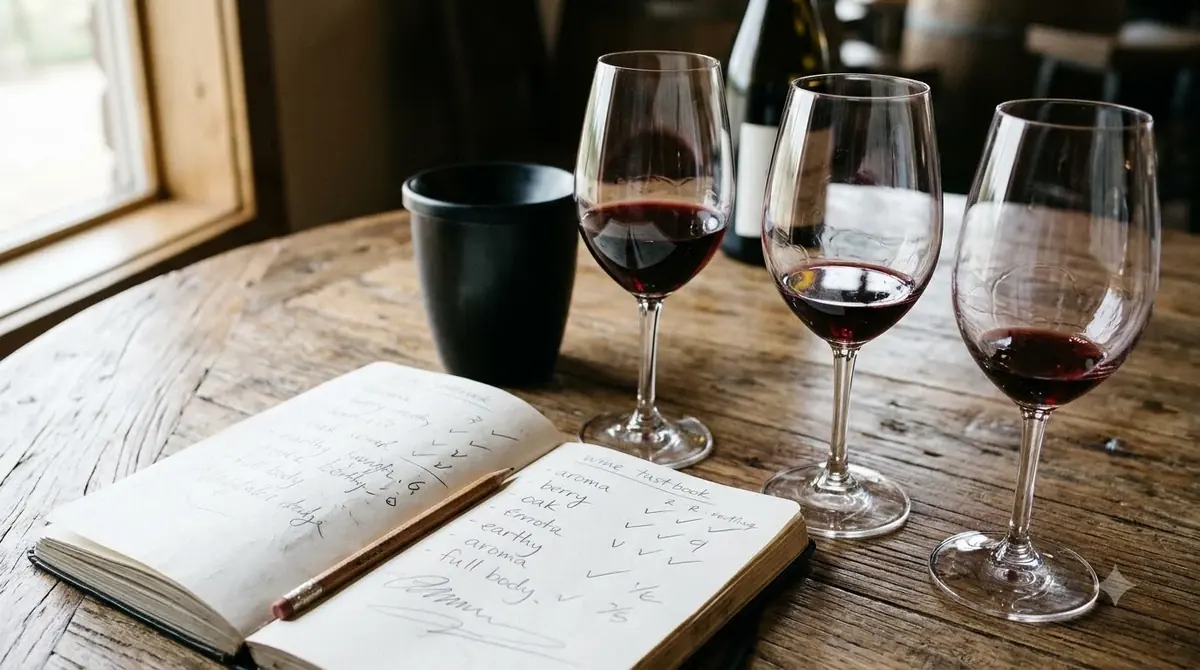
Most red wines sold in shops today fall into the two-to-ten-year window, where fruit vibrancy meets firm structural tannins. According to Wine Folly’s decanting guide, Syrah and Shiraz in this standard drinking range generally require at least 60 minutes in a wide-bottomed decanter. That first hour allows harsh phenolic compounds to polymerize and harsher volatile compounds to blow off, revealing dark blackberry, plum, and black pepper notes underneath.
Regional climate changes that baseline timeline considerably. Warm-region Australian Shiraz from areas like the Barossa Valley or McLaren Vale packs dense color, higher alcohol, and plush oak tannins that often reward a full 60 to 120 minutes of air when young. By contrast, cooler-climate expressions from the Northern Rhône Valley in France, Washington State, or Victoria in Australia carry higher natural acidity and more delicate floral or savory aromatics, meaning 20 to 30 minutes is usually plenty.
Once a bottle passes the ten-to-fifteen-year mark, your goal shifts away from aggressive aeration toward gentle clarification. Older vintages have already softened their tannins naturally inside the bottle, so prolonged oxygen exposure can fade their fragile dried-fruit and leather nuances within minutes.
| Shiraz / Syrah Style | Typical Bottle Age | Recommended Decant Time | Primary Goal |
|---|---|---|---|
| Young, bold warm-climate Shiraz | 1 to 4 years | 90 to 120 minutes | Soften gripping tannins and integrate oak |
| Standard everyday Shiraz | 2 to 10 years | 60 minutes | Open dark fruit aromas and smooth texture |
| Cool-climate Syrah | 2 to 8 years | 20 to 30 minutes | Release pepper and floral notes gently |
| Mature vintage Shiraz | 10 to 15+ years | Serve immediately after pouring | Separate natural sediment without fading fruit |
Why Oxygen Changes Shiraz in the Decanter
Decanting serves two distinct purposes: introducing oxygen to wake up locked aromas and separating clear wine from solid deposits that form during aging. Understanding both mechanisms makes it easy to judge when a specific bottle has reached its peak in the vessel.
When Shiraz sits sealed under a cork or screw cap for months or years, it operates in an anaerobic environment where sulfur-based compounds can mute its natural fruit character. As Wine Enthusiast notes in its decanting overview, pouring wine from a narrow bottle into a broad decanter exposes the liquid to air, triggering evaporation and mild oxidation that release bound aromatic compounds. In a closed or reductive young Shiraz, this brief exposure dissipates struck-match or earthy tightness and brings forward blackcurrant, violet, and smoked meat notes.
At the same time, oxygen softens the mouthfeel of full-bodied red wines. While chemists continue to study the exact sensory pathways, wine professionals consistently observe that an hour of aeration reduces the perception of astringency on the palate. If you enjoy fuller reds across the spectrum of Wine by Type, you will notice this same softening effect whenever thick-skinned grapes spend time in a carafe before dinner.
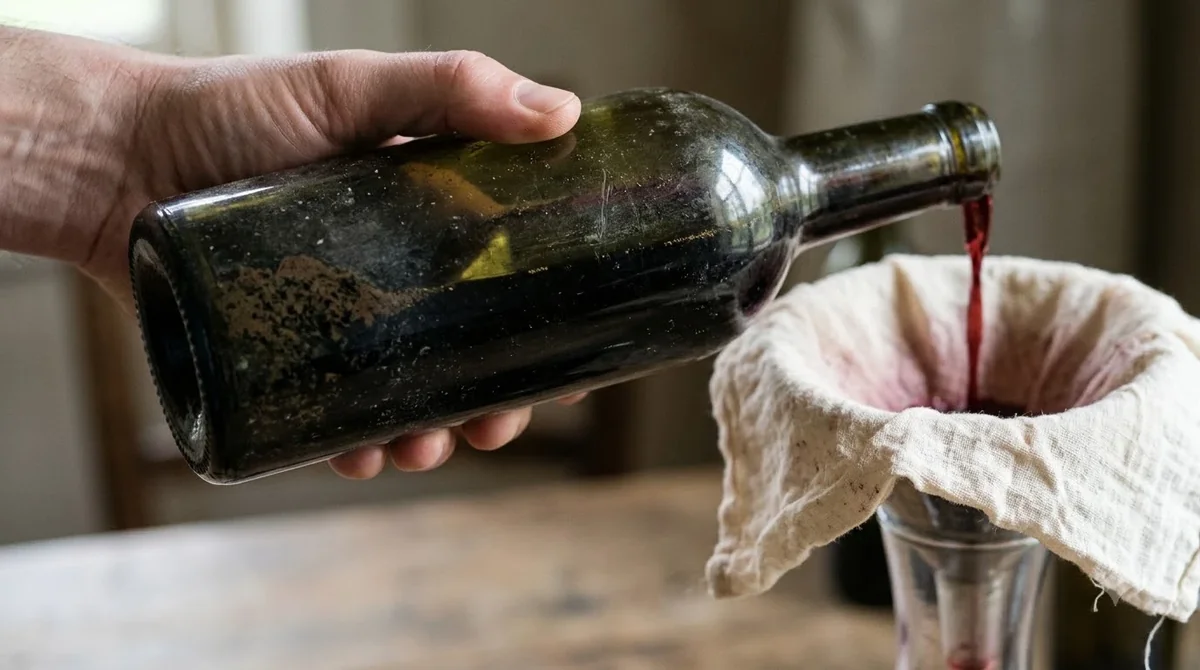
The second physical benefit applies strictly to older, unfiltered, or minimally fined bottles. Over a decade in the cellar, color pigments and tannins bind together and precipitate out of the liquid as harmless but gritty sediment. Slowly transferring the wine off that deposit keeps the final glasses clean and free of bitterness.
Step-by-Step Guide to Decanting Young vs. Aged Bottles
How you pour Shiraz matters just as much as how long you let it sit, because young and old bottles require opposite handling techniques. Treating a twenty-year-old cellar treasure like a newly released bottle can strip away its nuance before the first toast.
For a young, tannic Shiraz under five years old, vigorous aeration works in your favor. Hold the neck of the bottle over a wide-base crystal or glass decanter and pour steadily down the center or side of the vessel so the wine splashes and swirls against the glass. Leave the decanter uncovered at a cool room temperature around 60 to 68 degrees Fahrenheit, and taste a small splash at the 45-minute mark to see if the mid-palate feels supple and fragrant.
If a young bottle still tastes tight or overly grippy after an hour, you can speed up the process through double decanting. Simply funnel the wine from the decanter back into the rinsed bottle, then pour it into the decanter a second time to double its contact with air. This approach brings bold Shiraz to readiness in roughly half the usual wait time, much like the techniques used when deciding how long to decant cabernet sauvignon on a busy weeknight.
For an aged Shiraz ten years or older, switch to a slow, careful decant designed to leave sediment behind:
- Stand the bottle upright for at least 24 hours before dinner so fine particles settle cleanly onto the bottom punt.
- Remove the capsule completely and wipe the neck clean so you can see clearly through the glass.
- Position a small flashlight, candle, or phone light directly beneath the shoulder of the bottle as you begin pouring.
- Pour into a narrower-necked decanter in one continuous, gentle motion without splashing or glugging.
- Stop pouring the instant you see dark, dusty streaks or cloudy sediment reach the shoulder of the bottle, then serve immediately.
Tip: Taste a half-ounce sip right when you open the bottle so you have a baseline; once the fruit smells vivid and the tannins feel round rather than chalky, the Shiraz is ready to pour.
What to Do When You Are Short on Time
You do not always have two hours to plan ahead before dinner, and you do not even need a formal glass decanter to give Shiraz a helpful breath of air. Several practical shortcuts deliver similar aeration in a fraction of the time.
The simplest alternative is pouring the wine early into large-bowled red wine glasses. A generous Bordeaux or Syrah stem with a wide bowl creates a broad surface-to-air ratio for each individual pour, allowing a standard five-ounce serving to open up in 15 to 20 minutes on the table. Swirling the glass gently every few minutes accelerates the effect without requiring extra glassware to wash later.
In-bottle or spout aerators offer an even faster option for weeknight bottles under five years old. These small acrylic or glass devices force air bubbles directly through the stream of wine as you pour from bottle to glass, mimicking roughly 30 to 45 minutes of traditional decanting in seconds. Avoid using forced-air aerators on mature vintage Shiraz, however, as the agitation can disturb sediment and bruise delicate aged aromas.
If you only have a clean glass pitcher, measuring jug, or second empty wine bottle on hand, those everyday vessels work just as well as designer crystal. Simply pour the Shiraz into the pitcher 30 to 45 minutes before eating, keep it away from warm stove tops or direct sunlight, and pour straight into your glasses when the food hits the table.
Serving Temperature and Storage After Decanting
Aeration only reaches its full potential when paired with proper serving temperature, because warmth exaggerates alcohol while excessive chill locks aromas back down. Aim to serve decanted Shiraz between 60 and 68 degrees Fahrenheit, which is noticeably cooler than a warm living room or kitchen.
If your bottle has been sitting on a 72-degree kitchen counter, place it in the refrigerator for 15 to 20 minutes before opening and decanting. Keeping the decanter in a cool room ensures the wine warms gradually into its sweet spot while it breathes. By comparison, lighter reds require shorter chill and aeration windows, as covered in our guide on how long to decant pinot noir.
Once Shiraz has been decanted, try to finish the bottle that same evening. Because the entire volume of wine has interacted with oxygen, decanted red wines typically hold their freshness for only 12 to 18 hours before fruit flavors begin turning flat or vinegary. If you do have leftovers, funnel the remaining wine back into the original bottle to minimize headspace, seal it tightly with the cork, and refrigerate it right away—you can read more about exact timelines in our article on how long does shiraz last after opening.
Frequently Asked Questions
Can you decant Shiraz for too long?
Yes, leaving Shiraz in a decanter for more than four to six hours can cause its fresh dark fruit flavors to fade and taste flat. Mature bottles aged ten years or older are especially vulnerable to over-oxidation and can lose their vibrancy within 30 to 60 minutes of pouring.
Should you put a stopper in a wine decanter?
Leave the decanter unstoppered while the Shiraz is actively breathing so oxygen can circulate freely and harsh volatile aromas can escape. Only place a stopper on top if you are protecting the wine from fruit flies outdoors or slowing further air exposure once it already tastes ideal.
Is there a difference between decanting Syrah and Shiraz?
They are the exact same grape variety, so the difference comes down to regional style rather than the name on the label. Bold, warm-climate bottles labeled Shiraz typically benefit from 60 to 120 minutes of air, while leaner, cool-climate bottles labeled Syrah usually need 20 to 30 minutes.
Does screw-cap Shiraz need to be decanted?
Yes, screw-cap Shiraz often benefits even more from decanting than cork-finished bottles. Because screw caps allow minimal oxygen transfer in the bottle, young screw-cap Shiraz can occasionally smell tight or slightly smoky upon opening and clears up quickly after 30 to 60 minutes in a decanter.
Matching your decanting time to the age and regional weight of the bottle turns any Shiraz into a softer, more aromatic pour. Whether you give a bold young bottle a full hour in a wide carafe or gently pour an older vintage just before dinner, a little patience in the glass brings out the grape’s signature dark fruit and peppery depth.
More in Wine Types & Grapes
 Zinfandel Sugar Content: Dry Red vs. White Zinfandel GramsUpdated Nov 21, 2026
 Best Zinfandel Substitute Options for Sipping and CookingUpdated Nov 21, 2026
 Zweigelt Food Pairing: Best Dishes, Cheeses, and Serving TipsUpdated Nov 21, 2026
 Zinfandel Tannins Explained: How Structure Shapes Every BottleUpdated Nov 21, 2026
 Zinfandel Sweetness Level: Dry Red vs. Sweet White Zin ExplainedUpdated Nov 21, 2026
 Xinomavro Food Pairing: Best Dishes, Styles, and Serving TipsUpdated Nov 21, 2026