

We may earn a commission when you buy through links on this page, at no extra cost to you. Learn more.
If you are wondering how long does shiraz last after opening, a resealed bottle typically stays fresh for 3 to 5 days—and often up to 6 days for dense, full-bodied styles—when stored in a cool, dark place or refrigerator. Because Shiraz carries higher tannin and acidity levels than lighter reds, its natural structure slows down oxygen damage better than grapes like Pinot Noir. Once that window passes, fruit aromas flatten and the liquid gradually develops sharp, vinegar-like notes.
Opening a bold bottle of Shiraz does not mean you have to finish every drop in a single evening. With the right closure and storage temperature, that leftover glass can stay vibrant, peppery, and balanced across several nights of dinner.
What Makes Shiraz Last Longer Than Lighter Reds
Shiraz holds up better after uncorking than delicate red wines because its thick grape skins contribute high concentrations of tannins, color pigments, and natural antioxidants. These compounds absorb incoming oxygen before it can strip away the wine’s core dark-fruit and spice flavors.
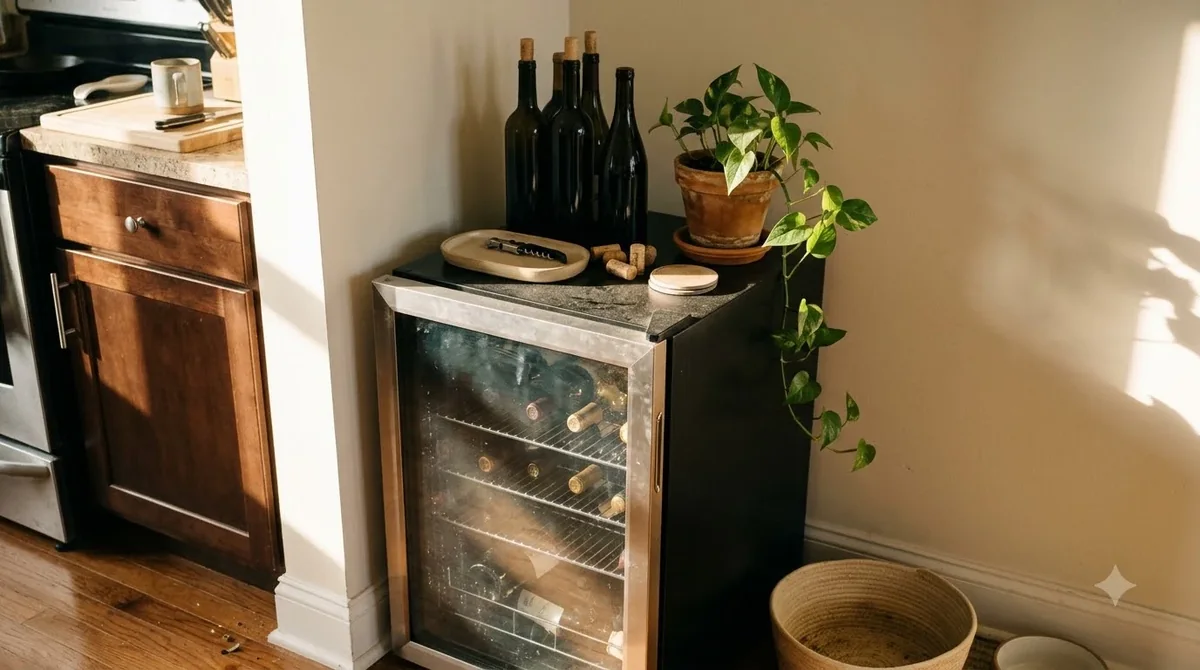
According to Wine Folly, red wines generally last 3 to 5 days in a cool, dark place with a cork, and the more tannin and acidity a red wine has, the longer it lasts after opening. Lighter-bodied reds such as Pinot Noir or Gamay lack that dense phenolic shield, meaning air flattens their bright berry aromatics within two or three days. Full-bodied Shiraz sits on the opposite end of the spectrum, giving you a noticeably wider drinking window.
In fact, many young, tightly wound bottles of Shiraz actually improve on day two. During the first 24 hours after opening, controlled oxygen exposure softens grippy tannins and helps dark plum, blackberry, and black pepper notes open up. By day three or four, the wine reaches a steady plateau before oxidation finally begins to mute its freshness.
Style and winemaking choices still create meaningful differences from bottle to bottle. Warm-climate Australian Shiraz with deep concentration and oak aging tends to reach the 5- to 6-day mark comfortably, whereas cooler-climate Syrah styles, low-intervention bottlings without added sulfites, or older bottles past eight to ten years of age fade much faster once air enters the glass.
Shiraz Shelf Life by Storage Method
How you seal and chill your bottle matters just as much as the grape’s natural tannin structure. Keeping air out and lowering the liquid’s temperature dramatically slows the chemical reactions that turn fresh fruit flavors stale.
| Storage Method | Expected Shelf Life | Best Use Case | Flavor Impact |
|---|---|---|---|
| Recorked at room temperature (70°F / 21°C) | 2 to 3 days | Finishing the bottle over a single weekend | Fruit dulls quickly; alcohol and warmth become noticeable |
| Recorked in a wine chiller or cool cellar | 3 to 5 days | Multi-night pouring without altering serving temp drastically | Preserves dark fruit and pepper spice steadily through day four |
| Recorked upright in a standard refrigerator | 4 to 6 days | Everyday storage when no wine fridge is available | Slows oxidation best; requires warming before serving |
| Vacuum pump stopper in the refrigerator | 5 to 7 days | Stretching a half-full bottle across a full workweek | Retains primary aromatics longer by reducing headspace oxygen |
| Inert gas system (argon) | Several weeks to months | Occasional single-glass pours from collector bottles | Prevents oxygen contact almost completely |
Leaving a bottle on the kitchen counter at around 70°F (21°C) accelerates oxidation rapidly, cutting a Shiraz’s peak window down to two or three days. Cold temperatures act like a brake pedal on chemical reactions, which is why placing an opened bottle of red wine inside your kitchen refrigerator is far more effective than leaving it on a sideboard.
For a wider perspective across Wine by Type, standard red table wines fall neatly in the middle of the longevity spectrum. Sparkling wines lose carbonation within 1 to 3 days, crisp whites hold on for 5 to 7 days in the fridge, and fortified styles stay fresh for weeks because of added grape spirit.
Step-by-Step Routine to Preserve Open Shiraz
Treating an opened bottle like a perishable food item keeps every pour tasting closer to the first glass. A simple four-step habit right after pouring prevents unnecessary air exposure and temperature swings.
Start by resealing the bottle immediately after pouring your glass rather than letting it sit uncorked on the dinner table all evening. If you extracted a natural cork, push the clean, wine-stained end back into the neck, or twist a screw cap tightly back onto its threads until it catches firmly.
Next, place the bottle upright in your refrigerator or wine chiller rather than laying it on its side. Standing the bottle vertically minimizes the surface area of the wine exposed to the trapped air pocket inside the neck, which directly limits how much oxygen dissolves into the liquid overnight.
When you are ready for another glass the next evening, pull the bottle from the fridge 20 to 30 minutes before serving. Cold fridge temperatures mute Shiraz’s generous dark berry and spice aromatics while making its tannins feel overly astringent, so letting it warm back toward cellar temperature restores its balance.
Tip: If less than a third of the bottle remains, pour the leftover Shiraz into a clean half-bottle (375 ml) or small mason jar with a tight lid to eliminate excess headspace air.
How to Tell When Open Shiraz Has Gone Bad
Oxidized wine is not dangerous to drink, so you never need to worry about food safety if you sip a bottle that sat open too long. Instead, spoilage is purely a matter of unpleasant aromas, flat textures, and sour flavors.
Your nose will catch the problem before your palate does. Fresh Shiraz smells like blackberry, plum, black pepper, or subtle toasted oak, whereas an over-oxidized bottle gives off sharp, pungent notes of balsamic vinegar, nail polish remover, or bruised, stewed apples.
Visual cues also appear once oxidation advances past the point of enjoyment. Look at the rim of the wine in your glass against a white background: deep purple-ruby tones shift toward dull brick-brown or muddy orange when air has degraded the wine’s color pigments.
On the palate, spoiled Shiraz loses its plush mid-palate fruit and feels thin, flat, or aggressively sour. Reviewers at Wine Enthusiast note that oxygen absorbed at opening drives gradual flavor changes, and once those crisp, vinegar-like acids take over, the bottle is past its drinking window.
Other Wine Styles That Last Even Longer
If you routinely drink only one glass at a time and struggle to finish a standard 750 ml bottle within five days, exploring fortified and sweet styles can save you from pouring good wine down the drain. Higher alcohol and residual sugar act as natural stabilizers against oxygen.
Sweet late-harvest and botrytized bottlings offer a dramatic upgrade in shelf life compared to dry red table wine. Learning how long does dessert wine last after opening shows how concentrated sugar levels allow opened bottles to stay luscious and aromatic in the refrigerator for one to two weeks or more.
Oxidative fortified wines take longevity to an entirely different level because winemakers deliberately expose them to air and gentle heat during maturation. If you explore how long does madeira last after opening, you will find that an opened bottle stored upright away from direct sunlight can remain vibrant for months or even years.
Skin-contact white wines offer another intriguing middle ground for slow sippers. Checking how long does orange wine last after opening reveals how extended grape-skin maceration gives these amber-hued wines extra phenolic grip, helping them resist oxidation longer than standard crisp white wines.
Frequently Asked Questions
Can you drink Shiraz that has been open for 7 days?
Yes, Shiraz that has been open for 7 days is safe to drink, though its vibrant fruit flavors will likely taste muted or flat. If the bottle was tightly sealed and kept in the refrigerator, a full-bodied bottle may still be palatable, so smell and taste a small splash before pouring a full glass.
Should you put opened Shiraz in the refrigerator?
Yes, storing opened Shiraz in the refrigerator is the easiest way to slow down oxidation and extend its shelf life to 4 to 6 days. Simply take the bottle out 20 to 30 minutes before pouring so the wine can warm up and release its dark fruit and spice aromas.
Does Shiraz with a screw cap last longer after opening than a cork?
A screw cap often provides a tighter, more reliable airtight seal after opening than a pushed-in natural cork. Both closures protect the wine for roughly 3 to 5 days in cool storage, provided you reseal the bottle immediately after each pour.
Can you cook with Shiraz that has been open for a week?
You can cook with week-old Shiraz as long as it still smells clean and fruity rather than sour or vinegary. Red wine pan sauces, braises, and reductions concentrate whatever flavors are in the bottle, so avoid cooking with wine you would not want to sip.
Keeping an opened bottle of Shiraz fresh comes down to two simple habits: blocking oxygen immediately with a tight seal and storing the bottle in the cold. Follow that routine, and you can enjoy bold, peppery pours across several evenings without sacrificing flavor.
More in Wine Types & Grapes
 Zinfandel Sugar Content: Dry Red vs. White Zinfandel GramsUpdated Nov 21, 2026
 Best Zinfandel Substitute Options for Sipping and CookingUpdated Nov 21, 2026
 Zweigelt Food Pairing: Best Dishes, Cheeses, and Serving TipsUpdated Nov 21, 2026
 Zinfandel Tannins Explained: How Structure Shapes Every BottleUpdated Nov 21, 2026
 Zinfandel Sweetness Level: Dry Red vs. Sweet White Zin ExplainedUpdated Nov 21, 2026
 Xinomavro Food Pairing: Best Dishes, Styles, and Serving TipsUpdated Nov 21, 2026