

We may earn a commission when you buy through links on this page, at no extra cost to you. Learn more.
The best wine bottles empty are heavy-duty glass bottles matched to your specific project, with dark green or amber Bordeaux and Burgundy cork-finish bottles leading for homemade winemaking, and 375-ml screw-cap half bottles standing out for storing leftover wine. Clear flint glass bottles work well for quick-turnaround fruit wines, infusions, and decorative crafts, while thick-walled sparkling or swing-top bottles handle secondary fermentation and carbonated pours safely.
Buying unused empty wine bottles gives home winemakers, batch-cocktail makers, and hosts full control over glass weight, UV protection, and closure compatibility without the hassle of soaking stubborn commercial labels off recycled glass.
Quick Comparison
Different glass shapes, colors, and neck finishes solve distinct bottling, storage, and presentation needs.
| Bottle Type | Standard Capacity | Neck & Closure | Glass Color | Primary Advantage |
|---|---|---|---|---|
| Bordeaux High-Shoulder | 750 ml | Cork finish (No. 8 or No. 9) | Dark green or antique green | Traps sediment in shoulders during pouring |
| Burgundy Sloping-Shoulder | 750 ml | Cork finish (No. 8 or No. 9) | Antique green or dead-leaf green | Wide body fits standard cellar racks smoothly |
| Half-Bottle (Demi) | 375 ml | Continuous-thread screw cap | Clear flint or green | Minimizes oxygen headspace for leftover wine |
| Clear Flint Decorative | 750 ml | Bar-top T-cork or straight cork | Clear flint | Displays color for infusions, syrups, and gifts |
| Heavy-Wall Sparkling / Swing-Top | 750 ml | Crown cap, wire hood, or bail wire | Dark green or amber | Thick glass resists internal carbonation pressure |
Best for Home Winemaking Reds: Dark Green Bordeaux Bottles
High-shoulder Bordeaux bottles in dark or antique green glass are the standard choice for bottling homemade Cabernet Sauvignon, Merlot, and full-bodied red blends. Their sharp shoulder angle catches natural sediment when decanting, while tinted glass shields tannins and color compounds from ultraviolet light.
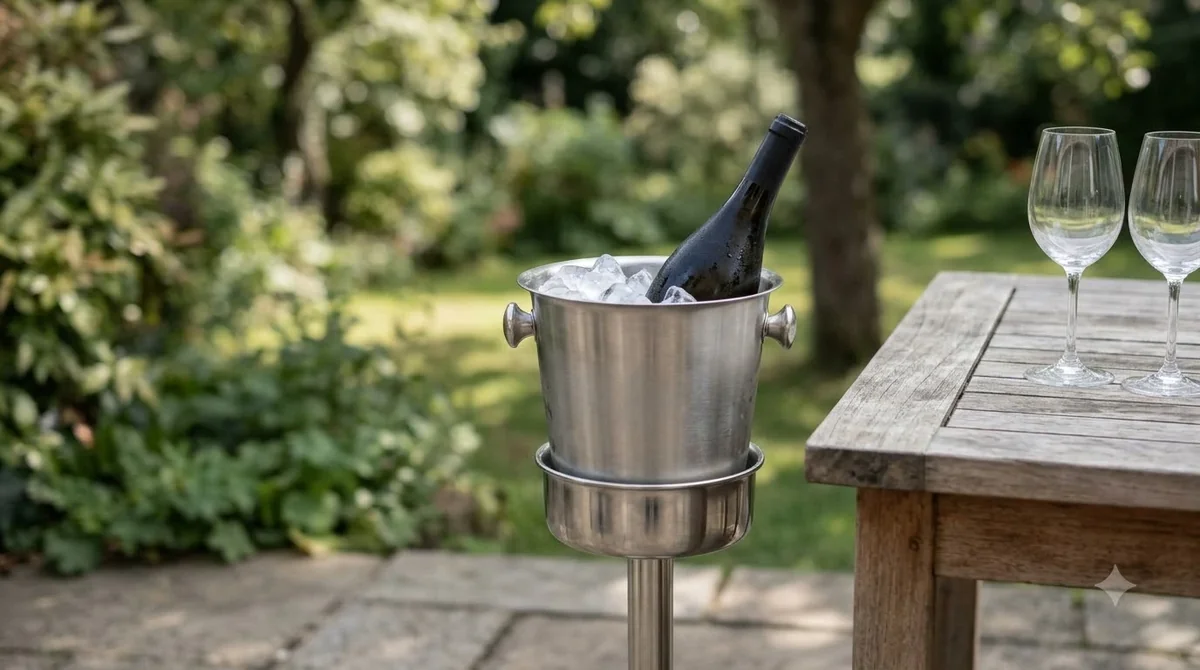
Why it stands out: According to Wine Folly’s guide to wine bottle shapes, the high-shoulder profile was developed specifically for structured reds and crisp whites like Sauvignon Blanc. Buying new cases ensures uniform neck bores that accept standard No. 8 or No. 9 straight corks without chipping or irregular compression, and the flat vertical sides make applying custom paper labels straightforward.
Keep in mind and best for: Dark green glass blocks significantly more UV rays than clear glass, though Wine Folly notes that amber or brown glass actually provides even stronger UV filtration if your cellar has ambient lighting. You will need a floor corker or double-lever hand corker to insert standard straight corks properly. These bottles are best for home winemakers aging dry red or oak-aged white batches for six months or longer.

- Set Size
- 36 bottles
- Capacity
- 750 ml each
- Material
- New green glass
- Cork Size
- #8 or #9, none included
Dark green Bordeaux-style bottles are a natural fit for red wine batches. This pack holds three cases of 12 unused green glass bottles at 750 ml each. The cork finish accepts #8 and #9 corks, and a floor corker is recommended for the larger size, so plan to buy corks and a corker separately because none are included.
Pros & ConsView
- 36 new green glass bottles in three cases
- Cork finish accepts #8 and #9 corks
- Unused glass, not recycled or plastic
- Corks are not included
- 42-pound pack is heavy to move
Best for Aromatic Whites and Pinot Noir: Sloping-Shoulder Burgundy Bottles
Sloping-shoulder Burgundy bottles feature a wider base and a gradual taper into the neck, making them the traditional vessel for Chardonnay, Pinot Noir, and Syrah. Buying them empty in antique green or dead-leaf green gives small-batch producers classic regional presentation alongside reliable cellar durability.
Why it stands out: Because these bottles lack an abrupt shoulder ledge, wine flows smoothly from base to neck during gentle pours, and the broader cylinder gives developing wines a classic silhouette on any bar cart. Quality empty Burgundy cases feature a moderate punt—the indentation at the base—which adds structural rigidity to the glass during mechanical corking and horizontal racking.
Keep in mind and best for: Their wider diameter takes up slightly more lateral space than Bordeaux bottles, so check shelf spacing on tight wire wine racks before ordering multiple cases. Like Bordeaux bottles, cork-finish Burgundy glass requires separate corks and heat-shrink PVC capsules for a finished seal. Choose this style when bottling Pinot Noir, barrel-fermented whites, or fruit-forward reds meant for dinner-table service.

- Set Size
- 8 bottles
- Capacity
- 750 ml
- Color
- Dark amber
- Includes
- Cork lids, capsules, funnel
Dark amber glass and a slim, straight profile make this eight-pack handy for bottling wine, kombucha or sparkling drinks at home, though the shape is not the sloping Burgundy style. Each 750 ml bottle has a T-shaped cork stopper and a PVC shrink capsule, and a funnel is included for waste-free filling. The listing advises hand washing and keeping bottles out of direct sunlight.
Pros & ConsView
- Funnel, stoppers and capsules all included
- Heavy-duty BPA-free, lead-free glass
- Double seal with stopper and shrink capsule
- Hand wash and avoid direct sunlight
- Straight slim shape, not Burgundy style
Best for Preserving Leftover Wine: 375-ml Screw-Cap Half Bottles
Empty 375-ml half bottles—also known as demi bottles—with continuous-thread screw caps are the most practical tool for saving the second half of an opened 750-ml bottle. Transferring remaining wine into a smaller vessel cuts air contact inside the container dramatically.
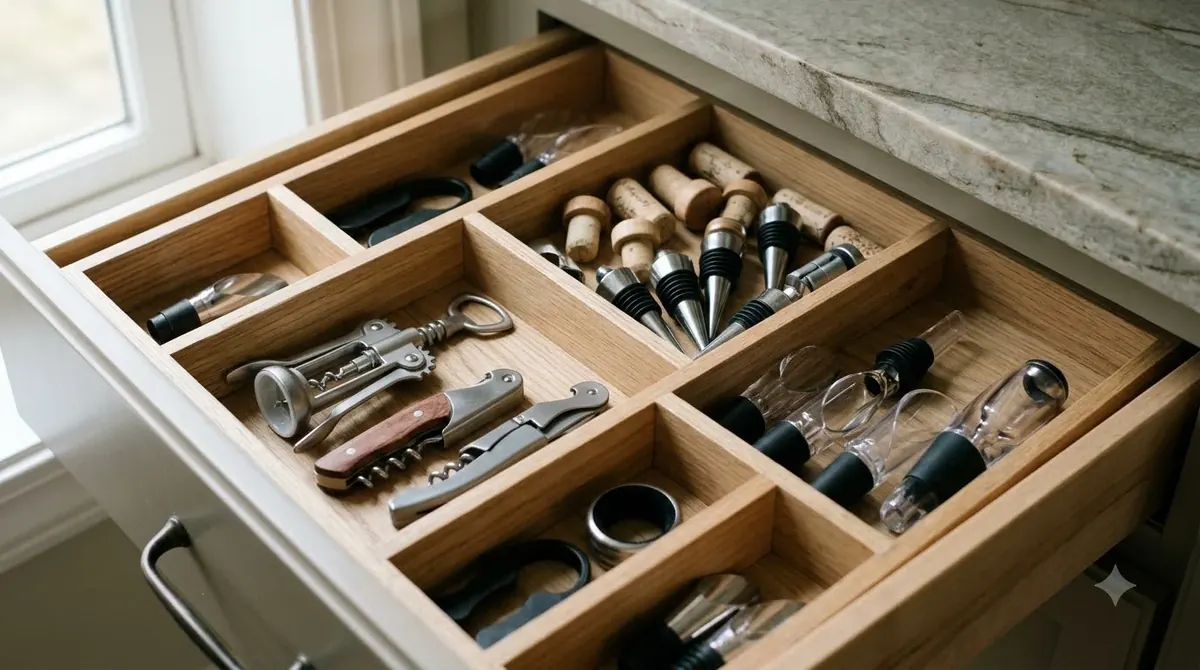
Why it stands out: Reviewers at Wine Enthusiast recommend funneling leftover wine into a screw-cap 375-ml half bottle because reducing headspace slows oxidation and keeps aromatics intact for several days in the refrigerator. Reusable metal screw caps eliminate the need for a corker, and knowing how many glasses are in a bottle of wine—roughly five 5-ounce pours in a standard bottle—makes it easy to decant the exact remaining two-and-a-half glasses right after pouring dinner drinks.
Keep in mind and best for: Standard aluminum screw caps are intended for short-term refrigeration rather than multi-year cellar aging, and their liners wear out after repeated washing cycles, so keep spare caps on hand. Avoid using hot dishwasher sanitize cycles on thin-walled half bottles if you plan to chill them immediately afterward. These are best for solo wine drinkers, tasting-flight hosts, and anyone assembling custom half-bottle samplers or a DIY wine advent calendar.
Best for Infusions, Limoncello, and Gifting: Clear Flint Bar-Top Bottles
Clear flint glass bottles paired with reusable T-top tasting corks showcase the visual clarity of homemade limoncello, botanical vermouth, infused spirits, and simple syrups. Without dark tinting, vibrant amber, ruby, and citrus hues remain completely visible on open shelving.
Why it stands out: Unlike standard straight corks that require a corkscrew for opening and a mechanical press for insertion, bar-top T-corks push in by hand and pull out cleanly for repeated serving. Heavy-base clear flint glass also gives homemade gifts, olive oils, and batch cocktails an upscale apothecary or craft-distillery look without needing heat-shrink neck foils.
Keep in mind and best for: Clear glass offers virtually zero protection against ultraviolet light, which can cause light-struck off-flavors in delicate wines within weeks if left near a sunny window. Store filled clear bottles inside a dark pantry, cabinet, or refrigerator rather than on a sunlit countertop. Pick this type when bottling high-proof liqueurs, flavored syrups, cold-brew concentrates, or quick-turnaround wedding favors.

- Set Size
- 12 bottles
- Material
- Clear plastic
- Closure
- Silver screw cap
- Capacity
- 750 ml
A plastic alternative to glass, these clear 750 ml Bordeaux-style bottles come in a pack of 12 with silver screw caps and PVC shrink capsules. The screw cap makes an airtight seal that suits carrying infusions, sangria or coquito without spills, and the clear walls show off colorful drinks. No corks or corker are needed, though the bottles are hand wash only.
Pros & ConsView
- Screw caps make an airtight seal
- Shrink capsules included for a finished look
- No corks or corker needed
- Plastic rather than glass
- Hand wash only
Best for Sparkling Wine and Carbonated Ferments: Heavy-Wall Pressure Bottles
Thick-walled sparkling wine bottles and heavy-duty swing-top bottles are engineered specifically to contain internal CO2 pressure from pet-nat wines, hard cider, kombucha, and sparkling mead. Standard still-wine glass is far too thin to hold carbonation safely.
Why it stands out: According to Wine Folly, commercial sparkling wine bottles are built with substantially thicker glass walls and deep punts because they must withstand internal pressures around six to seven atmospheres. Heavy-duty swing-top bottles with thick porcelain or stainless-steel wire bails and silicone gaskets offer a convenient, tool-free seal for small-batch frizzante and sparkling cider, while crown-cap Champagne bottles accept standard 26-mm or 29-mm metal caps and wire hoods.
Keep in mind and best for: Never bottle actively fermenting or primed beverages in lightweight still-wine bottles or decorative craft glass, as excess pressure can shatter thin walls. Always inspect reused or new pressure bottles for hairline cracks or chipped rims before filling, and pair crown-cap bottles with a dedicated bench capper from your Accessories Library. These bottles are best for home cidermakers, sparkling-wine hobbyists, and fermentation enthusiasts.

- Set Size
- 8 bottles
- Capacity
- 750 ml
- Color
- Cobalt blue
- Includes
- Natural corks, capsules
Cobalt blue glass makes this eight-pack as much a display piece as a storage bottle. The listing describes thick, heavy-duty glass that can hold high pressure and names sparkling wine, champagne, beer and kombucha among its uses. Each 750 ml Bordeaux-style bottle is flat-bottomed, measures about 3 by 12 inches, and comes with a natural cork and a PVC shrink capsule.
Pros & ConsView
- Thick, heavy-duty glass, BPA free
- Natural corks and shrink capsules included
- Flat-bottomed Bordeaux shape, leak-proof seal
- Hand wash only
- Cobalt blue tint hides the wine's color
How to Choose
Selecting the right empty wine bottles starts with matching the glass specification to what goes inside and how long you plan to store it:
- Closure compatibility: Verify whether the neck finish is designed for straight corks (requiring a corker), bar-top T-corks (hand-inserted), continuous-thread screw caps, or crown caps. Cork-finish necks will not accept screw caps, and screw-cap threads can crack under the pressure of a floor corker.
- Glass color and UV exposure: Choose amber or antique green glass for any wine aging longer than a few months. Reserve clear flint glass for shelf-stable liqueurs, vinegars, or wines kept in complete darkness.
- Wall thickness and pressure rating: Stick to standard-weight still bottles for non-carbonated wine, and upgrade strictly to heavy-wall Champagne or pressure-rated swing-top bottles whenever residual sugar and yeast could generate carbonation.
- Case quantity and storage footprint: Empty 750-ml bottles typically ship in 12-bottle corrugated dividers that double as dust-free storage boxes before bottling day. Confirm whether your order includes closures or if corks, caps, and capsules must be purchased separately.
Tip: Even brand-new empty wine bottles arrive from glass plants with cardboard dust and manufacturing residue inside. Rinse every bottle with warm water and sanitize with a no-rinse potassium metabisulfite or food-grade acid sanitizer solution immediately before filling.
Frequently Asked Questions
Do new empty wine bottles need to be sanitized before bottling?
Yes, brand-new glass bottles should always be rinsed and sanitized before use. Even though they have never held wine, factory packaging leaves behind fine cardboard fibers and warehouse dust that can introduce wild yeast or bacteria into your batch.
What size cork fits standard empty 750-ml wine bottles?
Most standard 750-ml cork-finish wine bottles use a No. 9 cork (24 mm wide by 44 mm long) for long-term aging, which requires a floor or bench corker to compress cleanly. No. 8 corks (22 mm wide) are slightly narrower and easier to insert with a handheld double-lever corker for wines meant to be drunk within a year or two.
Can I reuse empty screw-cap wine bottles for home winemaking?
You can reuse clean screw-cap bottles for short-term storage or refrigerator leftovers if you purchase fresh replacement metal caps with intact liners. However, avoid driving straight corks into screw-cap necks, because the thinner threaded glass at the lip can snap under corking pressure.
Why do some empty wine bottles have a deep indentation on the bottom?
That indentation is called a punt, and it reinforces the structural strength of the glass base—an especially important feature in heavy sparkling wine bottles under high internal pressure. A punt also provides a convenient thumb hold for one-handed table pouring and helps trap sediment around the bottom perimeter.
Matching your empty wine bottles to the right closure system, glass tint, and pressure rating prevents spoiled batches and messy leaks before you ever fill the first neck. Once your glass is clean and sanitized, stock up on fresh corks or caps so bottling day runs smoothly from start to finish.
More in Wine Accessories
 Coravin Vs Vacu Vin: Choose the Right Wine Saver for Your BottlesUpdated Nov 21, 2026
 Zwilling Wine Stopper Review: Preserve Open Bottles LongerUpdated Nov 21, 2026
 Wine Enthusiast Wine Preserver Review: Features, Benefits and LimitationsUpdated Nov 21, 2026
 Wine Enthusiast Wine Stopper: An Easier Way to Reseal Open BottlesUpdated Nov 21, 2026
 Vintorio Wine Opener: Two-Step Cork RemovalUpdated Nov 21, 2026
 Zwilling Wine Aerator Review: Aerate, Pour, and Seal With One ToolUpdated Nov 21, 2026