


We may earn a commission when you buy through links on this page, at no extra cost to you. Learn more.
How long does fortified wine last after opening depends heavily on the style, ranging from about one week for delicate dry styles like Fino Sherry to several months or even indefinitely for deliberately oxidized wines like Madeira. Most everyday fortified wines—including Tawny Port, Amontillado, Oloroso, and vermouth—stay fresh for three to eight weeks when tightly sealed and stored upright in the refrigerator. Higher alcohol levels and residual sugar act as natural preservatives, slowing oxidation far more effectively than in standard table wines.
Pulling the cork on a bottle of Port, Sherry, or vermouth does not start the same rapid countdown you face with a dinner-table Cabernet or Pinot Grigio. Because winemakers fortify these bottles with distilled grape spirit, they stand up to oxygen for weeks or months rather than mere days, making them ideal for slow sipping across an entire season. Understanding the specific production method behind each bottle lets you store every style at its peak without pouring good wine down the sink.
Shelf Life Breakdown by Fortified Wine Style
Because fortified wines are made through dramatically different aging methods, their open shelf lives span from a few days to well over a year. Styles protected from air during maturation fade quickly once exposed, while bottles aged in barrels with deliberate oxygen contact barely flinch when opened.
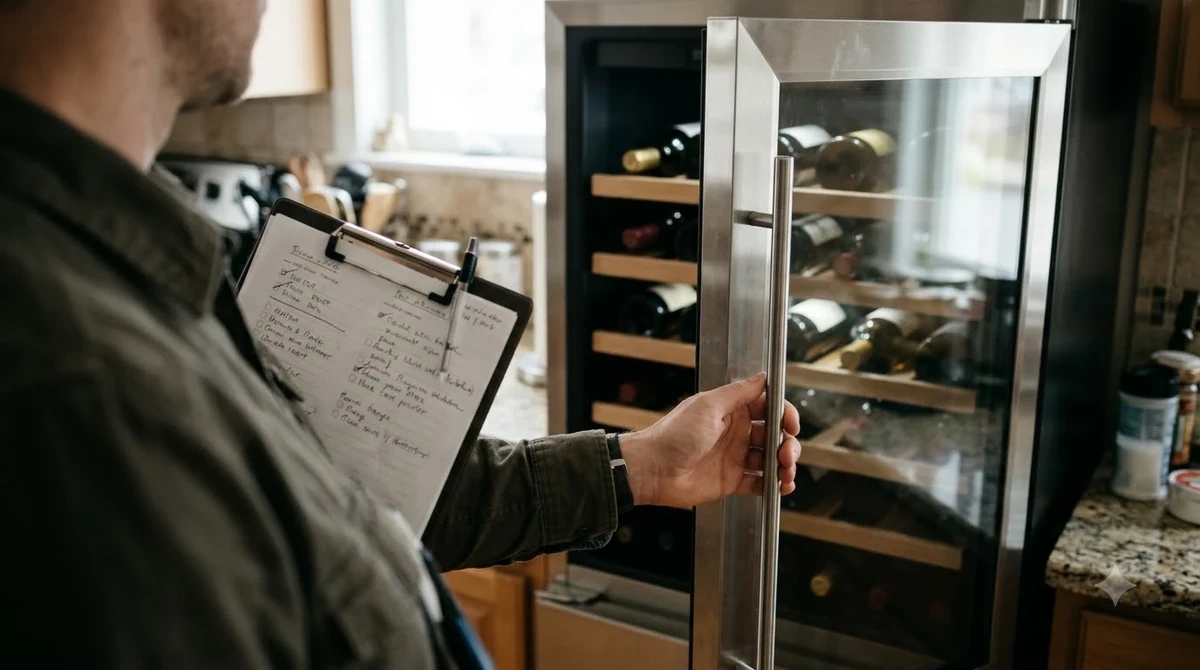
On the fragile end of the spectrum sit biologically aged Sherries—specifically Fino and Manzanilla—alongside Vintage Port. Fino and Manzanilla mature beneath a protective layer of yeast called flor that shields the wine from oxygen in the cask. Once bottled and opened, that barrier is gone, and according to Sherry and Port producer George Sandeman in Wine Enthusiast, both styles should be refrigerated and finished within one week. Vintage Port behaves similarly because it is bottled young with minimal barrel aging and relies on dense fruit and tannin; once decanted or uncorked, it peaks within one to two days, while Ruby Port holds up for eight to ten days.
Oxidatively aged styles sit comfortably in the middle and cover the vast majority of bottles found on home bar carts. Tawny Port, Amontillado Sherry, and Oloroso Sherry spend years in wooden casks slowly interacting with air before bottling, giving them built-in resilience. Standard Tawny Port stays vibrant for three to four weeks, while 20-, 30-, and 40-year-old Tawny Ports can hold their character for up to three months in the fridge. Amontillado and Oloroso remain fresh for up to eight weeks, and very old VOS or VORS Sherries last up to three months. Vermouth—an aromatized fortified wine—typically stays crisp for three to four weeks in the refrigerator before its botanicals flatten.
At the indestructible extreme are Madeira and Marsala, which undergo intentional heating and oxidation during production. Wine educators at Wine Folly note that Madeira and Marsala keep indefinitely once opened because their flavor profile is already built around controlled heat and oxygen exposure. If you want a deeper look at how heat-aged wines behave in your pantry, see our guide on how long does madeira last after opening.
| Fortified Wine Style | Open Shelf Life | Best Storage Method | Primary Aging Style |
|---|---|---|---|
| Vintage Port | 1 to 2 days | Re-corked in fridge or cool dark spot | Bottle-aged, reductive |
| Fino & Manzanilla Sherry | Up to 1 week | Tightly sealed in refrigerator | Biological (under flor yeast) |
| Ruby & LBV Port | 4 to 10 days | Re-corked in refrigerator | Short cask, fruit-forward |
| Dry & Sweet Vermouth | 3 to 6 weeks | Tightly capped in refrigerator | Aromatized, unaged |
| Tawny Port (10-Year & Standard) | 3 to 4 weeks | Re-corked in refrigerator | Oxidative cask aging |
| Amontillado & Oloroso Sherry | Up to 8 weeks | Re-corked in refrigerator | Oxidative cask aging |
| Aged Tawny (20–40 Year) & VOS/VORS Sherry | Up to 3 months | Re-corked in refrigerator | Extended oxidative cask aging |
| Madeira & Marsala | Indefinitely (1+ years) | Upright, away from direct sunlight | Heated & oxidized (estufagem/canteiro) |
Why Fortified Wine Lasts Longer Than Table Wine
Added grape spirit and elevated sugar concentrations give fortified wines a chemical shield that slows both oxidation and bacterial spoilage. Standard table wines generally spoil within three to five days because oxygen dulls fruit compounds and allows acetic acid bacteria to convert alcohol into vinegar.
When winemakers add neutral grape brandy—typically raising the alcohol by volume to between 15 and 22 percent—they create an environment that inhibits the microbes responsible for turning wine sour. Acetic acid bacteria struggle to thrive at higher alcohol levels, which explains why an open bottle of Port or Oloroso rarely turns into sharp salad-dressing vinegar the way an unfinished Sauvignon Blanc does. Instead of spoiling overnight, fortified wines fade gradually, losing top-note aromatics long before they become unpleasant.
Residual sugar provides a second layer of protection in sweet styles like Cream Sherry, Pedro Ximénez, Ruby Port, and sweet vermouth. High sugar concentration binds free water molecules and slows chemical breakdown, much like fruit preserves outlast fresh berries. This is also why a sweet red vermouth consistently outlasts a bone-dry white vermouth by a week or two in the same refrigerator door, and why how long does dessert wine last after opening follows a similar sugar-driven curve across the broader Wine by Type spectrum.
How Storage Habits Change Your Timeline
Where and how you store an opened bottle matters just as much as the style printed on the label. Controlling temperature, oxygen contact, and light exposure can easily double the enjoyable lifespan of a bottle.
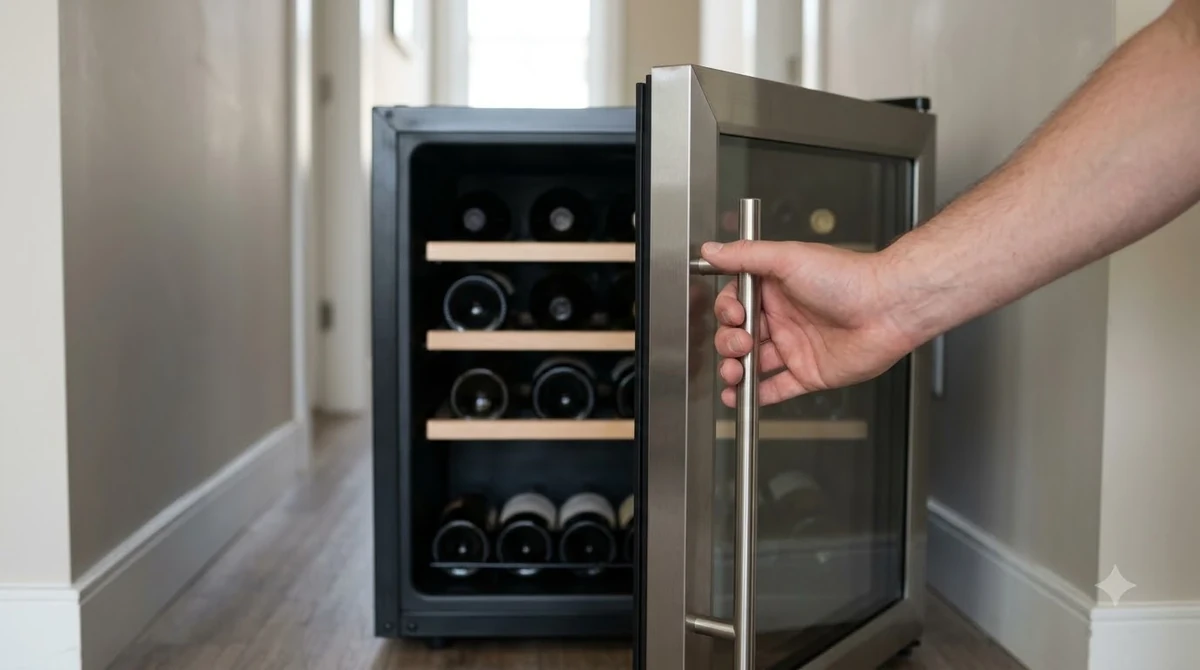
Temperature is the single biggest lever you control at home. Chemical oxidation accelerates dramatically as room temperature climbs, meaning a bottle of vermouth or Tawny Port left on a warm kitchen counter near a stove will taste flat and tired in less than two weeks. Moving that exact same bottle into a standard household refrigerator slows molecular movement and preserves bright citrus, nut, and dried-fruit notes for a month or longer. Even styles traditionally served at cellar temperature—such as aged Tawny Port or Oloroso—benefit from cold storage between pours; simply set your glass on the counter for 15 to 20 minutes before sipping so the aromas open up.
Bottle position and headspace also play a decisive role once the original seal is broken. Always store opened fortified wines standing upright rather than lying on their sides. Upright storage minimizes the surface area of wine exposed to trapped air inside the neck, drastically reducing the rate of oxygen absorption. Furthermore, because most fortified wines use driven T-stoppers or screw caps rather than tight wine corks, laying an open bottle on its side risks slow leaks. As the bottle drops below the halfway mark, transferring the remaining wine into a smaller clean glass bottle—or using an inert gas preserver—cuts down headspace and keeps the final pours tasting fresh.
Tip: Write the opening date directly on the back label with a metallic marker or piece of masking tape so you never have to guess how long a bottle has been sitting in the back of your fridge.
Signs Your Fortified Wine Has Past Its Peak
An expired fortified wine almost never poses a safety risk, but recognizing sensory cues prevents you from serving a flat glass or ruining a classic cocktail. Your nose and palate are far more reliable than any calendar rule.
The earliest sign of decline is aromatic muting rather than an outright off-odor. Fresh Fino Sherry should smell briskly of green almonds, sea spray, and bread dough, while fresh sweet vermouth offers vivid wormwood, citrus peel, and baking spice. When oxidation takes over, those lifted aromatics disappear, leaving a hollow, dusty, or cardboard-like impression on the nose. In darker styles like Ruby Port or sweet vermouth, you may also notice the color shifting from vibrant crimson toward a dull, murky brick brown.
On the palate, tired fortified wine loses its structural tension and feels flabby, overly sweet, or strangely bitter. Dry vermouth and Fino Sherry often develop a thin, metallic, or slightly sour edge once they pass their window, which will make a dry Martini taste lifeless even if your gin is top-shelf. If a bottle smells sharply of nail polish remover—a sign of excessive volatile acidity—or shows any mold around the stopper, pour it out immediately. If it merely tastes muted without any sour or chemical flaws, repurpose it in the kitchen for deglazing pan sauces, braising short ribs, or poaching pears.
Real-World Situations for Common Bottles
Knowing how long bottles last in real kitchens helps you buy the right bottle size and match storage routines to how you actually drink. Different drinking habits call for completely different strategies.
If you only pull out vermouth twice a month for weekend Manhattans or Martinis, avoid buying full 750-milliliter bottles unless you entertain frequently. Purchasing 375-milliliter half-bottles ensures you finish the wine within three to four weeks while the botanicals are still snappy and aromatic. Similarly, if you love crisp, chilled Fino or Manzanilla Sherry as an aperitif with olives and almonds, look for half-bottles so you can comfortably finish the wine within its seven-day window without rushing.
For hosts who enjoy offering an after-dinner pour when guests visit once or twice a month, oxidative styles are the smartest investment for your bar cart. A bottle of 20-Year Tawny Port, Oloroso Sherry, or Madeira can sit ready for months between dinner parties without losing its poise, meaning you never feel pressured to finish a bottle in a single weekend. Just like tracking how long does orange wine last after opening helps you plan weeknight dinners, matching your fortified wine choice to your pouring pace eliminates waste.
Frequently Asked Questions
Does fortified wine need to be refrigerated after opening?
Yes, almost every fortified wine benefits from refrigeration after opening, especially Fino Sherry, Manzanilla Sherry, Ruby Port, and vermouth. Cold temperatures dramatically slow down oxidation and preserve delicate fruit and botanical aromas for weeks instead of days. Only Madeira and Marsala can safely sit upright in a cool, dark cupboard without noticeable degradation.
Can old opened fortified wine make you sick?
No, drinking opened fortified wine that has oxidized past its prime will not make you sick. The high alcohol content and acidity prevent harmful pathogens from growing inside the bottle. At worst, an overly old bottle will taste flat, stale, overly nutty, or faintly vinegary, making it unenjoyable to sip.
Why does Fino Sherry go bad so much faster than Oloroso Sherry?
Fino Sherry ages under a protective layer of flor yeast that blocks oxygen contact in the barrel, leaving the wine delicate and vulnerable once uncorked. Oloroso Sherry matures without flor in direct contact with air, meaning it has already undergone controlled oxidation before bottling and easily handles oxygen for up to eight weeks after opening.
Do vacuum wine pumps work well on fortified wine?
Vacuum pumps can add several extra days of freshness to sturdy styles like Tawny Port or Oloroso Sherry by removing oxygen from the bottle neck. However, avoid using vacuum pumps on aromatic styles like vermouth or Fino Sherry, as suction can strip away volatile floral and herbal aromas; inert gas sprays or smaller storage bottles work much better.
Matching your storage routine to the way each fortified wine was aged takes the guesswork out of keeping an open bottle on hand. Keep delicate biological and aromatized bottles cold and tightly sealed for quick enjoyment, and lean on oxidative classics like Tawny Port, Oloroso, and Madeira whenever you want effortless longevity.
More in Wine Types & Grapes
 Zinfandel Sugar Content: Dry Red vs. White Zinfandel GramsUpdated Nov 21, 2026
 Best Zinfandel Substitute Options for Sipping and CookingUpdated Nov 21, 2026
 Zweigelt Food Pairing: Best Dishes, Cheeses, and Serving TipsUpdated Nov 21, 2026
 Zinfandel Tannins Explained: How Structure Shapes Every BottleUpdated Nov 21, 2026
 Zinfandel Sweetness Level: Dry Red vs. Sweet White Zin ExplainedUpdated Nov 21, 2026
 Xinomavro Food Pairing: Best Dishes, Styles, and Serving TipsUpdated Nov 21, 2026