

We may earn a commission when you buy through links on this page, at no extra cost to you. Learn more.
What is ruby port? Ruby port is the youngest and most fruit-forward everyday style of port, the fortified red wine from the Douro region of Portugal. It is aged for only a few years or less, which keeps its bright red color and full, fresh fruit flavor. Ruby port is usually sweet, served with dessert or on its own, and it does not generally improve with age the way older port styles do.
Ruby is often the first port people buy, and it is also the style that appears most often in cooking and cocktails. This guide explains how ruby is made, how it differs from tawny and vintage port, how to serve it, and what foods suit it.
The word ruby can sound like a grade or a quality mark, but it describes a style. A ruby port is meant to be drunk young, so the producer’s goal is fruit and color rather than the soft, nutty character that comes from long aging in wood.
How ruby port is made
Ruby begins like other port. Grape juice is fortified with a grape spirit during fermentation, which stops the process early and leaves residual sugar in the wine. The fortified wine is then stored and blended. Regular ruby is kept in concrete or stainless steel tanks after fermentation rather than in oak barrels, a choice that protects the wine from oxidation and preserves its color.
According to the Wikipedia entry on port wine, tank storage is used to prevent oxidative aging and to keep the bright red color and full-bodied fruitiness. The wine is then blended to match the producer’s house style, fined and cold filtered before bottling. That blending step is why two ruby ports from different houses can taste noticeably different even though they share a style name.
Because the wine is kept out of wood, ruby lacks the nutty, dried-fruit character that older tawny styles develop. Its flavors stay closer to fresh red and dark fruit, with a sweetness that is usually plain and direct rather than complex.
Ruby, reserve ruby and LBV
Ruby port sits in a family of young styles, and it helps to know the main variations before buying. Standard ruby is the simplest and most affordable version. Reserve ruby is a premium ruby, and the Wikipedia entry notes that it must be approved by the IVDP’s tasting panel to carry the name. Reserve rubies are usually richer and more concentrated than standard bottlings.
Late bottled vintage, or LBV, is a related style with a longer path. Premium LBVs are aged in wood for four to six years before bottling, so they are more mellow than standard ruby. They are still considered young ports, but they show more polish and less raw fruit. Vintage port is a separate category again, made only in declared years and then aged for a long time in the bottle.
For most home buyers, the practical question is simple: do you want a bright, fresh, fruit-driven port for everyday serving, or a softer, more mature style? Ruby answers the first question, while tawny and older styles answer the second.
How ruby port tastes
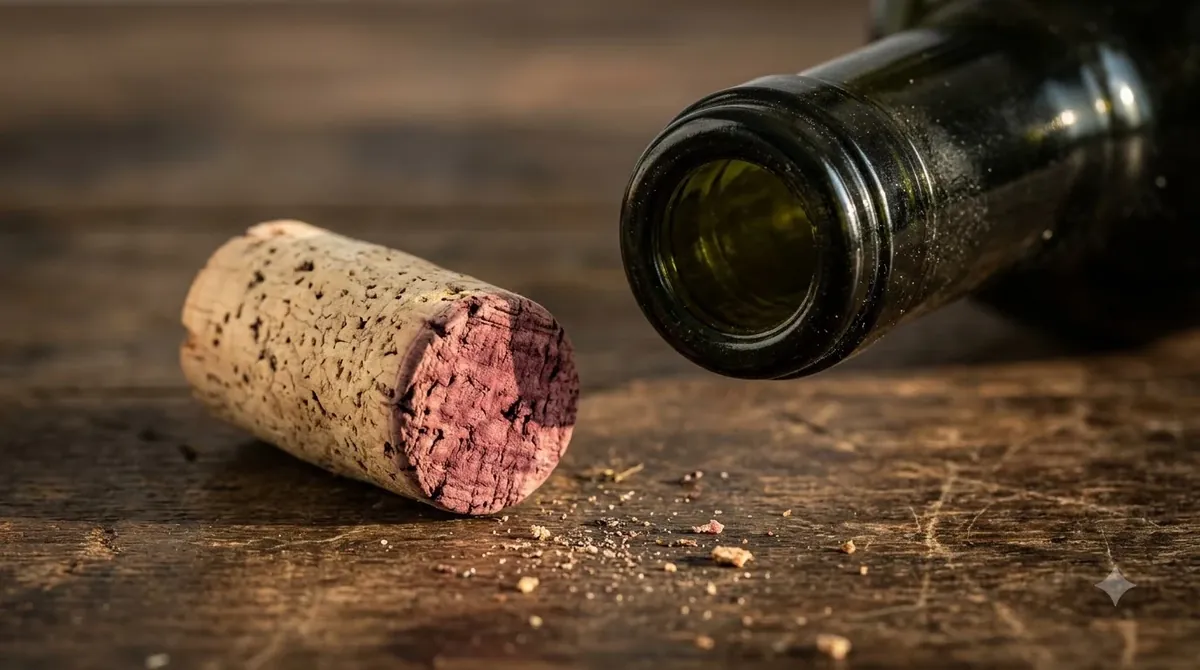
Ruby port tastes of fresh red and dark fruit, often with cherry, plum or berry notes, and a sweet, rounded finish. Its color is deep red, sometimes with purple edges when the wine is young. The body is full, and the fruit is more vivid than in a tawny port, which has lost much of its color over time in wood.
Sweetness is the feature most people notice first. The Wikipedia entry describes port in general as typically a sweet red wine that is often served with dessert, and ruby fits that pattern. A good ruby should taste bright rather than heavy, with enough acidity to keep the sweetness from feeling sticky.
Ruby does not gain much from long cellaring. Once bottled, it is meant to be enjoyed within a few years, so buying a ruby to age for decades is rarely the best use of money. If you want a port that improves with time, look at vintage or aged tawny styles instead.
How to serve ruby port
Serving temperature has a noticeable effect on ruby. The Wikipedia entry gives a serving range for port in general of 15 to 20 °C (59 to 68 °F), which is slightly cooler than room temperature in most homes. Serving ruby a little chilled brings out the fruit and keeps the sweetness from feeling heavy, while a warmer glass can make the alcohol more noticeable.
A standard small glass is the easiest choice. Port is usually poured in small amounts after dinner, and a modest pour is enough to enjoy the flavor. Ruby works well in a tulip-shaped glass, which concentrates the fruit aroma without making the drink feel heavy in the mouth.

| Style | Aging | Character | Best use |
|---|---|---|---|
| Standard ruby | A few years or less, in tank | Bright, fresh red and dark fruit | Everyday serving, cooking, dessert |
| Reserve ruby | Premium ruby, approved by the IVDP tasting panel | Richer and more concentrated | Gifts, dessert, slow sipping |
| LBV | Four to six years in wood, premium versions | Softer, more polished, less raw fruit | After dinner with cheese or dessert |
| Tawny | Aged in wood, often for years | Nutty, dried-fruit, amber color | Sipping with dessert or nuts |
Tip: Once opened, port keeps longer than unfortified wine, but it is still best consumed within a reasonable time. Young ruby-style ports can stay open for several weeks, and a tightly sealed bottle kept cool will hold its fruit better than one left on the counter.
Foods that suit ruby port
Ruby works best with desserts that have some fruit or chocolate in them. Dark chocolate tarts, berry desserts and fruit crumbles all match its sweetness and bright red character. The classic pairing with a cheese plate is a blue cheese, since salt and sweetness balance each other well, although many people also enjoy ruby with sharp cheddar or aged cheeses.
Ruby also works in cooking, where its sweetness and fruit can reduce into sauces for duck, pork or game. If you want simple ideas, the guide to port with chocolate covers desserts in more detail, and the notes on cooking with port show how to reduce the wine into a glaze without losing its fruit.
Ruby port versus other port styles
Ruby is the simplest port, and that makes it a good starting point. Tawny ports are aged in wood for years and show nutty, caramel and dried-fruit flavors. Vintage ports are made only in the best years and need long bottle aging. LBV sits between ruby and vintage, with more polish than a standard ruby but less intensity than a vintage bottle.
If you are unsure which to choose, start with a standard ruby for everyday serving and cooking. If you enjoy it, try a reserve ruby or an LBV to see how a few extra years in wood change the taste. For a deeper understanding of the category, the guide on Wine by Type places port alongside other fortified and dessert wines.
How to buy and store ruby port
Check the label for the word ruby, the producer’s name and whether the bottle is a reserve or a standard ruby. Producers vary in how much fruit and sweetness they put into their ruby, so one brand may taste lighter or richer than another. Reading tasting notes from several sources helps you match the style to your own taste.
Store unopened bottles on their side in a cool, dark place away from heat and light. Once opened, recork the bottle and keep it in a cool spot. Ruby’s fresh fruit fades faster with air exposure, so a bottle that tasted lively on the first night may taste duller after several weeks.
Frequently Asked Questions
What is ruby port made from?
Ruby port is made from red grape juice that is fortified with a grape spirit during fermentation. The wine is then stored and blended, with regular ruby kept in tanks rather than in oak barrels to preserve its color and fresh fruit.
Is ruby port sweet?
Yes, ruby port is typically sweet. It is usually served with dessert or after dinner, and a good ruby balances its sweetness with enough acidity to keep the finish bright rather than heavy.
How long does ruby port last once opened?
Port generally lasts longer than unfortified wine once opened, but it is still best consumed within a reasonable time. Young ruby-style ports can stay open for several weeks, and keeping the bottle cool and tightly sealed helps preserve the fruit.
Should I serve ruby port chilled?
A slightly chilled serve works well. The Wikipedia entry gives a general port serving range of 15 to 20 °C (59 to 68 °F), and within that range ruby tastes brighter and less heavy than it does when served warm.
Ruby port is a practical, fruit-forward style that rewards simple serving. Pour a small glass with dessert or a blue cheese, keep the bottle sealed between uses, and you will find out quickly whether this youthful style suits your taste.
More in Wine Types & Grapes
 Zinfandel Sugar Content: Dry Red vs. White Zinfandel GramsUpdated Nov 21, 2026
 Best Zinfandel Substitute Options for Sipping and CookingUpdated Nov 21, 2026
 Zweigelt Food Pairing: Best Dishes, Cheeses, and Serving TipsUpdated Nov 21, 2026
 Zinfandel Tannins Explained: How Structure Shapes Every BottleUpdated Nov 21, 2026
 Zinfandel Sweetness Level: Dry Red vs. Sweet White Zin ExplainedUpdated Nov 21, 2026
 Xinomavro Food Pairing: Best Dishes, Styles, and Serving TipsUpdated Nov 21, 2026