

We may earn a commission when you buy through links on this page, at no extra cost to you. Learn more.
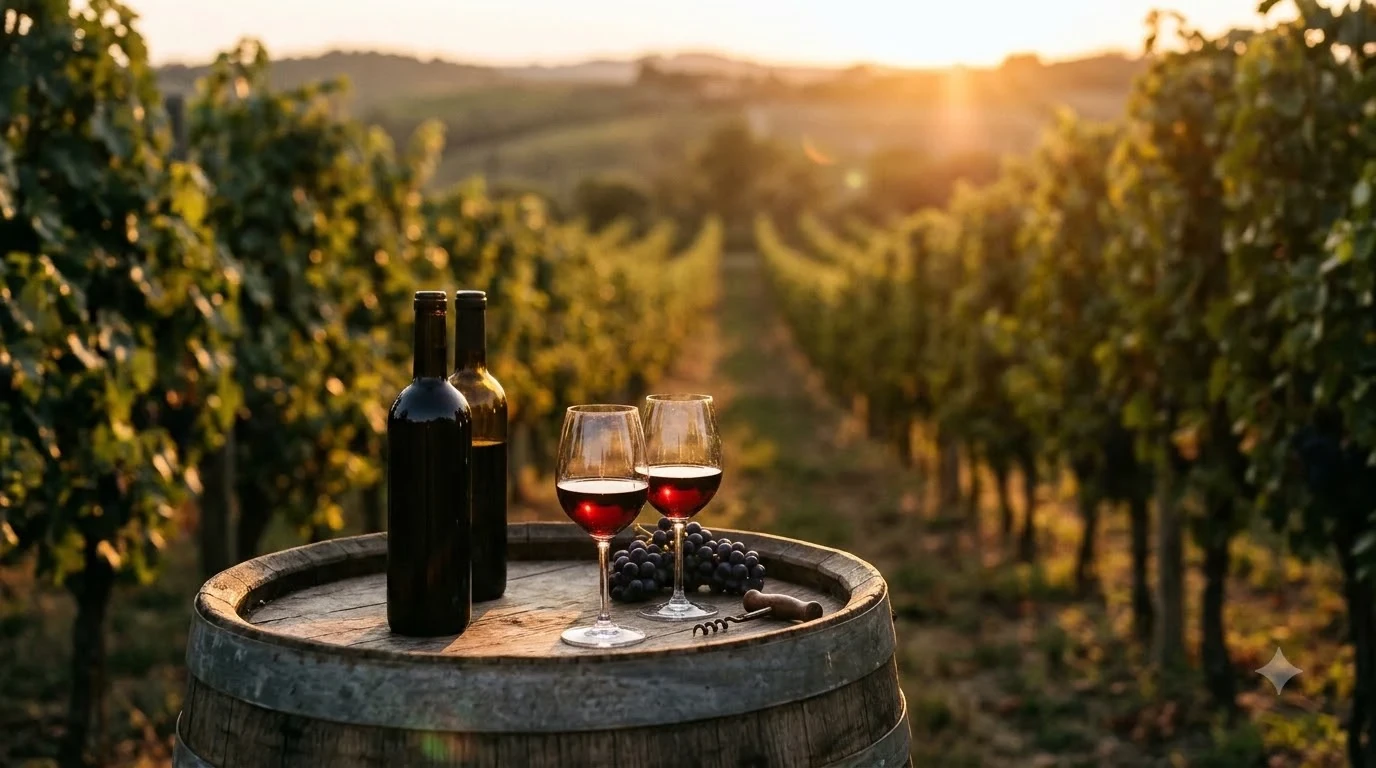
Healdsburg vineyards surround a small city in Sonoma County, California, where the Alexander Valley, Dry Creek Valley and Russian River Valley wine regions meet. The town was once known for prunes, but vineyards replaced its orchards from the 1970s, and wine is now its main agricultural industry. Visitors come for the tasting rooms, the restaurants around the central plaza and the quick access to three distinct American Viticultural Areas.
Healdsburg sits in the North Bay, where the Russian River winds through a patchwork of vineyards and small towns. Its location makes it a practical base for exploring Sonoma County, and the town center is compact enough to walk after a day of tastings. This guide explains where the vineyards are, how the town’s agriculture changed, what the nearby regions are known for, and how to plan a visit that does not try to cover too much ground in one day.
Where Healdsburg’s vineyards are
Healdsburg is a city in Sonoma County, in California’s North Bay region. It lies on the Russian River, at the point where the Alexander Valley, Dry Creek Valley and Russian River Valley wine regions meet. The encyclopedia entry on the city describes this as the place where three American Viticultural Areas come together, which gives the area an unusually varied set of growing conditions within a short drive.
Because the three valleys meet here, the town works as a hub. Visitors can drive a short loop to taste in different valleys without changing their base, and many tasting rooms sit within the town itself. The variety of soils, slopes and microclimates across these valleys is one reason the surrounding vineyards produce such different wines.
How wine replaced prunes in the town’s economy
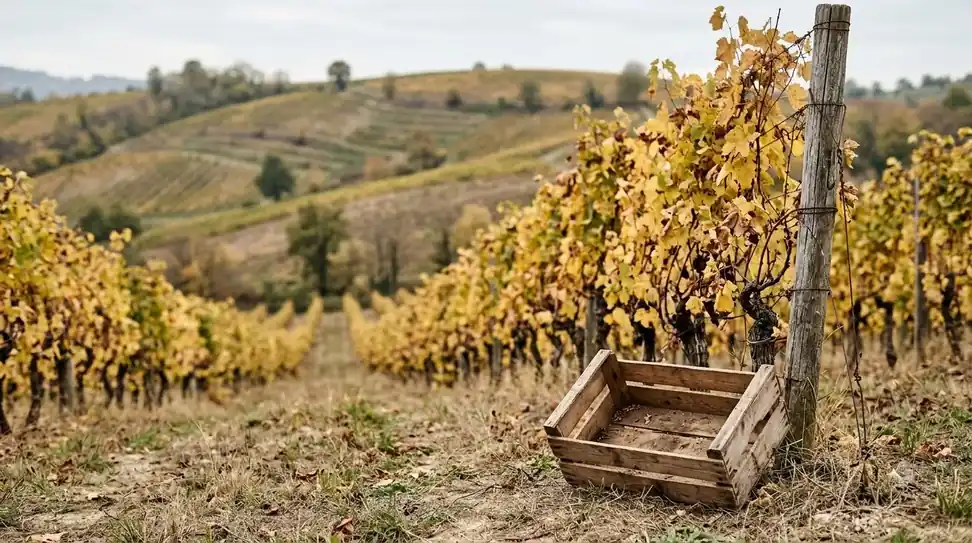
Healdsburg’s modern identity is recent compared with its history. The town was founded in 1857 by Harmon Heald on part of Rancho Sotoyome, and he laid out the central plaza that still anchors the town today. It was incorporated in 1867, and the railroad reached it in 1871 and was extended north in 1872. For decades the local economy leaned on prunes, and in 1929 the city’s slogan was “Healdsburg: the Buckle of the Prune Belt.”
The change came from the ground up. Vineyards began replacing the prune orchards from the 1970s, and by the mid-1980s nearly all of the orchards were gone. Wine became the area’s main agricultural industry, and the town shifted from a farm town into a wine-country destination with restaurants, tasting rooms, galleries and shops around the plaza. Today the city’s economy depends heavily on both wine and tourism, which is why the vineyards and the town feel so closely connected.
The three valleys around town
Each of the three regions has its own character, and knowing the difference helps when you choose where to taste. The Alexander Valley is a large area north of town, and VinePair’s reporting on the 2019 Kincade Fire describes it as having almost 15,000 acres of vineyards. Several wineries there, including Alexander Valley Vineyards, sit in the valley near town. The fire damaged a number of estates in the area, so check current hours and availability before you plan a route.
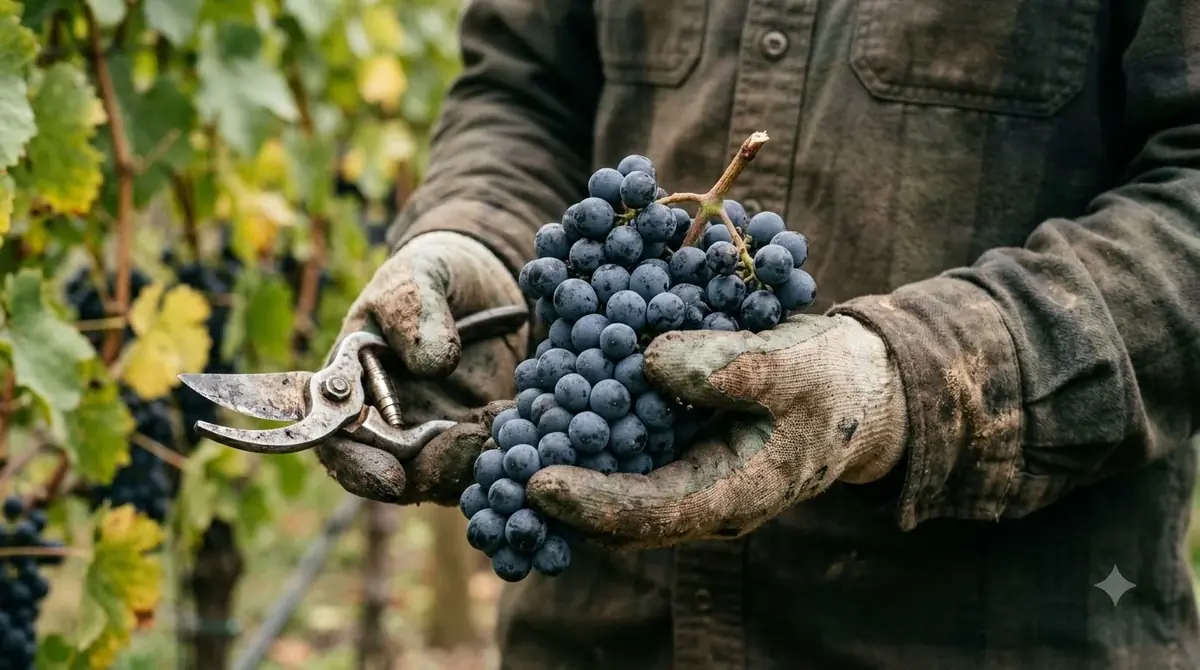
Dry Creek Valley and the Russian River Valley are the other two regions that meet at Healdsburg. Each draws its own mix of visitors, and many tasting rooms highlight the grapes and styles associated with their valley. Asking a host which valley a wine comes from is often the fastest way to understand what you are tasting.
| Area | What to know |
|---|---|
| Healdsburg city | Sonoma County town on the Russian River, with a central plaza and walkable tasting rooms |
| Alexander Valley | Large valley north of town, with about 15,000 acres of vineyards (2019 figures) |
| Dry Creek Valley | One of the three regions that meet at Healdsburg |
| Russian River Valley | The third region that meets at Healdsburg, along the river |
Dining and stays that pair with a tasting day
Healdsburg has become known for its restaurants as much as its wines. The encyclopedia entry notes that SingleThread, a restaurant, inn and farm that opened in 2016, received three Michelin stars in 2019. Chef Kyle Connaughton and Katina Connaughton opened it as a restaurant, inn and farm combined.
For a day in the valleys, many visitors book lunch near the plaza and an early dinner after the last tasting. Plan the reservation before you set out, since popular tables fill quickly in busy seasons. Staying in town lets you walk to dinner after tasting, which is a practical advantage in a region where driving after a tasting is a bad idea.
Tip: Choose two or three tasting rooms for the day, and visit one valley at a time. Driving between far-apart estates eats up the afternoon, and the town’s own tasting rooms are a good way to sample without a long drive.
What to taste and how to plan the visit
Sonoma wine is known for its range, and Healdsburg’s tasting rooms show that range well. Old-vine Zinfandel is worth asking about. According to VinePair’s Zinfandel guide, many of California’s oldest vineyards are mostly Zinfandel, and the style can be full-bodied yet often zippy. Ask whether an estate makes a Zinfandel from older vines, since those bottles show a different side of the region than the newer plantings do.
Planning helps more than a long list. Check each tasting room’s hours in advance, since many are seasonal or work by appointment, and ask about tasting fees and group limits when you book. Leave time between stops, and treat the day as a series of short conversations rather than a race through the valley.
Think about the season as well. Harvest time in the valleys is busy, and some estates limit tastings while crews are working in the vineyards. Spring and early summer give a quieter visit, when the vines are green and the town is easy to walk. Whatever the month, a short note on what you liked at each stop makes it much easier to find the bottles again when you order online or visit a shop.
Frequently Asked Questions
Where exactly are the Healdsburg vineyards?
Healdsburg is a city in Sonoma County, in California’s North Bay region, on the Russian River. The Alexander Valley, Dry Creek Valley and Russian River Valley wine regions meet near the town.
Why is Healdsburg called a wine country town?
Vineyards replaced the town’s prune orchards from the 1970s, and by the mid-1980s nearly all of the orchards were gone. Wine became the main agricultural industry, and the town grew into a destination with tasting rooms, restaurants and shops around the plaza.
How many days do I need to visit the Healdsburg wineries?
Two days give you time to taste in more than one valley without rushing. A single day works if you focus on the town’s tasting rooms and one nearby valley, with a booked lunch or dinner in between.
Is it safe to drive between tasting rooms?
Drive only when you are not drinking, and plan a designated driver, a car service or a driver for the day. Distances between valleys can be longer than they look on a map, so allow extra time for every route.
Healdsburg vineyards reward a planned visit that stays close to the town. Pick a valley, choose two or three tasting rooms and book a good meal near the plaza. For a broader view of how regions shape wine, read our wine regions guide, or compare a similar wine-country trip in Fredericksburg or Traverse City.
More in Wine Regions
 Willcox Wine Trail: Discover Arizona’s High-Elevation Wine CountryUpdated Nov 20, 2026
 Yakima Valley Wine Region: Find the Best Styles to TryUpdated Nov 20, 2026
 Vosne Romanee Wine Tasting: Identify Aromas and Choose Better PairingsUpdated Nov 20, 2026
 Yakima Valley Wine Festival: Find the Best Seasonal Wine EventsUpdated Nov 20, 2026
 Wales Vineyards: Discover Cool-Climate Wines and Where to VisitUpdated Nov 20, 2026
 Yountville Wine Festival: Discover Napa Wines and Local FoodUpdated Nov 20, 2026