

We may earn a commission when you buy through links on this page, at no extra cost to you. Learn more.
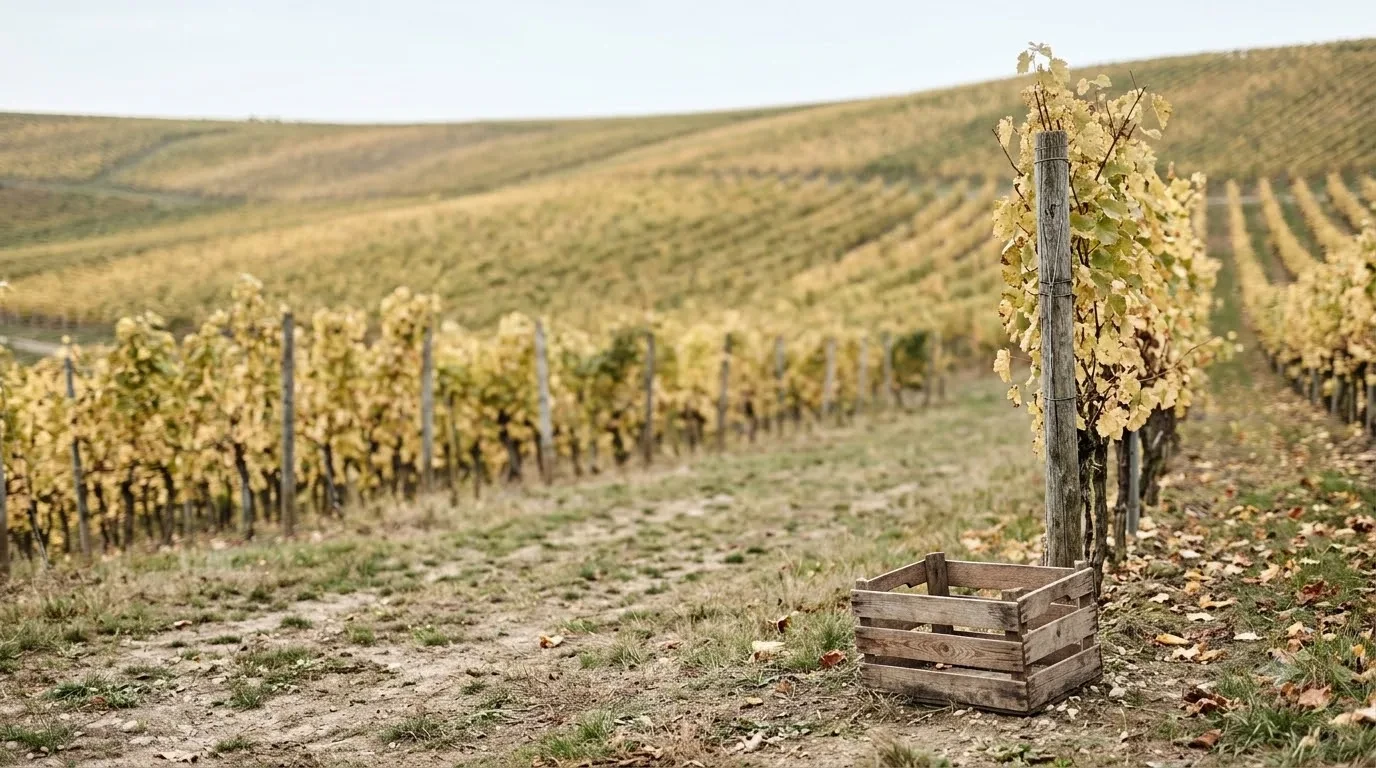
Traverse City vineyards sit mainly on the Old Mission Peninsula and the Leelanau Peninsula, where Lake Michigan moderates the weather and Riesling and Pinot Noir are the signature grapes. The peninsulas give the region a cool, long growing season, and the wines are known for bright acidity, mineral notes, and a strong sense of place.
If you are planning a trip to northern Michigan or just want to know what makes the local wines different, the vineyards around Traverse City are a good place to start. This guide covers where the vineyards are, how the lake shapes the climate, which grapes do best, how the region developed, and how to plan a visit. It also explains why the area is so closely linked with Riesling.
Where the vineyards are
Most of the Traverse City wine country is on the Old Mission Peninsula, a long finger of land that reaches north into Grand Traverse Bay. The peninsula is surrounded by water on three sides, which means most vineyards are never far from a shoreline. Nearby, the Leelanau Peninsula has its own wine region, and many visitors plan a route that covers both.
The Old Mission Peninsula is about 19 miles long, and its name comes from a Presbyterian mission founded in 1842. The vineyards cover roughly 1,540 acres, and the region has around 11 wineries. Because the area is small, it is easy to visit several tasting rooms in one day, and many estates are set on the water or on farmland with views across the bay.
How the lake shapes the climate
Lake Michigan is the main reason the vineyards work. The water moderates temperatures in spring and fall, which helps keep the vines from breaking dormancy too early and then being damaged by a late frost. The lake also keeps the peninsula nearly frost-free for much of the growing season, and the autumns are long. Grapes can hang on the vine well into the fall and ripen fully, which gives the wines their balance.
The soils are sandy and sit over limestone bedrock left behind by glaciers. Drainage is good, and the limestone helps give the wines a mineral character and strong acidity. Annual rainfall is moderate, at roughly 30 inches, so vineyard managers can keep disease pressure under control with careful canopy work. For a grower, the combination of lake influence, sandy soil, and a long fall is what makes the region suitable for cool-climate grapes rather than warm-climate reds.
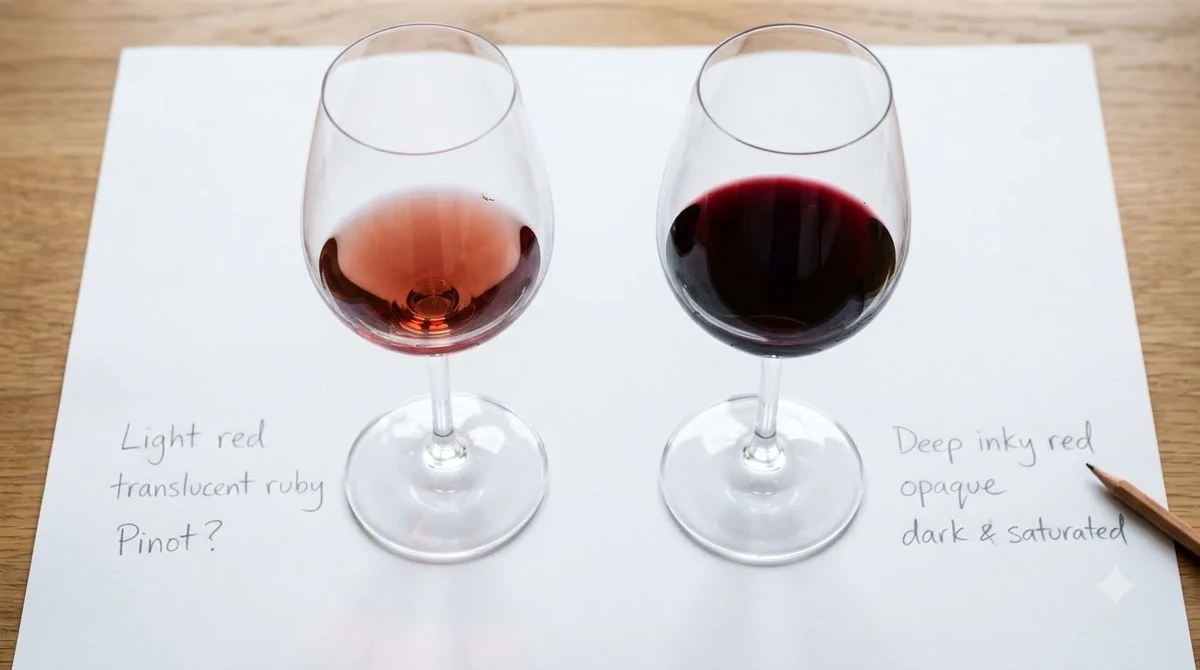
In practice, this climate tends to produce wines that feel fresh and precise. Whites often show citrus and stone fruit, while Pinot Noir leans toward red cherry and earthy notes. Visitors who expect the heavy, oaky styles of warmer regions may be surprised by how light and lively the wines can be.
| Grape | Role in the region | What to expect |
|---|---|---|
| Riesling | The signature variety, made dry to sweet, plus sparkling and ice wine | Citrus, green apple, and mineral notes with lively acidity |
| Pinot Noir | A leading red and a source of elegant, restrained wines | Red cherry, earth, and a light, silky body |
| Chardonnay | A common white, often made in a restrained style | Apple, citrus, and a clean finish |
| Cabernet Franc | A red grown in several vineyards | Red fruit with herbal and savory notes |
How the region developed
Wine grapes came late to the peninsula. Fruit farming, especially cherries, dominated the land for decades, and the orchards still shape the scenery and the local food culture. The modern wine industry began in the 1970s, when growers started planting vinifera grapes on the peninsula. In 1974, Edward O’Keefe Jr. of Chateau Grand Traverse planted Chardonnay, Pinot Noir, and Riesling and opened the peninsula’s first winery, a move that helped put the area on the map as a serious wine region.
The Old Mission Peninsula received federal American Viticultural Area (AVA) designation in 1987. That recognition gave the region a legal identity and helped winemakers describe their wines by place. Over the following decades, the area grew from a handful of pioneers into a destination with a range of estates, from family farms to larger tasting rooms. Many wineries now focus on a few varieties and make them carefully, rather than trying to cover every style.
Today the region is often described as a Riesling destination. Winemakers have built a reputation for dry Riesling with mineral lift, and for sweeter styles and ice wine that show the grape’s range. Pinot Noir is the most widely planted red, and it is often the wine that visitors remember after a trip.
Tip: If you only taste one style, choose a dry Riesling. It shows the region’s character more clearly than almost any other wine, and it pairs well with the local seafood and fresh produce.
How to plan a visit
Traverse City is the main base for the wine country, and it has hotels, restaurants, and a busy waterfront. From the city, the Old Mission Peninsula is a short drive north, and many visitors plan a route that takes them up one side of the peninsula and back down the other. The roads are scenic and relatively quiet, but the distances between some estates are longer than they look on a map.
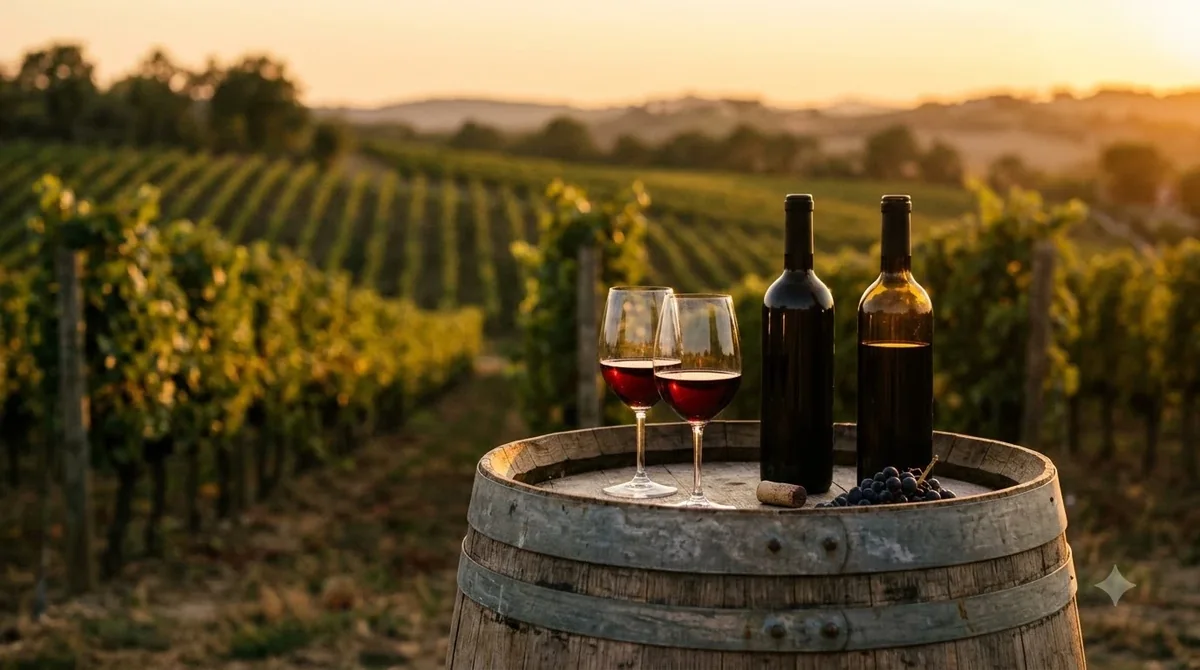
Summer is the busiest season, and tasting rooms can fill up on weekends. Early fall is a favorite time to visit, because the weather is still pleasant and the vineyards are busy with harvest. Spring is quieter, and many wineries are less crowded then. Check each winery’s hours before you travel, since they change by season.
Many visitors combine a winery day with a lakeside walk, a cherry-themed snack, or a meal of local fish. Planning your route around food stops makes the day more relaxed, and it also helps you pace the tastings. Designated drivers or guided tours are a good idea if you plan to visit several estates.
What to buy and how to serve it
Serve dry Riesling well chilled, and let sweeter styles warm a little in the glass so the aromas open up. Pinot Noir is best served slightly cool, not warm. Many tasting rooms sell wines that are not available in regular stores, so buy a few bottles you cannot find at home. Ask staff how each wine has been aged, since some reds spend time in oak and others are kept in neutral vessels.
The region pairs well with fish, pork, and roasted vegetables. A dry Riesling works with whitefish and salads with fresh herbs, while Pinot Noir goes with roast chicken, mushroom dishes, and cheese. If you want to compare how other coastal and cool-climate regions handle these styles, the Fredericksburg vineyards guide offers a useful contrast with a much warmer climate in Texas.
For a wider view of the region’s wines, visit the Traverse City wine guide, which looks at the wines themselves, and the Cape May vineyards guide, which covers another coastal wine area on the East Coast.
Frequently Asked Questions
What are Traverse City vineyards known for?
Traverse City vineyards are known for Riesling, which ranges from dry to sweet and includes sparkling wine and ice wine. Pinot Noir is the most widely planted red, and Chardonnay is also common.
Why is the climate good for wine in northern Michigan?
Lake Michigan moderates temperatures, keeps the peninsula nearly frost-free for much of the season, and allows long autumns. The result is grapes that ripen slowly and keep their acidity.
Which peninsula has the most vineyards?
The Old Mission Peninsula is the main wine area near Traverse City. The Leelanau Peninsula also has vineyards and is often visited on the same trip.
When is the best time to visit Traverse City vineyards?
Early fall is a popular choice because the weather is pleasant and harvest is underway. Summer is busiest, while spring is quieter and often less crowded.
Traverse City vineyards reward visitors who like cool-climate wines and a relaxed pace. Start with a dry Riesling, compare a Pinot Noir, and then explore the peninsulas at your own speed. For a broader look at how wine regions compare across the world, visit the Wine Regions section. You can also read the Wine Folly Old Mission Peninsula regional guide for more detail on the region’s soils and producers.
More in Wine Regions
 Willcox Wine Trail: Discover Arizona’s High-Elevation Wine CountryUpdated Nov 20, 2026
 Yakima Valley Wine Region: Find the Best Styles to TryUpdated Nov 20, 2026
 Vosne Romanee Wine Tasting: Identify Aromas and Choose Better PairingsUpdated Nov 20, 2026
 Yakima Valley Wine Festival: Find the Best Seasonal Wine EventsUpdated Nov 20, 2026
 Wales Vineyards: Discover Cool-Climate Wines and Where to VisitUpdated Nov 20, 2026
 Yountville Wine Festival: Discover Napa Wines and Local FoodUpdated Nov 20, 2026