

We may earn a commission when you buy through links on this page, at no extra cost to you. Learn more.
Cape May vineyards are the grape-growing farms and wineries on the Cape May Peninsula, at the southern tip of New Jersey. The area was recognized as New Jersey’s fourth American Viticultural Area in 2018, and it sits inside the larger Outer Coastal Plain appellation. The peninsula’s warm, long growing season and sandy coastal soils support a range of grapes, and visitors can tour a small group of wineries within a short drive of the Atlantic beaches. Most of the region’s wine is made in small batches by family-run farms.
This guide covers where the Cape May vineyards are, how the appellation was created, which wineries are in the area, and what to expect when you visit. It also explains how the region fits into the wider New Jersey wine scene.
Where the Cape May Vineyards Are
The Cape May wine region occupies the southern end of New Jersey, on a narrow peninsula bordered by Delaware Bay to the west and the Atlantic Ocean to the east. Most of the vineyards and wineries lie in Cape May County, with a few reaching into neighboring Cumberland County. Towns such as Cape May Court House, Rio Grande, and West Cape May are home to the main wineries, which makes the area easy to reach from Philadelphia or the Delaware coast.
The region is one of several wine areas in the state, but it is the only one that is shaped by a peninsula surrounded on two sides by water. That position affects the local climate, and it is a big part of what makes the area distinct.
How the Cape May Peninsula Became an AVA
An American Viticultural Area is a federally designated wine region with defined boundaries. The Cape May Peninsula AVA was approved in 2018, and it became New Jersey’s fourth such area after Central Delaware Valley, Warren Hills, and Outer Coastal Plain. Local farmers led the application, which was based on the peninsula’s distinct growing conditions and its tradition of grape growing.
Because the Cape May Peninsula AVA sits inside the larger Outer Coastal Plain AVA, a bottle labeled with the smaller name must meet stricter sourcing rules. AVA rules limit which grapes can carry the Cape May name, which protects the identity of the region.
Grapes and Wine Styles
New Jersey vineyards grow more than 40 grape varieties, and the state’s growers work with vinifera vines, French-American hybrids, and native American grapes. According to the New Jersey Department of Agriculture, cooler northern vineyards are known for Pinot Noir and Riesling, while southern vineyards lean toward Italian varieties such as Sangiovese and Barbera.
Cape May’s wineries reflect that southern tendency. Producers here make a mix of red and white wines, along with fruit wines in some cases. The Cape May Winery & Vineyard, Natali Vineyards, and Turdo Vineyards & Winery are among the wineries named in regional guides. Small producers often change their selection from year to year.
| Winery | Town |
|---|---|
| Cape May Winery & Vineyard | Cape May |
| Natali Vineyards | Cape May Court House |
| Turdo Vineyards & Winery | North Cape May |
| Willow Creek Winery | West Cape May |
| Jessie Creek Winery | Cape May Court House |
| G&W Winery | Rio Grande |
| Hawk Haven Vineyards | Rio Grande |
The table lists the wineries named in a regional guide to the Cape May wine country, and it is a useful starting point for planning a route. Check each winery’s current hours and tasting options before planning a visit, since small producers often change their schedules by season.
Climate, Soil, and the Growing Season
The peninsula has one of the longest growing seasons in New Jersey, according to regional wine tourism information. Because the peninsula is surrounded by water, the ocean and the bay are likely to moderate temperatures, though detailed soil and climate data for individual vineyards was not available in the sources reviewed here.
Coastal sites also bring challenges. Humid coastal conditions can make disease pressure a concern for any vineyard, and growers in such areas generally rely on careful canopy management and spray programs to keep fruit healthy.
Visiting the Cape May Wine Country
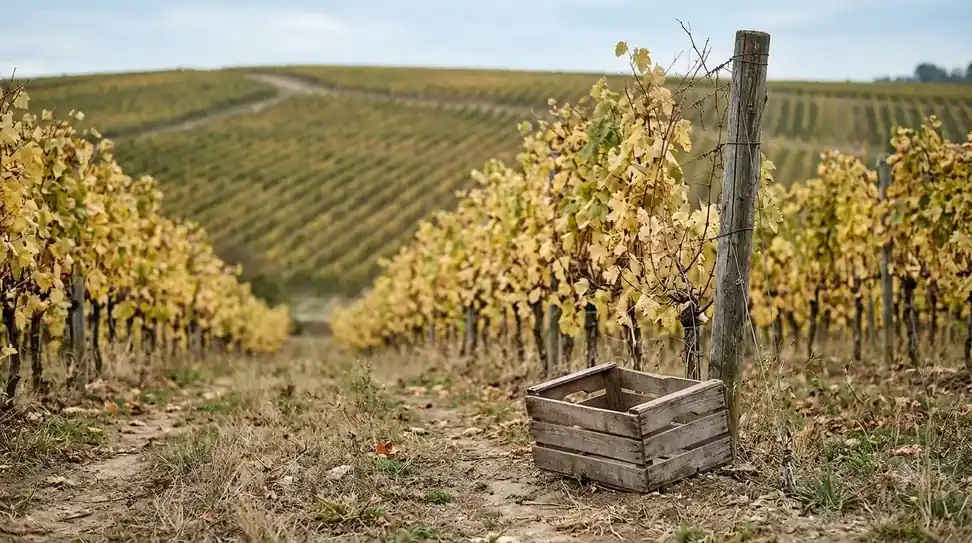
A visit to the Cape May vineyards is usually a relaxed, half-day or full-day trip. Most of the wineries are within a short drive of each other, so it is easy to taste at two or three tasting rooms in one afternoon. The region works well as a weekend trip from the Philadelphia area or as an add-on to a beach holiday.
Plan ahead for weekends and summer months, when tasting rooms can be busy. Ask about the day’s pours at the tasting bar, and buy a bottle at the winery if you find a wine you want to take home, since shipping rules for small producers can be complicated.
If you arrive without a plan, start with the tasting room that sits closest to where you are staying. Ask staff which wines are made from grapes grown on the peninsula, since that is the clearest way to taste what the appellation stands for. A flight of three or four pours is usually enough for an afternoon, and it leaves time for a walk or a meal.
Tip: Pair a winery stop with a walk along the shore or a visit to the historic town of Cape May. Many visitors combine both in a single day.
How Cape May Fits Into New Jersey Wine
New Jersey has more than 50 licensed wineries, and the industry has grown steadily as more farm wineries open. The state’s wines have won national and international awards, and the Cape May peninsula has become a visible part of that story. Its AVA status gives the region a recognized identity, which helps small producers explain what makes their wines different from those made elsewhere in the state.
For a broader view of wine regions across the country, the Wine Regions guide explains how climate and geography shape flavor, and the Cape May wine page covers the styles and bottles you are most likely to find in the area.
Planning Your Route
Because the wineries are spread across a small area, it helps to group them by town. Start in Cape May and work toward Rio Grande, or begin near West Cape May and finish near the Cape May Court House area, depending on where you are staying. Allow about an hour per tasting stop, including time to talk with the staff, and keep the last stop close to your lodging so you do not have to drive far after a glass or two.
Visitors who want to learn more about the region can also browse regional tourism information before they go. It helps to know which wineries are open on the days you plan to visit, since tasting hours on the peninsula can differ from weekday to weekend.
Frequently Asked Questions
Where are the Cape May vineyards located?
The vineyards are on the Cape May Peninsula at the southern tip of New Jersey, mostly in Cape May County with some land in neighboring Cumberland County. The main wineries are in towns such as Cape May Court House, Rio Grande, and West Cape May.
When was the Cape May Peninsula AVA created?
The Cape May Peninsula was recognized as an American Viticultural Area in 2018. It is New Jersey’s fourth AVA and sits inside the larger Outer Coastal Plain AVA.
What grapes are grown in Cape May?
Cape May vineyards grow a mix of grapes, and the southern parts of New Jersey are known for Italian varieties such as Sangiovese and Barbera. Individual wineries choose their own varieties, so the selection varies by producer.
Is Cape May good for a wine day trip?
Yes. The wineries are close to each other and to the beaches and historic town, so a day trip can include several tastings and a walk along the shore. Check opening hours in advance, especially outside the summer season.
The Cape May vineyards offer a compact, relaxed introduction to New Jersey wine. Start with a tasting at one of the established wineries, then look at the state’s wider wine scene through the New Jersey Wine visitor information. The region rewards a slow pace, and its small-batch wines are best enjoyed with the coastal setting in mind.
More in Wine Regions
 Willcox Wine Trail: Discover Arizona’s High-Elevation Wine CountryUpdated Nov 20, 2026
 Yakima Valley Wine Region: Find the Best Styles to TryUpdated Nov 20, 2026
 Vosne Romanee Wine Tasting: Identify Aromas and Choose Better PairingsUpdated Nov 20, 2026
 Yakima Valley Wine Festival: Find the Best Seasonal Wine EventsUpdated Nov 20, 2026
 Wales Vineyards: Discover Cool-Climate Wines and Where to VisitUpdated Nov 20, 2026
 Yountville Wine Festival: Discover Napa Wines and Local FoodUpdated Nov 20, 2026