

We may earn a commission when you buy through links on this page, at no extra cost to you. Learn more.
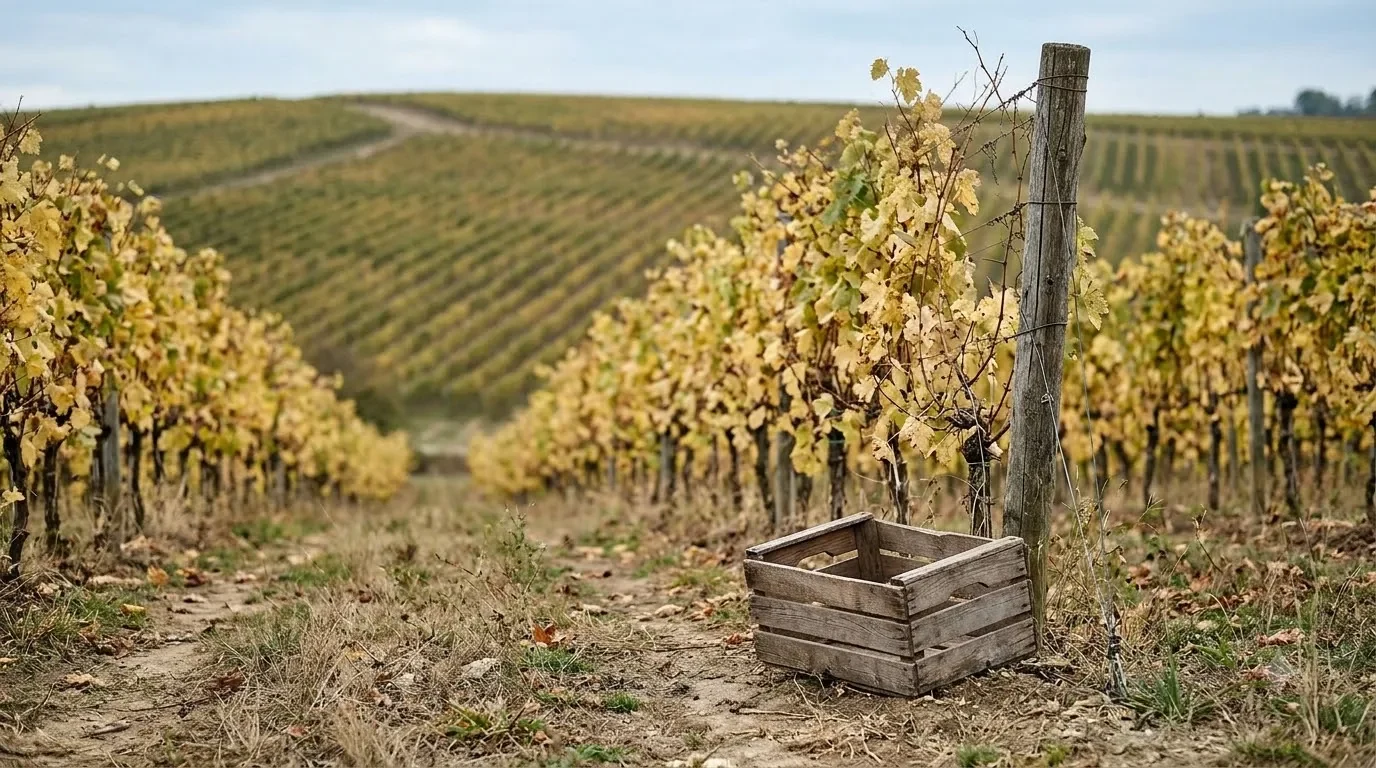
New Jersey vineyards are spread across the state’s farmland, from the Delaware Valley to the southern coastal plain, and they grow a mix of European vinifera, American, and French hybrid grapes. The industry dates back to the 1760s, when early plantings were made, and it was reshaped by a 1981 farm winery law. Today the state has dozens of licensed wineries, and many of them focus on hybrid reds and whites, along with fruit wines.
This guide covers the history of New Jersey vineyards, the regions where they grow, the grapes you are most likely to find, and what to look for when you shop for a New Jersey bottle.
A short history of New Jersey vineyards
Commercial wine in New Jersey has deep roots. Edward Antill and William Alexander, Lord Stirling, were recognized in 1767 by London’s Royal Society of Arts for planting vineyards, according to the New Jersey wine entry on Wikipedia. Neither of those early vineyards lasted, but the state’s wine story continued with German and Italian immigrants who made wine in the following decades.
Renault Winery, founded in 1864 in Egg Harbor City, is recorded as the state’s first commercial winemaking operation, and it is still in operation. Prohibition devastated the industry, and only a few wineries survived. The modern revival began with the New Jersey Farm Winery Act of 1981, which allowed small growers to apply for a winery license with a minimum of three acres and 1,200 vines. The number of wineries grew from 7 to 15 by 1988.
The regions of New Jersey wine
New Jersey has several federally recognized viticultural areas, and each has a different character. The Central Delaware Valley AVA, recognized in 1984, has no wineries in it. The Warren Hills AVA, recognized in 1988, has five wineries, mostly growing French hybrids on about 100 acres. The Outer Coastal Plain AVA, recognized in 2007, covers most of southern New Jersey and holds 25 of the state’s wineries.
The Cape May Peninsula AVA, recognized in 2018, sits entirely within the Outer Coastal Plain and has seven wineries. Its coastal location gives the area a different feel from the inland vineyards farther north, and comparing the two is a useful way to see how a region’s setting shapes its wine.
| Area | Recognized | Wineries noted |
|---|---|---|
| Central Delaware Valley | 1984 | None |
| Warren Hills | 1988 | Five, mostly French hybrids |
| Outer Coastal Plain | 2007 | 25, covering most of southern New Jersey |
| Cape May Peninsula | 2018 | Seven, within the Outer Coastal Plain |
The grapes you will find
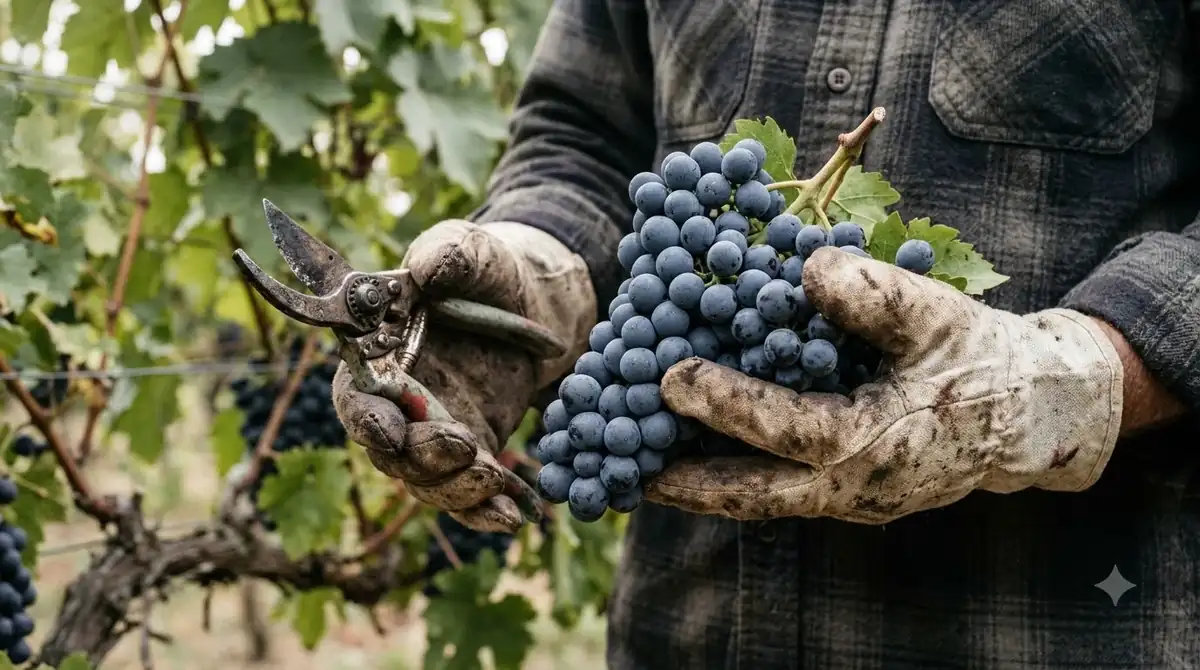
New Jersey wineries use three kinds of grapes: Vitis vinifera, Vitis labrusca, and French hybrids. The state reports more than 90 grape varieties in use. Popular reds include Cabernet Sauvignon, Cabernet Franc, and Chambourcin. Popular whites include Chardonnay and Vidal blanc, which is a hybrid often used for crisp, fruity wines.
Cabernet Franc is one of the more interesting reds for New Jersey buyers. Wine Folly’s Cabernet Franc guide describes flavors of strawberry, raspberry, and bell pepper, with a herbaceous nose and medium-high tannins. Its high acidity makes it a good match for tomato dishes and roasted meats, which suits many home menus in the state.
Fruit wines are also a large part of the market. Apple, blueberry, raspberry, and cranberry wines are popular with visitors, and wineries often offer them alongside their grape wines. They are a good way to try local flavors, especially at a tasting room.
Production and the state’s place in American wine
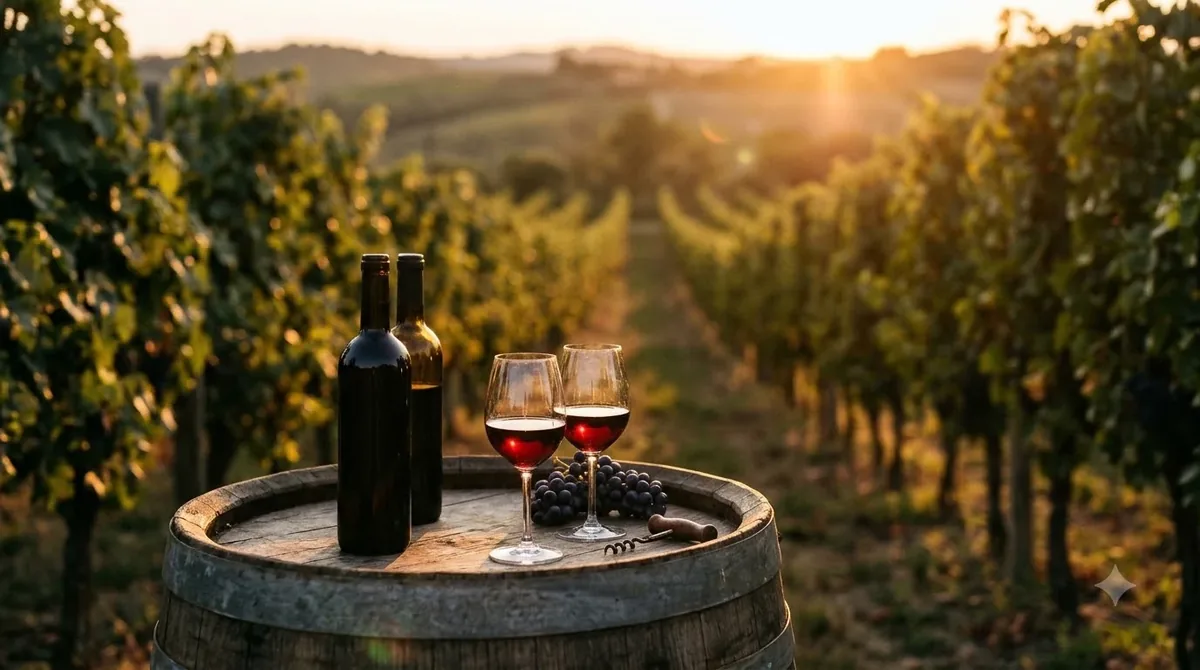
The industry has grown steadily over the last two decades. According to the Wikipedia entry, about 1,082 acres were under cultivation in 2012, up from 551 acres in 2002 and 1,043 acres in 2007. In 2010, New Jersey wineries produced 1.72 million US gallons, which ranked the state seventh nationally at that time.
The entry lists 51 licensed wineries, though the figures given in the article vary by year, so it is best to check a current source before planning a tour. Those numbers show how quickly the list of producers can change over time.
When you want to know where the grapes were grown, look for the New Jersey name and the specific AVA on the label or the winery’s website.
How to serve and pair New Jersey wine
Serve New Jersey reds such as Cabernet Franc slightly cooler than room temperature. Wine Folly suggests a range of 60 to 68°F (15 to 20°C), and fuller styles benefit from about 30 minutes of decanting. Light Loire-style Cabernet Franc goes well with goat cheese and chicken, while fuller styles suit roasted meats and rich lentil stews.
Chardonnay and Vidal blanc are good with seafood, salads, and light pasta dishes. Because many New Jersey whites are crisp and fruity, they also suit summer meals and casual gatherings. Fruit wines pair well with desserts or cheese plates, and they can be served chilled on warm afternoons.
Tip: If you are not sure what you like, a tasting flight at a New Jersey winery lets you compare a hybrid red, a dry white, and a fruit wine in one visit. It is an inexpensive way to learn the local styles.
How to choose a New Jersey bottle
Start with the grape. A hybrid red such as Chambourcin is often fruit forward and easy to drink, while a Cabernet Franc will show more herbal notes and structure. For white wine, Chardonnay gives a familiar profile, and Vidal blanc offers brighter fruit and a crisp finish.
Read the label for the AVA or the county. The Warren Hills, Outer Coastal Plain, and Cape May Peninsula names tell you where the grapes were grown, and the coastal sites can produce a different style from the inland vineyards. Winery websites often describe their soils and sites, which is useful if you want to compare producers.
If you prefer comparing with other states, our Arizona wine guide shows how a dry desert climate produces wines that look very different from the humid East Coast. You can also explore the Arizona vineyards page to see how a warm, high-desert region shapes its grapes.
Frequently Asked Questions
When did New Jersey start making wine?
Vineyards were planted in the state as early as 1767, when Edward Antill and William Alexander were recognized for their plantings. Renault Winery, founded in 1864, is recorded as the first commercial winemaking operation.
What grapes grow in New Jersey vineyards?
New Jersey wineries use Vitis vinifera, Vitis labrusca, and French hybrids, with more than 90 varieties reported in use. Cabernet Sauvignon, Cabernet Franc, Chambourcin, Chardonnay, and Vidal blanc are among the most common.
How many wineries are in New Jersey?
The Wikipedia entry lists 51 licensed wineries, though its figures vary by year. Count can change as new wineries open, so check a current state or industry listing before you plan a trip.
Is New Jersey wine worth trying?
Yes, especially if you want to explore hybrid grapes and fruit wines that are rarely found in other regions. Tasting at local wineries is a good way to find the styles you enjoy.
New Jersey vineyards offer a way to taste wine close to home. Start with a hybrid red or a crisp white, then compare the coastal and inland AVAs to see how the region changes from one site to the next. For more comparisons, our Wine Regions guide places New Jersey beside other American and European areas, and our Calistoga vineyards and Chalk Hill vineyards guides show how California sites differ.
More in Wine Regions
 Willcox Wine Trail: Discover Arizona’s High-Elevation Wine CountryUpdated Nov 20, 2026
 Yakima Valley Wine Region: Find the Best Styles to TryUpdated Nov 20, 2026
 Vosne Romanee Wine Tasting: Identify Aromas and Choose Better PairingsUpdated Nov 20, 2026
 Yakima Valley Wine Festival: Find the Best Seasonal Wine EventsUpdated Nov 20, 2026
 Wales Vineyards: Discover Cool-Climate Wines and Where to VisitUpdated Nov 20, 2026
 Yountville Wine Festival: Discover Napa Wines and Local FoodUpdated Nov 20, 2026