

We may earn a commission when you buy through links on this page, at no extra cost to you. Learn more.
Cape May wine is made from grapes grown on New Jersey’s Cape May Peninsula, and the wines range from crisp whites and dry reds to sweet dessert styles and fruit wines. The region gained recognition as an American Viticultural Area in 2018, which means labels using the Cape May name must follow defined sourcing rules. Because the peninsula is small, most producers make limited quantities, and the selection at each winery can change from year to year. The wines are best understood as a regional style shaped by a mild coastal climate and a wide range of grape varieties.
This guide explains what Cape May wine tastes like, which grapes and styles you are most likely to find, how the region’s climate shapes the wines, and how to choose a bottle when you are shopping or visiting. It also covers serving and food pairing for the wines you are most likely to see.
What Cape May Wine Is
Cape May wine comes from the southern tip of New Jersey, on a peninsula that sits between Delaware Bay and the Atlantic Ocean. The American Viticultural Area designation, approved in 2018, is a federal recognition of the region’s identity. It is New Jersey’s fourth AVA and lies within the larger Outer Coastal Plain AVA.
Wine has been made on the peninsula for some time, and the current group of wineries includes family-run farms and larger estates. The result is a varied selection. Some producers focus on classic European grapes, while others make fruit wines, dessert wines, and seasonal blends. That variety is one of the features that visitors tend to notice first.
Grapes Grown on the Peninsula
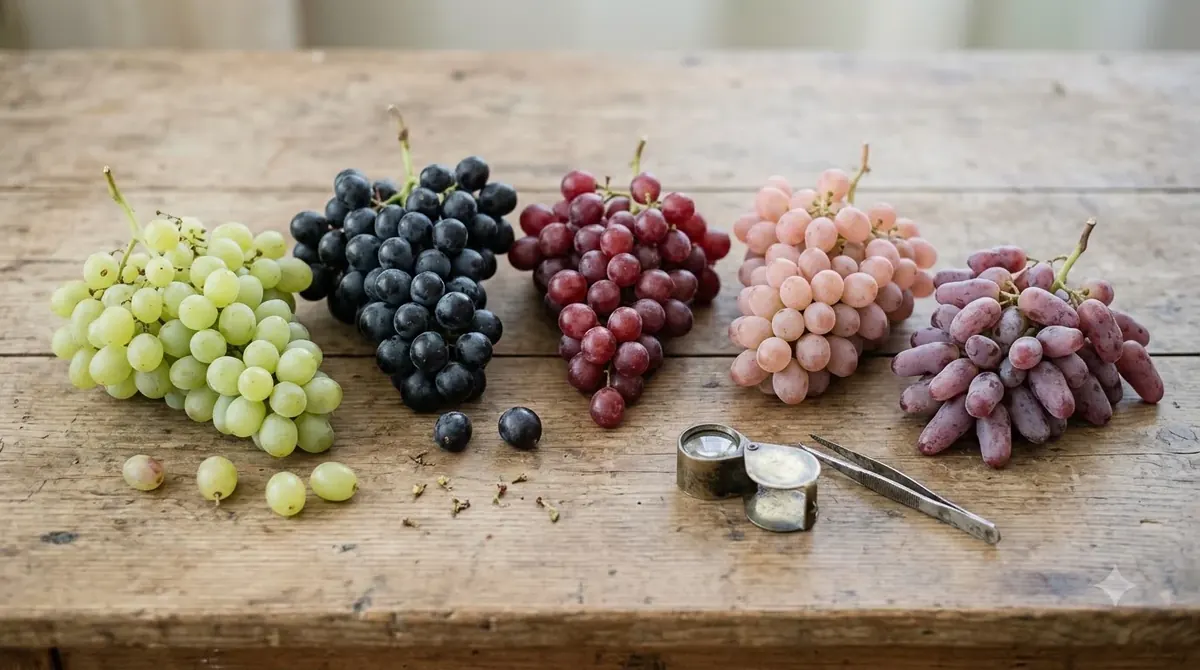
New Jersey vineyards grow more than 40 grape varieties, and the state’s growers work with vinifera vines, French-American hybrids, and native American grapes. According to the New Jersey Department of Agriculture, northern vineyards in the state are known for Pinot Noir and Riesling, while southern vineyards such as those on the Cape May Peninsula lean toward Italian varieties such as Sangiovese and Barbera.
At Cape May Winery and Vineyard, the main focus is vinifera grapes. The winery’s own description lists Cabernet Sauvignon, Cabernet Franc, Merlot, Pinot Grigio, Riesling, and Chardonnay among its varieties, along with dry and sweet blends. It also reports more than 16 varieties grown across four vineyards covering more than 150 acres, which shows how much variety a single estate can support.
| Wine style | What to expect | Typical grapes or blends |
|---|---|---|
| Dry white | Crisp, fresh, good acidity | Chardonnay, Riesling, Pinot Grigio |
| Oak-aged white | Richer texture and toasty notes | Barrel-fermented Chardonnay |
| Dry red | Medium body, red fruit and soft tannin | Merlot, Cabernet Franc, Cabernet Sauvignon |
| Dry or sweet blend | Easy to drink, often fruit-forward | House blends |
| Fruit wine | Distinct local character, often sweet | Seasonal fruit, including beach plum |
The table is a general guide. Individual wineries vary widely, so the names on the label and the tasting notes are the best guide to what you will taste in the glass.
How the Climate Shapes the Wine
The peninsula’s climate is one of its defining features. According to regional wine sources, the Cape May Peninsula is milder than much of the wider Outer Coastal Plain, with less severe winters and summers that do not get as hot as inland areas. The Atlantic Ocean and Delaware Bay help moderate temperatures, which can support a longer growing season and slower ripening.
For winemakers, that means whites often keep their freshness and acidity, while reds tend to be medium-bodied rather than heavy. The mild climate also brings humidity, and growers have to manage disease carefully. The winery descriptions credit sandy soil and a mild climate as helpful for grape growing, though the exact conditions vary from one vineyard to another.
Wine Styles You Are Likely to Find
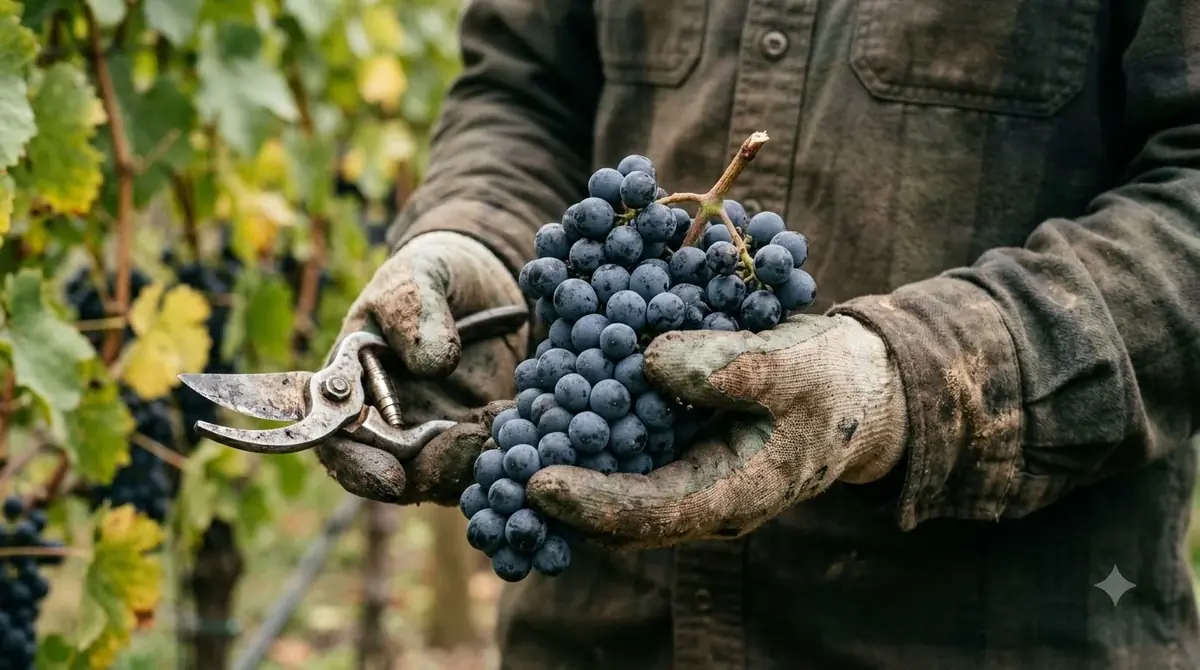
Most Cape May wineries make a broad range rather than a single signature wine. You can expect dry whites that work as easy aperitifs, dry reds with enough structure for a casual dinner, and sweeter wines that suit dessert or a relaxed afternoon.
Oak-aged whites are a good example of how winemaking choices shape the result. One Cape May winery describes a barrel-fermented Chardonnay aged in French oak for more than 16 months, which gives the wine a rounder texture and a more layered finish than an unoaked style. If you prefer a lighter, brighter white, look for unoaked bottles or those labeled as crisp and fresh.
Tip: Fruit wines are a regional specialty. Try a small pour before buying a full bottle, since their sweetness and flavor are more distinctive than those of a typical grape wine.
How to Choose a Cape May Wine
Start by deciding what kind of wine you want. For a warm-weather drink, choose a crisp white or a light sweet blend. For a meal, a medium-bodied dry red is a flexible choice. If you are buying a gift, a wine with a clear style and a short tasting note on the label makes the choice easier for the recipient.
Read the label for the Cape May name and the winery’s address. Wines made from grapes grown on the peninsula can carry the Cape May designation, which is one way to confirm where the grapes came from. Also check the stated sweetness level, since dry and sweet styles are often made side by side at the same winery.
Serving and Food Pairing
Serve whites well chilled, around 45 to 50 degrees Fahrenheit, and reds slightly cooler than room temperature, which helps keep their fruit lively. Dry whites pair well with seafood, fresh salads, and light appetizers, a natural match for a coastal region. Medium-bodied reds suit roasted chicken, grilled vegetables, and pasta dishes with tomato sauce.
Sweeter wines and fruit wines work well with desserts, soft cheeses, or fruit tarts. Because the sweetness can be strong, serve these wines in small pours and keep the dessert simple so that neither overwhelms the other.
Storage is simple for most Cape May bottles. Keep unopened whites cold and reds in a cool, dark place, and drink them within a year or two of release unless the label says otherwise. Once opened, a white will keep for a few days in the refrigerator, while a red can last a day or two with the cork or stopper replaced. Fruit wines are usually best enjoyed young, so finish them within the season if you can.
Frequently Asked Questions
What kind of wine is Cape May known for?
Cape May is known for a broad range of styles rather than one signature wine. Producers make dry whites, dry reds, sweet wines, blends, and fruit wines, which reflects the variety of grapes grown on the peninsula.
Is Cape May wine sweet?
It depends on the bottle. Many wineries make both dry and sweet wines, and fruit wines are often sweeter. Check the label or ask the tasting staff to find a style that suits your taste.
Can I buy Cape May wine outside the region?
Some wines are sold in New Jersey shops and restaurants, but availability varies because production is small. The most reliable option is to buy directly from the winery or check whether a particular producer ships to your state.
What is the best way to try several Cape May wines?
Visit a tasting room and ask for a flight of several pours. This lets you compare a dry white, a red, and a sweet or fruit wine side by side, and it shows how the same grape region can produce very different styles.
Cape May wine rewards curiosity, since the same peninsula produces everything from crisp whites to fruit wines. Begin with a flight at one of the local tasting rooms, then compare the bottles you like with the broader guide to Wine Regions. If you are planning a trip to the peninsula, the guide to Cape May vineyards covers where to go, and the Cape May Winery and Vineyard listing describes the styles and tasting options one producer offers.
More in Wine Regions
 Willcox Wine Trail: Discover Arizona’s High-Elevation Wine CountryUpdated Nov 20, 2026
 Yakima Valley Wine Region: Find the Best Styles to TryUpdated Nov 20, 2026
 Vosne Romanee Wine Tasting: Identify Aromas and Choose Better PairingsUpdated Nov 20, 2026
 Yakima Valley Wine Festival: Find the Best Seasonal Wine EventsUpdated Nov 20, 2026
 Wales Vineyards: Discover Cool-Climate Wines and Where to VisitUpdated Nov 20, 2026
 Yountville Wine Festival: Discover Napa Wines and Local FoodUpdated Nov 20, 2026