

We may earn a commission when you buy through links on this page, at no extra cost to you. Learn more.
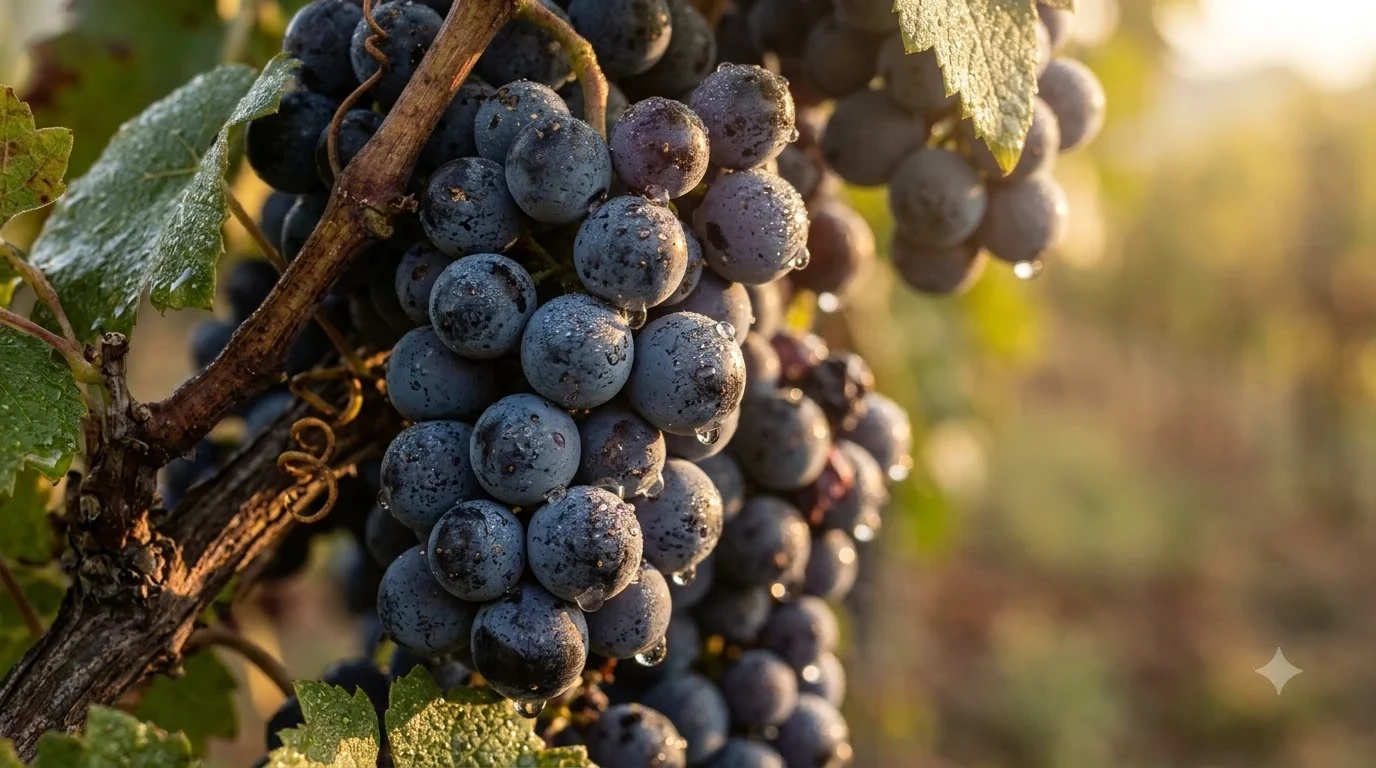
Sonoma wine comes from Sonoma County, a cool, coastal wine region about 40 miles north of San Francisco, with 19 American Viticultural Areas and more than 425 wineries. The county is best known for Pinot Noir and Chardonnay from its cooler western valleys, Zinfandel from Dry Creek Valley, and Cabernet Sauvignon from the warmer Alexander Valley. Because the region spans so many microclimates, a Sonoma bottle can taste very different depending on where its grapes were grown.
Sonoma often gets compared with its neighbor, Napa Valley, and the comparison is useful up to a point. Napa is warmer and known mostly for big Cabernet Sauvignon. Sonoma has a wider mix of terrain, from fog-cooled coastal hills to inland valleys that heat up in summer. This guide explains how the region is laid out, which grapes do best where, and how to choose and serve a Sonoma wine without overthinking it.
How Sonoma County Is Laid Out
Sonoma County is large, and its wine is spread across many smaller appellations. According to the Sonoma County wine areas guide, it has 19 AVAs and roughly 60,000 to 63,000 acres of vineyards. The county’s climate is cooler and more coastally influenced than Napa’s, with the Pacific Ocean, the Russian River, and San Pablo Bay all moderating temperatures.
The region is easiest to understand as three broad zones. The western valleys, including the Russian River Valley and the Sonoma Coast, get morning fog and cool afternoons, which suits slow-ripening grapes. The central valleys, such as Dry Creek and Sonoma Valley, have warmer days and a wider range of soils. The northern and eastern areas, including Alexander Valley and Knights Valley, are the warmest and tend to produce fuller reds.
The Main Sonoma AVAs and Their Grapes
Each AVA has a reputation, though many producers blend grapes from several areas. Here is a quick view of the appellations that come up most often when people talk about Sonoma wine.
| Area | Best-known grapes | What it is known for |
|---|---|---|
| Alexander Valley | Cabernet Sauvignon, Sauvignon Blanc | Warm climate; the largest AVA by vineyard area, at about 15,000 acres |
| Dry Creek Valley | Zinfandel, Sauvignon Blanc | A compact valley with a long history of grape growing |
| Russian River Valley | Pinot Noir, Chardonnay | Cool fog-influenced vineyards near the county’s center |
| Sonoma Coast | Pinot Noir, Chardonnay | Cool coastal climate; the smallest AVA by vineyard area, at about 2,000 acres |
| Sonoma Valley | A wide range of varieties | Strong contrasts in terrain and soil |
| Sonoma Mountain | Cabernet Sauvignon | Hillside vineyards where elevation and exposure shape the fruit |
Key Grapes and What They Taste Like
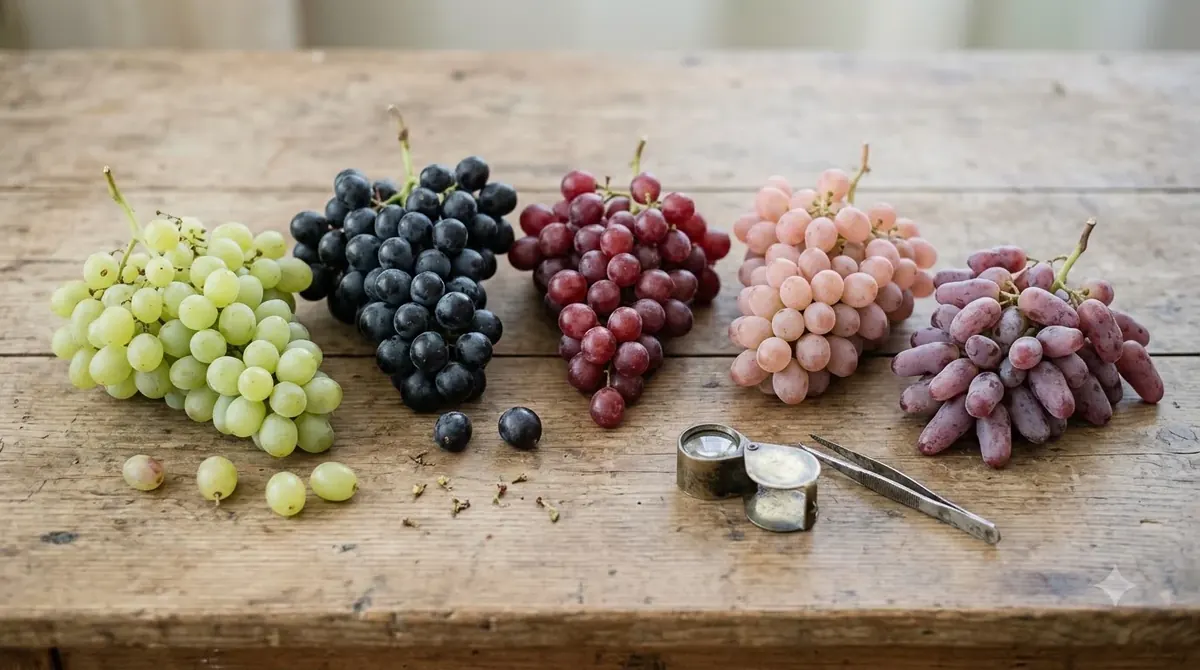
Sonoma’s reputation rests on a few varieties that show the region’s range. Pinot Noir from the cooler western valleys tends to be bright and red-fruited, with lively acidity. Chardonnay from the same areas can be crisp and citrus-driven, or richer when it sees oak. Zinfandel from Dry Creek Valley is often ripe and spicy, and Cabernet Sauvignon from Alexander Valley is usually fuller, with dark fruit and firmer tannin.
Sauvignon Blanc and sparkling wines also have a place here, especially in the cooler and warmer areas alike. If you are new to the region, starting with one Pinot Noir and one Zinfandel is a good way to see how much the climate changes the glass.
How to Serve Sonoma Wine
Serving temperature matters more than most people expect. Lighter Pinot Noir and Sonoma Chardonnay usually show best when they are served cool rather than warm, and many people pour them a little below room temperature. Zinfandel and Cabernet Sauvignon are fuller and do well slightly warmer. Open a bottle of bigger reds some time before pouring so the aromas can open up, and a lighter Pinot Noir can go straight from the cellar.
Glassware is simple. A medium-sized glass with a wide bowl gives Pinot Noir room to open, while a larger glass suits the fuller Cabernet and Zinfandel styles. You do not need a decanter for most Sonoma reds, although a young, tannic Cabernet can benefit from an hour in the glass.
Pairing Sonoma Wine With Food
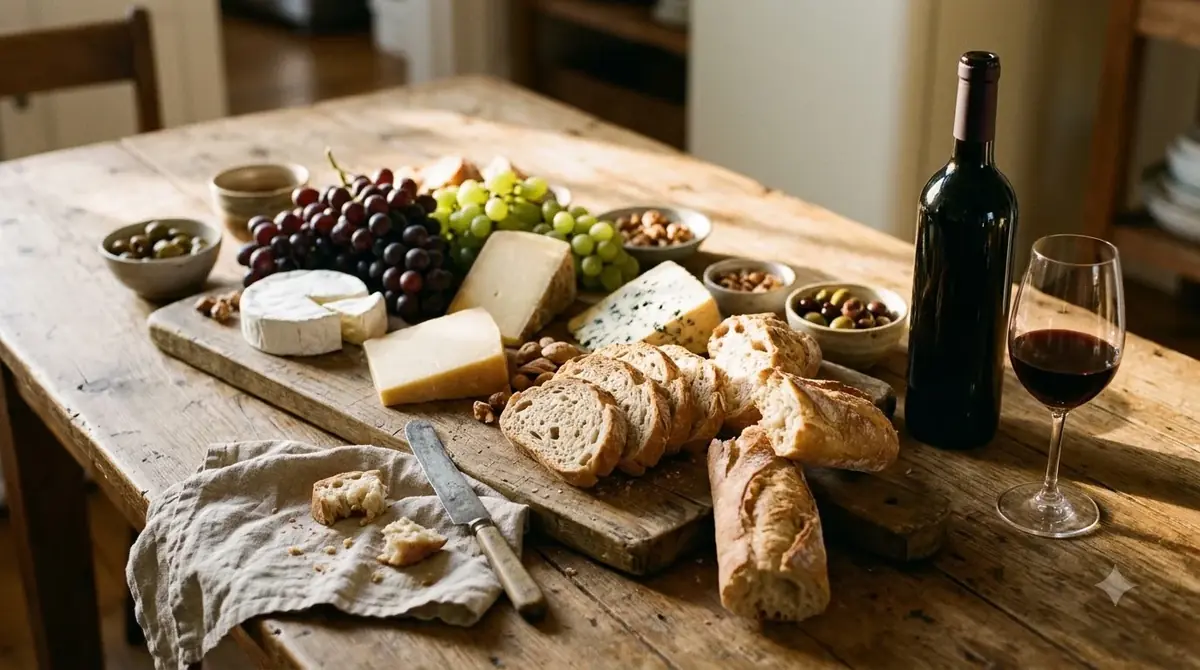
Sonoma’s food-friendly style comes from its acidity and balance. Pinot Noir works with roasted salmon, mushroom dishes, and roast chicken. Sonoma Chardonnay pairs well with creamy pasta, grilled fish, and soft cheeses. Zinfandel is a natural match for barbecue, grilled sausages, and spicy tomato sauces, while Cabernet Sauvignon from Alexander Valley is a classic partner for grilled steak and aged hard cheese.
Sonoma reds are also flexible at the table. If your meal is more herbal or vegetable-forward, pick the cooler-climate Pinot Noir. If it is smoky or sauce-heavy, a riper Zinfandel will hold up better.
Planning a Visit to Sonoma Wineries
Many visitors come to Sonoma for the tasting rooms, and the distances can be longer than they look on a map. The Sonoma Coast is roughly 40 to 50 minutes from downtown Santa Rosa and Healdsburg, so it helps to group tastings by area. Booking ahead is common at smaller estates, and many wineries offer tours that explain how their AVA shapes the wine. If you want more context before you go, the sonoma wine tasting guide covers how to plan a day, and sonoma coast vineyards explains the cooler western area in more detail.
For a broader view of how Sonoma compares with other American regions, the Wine Regions hub is a good starting point. Regions outside California, such as arizona vineyards, follow a different climate pattern, which can help you see what makes Sonoma distinctive.
How to Choose a Sonoma Bottle
When you stand in a shop facing a shelf of Sonoma labels, the AVA name is the most useful clue. A bottle from the Russian River Valley or Sonoma Coast will usually be lighter, more aromatic, and brighter in acidity than one from Alexander Valley. A Dry Creek Valley Zinfandel will tend to be riper and spicier, while an Alexander Valley Cabernet will show more dark fruit and structure. The grape name on the label matters too, but the appellation tells you where the fruit came from, which shapes the style more than most people expect.
Price is not a reliable guide to style in this region. Many well-made bottles come from small estates that sell most of their wine at the winery, and some larger brands use grapes from several AVAs to keep a consistent taste from year to year. If you want to understand a producer, read the back label for the appellation, then look for a note about vineyard sites. A bottle that names a specific vineyard or valley is usually making a clearer statement about where it comes from.
Vintage can matter, but less so for everyday Sonoma wines than for cellar-worthy reds. A young Cabernet from a warm year may be concentrated and firm, while a cooler year can produce a more elegant bottle. For Pinot Noir and Chardonnay from the coastal areas, the fresher and more recent release often shows the grape at its brightest.
Frequently Asked Questions
Is Sonoma wine the same as Napa wine?
No. Sonoma is cooler and more coastally influenced, and it has a wider mix of grapes and microclimates. Napa is known for warm-climate Cabernet Sauvignon, while Sonoma is often associated with Pinot Noir, Chardonnay, and Zinfandel.
What is the best-known Sonoma grape?
Pinot Noir and Chardonnay are the most closely linked to the cooler western AVAs, such as the Russian River Valley and Sonoma Coast. Zinfandel is strongly tied to Dry Creek Valley, and Cabernet Sauvignon is most associated with Alexander Valley.
Should I decant Sonoma red wine?
Most Pinot Noir and Zinfandel do not need decanting. A young, tannic Cabernet Sauvignon can soften with some time in the glass or a short wait after pouring, while an older bottle is better opened gently and poured without a long wait.
How many wineries are in Sonoma County?
The county’s wine guide describes more than 425 wineries across its 19 AVAs. The exact number changes as new estates open and others close, so check a current directory before planning a trip.
Sonoma wine rewards curiosity. Start with one bottle from a cooler valley and one from a warmer one, and compare them side by side. Within a few glasses you will see how much the land, the fog, and the grape choice shape what ends up in the bottle.
More in Wine Regions
 Willcox Wine Trail: Discover Arizona’s High-Elevation Wine CountryUpdated Nov 20, 2026
 Yakima Valley Wine Region: Find the Best Styles to TryUpdated Nov 20, 2026
 Vosne Romanee Wine Tasting: Identify Aromas and Choose Better PairingsUpdated Nov 20, 2026
 Yakima Valley Wine Festival: Find the Best Seasonal Wine EventsUpdated Nov 20, 2026
 Wales Vineyards: Discover Cool-Climate Wines and Where to VisitUpdated Nov 20, 2026
 Yountville Wine Festival: Discover Napa Wines and Local FoodUpdated Nov 20, 2026