

We may earn a commission when you buy through links on this page, at no extra cost to you. Learn more.
The gruner grape, officially called Grüner Veltliner, is Austria’s signature white wine grape, producing refreshing, usually dry wines with lively acidity, citrus and orchard fruit flavors, and distinctive white pepper spice. It ranges from light, crisp everyday bottles to concentrated wines from prestigious vineyards in the Wachau, Kamptal and Kremstal. Its freshness and versatility make it particularly appealing with vegetables, seafood, poultry and dishes featuring herbs or gentle spices.
Grüner Veltliner offers something different from familiar white wine varieties such as Chardonnay, Sauvignon Blanc and Pinot Grigio. Its combination of bright acidity, savory character and peppery aromas gives it an identifiable personality without making it difficult to enjoy. Austria remains its most important home, although plantings can also be found in neighboring Central European countries. Understanding its flavors, growing regions and winemaking styles makes choosing a bottle considerably easier.
What Is the Grüner Grape?
The gruner grape is a green-skinned white wine variety best known by its full Austrian name, Grüner Veltliner. It is Austria’s leading grape variety and produces wines that are generally dry, fresh and aromatic. Its name is sometimes shortened to Grüner or GV, particularly in wine shops and restaurant conversations.
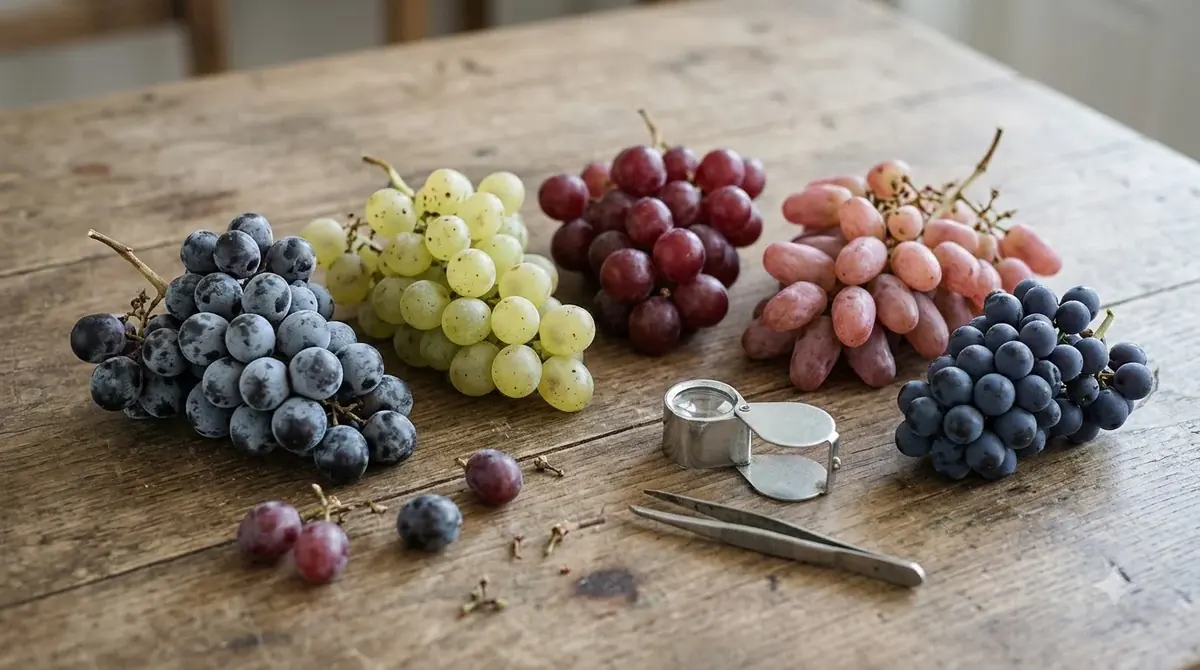
The grape has an interesting history. According to the Austrian government, its exact historical origin was once uncertain, although it was documented in the 18th century in Lower Austria, north of the Danube River. Historical records associate its early distribution with areas near the March and Thaya rivers and the Manhartsberg ridge. The variety was sometimes incorrectly called Grüner Muskateller, but it is not botanically related to the Muscat family.
Genetic research eventually identified the variety’s parentage. Grüner Veltliner developed from a natural crossing of Traminer and an old grape discovered in St. Georgen in Burgenland. The discovery helped clarify its ancestry and explain why its name had caused historical confusion. Despite the word Veltliner, the grape is not genetically a member of the traditional Veltliner family.
Its widespread success accelerated during the 1950s, when Austrian viticulture increasingly adopted Lenz Moser’s high vine-training system. The system encouraged productive vineyard management and helped the variety become firmly established across the country’s wine-growing regions. Later improvements in harvesting and pressing practices helped producers create more concentrated, precise wines rather than relying primarily on high-yield production.
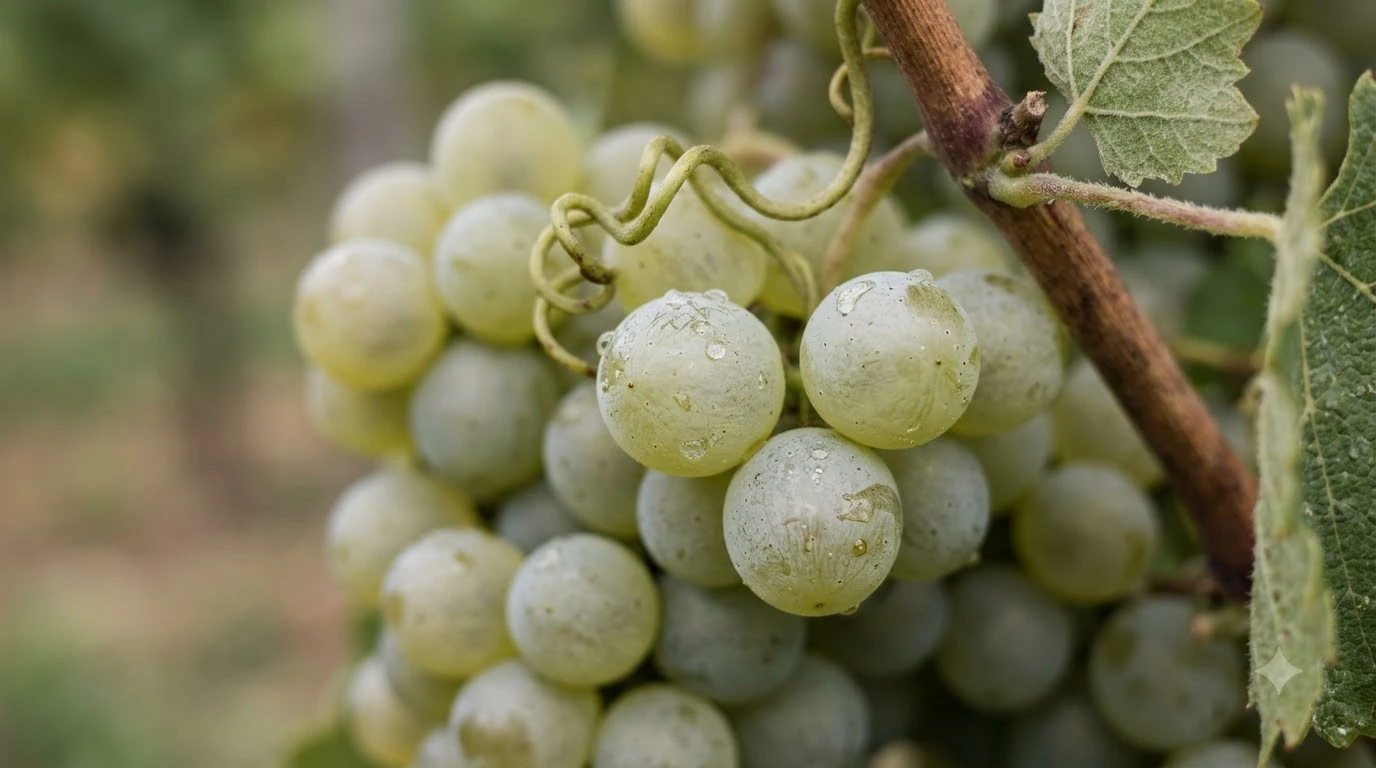
Grüner Veltliner vines are vigorous and relatively late ripening. Their large, conical clusters contain green to yellow-green berries with thick skins. Flowering can be a sensitive stage, while a long, warm autumn helps the grapes reach maturity. Loess and weathered soils are particularly favorable growing conditions.
Although Austria is the grape’s defining home, it also grows in Hungary, the Czech Republic, Slovakia and Croatia. Plantings in these countries demonstrate that the variety can adapt to several Central European environments, although Austrian examples remain the most widely recognized reference point.
Grüner Veltliner Taste, Aroma and Structure
Grüner Veltliner typically tastes crisp, dry and refreshing, with a combination of green apple, citrus, pear and white pepper. Its acidity gives the wine energy, while savory herbal and mineral impressions add complexity. The exact profile changes with climate, vineyard location, ripeness and winemaking decisions.
In lighter examples, expect green apple, lemon, lime, fresh pear and subtle floral notes. White pepper is one of the variety’s best-known characteristics, although it is not equally prominent in every bottle. Some wines also suggest fresh herbs, celery, radish or a lightly savory character. These details make Grüner Veltliner recognizable without requiring the intense tropical fruit aromas sometimes associated with other aromatic white grapes.
The peppery impression has a chemical explanation. Rotundone, an aromatic compound also associated with pepper-like aromas in certain other wine varieties, occurs in the skins of Grüner Veltliner grapes. Its presence helps explain why the variety can have a savory, spicy character alongside its fresh fruit flavors.
More concentrated wines can develop yellow apple, ripe pear, peach and deeper mineral impressions. They may feel broader and more textured, particularly when produced from mature grapes grown on favorable vineyard sites. Premium examples can also develop savory complexity with bottle age, making them interesting alternatives to established age-worthy white wines.
Acidity, body and alcohol
Acidity is central to the variety’s identity. It provides freshness and helps balance ripe fruit flavors, especially in wines from warmer or more exposed vineyards. Grüner Veltliner generally has little tannin because it is made as a white wine without extended skin contact, although some fuller examples can have a subtle phenolic grip that creates a slightly textured finish.
Its body ranges from light to full. Younger, straightforward wines are usually crisp and easygoing, while concentrated single-vineyard examples can feel substantial and layered. Alcohol also varies according to ripeness and style, so it is sensible to distinguish a lighter regional wine from a powerful premium bottling rather than assuming every Grüner Veltliner tastes the same.
The variety’s combination of fruit, acidity and savory spice makes it particularly useful at the dinner table. Unlike some highly aromatic whites, it can accompany delicate ingredients without overwhelming them, while its freshness gives it enough character for richer foods.
Austria’s Main Grüner Veltliner Wine Regions
Austria is the essential starting point for understanding Grüner Veltliner, with Lower Austria containing several of its most important growing areas. Weinviertel, Wachau, Kamptal, Kremstal and Wagram offer different expressions shaped by soil, climate, vineyard exposure and ripeness.
Weinviertel is Austria’s largest wine-growing region and is particularly associated with fresh, peppery Grüner Veltliner. Its regional DAC designation identifies wines made according to the area’s defined origin and style requirements. These wines are typically dry, fruity and peppery, making Weinviertel an excellent starting point for anyone discovering the variety. The regional organization explains the designation and its distinctive characteristics in its official Weinviertel DAC description.
Wachau is particularly famous for vineyards overlooking the Danube. Steep terraces and cooler air from the river contribute to wines that range from delicate and fresh to concentrated and structured. Its classification system provides a useful indication of the style and ripeness of dry white wines.
Kamptal and Kremstal also produce highly regarded examples. Kamptal combines primary rock sites with loess-rich vineyards, resulting in wines that can range from mineral and precise to broader and more generous. Kremstal, near the Wachau, produces both fresh regional wines and more substantial examples. Wagram is especially associated with loess soils and rounded, fruit-forward Grüner Veltliner.
| Region or classification | Recognizable characteristic | Useful detail |
|---|---|---|
| Weinviertel | Fresh, peppery and approachable | Austria’s largest wine-growing region |
| Wachau Steinfeder | Light and fresh | Maximum 11% ABV |
| Wachau Federspiel | Moderate weight and freshness | Maximum 12.5% ABV |
| Wachau Smaragd | Riper and more concentrated | Minimum 12.5% ABV |
| Kamptal | Mineral to rounded | Primary rock and loess soils |
| Kremstal | Fresh to substantial | Adjacent to Wachau |
| Wagram | Rounded and fruit-forward | Noted for loess soils |
The Wachau classifications are particularly useful when comparing bottles from the same region. Steinfeder represents the lightest category, Federspiel indicates a more substantial style, and Smaragd identifies the ripest and generally fullest category. These are regional classifications rather than universal categories used throughout Austria.
Austria’s other wine-growing areas also contribute to the variety’s diversity. Traisental produces distinctive whites from limestone-influenced soils, while vineyards around Vienna include Grüner Veltliner among the grapes used for varietal wines and traditional field blends. The regional wine organization explains the differences between Wachau, Kremstal, Kamptal and Traisental, including the influence of the Danube, local rivers and vineyard soils.
For readers exploring the broader range of wine styles, the Wine by Type overview provides useful context for understanding where this grape fits among white wines.
Different Grüner Veltliner Wine Styles
Grüner Veltliner is not limited to one particular taste or level of richness. Most bottles are dry, but the variety can produce everything from light young wines to concentrated reserve bottlings and special sweet wines. The growing region and the producer’s decisions have a significant influence on the finished wine.
Fresh regional Grüner Veltliner: This is often the easiest style to recognize and enjoy. It emphasizes citrus, green apple, pear and white pepper, with lively acidity and a clean finish. Weinviertel is a particularly useful region to explore for this style. These wines are usually best enjoyed relatively young, while their freshness and fruit character remain prominent.
Mineral, site-specific Grüner Veltliner: Wines from Wachau, Kamptal and Kremstal can show more complexity and texture. Vineyard conditions, particularly differences between weathered rock and loess soils, influence the balance between freshness, fruit and structure. These bottles may have greater concentration and can develop additional complexity in the cellar.
Full-bodied reserve wines: Carefully selected grapes and greater ripeness can create richer wines with deeper orchard fruit, more weight and a longer finish. Some examples are fermented or matured with greater attention to texture, although the grape’s fresh acidity remains an important part of their structure. Smaragd wines from Wachau are notable examples of this more concentrated approach.
Sweet Grüner Veltliner: Although dry wine is the standard expression, the grape can also produce wines made from botrytized grapes and ice wine styles. These are less common than everyday dry examples. Their sweetness is balanced by the variety’s naturally refreshing acidity, which helps prevent the wine from feeling excessively heavy.
Winemaking also affects the final result. Careful pressing is particularly important because the grape’s skins contain phenolic compounds that can contribute bitterness or excessive texture if extracted too aggressively. Gentle handling helps producers retain the variety’s freshness and distinctive aromas.
Oak is not a defining requirement for Grüner Veltliner. Many examples are made in stainless steel or other neutral vessels to preserve fresh fruit and peppery aromas. Some premium wines use larger or older oak vessels to develop texture without allowing strong wood flavors to dominate the grape’s character.
The best way to compare styles is to taste wines from different regions side by side. A young Weinviertel bottle and a concentrated Wachau Smaragd can come from the same variety yet offer remarkably different experiences.
Food Pairings for the Grüner Grape
Grüner Veltliner is one of the most flexible white wines for food pairing because its acidity, moderate weight and savory character work with a wide range of ingredients. It is particularly effective with vegetables, seafood, poultry and dishes containing fresh herbs or gentle spices.
Traditional Austrian food offers several natural combinations. Wiener schnitzel, made from breaded and fried meat, works well with a crisp Grüner Veltliner because the wine’s acidity refreshes the palate between bites. Its savory pepper character also complements roasted pork, sausages and lighter preparations of veal. Potato salad and fresh green salads are other suitable companions.
Seafood is another strong match. Grilled white fish, shrimp, scallops and simply prepared shellfish generally pair well with a fresh, dry example. The wine’s acidity balances the natural richness of cooked seafood, while its restrained fruit allows delicate flavors to remain noticeable. Oily fish can be more challenging with wines that have noticeable tannin or heavy extraction, so a clean, low-tannin white style is a sensible choice.
Vegetable dishes offer particularly interesting possibilities. Grüner Veltliner can accompany asparagus, peas, zucchini, green beans and artichokes. These ingredients sometimes create difficulties for wine pairing because of their vegetal, bitter or earthy characteristics. A dry, aromatic wine with lively acidity can provide a useful counterpoint without relying on excessive sweetness or oak.
Asian cuisine is another area where the grape performs well. Thai salads, Vietnamese spring rolls, lightly spiced noodles and Japanese vegetable dishes can work with its citrus and herbal notes. For spicy food, choose a lighter, lower-alcohol example and avoid excessively hot sauces. Alcohol and tannin can intensify chili heat, making a more powerful wine less comfortable alongside heavily spiced dishes.
Cheese pairings are also worth exploring. Fresh goat cheese, young Alpine cheeses and mild semi-hard cheeses can complement the variety’s acidity and savory character. Very strong blue cheeses or exceptionally salty aged cheeses may overwhelm a delicate bottle, so fuller examples are better suited to more assertive flavors.
Tip: For an easy dinner pairing, serve a crisp Grüner Veltliner with roasted chicken, lemon, fresh parsley and potatoes. The citrus freshness complements the seasoning, while the wine’s acidity balances the richness of the roasted skin and potatoes.
Sweet Grüner Veltliner requires a different approach. Pair it with desserts that are no sweeter than the wine itself. Fruit-based pastries and moderately sweet desserts are possible matches, while very sugary desserts can make a less-sweet wine taste sour or thin.
How to Serve and Store Grüner Veltliner
Serve most Grüner Veltliner slightly chilled, generally around 45–50 degrees Fahrenheit for lighter and fresher examples. Fuller wines can benefit from a little additional warmth, around 50–55 degrees Fahrenheit, which allows their more complex aromas and textures to become easier to appreciate.
Serving temperature has a noticeable effect on the experience. A wine served too cold may seem muted, with its fruit and savory aromas difficult to identify. A bottle served too warm can feel less refreshing, especially if it has substantial alcohol. A short period in the refrigerator followed by a few minutes at room temperature is usually enough to bring the wine into a comfortable range.
Choose a medium-sized white wine glass with a bowl that allows aromas to collect. A narrow glass can emphasize freshness but may limit the expression of richer, more complex wines. A larger white wine glass is particularly useful for premium examples from Wachau, Kamptal and Kremstal.
Decanting is generally unnecessary for young regional Grüner Veltliner. These wines are designed to be approachable and fresh, and opening the bottle shortly before serving is normally sufficient. Older or particularly concentrated examples may benefit from a little time in the glass, allowing their aromas to develop naturally.
For storage, keep unopened bottles in a cool, dark environment with relatively stable temperatures. A temperature near 55 degrees Fahrenheit is a useful target for longer-term storage. Bottles sealed with cork should generally be stored on their sides to keep the cork from drying out. Avoid prolonged exposure to direct sunlight, kitchen heat and repeated temperature fluctuations.
Once opened, reseal the bottle and refrigerate it. Most still Grüner Veltliner wines remain enjoyable for approximately 3–5 days, although their freshness and aromatic intensity gradually decline. A good stopper helps limit oxygen exposure, and allowing the wine to warm slightly in the glass before serving can restore some of its aromatic expression.
Not every Grüner Veltliner is intended for long-term aging. Fresh regional bottles are usually best enjoyed while their citrus and orchard fruit character is prominent. More concentrated wines from favorable vineyards, particularly carefully made Wachau, Kamptal and Kremstal examples, can develop additional complexity over several years. Producer, vintage, acidity and storage conditions all influence how successfully a bottle ages.
How to Choose a Good Grüner Veltliner
Choosing the right bottle begins with understanding the style you want. For a crisp, uncomplicated white wine, start with a regional Weinviertel Grüner Veltliner. For a more structured wine to accompany a special meal, explore bottles from Wachau, Kamptal or Kremstal.
Regional names are particularly helpful because they give you more information than the grape variety alone. Weinviertel DAC is a strong starting point for fresh, peppery expressions. Wachau offers a broader range of styles, with Steinfeder, Federspiel and Smaragd indicating different levels of ripeness and body. Kamptal and Kremstal provide additional choices for drinkers interested in minerality, vineyard character and more developed textures.
Consider the occasion before choosing a style. A light regional wine is practical for casual lunches, seafood, salads and outdoor meals. A more concentrated bottle is better suited to roasted poultry, pork, richer vegetable dishes and meals with several components. If the wine is intended to accompany spicy food, a fresher and less alcoholic example is often the safer option.
It is also useful to compare the wine’s alcohol level with the style you prefer. The Wachau classification gives a particularly clear reference: Steinfeder has a maximum of 11% ABV, Federspiel has a maximum of 12.5% ABV, and Smaragd requires at least 12.5% ABV. These figures provide a regional indication of ripeness and weight, although alcohol alone does not determine quality.
Do not assume that the most concentrated bottle is necessarily the best choice. Grüner Veltliner’s appeal often comes from its balance between fruit, acidity and savory spice. A lighter wine can be more satisfying with delicate seafood or fresh vegetables than a powerful reserve bottling. Matching the wine’s weight to the food is more useful than simply selecting the fullest option.
Exploring other grapes can also help clarify your preferences. If you enjoy crisp, refreshing whites, the Airen grape offers another perspective on lighter white wine styles. For a contrasting red, the Dornfelder grape provides a useful introduction to fruit-forward German red wines. Readers interested in aromatic, sweeter alternatives can also explore the Brachetto grape.
Frequently Asked Questions
How do you pronounce Grüner Veltliner?
Grüner Veltliner is commonly pronounced approximately GREW-ner FELT-lee-ner in English. The German pronunciation differs slightly, particularly in the final syllables. In Austrian restaurants and wine shops, you may also hear the shorter name Grüner or the abbreviation GV.
Is Grüner Veltliner related to Riesling?
No. Grüner Veltliner and Riesling are separate grape varieties, although both are important in Austrian white wine production. Their wines can share high acidity, mineral impressions and the ability to develop complexity with age. Grüner Veltliner is particularly recognizable for its characteristic peppery and savory notes.
What is the difference between Grüner Veltliner and Pinot Grigio?
Pinot Grigio commonly emphasizes light citrus, pear and straightforward freshness, particularly in lighter Italian styles. Grüner Veltliner often adds a more noticeable savory character, including white pepper, herbs and sometimes a textured finish. Both can be refreshing dry whites, but Grüner Veltliner generally offers a more distinctive combination of spice and acidity.
Does Grüner Veltliner have sulfites?
Like other wines, Grüner Veltliner can contain sulfites, which occur naturally during fermentation and may also be added during winemaking. The amount varies according to the producer’s methods and the wine’s production conditions. Sulfite labeling requirements depend on the market in which the wine is sold.
Can Grüner Veltliner be made into sparkling wine?
Yes. Grüner Veltliner can be used to produce sparkling wine, including Austrian Sekt. The grape’s naturally refreshing acidity makes it suitable for sparkling styles, while its citrus and savory notes can give the finished wine a distinctive character. Sparkling versions are less familiar internationally than the still wines but are an interesting style to discover.
The gruner grape deserves attention for more than its reputation as Austria’s signature white wine variety. Its combination of freshness, white pepper spice, regional diversity and food-friendly acidity makes it suitable for everything from casual lunches to more elaborate meals. Start with a fresh Weinviertel example, then explore the more concentrated wines of Wachau, Kamptal and Kremstal to discover just how much this versatile grape can offer.
More in Wine Types & Grapes
 What Does Mourvèdre Taste Like? Flavor Profile, Regions, and PairingsUpdated Nov 20, 2026
 What Does Marsanne Taste Like? Flavors, Styles, and Food PairingsUpdated Nov 20, 2026
 What Does Malvasia Taste Like? Styles, Flavors, and Food PairingsUpdated Nov 20, 2026
 What Does Grenache Blanc Taste Like? Flavor Profile, Styles, and PairingsUpdated Nov 20, 2026
 What Does Garnacha Taste Like? Key Flavors, Styles, and Pairing TipsUpdated Nov 20, 2026
 What Does Fruit Wine Taste Like? A Complete Flavor and Style BreakdownUpdated Nov 20, 2026