

We may earn a commission when you buy through links on this page, at no extra cost to you. Learn more.
A classic grand mimosa recipe combines 3 ounces of chilled brut sparkling wine, 1.5 ounces of freshly squeezed orange juice, and 0.5 ounces of cognac-based orange liqueur such as Grand Marnier. Building the drink directly in a chilled flute or goblet preserves carbonation while layering rich, aged brandy warmth over crisp citrus and effervescence. Served without ice or over a single large cube, the cocktail clocks in at roughly 10.18 percent ABV.
While the traditional brunch mimosa relies solely on sparkling wine and citrus juice, adding half an ounce of French orange liqueur transforms a simple two-ingredient refresher into a structured, aromatic cocktail. Originating from the classic 1925 Ritz Hotel Paris formula attributed to bartender Frank Meier, this fortified variation bridges the gap between a morning spritz and a proper aperitif. Understanding the exact ratios, glassware choices, and sparkling wine styles ensures the drink stays lively rather than syrupy or flat.
Grand Mimosa Recipe Ingredients and Measurements
Precision matters when balancing dry sparkling wine against sweet citrus and a 40 percent ABV liqueur, so measuring each component keeps the profile bright rather than heavy. Using chilled ingredients from the start eliminates the need for aggressive stirring that drives off delicate bubbles.
| Ingredient | Single Serving | Batch (8 Servings) | Preparation Notes |
|---|---|---|---|
| Brut Champagne or dry sparkling wine | 3 fl oz | 24 fl oz (one 750 ml bottle) | Thoroughly chilled before opening |
| Freshly squeezed orange juice | 1.5 fl oz | 12 fl oz (1.5 cups) | Strained through fine mesh and chilled |
| Grand Marnier (or cognac orange liqueur) | 0.5 fl oz | 4 fl oz (0.5 cup) | Chilled or room temperature |
| Fresh orange | 1 wheel or peel twist | 8 wheels or twists | For garnish and expressed citrus oils |
Freshly squeezed orange juice makes a noticeable difference in texture and acidity compared to shelf-stable cartons. Valencia oranges yield a clean balance of sweetness and tartness, though seasonal Cara Cara or blood oranges bring deeper color and floral complexity. Passing the fresh juice through a fine-mesh strainer removes pulp particles that otherwise nucleate carbon dioxide and cause the sparkling wine to foam over the rim.
For the base wine, brut-level dryness is essential because the orange liqueur already contributes concentrated sugar and candied peel notes. Traditional method Champagne, Spanish Cava, or dry California sparkling wine provides crisp acidity and persistent bead that hold up against the cognac base of Difford’s Guide’s grand mimosa specifications. Sweeter sparkling styles like Demi-Sec or standard Prosecco can push the finished drink into dessert territory unless you scale back the juice.
How to Make a Grand Mimosa Step by Step
Assembling a sparkling wine cocktail requires a gentle pouring sequence so the heavier liqueur integrates smoothly without flattening the mousse. Following a strict order of operations prevents sticky overflow and keeps every sip consistent from top to bottom.
- Chill your glassware and liquids: Place Champagne flutes, tulip glasses, or stemmed goblets in the refrigerator for at least 20 minutes while ensuring the sparkling wine and strained orange juice are cold.
- Pour the orange liqueur first: Measure 0.5 fluid ounces of Grand Marnier into the bottom of each chilled glass so the dense liquid forms the base layer.
- Add the freshly squeezed orange juice: Pour 1.5 fluid ounces of cold, pulp-free orange juice directly over the liqueur to begin diluting its viscosity before bubbles enter the glass.
- Top slowly with sparkling wine: Tilt the glass at a 45-degree angle and pour 3 fluid ounces of chilled brut sparkling wine down the inside wall, letting the rising bubbles naturally lift and blend the citrus base.
- Garnish and serve immediately: Express a strip of fresh orange peel over the surface to release aromatic oils, or perch a thin orange wheel on the rim before serving.
Bartenders occasionally split the sparkling wine pour—adding half the wine first, layering the juice and liqueur, and topping with the remaining wine—when building the drink in a goblet over ice. In a stemless or traditional flute served straight up, pouring the denser liquids first allows the effervescence of the wine to do the mixing automatically. Avoid using a bar spoon to stir vigorously, as metal agitation strips away carbonation within seconds.
Tip: When opening your sparkling wine bottle, hold the cork firmly with one hand and twist the base of the bottle at an angle rather than twisting the cork itself; this controlled release prevents sudden foam eruptions and preserves maximum dissolved gas.
Flavor Profile and How It Differs From a Classic Mimosa
A standard mimosa delivers straightforward, bright citrus sweetness backed by crisp wine acidity, whereas a grand mimosa introduces oak-aged brandy depth, bitter orange zest, and vanilla warmth. That half-ounce addition shifts the cocktail from a low-ABV morning refresher into a richer, multidimensional drink.
The historical distinction between morning sparkling cocktails dates back nearly a century in European hotel bars. According to Difford’s Guide’s history of the Buck’s Fizz and Mimosa, London’s Buck’s Club introduced the Buck’s Fizz in 1921 with two parts Champagne to one part orange juice, while Frank Meier created the equal-parts Mimosa at the Ritz Hotel in Paris in 1925. Adding cognac-based orange liqueur later evolved as a way to give the drink structural backbone for longer afternoon celebrations.
According to reviewers at Difford’s Guide, the cognac foundation in Grand Marnier adds subtle spice and toasted wood notes that balance the natural bitterness of fresh orange pith. Because standard mimosas sit around 4.7 percent ABV when mixed with equal parts juice, they can taste thin alongside rich brunch dishes. Raising the strength to roughly 10.18 percent ABV gives the grand mimosa enough body to stand alongside savory breakfast meats, hollandaise sauce, and spiced pastries.
Popular Variations on the Grand Mimosa
Once you master the core 6:3:1 ratio of sparkling wine, juice, and orange liqueur, swapping the citrus variety or liqueur style opens up distinct seasonal expressions. Each variation keeps the sparkling wine base intact while shifting the aromatic register.
Blood Orange or Tangerine Grand Mimosa: Replacing standard Valencia juice with freshly squeezed blood orange juice creates a ruby-tinted cocktail with subtle berry undertones. Tangerine or clementine juice offers a softer, honeyed acidity that pairs especially well with floral sparkling wines. If you enjoy berry-forward sparkling cocktails, a raspberry bellini recipe follows a similar fruit-puree-and-bubbles structure with a lighter profile.
Cointreau or Dry Curaçao Swap: Substituting Cointreau for Grand Marnier removes the aged cognac barrel notes and highlights pure, crystal-clear sweet and bitter orange peel oils. Using a traditional French dry curaçao brings a slightly drier, herbal-citrus finish that works well when your sparkling wine leans fruit-forward. For hosts who prefer strawberry-driven sparkling drinks, exploring a rossini recipe offers another classic Italian alternative built on chilled fizz.
Frozen Blended Grand Mimosa: For warm-weather outdoor gatherings, freeze 1.5 cups of fresh orange juice in ice cube trays overnight, then blend the frozen cubes with 12 ounces of chilled sparkling wine, 4 ounces of orange liqueur, and 2 cups of plain ice until slushy. While blending sacrifices fine effervescence, the icy texture holds up well in summer heat alongside larger pitcher formats like a pineapple sangria recipe.
Practical Tips for Batching and Serving
Preparing grand mimosas for a group requires managing temperature and carbonation so the last glass poured tastes just as vibrant as the first. Pre-mixing the non-carbonated components ahead of time streamlines service without sacrificing fizz.
For a group of eight, combine 12 fluid ounces of strained, chilled orange juice with 4 fluid ounces of Grand Marnier in a glass carafe up to two hours before guests arrive, and keep the mixture refrigerated. Never pour the 750 ml bottle of sparkling wine into the pitcher ahead of time, as sitting in an open vessel causes carbonation to dissipate rapidly. Instead, pour 2 ounces of the chilled citrus-liqueur base into each glass as guests arrive and top individually with 3 ounces of sparkling wine straight from an ice-bucket-chilled bottle.
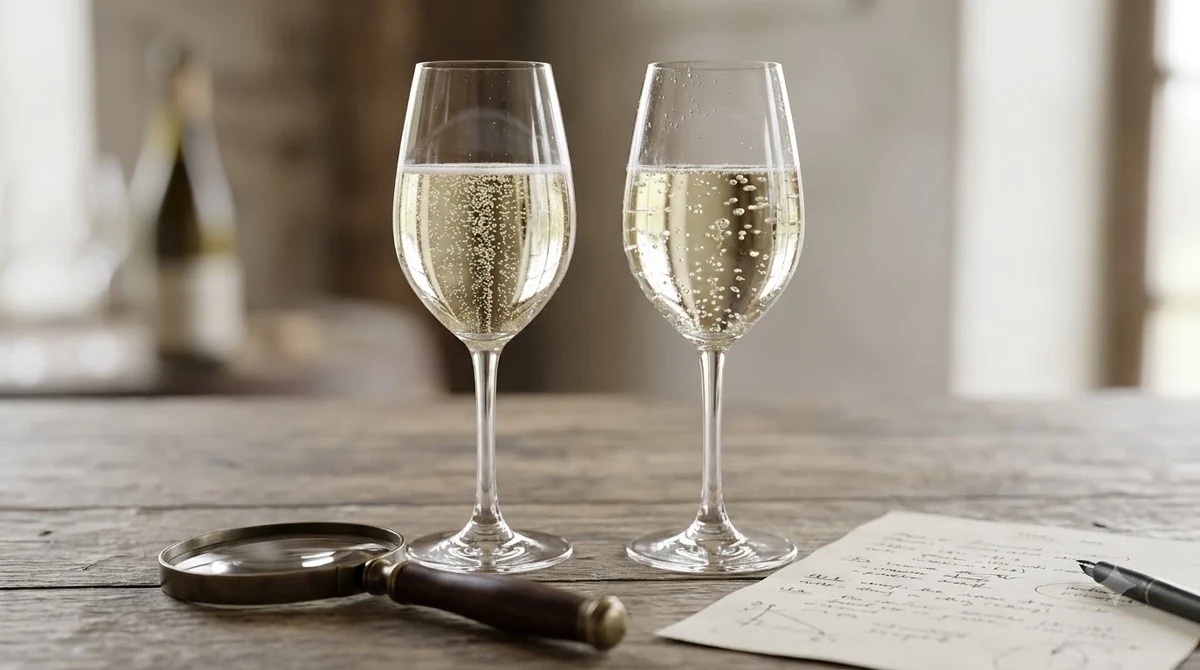
Glassware choice also shapes the drinking experience. Traditional narrow flutes showcase rising streams of bubbles and preserve carbonation longest, while tulip-shaped white wine glasses capture the complex cognac and orange blossom aromas on the nose. If serving outdoors in warm weather, a stemmed goblet with a single large ice cube keeps the cocktail cold without rapid dilution.
What to Serve With a Grand Mimosa
The combination of brisk sparkling wine acidity, sweet-tart citrus, and warm cognac spice makes this cocktail versatile across both savory and sweet brunch menus. Its heightened alcohol content and lingering orange oil finish cut cleanly through rich, buttery foods that might overwhelm a plain mimosa.
Savory egg dishes such as eggs Benedict with lemon-butter hollandaise, smoked salmon tartines, and Gruyère quiche benefit from the wine’s high acidity cleansing the palate between bites. Salty breakfast proteins—including crispy bacon, prosciutto, and herb-seasoned sausage—find a natural counterpoint in the caramelized orange notes of the liqueur. For additional ideas on matching wine-based drinks with full menus, explore more seasonal combinations in our guide to Wine Recipes & Cocktails.
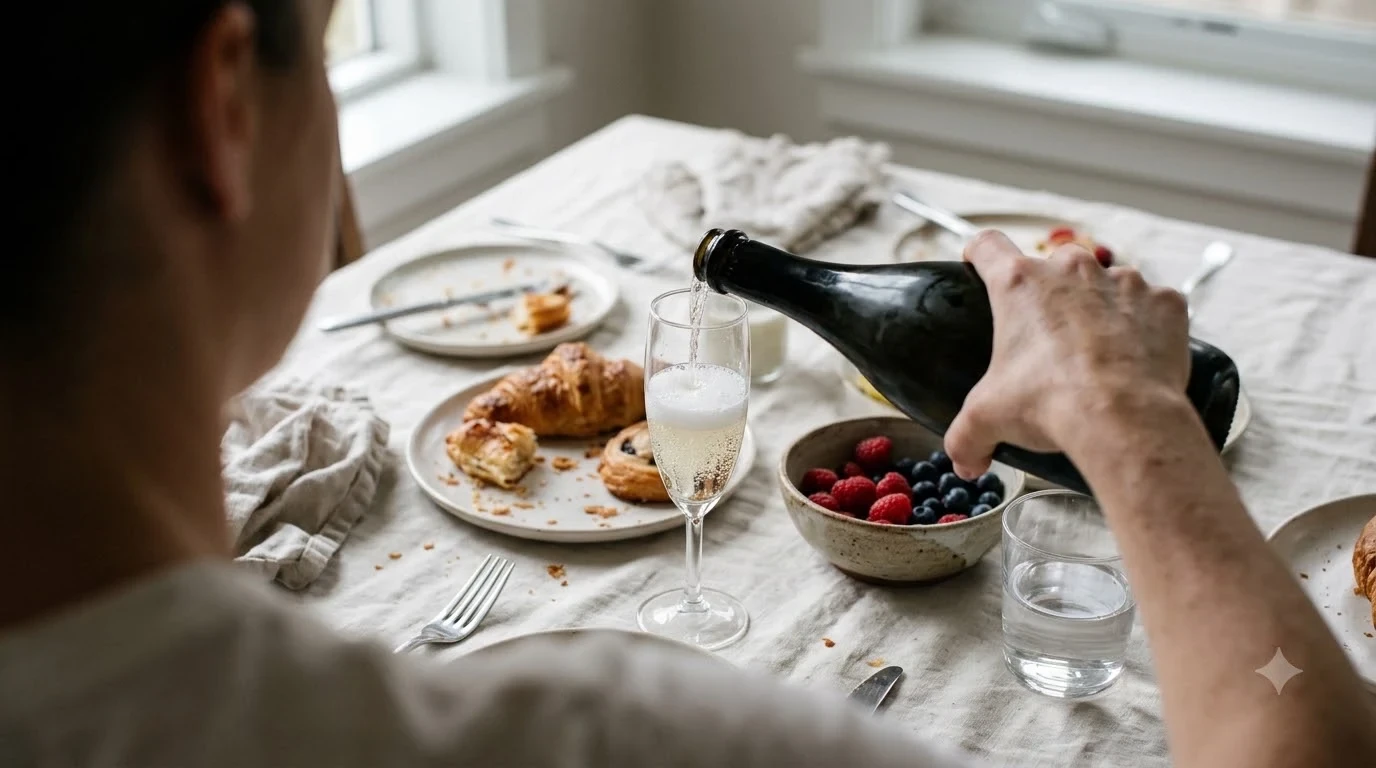
On the sweeter side of the table, French toast, almond croissants, Belgian waffles, and citrus-glazed pound cake echo the vanilla and candied orange peel nuances already present in the glass. Because brut sparkling wine keeps residual sugar in check, the cocktail refreshes the palate rather than compounding the sweetness of maple syrup or fruit compotes.
Frequently Asked Questions
What is the difference between a regular mimosa and a grand mimosa?
A regular mimosa consists strictly of chilled sparkling wine and orange juice, whereas a grand mimosa adds half an ounce of cognac-based orange liqueur such as Grand Marnier. That addition raises the alcohol content to roughly 10.18 percent ABV and introduces warm oak, vanilla, and concentrated bitter orange peel complexity.
What is the best sparkling wine to use for a grand mimosa?
A dry brut sparkling wine—such as brut Champagne, Spanish Cava, or dry California sparkling wine—works best because it balances the sweetness of both the orange juice and the orange liqueur. Avoid sweet sparkling wines labeled Demi-Sec or Doux, which make the finished cocktail overly sugary.
Should you pour the sparkling wine or the orange juice first?
Pour the orange liqueur and strained orange juice into the chilled glass first, then slowly top with sparkling wine. Because the juice and liqueur are denser than wine, pouring the bubbly last allows the rising carbonation to gently mix the ingredients without overflowing the glass.
Can you make grand mimosas ahead of time for a brunch party?
You can squeeze and strain the orange juice and mix it with the Grand Marnier in a sealed pitcher up to two hours before serving, keeping it chilled in the refrigerator. Hold off on adding the sparkling wine until the moment each glass is poured so the drink retains full effervescence.
Mastering a grand mimosa comes down to cold ingredients, pulp-free fresh juice, and a dry sparkling wine that lets the cognac-orange liqueur shine without tipping into sweetness. Whether poured individually in chilled tulips or batched as a chilled citrus base for a crowd, this simple three-ingredient upgrade brings genuine bar-craft depth to any daytime table.
More in Food & Wine Pairing
 Risotto With White Wine Recipe: Make a Creamy Dinner at HomeUpdated Nov 20, 2026
 Wassail With Wine Recipe for a Festive Spiced Holiday DrinkUpdated Nov 20, 2026
 Spritz Veneziano Recipe: Make a Classic Venetian Aperitivo at HomeUpdated Nov 20, 2026
 Summer Wine Punch Recipe for Easy Homemade EntertainingUpdated Nov 20, 2026
 Bishop Recipe: How to Make a Bright, Citrus-Forward Red Wine CocktailUpdated Nov 20, 2026
 Wine Cupcakes Recipe: Bake Rich Chocolate Cupcakes at HomeUpdated Nov 20, 2026