

We may earn a commission when you buy through links on this page, at no extra cost to you. Learn more.
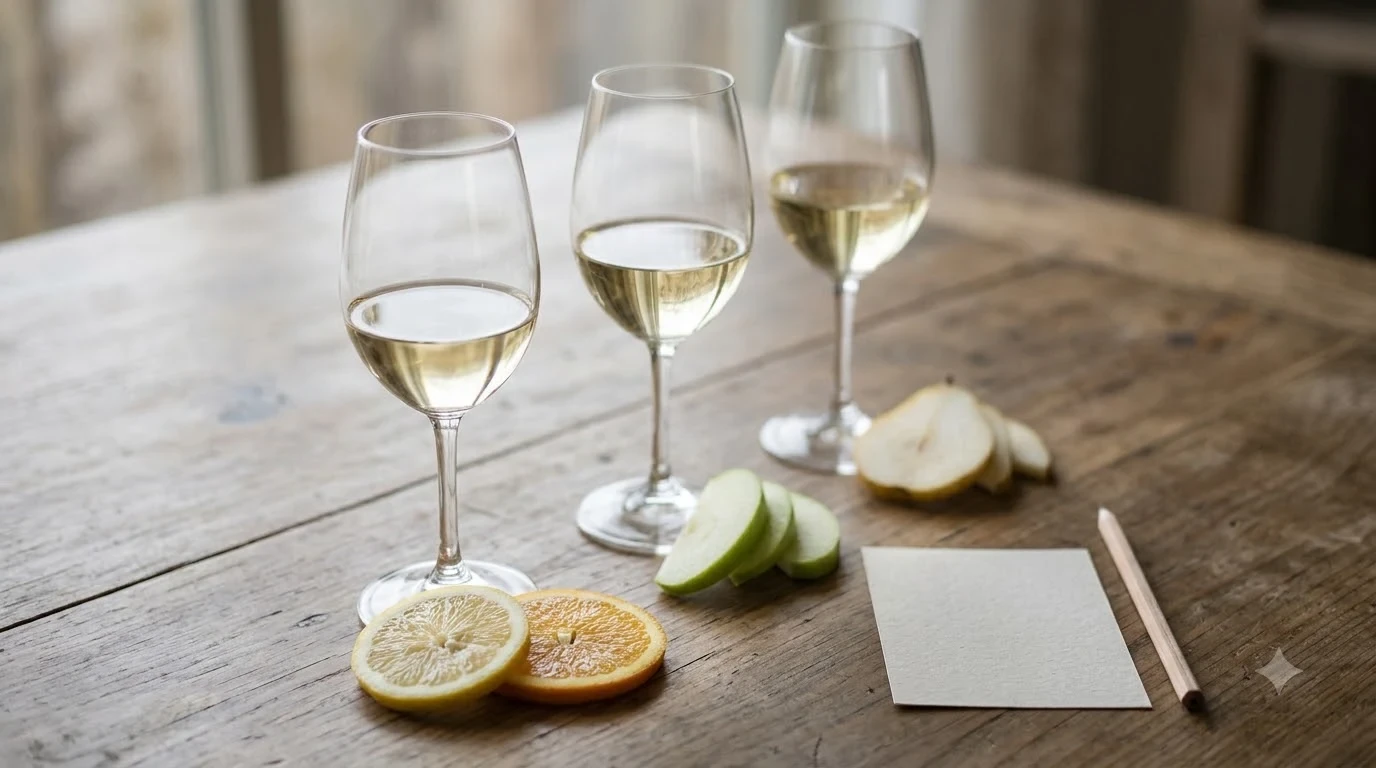
A balanced pineapple sangria recipe combines one 750-milliliter bottle of crisp dry white wine, 1 cup of 100 percent pineapple juice, 1/4 to 1/2 cup of brandy or orange liqueur, fresh pineapple chunks, and sliced citrus chilled together for at least 4 hours. Topping each glass with chilled sparkling water, dry sparkling wine, or ginger beer right before serving adds effervescence without diluting the base pitcher. Using a dry, high-acid wine keeps the tropical sweetness of the pineapple bright and refreshing rather than syrupy.
Unlike traditional red sangria, which relies on bold tannins and dark berries to carry heavy spices, a white wine base lets fresh tropical fruit take center stage. The high natural acidity and enzymatic brightness of pineapple pair smoothly with zesty white varietals, creating a batchable pitcher drink suited for warm-weather gatherings, weekend brunches, and spicy outdoor menus. Because the fruit infuses directly into the wine over several hours, every pour delivers layered aromatics from the first glass to the last.
Ingredients and Exact Measurements
The standard pitcher formula builds around a single 750-milliliter bottle of dry white wine, yielding roughly six to eight servings depending on ice and sparkling toppers. Every component serves a structural purpose: dry wine provides acidity, pineapple juice adds body, spirit deepens the finish, and fresh fruit releases aromatic oils during refrigeration.
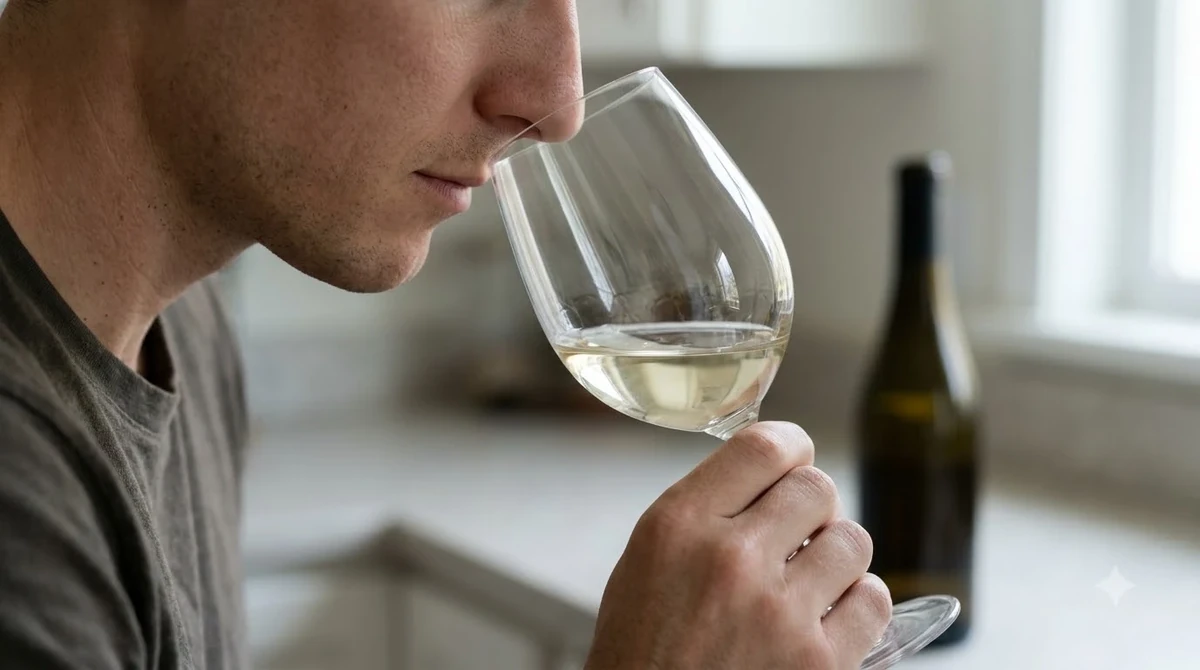
Choosing pure, unsweetened pineapple juice rather than cocktail blends prevents excess sugar from overwhelming the wine. Similarly, cutting fresh pineapple into uniform one-inch chunks maximizes surface area for flavor extraction while keeping the pieces sturdy enough to eat with a spoon once the pitcher empties.
For the spirit component, a modest measure of brandy or orange liqueur bridges the gap between the grape base and the tropical fruit. According to The Kitchn’s white sangria guide, a quarter cup of brandy or orange liqueur provides enough backbone to round out a 750-milliliter bottle without turning the punch overly heavy.
| Ingredient | Amount | Role in the Pitcher |
|---|---|---|
| Dry white wine (Sauvignon Blanc, Pinot Grigio, or Albariño) | 1 bottle (750 ml) | Provides crisp acidity, structure, and low-ABV refreshment |
| 100% unsweetened pineapple juice | 1 cup (8 oz) | Delivers tropical body and natural fruit sweetness |
| Brandy, white rum, or orange liqueur | 1/4 to 1/2 cup (2 to 4 oz) | Adds aromatic depth and bridges citrus and tropical notes |
| Fresh ripe pineapple, cored and cut into 1-inch chunks | 2 cups (about 1/2 whole pineapple) | Infuses fresh aroma and absorbs wine for garnishing |
| Navel orange, thinly sliced into half-moons | 1 medium | Contributes sweet citrus oils from the peel |
| Lime, thinly sliced into wheels | 1 medium | Sharpens the finish and balances residual fruit sugar |
| Simple syrup or honey (optional, to taste) | 1 to 2 tablespoons | Adjusts sweetness if using very tart fruit or bone-dry wine |
| Chilled club soda, dry Cava, or ginger beer | 1 1/2 cups (12 oz) | Adds lively carbonation right before serving |
Best White Wines for Pineapple Sangria
A dry, unoaked white wine with brisk natural acidity makes the strongest foundation for pineapple sangria. Heavy oak aging or high residual sugar can clash with pineapple’s intense tropical esters, leaving the finished drink feeling flat or cloying on the palate.
Reviewers at Wine Enthusiast recommend crisp, affordable whites such as Spanish Albariño, Rueda Verdejo, Sauvignon Blanc, and Italian Pinot Grigio for white sangria batches. Albariño and Verdejo naturally carry stone-fruit and saline notes that echo tropical fruit, while Sauvignon Blanc contributes zesty lime and passionfruit aromatics that amplify fresh pineapple.
Spanish Viura—the primary white grape of Rioja—also performs well in tropical sangrias because its clean, neutral profile lets macerated pineapple and citrus shine without competing herbal notes. If you prefer a slightly softer texture without oak, an unoaked Pinot Blanc or dry Washington State Riesling offers vibrant orchard-fruit acidity that keeps each sip lively.
Step-by-Step Instructions
Making pineapple sangria requires less than fifteen minutes of active prep, followed by a mandatory chill period so the fruit and wine can integrate. Adding carbonation at the very end preserves crisp bubbles and prevents the pitcher from going flat in the refrigerator.
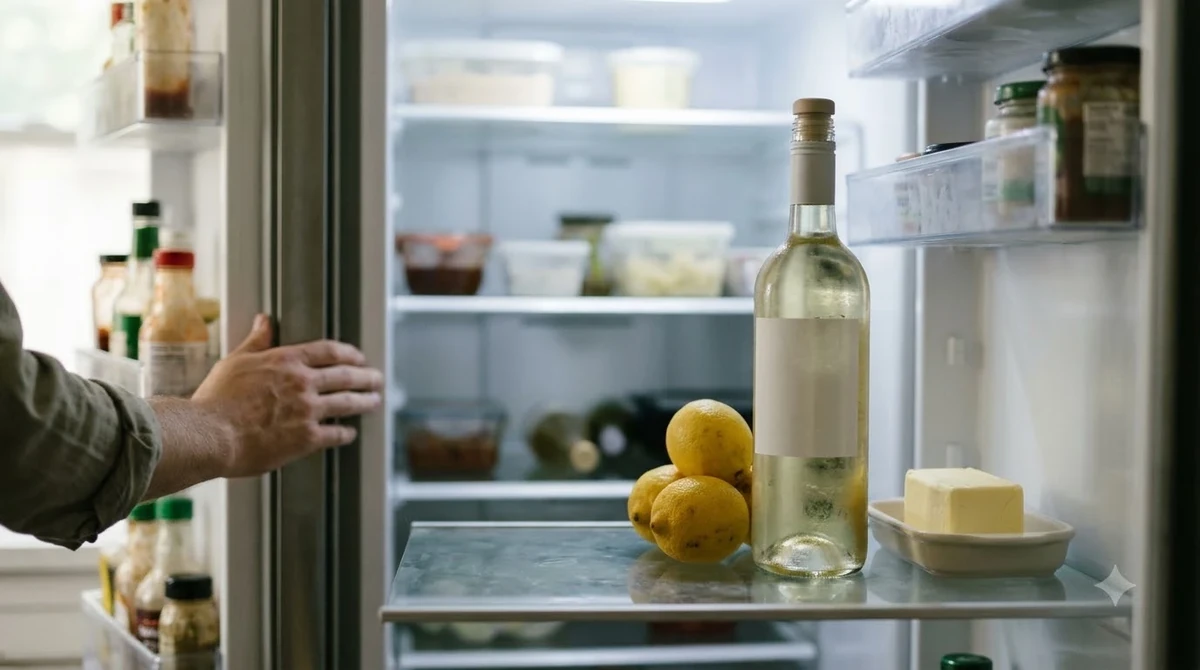
Start with clean, dry produce and a two-quart glass pitcher so you can see the colorful layers of fruit and easily stir before pouring. If you plan to serve the sangria outdoors, keep the pitcher refrigerated until guests arrive rather than packing the batch directly with melting ice cubes.
- Prepare the fruit: Peel, core, and cut half of a ripe pineapple into neat one-inch chunks. Thinly slice the navel orange into half-moons and the lime into thin wheels, discarding any bitter end pieces or large seeds.
- Combine the base liquids: Pour the 750-milliliter bottle of dry white wine, 1 cup of 100 percent pineapple juice, and 1/4 to 1/2 cup of brandy or orange liqueur into a large glass pitcher. Stir gently with a long wooden spoon to integrate the liquids.
- Add the fruit and adjust sweetness: Drop the pineapple chunks, orange slices, and lime wheels into the pitcher and press them lightly with the back of a wooden spoon to release a bit of juice. Taste the mixture and stir in 1 to 2 tablespoons of simple syrup or honey only if the fruit tastes overly tart.
- Chill and infuse: Cover the pitcher tightly and refrigerate for at least 4 hours, or up to 24 hours, so the flavors meld and the base chills thoroughly.
- Top with bubbles and serve: Fill wine glasses or stemless tumblers with ice, spoon in several pieces of wine-soaked pineapple and citrus, and pour the chilled sangria until each glass is roughly two-thirds full. Top off every glass with chilled club soda, dry sparkling wine, or ginger beer and garnish with fresh mint if desired.
Tip: Freeze half of your fresh pineapple chunks on a baking sheet for two hours before mixing; they act as tropical ice cubes that keep the pitcher cold without watering down the wine.
Flavor Variations to Try
Once you master the classic white wine and pineapple ratio, small swaps in spirits, herbs, or secondary fruits can shift the drink from crisp and citrusy to spiced or sparkling. Keeping the core wine-to-juice proportion intact ensures every variation stays balanced.
For an island-style profile, swap traditional brandy for aged white rum or coconut rum and add a handful of sliced fresh strawberries or diced mango during the last hour of chilling. The stone-fruit sweetness of mango pairs naturally with pineapple, while rum reinforces the sugarcane notes without overpowering delicate white grapes.
If you enjoy herbaceous or spiced cocktails, muddle a small bunch of fresh basil or cilantro leaves in the bottom of the pitcher before pouring in the wine, or steep two whole cinnamon sticks in the batch overnight. For brunch crowds that love sparkling wine cocktails like a grand mimosa recipe or a raspberry bellini recipe, replace half of the still white wine with dry Spanish Cava or Prosecco right before pouring.
Preparation and Serving Tips
Temperature management and timing make the difference between a vibrant, aromatic pitcher and a diluted punch. Even an inexpensive bottle of dry white wine tastes bright and complex when properly chilled and paired with peak-season fruit.
Avoid adding delicate berries or soft herbs like mint too early in the refrigeration window. Strawberries lose their bright red color and turn mushy after more than two hours in alcohol, while mint leaves can darken and turn bitter overnight; stir both in right before serving for fresh color and aroma.
When selecting a fresh pineapple at the market, look for golden-yellow skin near the base and smell the bottom end for a sweet, fragrant aroma. Green, odorless pineapples lack natural sugars and add sharp acidity that requires extra sweetener to correct. You can explore more seasonal wine punch techniques and hosting guides in our Wine Recipes & Cocktails section.
What to Serve With Pineapple Sangria
The bright acidity and tropical fruit profile of pineapple sangria make it an ideal match for savory, salty, and mildly spicy dishes. Much like a dry off-dry white wine or a fruit-driven rossini recipe, the chilled citrus notes refresh the palate between rich bites.
Grilled dishes are natural companions, especially pork carnitas tacos, al pastor skewers, jerk chicken, and garlic-lime grilled shrimp. The caramelized edges of charred meats echo the roasted-sugar notes of ripe pineapple, while the crisp wine cuts through smoky marinades and rich sauces.
For lighter afternoon spreads or appetizer boards, pair pineapple sangria with salty aged Manchego cheese, prosciutto-wrapped melon, fresh ceviche, or tortilla chips with mango-habanero salsa. The salinity in cured meats and hard sheep’s-milk cheeses highlights the fruit’s sweetness while keeping the finish clean.
Frequently Asked Questions
How far in advance can you make pineapple sangria?
You can mix the wine, pineapple juice, spirit, pineapple chunks, and citrus slices up to 24 hours ahead of time and store the covered pitcher in the refrigerator. Wait to add carbonated toppers, ice, delicate berries, or fresh herbs until just before serving so the drink stays fizzy and bright.
Can you use canned pineapple instead of fresh pineapple?
Yes, canned pineapple chunks packed in 100 percent pineapple juice work well when fresh pineapple is out of season. Drain the chunks before adding them to the pitcher so you can measure out exactly 1 cup of juice, and avoid fruit packed in heavy syrup so the sangria does not become overly sweet.
What is the best alcohol to add to pineapple sangria?
Traditional Spanish brandy, orange liqueur such as Cointreau or triple sec, and light white rum are the best spirits for pineapple sangria. Brandy adds warm, rounded depth, orange liqueur boosts citrus aromatics, and white rum complements the tropical fruit profile without masking the white wine.
How do you make pineapple sangria less sweet?
To keep pineapple sangria crisp and dry, choose a high-acid, bone-dry white wine like Sauvignon Blanc or Albariño, omit any added simple syrup, and use unsweetened 100 percent pineapple juice. Topping each glass with plain chilled club soda or brut sparkling wine instead of lemon-lime soda also lowers the overall sweetness.
With a bottle of crisp white wine, ripe pineapple, and a few hours in the fridge, you have an effortless pitcher drink ready for any warm afternoon. Adjust the spirit and sparkling topper to match your menu, keep plenty of wine-soaked fruit in every glass, and enjoy a refreshing pour from start to finish.
More in Food & Wine Pairing
 Risotto With White Wine Recipe: Make a Creamy Dinner at HomeUpdated Nov 20, 2026
 Wassail With Wine Recipe for a Festive Spiced Holiday DrinkUpdated Nov 20, 2026
 Spritz Veneziano Recipe: Make a Classic Venetian Aperitivo at HomeUpdated Nov 20, 2026
 Summer Wine Punch Recipe for Easy Homemade EntertainingUpdated Nov 20, 2026
 Bishop Recipe: How to Make a Bright, Citrus-Forward Red Wine CocktailUpdated Nov 20, 2026
 Wine Cupcakes Recipe: Bake Rich Chocolate Cupcakes at HomeUpdated Nov 20, 2026