

We may earn a commission when you buy through links on this page, at no extra cost to you. Learn more.
The Godinger decanter is a stylish crystal serving piece, and the Dublin Crystal Wine Decanter is a particularly appealing option for wine drinkers who value traditional cut-glass presentation alongside practical aeration. Its unleaded crystal construction, 29-ounce capacity, and 12.36-inch height give it a substantial presence on a dining table or home bar. However, its hand-wash recommendation and relatively specialized decorative design make it a better choice for occasional entertaining and careful everyday use than for buyers seeking completely maintenance-free glassware.
A decanter can serve two purposes: helping young wines develop through oxygen exposure and separating older wines from sediment. Godinger offers several crystal decanter designs, including the Dublin wine-specific model and several whiskey-oriented alternatives. Understanding the differences in capacity, shape, construction, and maintenance helps determine whether the Dublin wine decanter is the right addition to a home collection.
Specs and Key Features
The Godinger Dublin Crystal Wine Decanter combines traditional cut-crystal styling with a practical vessel intended for serving and aerating wine. Its 29-ounce capacity and tall, relatively compact silhouette make it suitable for presenting a bottle at the dinner table, although its dimensions deserve attention before purchase.
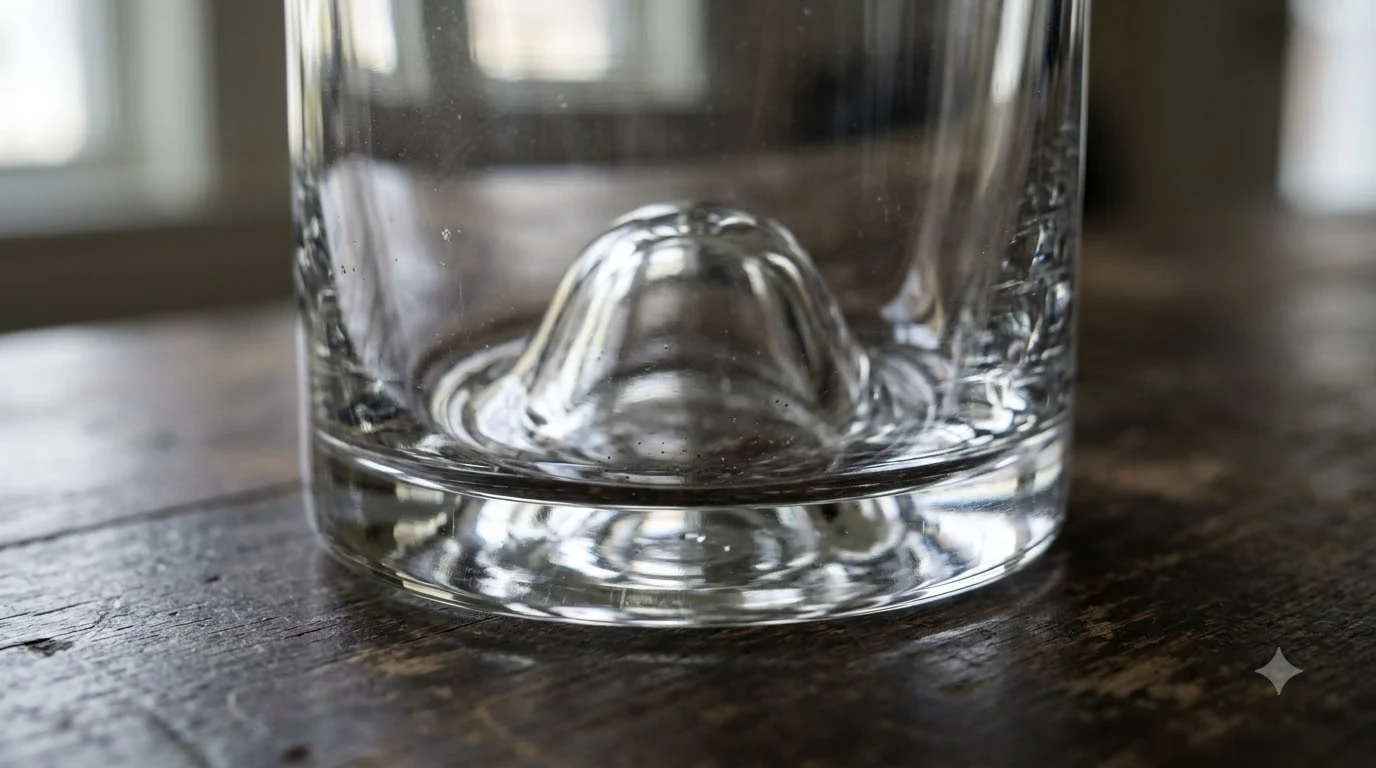
According to Godinger, the Dublin wine decanter is semi-handmade, imported, and constructed from unleaded crystal. Its clear finish allows the color of the wine to remain visible, while the brilliant-cut pattern creates the distinctive reflective appearance associated with traditional crystal barware. The design is decorative without introducing colored glass or an unusual silhouette that might distract from the wine itself.
The manufacturer lists the vessel at 5 inches long, 5 inches wide, and 12.36 inches high. That height gives the piece a noticeable tabletop presence, while its relatively narrow footprint makes it easier to accommodate on a sideboard or serving area than some oversized, broad-based decanters.
Capacity is one of the most important details. The Dublin wine decanter holds 29 fluid ounces, which is enough for a standard 750 ml bottle of wine, equivalent to approximately 25.4 fluid ounces. There is some remaining capacity, but the amount of headroom depends on how much wine is poured and how much room is needed for comfortable swirling.
| Specification | Godinger Dublin Wine Decanter |
|---|---|
| Manufacturer | Godinger |
| Collection | Dublin Crystal |
| Item number | 25867 |
| Material | Unleaded crystal |
| Finish | Clear |
| Construction | Semi-handmade |
| Length | 5.00 inches |
| Width | 5.00 inches |
| Height | 12.36 inches |
| Capacity | 29 fluid ounces |
| Care | Hand-wash recommended |
One important distinction is that the manufacturer describes this particular product as a wine decanter, rather than simply a whiskey bottle with a decorative stopper. That distinction matters because wine service often involves pouring an entire bottle into a vessel and allowing it to interact with air before serving. Buyers should still evaluate the opening and pouring characteristics of the actual design rather than assuming that every crystal decanter performs identically.
Godinger also makes several Dublin designs with different capacities. The Dublin Crystal Sphere Decanter holds 36 ounces, while the Dublin Round Whiskey Decanter holds 32 ounces. These alternatives demonstrate that the collection offers different proportions and intended uses, but their specifications should not be confused with those of the 29-ounce wine model.
What Owners Like
The strongest appeal of Godinger decanters is their combination of decorative crystal styling and practical serving functionality. Buyers looking for traditional barware often value the appearance of cut glass, while wine drinkers benefit from having a dedicated vessel for preparing and presenting bottles.
The Dublin pattern is particularly suited to traditional dining rooms, formal entertaining spaces, and home bars where crystal accessories complement existing glassware. Its clear finish is versatile enough to work with different table settings, and the faceted appearance creates visual interest without requiring a complicated color scheme.
Another advantage is the use of unleaded crystal in the Dublin wine model. This is an important specification for buyers who want a crystal-style vessel without intentionally added lead. Godinger explicitly identifies the material as unleaded crystal, which is more useful than relying on vague product descriptions such as premium glass or luxury crystal.
Capacity is another practical benefit. At 29 ounces, the wine-specific model can accommodate a standard 750 ml bottle without requiring multiple transfers. This is convenient for dinner parties where a bottle can be opened, poured into the decanter, and presented as one serving vessel for the table.
Independent owner feedback on other Godinger decanter designs also provides some useful context, although those comments should not be mistaken for direct reviews of the Dublin wine model. Wine Cellar Diva’s review of the separate Godinger Hand-Blown Decanter Carafe describes its straightforward appearance, lightweight handling, and wide opening as positive characteristics. Owners of that different model also appreciate the ability to rinse the vessel without negotiating a particularly narrow neck.
That distinction is important. The Hand-Blown Carafe and the Dublin Crystal Wine Decanter are separate products with different designs and specifications. Feedback about the former cannot establish the weight, pouring comfort, or cleaning experience of the latter. It does, however, illustrate the range of functional preferences among buyers considering Godinger glassware.
For gift buyers, the Dublin design has another advantage: it is a recognizable tabletop accessory that does not depend on the recipient collecting a particular wine region or grape variety. Someone who enjoys entertaining, maintains a home bar, or appreciates traditional crystal presentation may find it useful beyond a single occasion.
Common Complaints
The main trade-offs to consider are cleaning requirements, handling expectations, and the difference between decorative crystal styling and specialized wine-decanting performance. The manufacturer provides useful specifications, but it does not publish a comprehensive set of independent durability or pouring-performance results for this particular model.
The clearest maintenance limitation is the hand-wash recommendation. Buyers who prefer putting all their glassware into a dishwasher may find this inconvenient, particularly after hosting a dinner with several guests. A tall crystal vessel with decorative facets also deserves careful handling during washing and drying.
Another consideration is the 12.36-inch height. While that proportion looks elegant on a table, it may not fit comfortably in every kitchen cabinet. Buyers with limited storage space should measure their available shelf height before choosing the Dublin model. A dedicated glassware shelf or cabinet may be more appropriate than a crowded everyday cupboard.
The 29-ounce capacity also leaves less extra room than a considerably larger decanter. It accommodates a standard bottle, but buyers who frequently pour large-format wine or prefer substantial extra room for swirling may want a larger design. The 36-ounce Dublin Sphere Decanter is one alternative within the same collection, although it is presented primarily for whiskey and spirits.
There is also a potential mismatch between appearance and expectations. Cut crystal can look substantial and heavy, but the manufacturer does not provide a verified product weight for this wine decanter. Buyers should not assume that the piece has the same thickness, heft, or impact resistance as a heavy traditional lead-crystal vessel.
Owner complaints associated with other Godinger products should also be considered carefully. Wine Cellar Diva identifies thin glass and occasional reports of chipping at the lip as concerns associated with the separate Hand-Blown Decanter Carafe. That observation is not evidence of a defect in the Dublin wine model. Still, it reinforces the value of inspecting any decanter after delivery and handling the rim carefully.
Finally, the decorative pattern is not necessarily ideal for every interior. Minimalist kitchens and contemporary dining rooms may look better with a plain, uncomplicated carafe. Buyers who prefer a simple silhouette over traditional faceted glass should consider whether the Dublin pattern will complement their existing tableware.
Tip: Inspect the rim, body, and base immediately after receiving a crystal decanter. Keep the original packaging until you have confirmed that the glass is free of visible damage, and avoid gripping the neck tightly when lifting a filled vessel.
Who Should Buy and Who Should Skip
The Godinger Dublin Crystal Wine Decanter makes the most sense for buyers who want a decorative, wine-specific serving vessel with enough capacity for a standard bottle. Its traditional crystal styling suits formal meals, holiday gatherings, and home bars where presentation is part of the experience.
It is a good fit for traditional entertaining. The clear cut-crystal appearance pairs naturally with classic stemware, polished serving pieces, and formal dinner settings. Someone furnishing a dining room or assembling a coordinated bar collection may appreciate the visual consistency of the Dublin pattern.
It also suits occasional wine enthusiasts. A person who regularly serves Cabernet Sauvignon, Syrah, or other structured red wines may find a decanter useful for giving young bottles additional exposure to air. The 29-ounce capacity provides enough room for a standard bottle, and the clear glass keeps the wine’s appearance visible during service.
Buyers who enjoy older wines with sediment may also appreciate having a separate vessel for careful pouring. In that situation, the primary advantage is the ability to leave sediment behind in the original bottle rather than allowing it to reach the drinking glasses.
However, the Dublin model is less suitable for people who want dishwasher convenience. Its hand-wash recommendation makes it a less practical option for households that prioritize quick cleanup over careful glassware maintenance.
It may also be the wrong choice for someone who regularly serves several bottles at once or prefers an especially broad decanter with extensive wine-to-air contact. Although its capacity accommodates a standard bottle, the listed dimensions do not establish that it offers the aeration surface of a dedicated wide-bottom decanter.
Minimalist buyers should also consider whether the cut-crystal appearance fits their preferences. A plain glass carafe can be more visually appropriate in a modern home, especially if the surrounding glassware already has distinctive shapes or patterns.
For people who primarily collect whiskey or bourbon, the Dublin whiskey designs may be more suitable. The 32-ounce Dublin Round Whiskey Decanter and the 36-ounce Dublin Sphere Decanter provide different proportions and are marketed for spirits rather than being the principal wine-specific choice.
How It Compares to Alternatives
Godinger’s Dublin range includes several decanter formats, but the most important comparison is between the wine-specific model and the larger decorative alternatives. Buyers should compare capacity, height, intended use, and maintenance instructions instead of assuming that every product carrying the Dublin name performs the same job.
The Dublin Crystal Wine Decanter is the straightforward choice for someone who wants a dedicated vessel for wine. Its 29-ounce capacity is sufficient for a standard 750 ml bottle, and its 12.36-inch height gives it a tall presentation profile. Its published hand-wash recommendation is also clear.
The Dublin Crystal Sphere Decanter offers a different visual approach. With a 36-ounce capacity and an 8.86-inch height, it has a broader, more rounded appearance. Godinger describes it as suitable for whiskey, bourbon, and other spirits, making it a more natural option for someone building a decorative spirits collection than for someone specifically prioritizing wine aeration.
The Dublin Round Whiskey Decanter holds 32 ounces and measures 8.66 inches high. It is another alternative for buyers who want a lower-profile spirits vessel. Its published care information lists dishwasher-safe use alongside a hand-wash recommendation, although buyers should follow the manufacturer’s specific instructions for the individual item.
| Model | Capacity | Height | Primary positioning |
|---|---|---|---|
| Dublin Crystal Wine Decanter | 29 oz | 12.36 in | Wine serving |
| Dublin Crystal Sphere Decanter | 36 oz | 8.86 in | Whiskey and spirits |
| Dublin Round Whiskey Decanter | 32 oz | 8.66 in | Whiskey and bar service |
| Dublin Crystal Whiskey Decanter | 25 oz | 10.63 in | Whiskey and spirits |
The separate Godinger Hand-Blown Decanter Carafe reviewed by Wine Cellar Diva represents another type of alternative. It has a 750 ml capacity, a simpler open-carafe appearance, and a wide opening that makes cleaning more straightforward. However, it does not have the same decorative cut-crystal presentation as the Dublin wine model, and the review identifies the absence of a stopper as a limitation.
These differences highlight an important purchasing decision. A traditional crystal decanter prioritizes tabletop appearance and presentation, while a simple carafe can be more convenient for routine serving and cleaning. Neither style is automatically superior; the appropriate choice depends on how often the vessel will be used and what matters most to the buyer.
Glassware should also be considered as part of a complete wine-serving setup. A decanter does not replace properly shaped drinking glasses, since wine is still best enjoyed in an appropriate glass that allows room for swirling and directs aromas toward the nose. Buyers assembling a coordinated collection can compare our guides to wine glasses and red wine glasses before selecting complementary pieces.
Wine Aeration, Serving, and Practical Use
A decanter can make a noticeable difference for certain wines, but the vessel itself does not guarantee an improvement in every bottle. The wine’s age, structure, condition, and exposure to oxygen all influence whether decanting is helpful.
According to Wine.com, young tannic reds such as Cabernet Sauvignon, Petite Sirah, and Nebbiolo can benefit from approximately 30 to 60 minutes in a decanter. The additional oxygen exposure can help aromas become more expressive and make the wine seem more open. The Dublin model provides a dedicated serving vessel for this purpose, although the exact aeration effect depends on its shape and the amount of wine in contact with air.
For a typical young Cabernet Sauvignon, a useful starting point is to pour the wine into the decanter around 30 minutes before serving. Taste a small amount after pouring and again before dinner. If the aromas become more expressive, allow it to rest a little longer, provided the wine is developing positively.
Older reds require a different approach. Their main reason for decanting is often sediment removal rather than extended aeration. Wine Enthusiast explains that older wines can be delicate and that unnecessary exposure to oxygen may cause some aromatic characteristics to fade.
For a sediment-bearing bottle, place it upright a day or two before serving when possible. This allows sediment to settle toward the bottom. Open the bottle carefully, position a light behind the neck, and pour slowly into the decanter. Stop when sediment begins approaching the neck rather than trying to transfer every last drop.
Wine Enthusiast also discusses reduced aromas in some wines, including Syrah, where hydrogen sulfide can create unpleasant struck-match or rotten-egg characteristics. Approximately 30 to 60 minutes of air exposure may help release these compounds, allowing the drinker to reassess the wine.
White wine generally needs less decanting than structured reds. Full-bodied Chardonnay may benefit from brief aeration in some circumstances, but crisp Sauvignon Blanc and other delicate whites can lose freshness if exposed to excessive air. Sparkling wine should generally be served directly from the bottle rather than treated like a young tannic red.
For further technical background, Wine.com’s explanation of how and when to decant wine covers sediment removal, aeration, and the differences between delicate and structured red wines.
Temperature also matters. A decanter should not be treated as a substitute for proper wine-temperature management. Light reds are generally served around 55 to 60 degrees Fahrenheit, while fuller-bodied reds are typically served around 60 to 65 degrees Fahrenheit. Pouring a wine that is too warm or too cold can affect the drinking experience regardless of the serving vessel.
The Dublin decanter is best treated as a serving accessory rather than a long-term wine-storage container. Once a bottle has been opened and transferred, the wine should be enjoyed during the same occasion. If wine remains, return it to a suitable sealed container and refrigerate it according to the wine style rather than leaving it exposed in an open decanter.
Cleaning and Long-Term Care
Crystal glassware needs careful handling to maintain its appearance. Godinger recommends hand-washing the Dublin Crystal Wine Decanter, so buyers should plan for a little more attention than they would give ordinary everyday drinking glasses.
Begin by rinsing the decanter with lukewarm water shortly after use. This helps prevent wine residue from drying inside the vessel. Avoid sudden temperature changes, such as filling a cold decanter with very hot water, because thermal shock can damage glass.
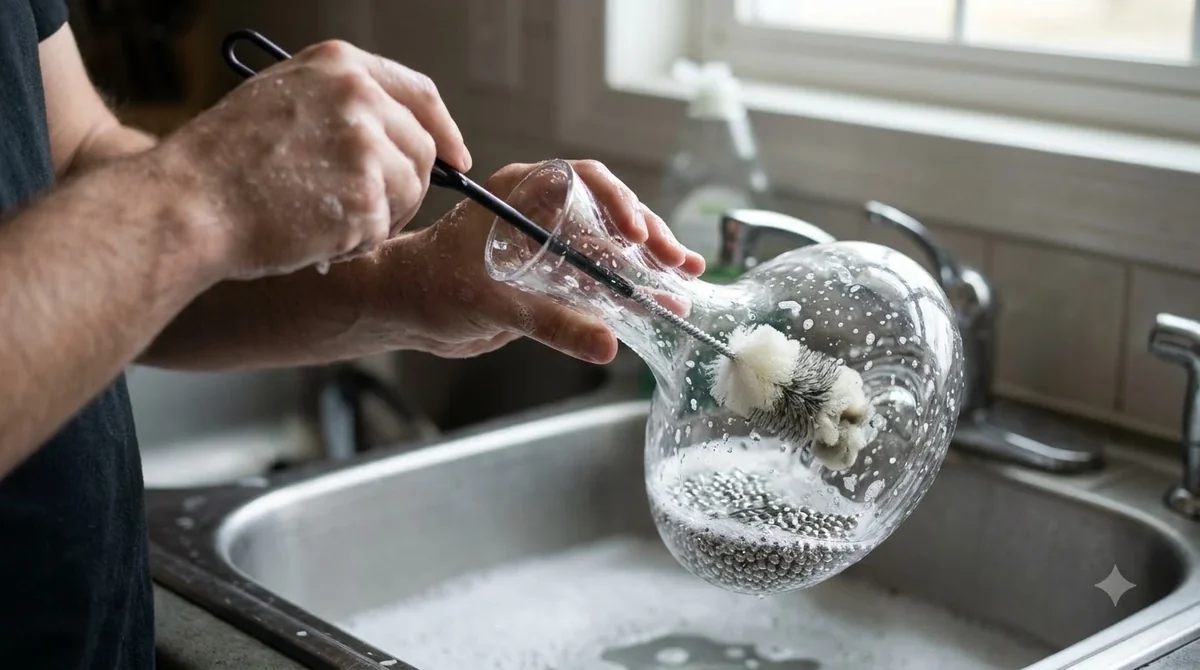
Use a small amount of mild dish soap when necessary. Add water, gently rotate the vessel, and clean accessible areas with a soft sponge or suitable decanter-cleaning brush. Avoid abrasive pads and harsh cleaning products that could scratch or dull the surface.
Rinsing is particularly important after serving red wine. Pigmented wine residue can remain visible around the interior, especially if the vessel has been left overnight. A prompt rinse is easier than trying to remove dried deposits later.
Drying requires patience. Place the decanter upside down on a clean, soft drying surface that allows air to circulate. Avoid balancing it precariously on a narrow towel or hard countertop edge. If the opening makes internal drying difficult, use a suitable decanter drying stand designed to support the vessel securely.
Water spots can be another concern with clear crystal. Using clean rinse water and allowing the vessel to air-dry in a dust-free area can reduce visible marks. If additional polishing is needed, use a clean, lint-free microfiber cloth and handle the body carefully.
Storage is equally important. Keep the decanter upright in a stable cabinet or on a protected shelf. Leave enough room around the sides so that it does not strike neighboring bottles, glassware, or decorative objects when removed. Storing it separately from heavy cookware is a sensible precaution.
For households with limited cabinet space, the listed 12.36-inch height should be considered before purchasing. A dedicated display shelf may offer a better solution than placing the piece in a cramped cupboard where its rim or base could be damaged.
Do not assume that the cleaning instructions for another Dublin product apply automatically to the wine model. Godinger lists different care information for different pieces, so the wine decanter’s hand-wash recommendation should remain the starting point for maintenance.
With careful rinsing, gentle washing, and secure storage, the Dublin decanter can remain a useful part of a home entertaining collection. Its decorative crystal pattern is a reason to take extra care rather than treating it like an ordinary water pitcher.
Frequently Asked Questions
Is the Godinger Dublin Crystal Wine Decanter suitable for everyday use?
Yes, it can be used regularly, provided it is handled and cleaned carefully. Its semi-handmade construction and hand-wash recommendation make it better suited to people comfortable maintaining decorative crystal than to households that prefer disposable-effort cleanup.
Does unleaded crystal contain no other metals?
Unleaded crystal means the product is not made with intentionally added lead oxide as a traditional crystal ingredient. It does not mean that every possible trace element is absent from the glass. Godinger identifies the Dublin wine decanter’s material as unleaded crystal but does not publish a detailed chemical composition.
Can a decanter be used for homemade sangria?
A clean glass decanter can be used to present sangria, provided the ingredients are compatible with the vessel and the opening accommodates any fruit pieces. However, a wide pitcher is usually easier to fill and clean when serving drinks containing sliced oranges, lemons, or berries.
Should a decanter be stored with its opening covered?
Store a completely clean and dry decanter in a dust-free cabinet, preferably upright. A loose protective cover can help keep dust out during long storage periods, but the vessel should never be sealed while moisture remains inside because trapped moisture can encourage unwanted odors.
Can a Godinger crystal decanter be used for nonalcoholic drinks?
Yes. A clean decanter can also present nonalcoholic grape juice, fruit-infused water, or other suitable beverages at the table. Avoid drinks that may leave difficult stains or sticky residues if the vessel will not be washed immediately after serving.
The Godinger Dublin Crystal Wine Decanter is a strong option for buyers who appreciate traditional crystal presentation, unleaded construction, and enough capacity for a standard wine bottle. Its hand-wash requirement and decorative proportions are important trade-offs, but the combination of appearance and practical wine-serving capacity makes it a worthwhile model to consider. Before purchasing, compare the available Dublin designs and measure your storage space to ensure the selected decanter fits your entertaining habits and home bar.
More in Wine Glasses
 Zwiesel Glas Champagne Flutes for Durable Everyday Sparkling WineUpdated Nov 20, 2026
 Vera Wang Crystal Wine Glasses: Design, Quality and Buying AdviceUpdated Nov 20, 2026
 West Elm White Wine Glasses: Compare Designs for Better Everyday Wine ServiceUpdated Nov 20, 2026
 Zalto Stemless Wine Glasses: Discover Their Distinctive DesignsUpdated Nov 20, 2026
 Viski Champagne Glasses That Match Your Style and Sparkling WineUpdated Nov 20, 2026
 Vista Alegre Decanter Review: Crystal Style and Wine ServiceUpdated Nov 20, 2026