


We may earn a commission when you buy through links on this page, at no extra cost to you. Learn more.
Zalto stemless wine glasses offer distinctive designs for wine enthusiasts who prefer elegant, stem-free glassware without giving up thoughtful craftsmanship. The collection includes the practical Series W1 tumbler and the unusual Gravitas Omega, a large-format glass designed around Zalto’s Burgundy bowl. Both provide alternatives to conventional stemware, although their shapes, capacities, and intended uses are quite different. Understanding those differences is essential before choosing between them.
Zalto is known for delicate, carefully proportioned glassware, particularly its Denk’Art collection. Its stemless options extend that design philosophy in two different directions: a compact tumbler suitable for table service and a striking wine-tasting vessel that rests on its side. Neither is simply a traditional wine glass with its stem removed. Their distinctive construction makes them interesting choices for collectors, design-conscious hosts, and people who want something different from standard glassware.
Specs and Key Features
Zalto’s stemless offerings are best understood as two separate designs rather than interchangeable versions of one glass. The W1 prioritizes compact proportions and straightforward drinking, while the Gravitas Omega provides a specialized wine-tasting experience through its unconventional resting position.
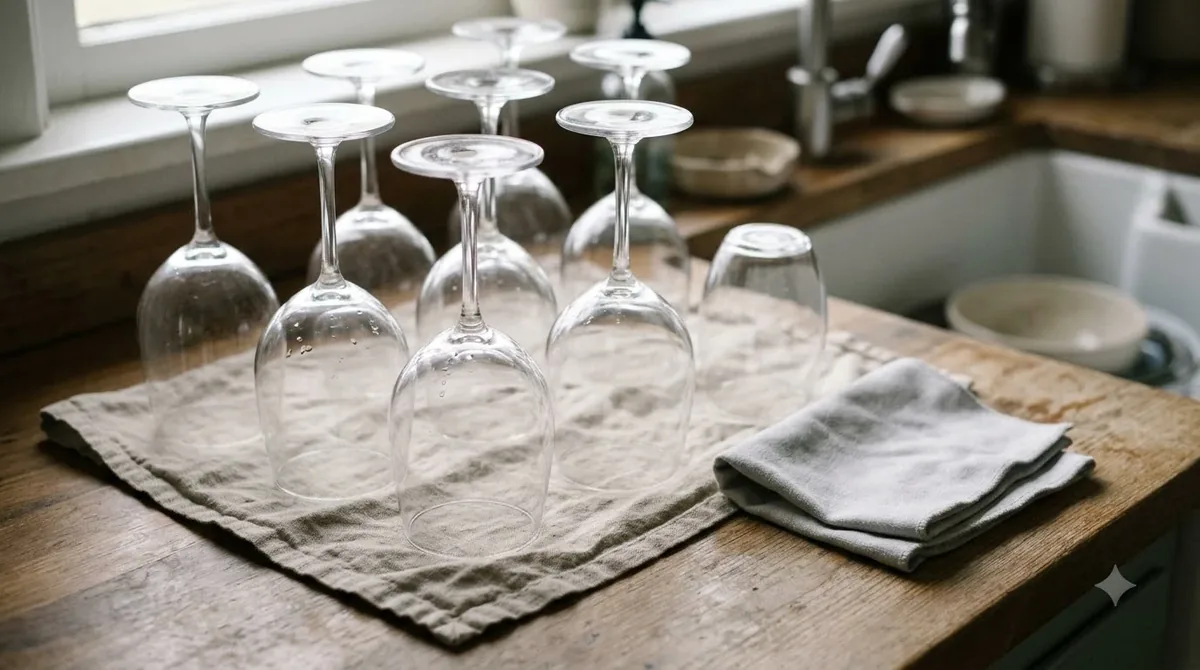
The Series W1 is the more straightforward everyday option. Zalto offers it in Crystal Clear and Effect finishes, each measuring 98 mm high and 91 mm wide, with a stated capacity of 380 ml. The two finishes share the same basic dimensions and capacity, so the choice is primarily visual rather than functional.
The Gravitas Omega is considerably different. It incorporates the bowl shape of Zalto’s Burgundy glass and has a 960 ml capacity. Instead of standing upright on a conventional flat foot, it balances on a rounded contact point. Its distinctive silhouette makes it a specialist piece rather than a straightforward replacement for a regular drinking tumbler.
| Feature | W1 Series | Gravitas Omega |
|---|---|---|
| Design | Compact stemless tumbler | Recumbent wine glass |
| Available finish | Crystal Clear or Effect | Clear |
| Height | 98 mm | 230 mm |
| Width | 91 mm | Not specified in the official listing |
| Capacity | 380 ml | 960 ml |
| Material description | Unleaded glass | Part of the lead-free Denk’Art range |
| Primary purpose | Table service and everyday drinking | Specialized wine tasting |
| Resting position | Upright | On its side |
These specifications illustrate why the two models appeal to different buyers. A 380 ml tumbler is a manageable size for serving water, sparkling water, and moderate wine pours. The 960 ml Gravitas Omega provides substantially more bowl space, which changes both its appearance and how it interacts with wine.
There is also an important distinction between Zalto’s Series W1 and its conventional Denk’Art stemware. The company presents W1 as a complementary stemless range, not as a collection of shortened versions of its Universal, Burgundy, or Bordeaux glasses. This distinction matters because the shape and proportions of a wine vessel influence the drinking experience independently of whether it has a stem.
For buyers comparing the wider market, our guide to stemless wine glasses provides useful context about compact designs, bowl shapes, and practical considerations.
The manufacturer provides the most useful starting point for understanding the W1’s construction. Its official Zalto Series W1 specifications explain the two finishes, dimensions, capacity, and intended role alongside conventional wine glasses.
What Wine Enthusiasts May Appreciate
The strongest appeal of Zalto’s stemless range is its combination of restrained appearance, carefully considered proportions, and distinctive glassmaking. Buyers looking beyond ordinary household tumblers will find two designs that have clear individual identities.

Minimalist styling without unnecessary decoration
The W1 is deliberately understated. Its shape opens slightly toward the rim, producing a simple silhouette that looks appropriate in both casual and formal table settings. Rather than relying on decorative details, it uses proportions and a thin rim to establish its character.
Zalto offers the W1 in two finishes. Crystal Clear provides a straightforward transparent appearance, while Effect adds an optical treatment that creates a subtle visual distinction. Using the two together can also help guests distinguish still water from sparkling water without introducing different glass shapes or colors.
This is a useful feature for hosts who want a coordinated table setting. Instead of buying separate styles of water glass, the two W1 versions maintain consistent dimensions while providing a visual difference between beverages.
A thin rim and lightweight character
Zalto specifically emphasizes the W1’s thin rim and lightweight feel. A fine rim can make the transition between glass and mouth feel less substantial, allowing the beverage to become the focus of the drinking experience. The upward-opening profile also contributes to the overall drinking geometry.
These details are particularly relevant to people who dislike thick, heavy tumbler rims. Standard everyday glassware can feel noticeably different from fine crystal, especially when the rim is substantial. Zalto takes a more delicate approach, which is consistent with the visual language of its wider collection.
However, a thin rim should not automatically be interpreted as proof of superior wine performance. Glass shape, wine temperature, serving quantity, and the individual wine all contribute to the experience. A carefully made glass is a useful tool, not a substitute for good wine or appropriate serving conditions.
The Gravitas Omega’s unusual presentation
The Gravitas Omega offers a more dramatic experience. Zalto uses the bowl of its Burgundy glass but removes the conventional foot arrangement, allowing the vessel to rest on a rounded contact point. A specially shaped area on the bowl helps it remain in position on the table.
This unusual arrangement makes the glass particularly interesting during a tasting. Its generous bowl provides room for aromatic development, while its design encourages careful handling. Zalto explains that the recumbent shape helps keep aromas more intensely focused within the vessel.
The glass is especially relevant to enthusiasts who appreciate expressive wines. Burgundy-style glass shapes are commonly associated with Pinot Noir and other aromatic varieties, where the broad bowl provides space to appreciate the wine’s fragrance. The Gravitas Omega offers a distinctive interpretation of this familiar design.
A coordinated glassware collection
Another advantage is that the W1 fits naturally alongside Zalto’s traditional stemware. Someone who already owns Denk’Art wine glasses can introduce the W1 for water service or informal drinking without creating a completely different aesthetic at the table.
The manufacturer’s emphasis on unleaded materials also appeals to buyers who prefer lead-free glassware. Both W1 finishes are described by Zalto as made from unleaded glass, while Wine Enthusiast also identifies the Denk’Art collection as lead-free.
For someone building a coordinated collection, the distinction between functional roles is useful. The W1 can handle water service, while a traditional Burgundy or Universal glass can be reserved for wine styles that benefit from a more specialized bowl. This approach avoids expecting one glass to do every job.
Common Complaints and Practical Limitations
Zalto’s designs have clear strengths, but their specialized construction introduces limitations that ordinary household glassware may avoid. Buyers should consider fragility, handling, capacity, and intended use before committing to a collection.
The W1 is not a dedicated varietal wine glass
The first limitation is that the Series W1 is primarily presented as a stemless tumbler. Although it can be used at a wine-serving table, Zalto’s official description emphasizes its role alongside conventional wine glasses and its ability to distinguish still and sparkling water. It does not offer the same specialized bowl profiles as the Denk’Art Burgundy, Bordeaux, or Universal models.
For someone who regularly compares different grape varieties, this distinction can matter. A Pinot Noir and a Cabernet Sauvignon have different structural characteristics, and their traditional glassware recommendations reflect those differences. A compact 380 ml tumbler is not designed to reproduce every feature of a large Burgundy or Bordeaux bowl.
Buyers seeking dedicated red wine glasses should consider whether a conventional wine-specific design would be more appropriate. Our red wine glasses guide explains how bowl proportions relate to different red wine styles.
The Gravitas Omega requires more careful handling
The Gravitas Omega is visually impressive, but its unusual balance is not necessarily convenient for every household. A glass that rests on a rounded contact point requires more attention during placement than a conventional tumbler with a broad, flat base.
Its 230 mm height and 960 ml capacity also make it a substantial piece of glassware. The shape is intended to attract attention, and it may require additional cabinet space compared with a compact W1 tumbler. Buyers should consider where they will store it before purchasing.
Its unconventional position may also be unsuitable for crowded dining tables. Guests accustomed to ordinary wine glasses might not immediately understand how to place or handle it. It is better suited to deliberate tastings and occasions where the glass itself is part of the presentation.
Delicate glassware requires sensible handling
Fine glassware needs more attention than thick everyday tumblers. Even when a manufacturer describes its products as suitable for regular use, a thin rim and delicate construction should encourage careful placement, washing, and storage.
There is a difference between durability during normal use and resistance to accidental impacts. A carefully handled glass can remain useful for years, but no fine crystal vessel should be treated as unbreakable. Contact with another glass, a hard sink surface, or a metal utensil can create unnecessary risks.
For households with young children, busy dinner parties, or frequent outdoor entertaining, a heavier everyday tumbler may be a more practical primary option. The Zalto designs make more sense when users are prepared to handle their glassware thoughtfully.
Limited information about long-term ownership
Another consideration is the availability of detailed owner feedback specifically about the W1. Retailer descriptions provide useful information about dimensions and design, but they do not establish how the glass performs after years of frequent household use.
Likewise, positive descriptions of the Denk’Art collection should not automatically be treated as evidence that every W1 owner will experience identical results. The two product lines have different shapes and purposes. Buyers should evaluate each model on its own characteristics rather than assuming that the entire Zalto range behaves identically.
There is also a practical distinction between a glass that is technically suitable for routine service and one that is convenient for a household’s routine. A delicate tumbler may be perfectly appropriate for a quiet dinner but less convenient when several guests are helping clear a crowded table. The intended setting should influence the buying decision as much as the design.
Who Should Buy and Who Should Skip
Zalto stemless glassware is best suited to people who appreciate fine glassmaking and distinctive presentation. The right choice depends on whether the priority is a compact everyday tumbler or a specialized wine-tasting vessel.
Choose the W1 if you want understated everyday glassware
The W1 is the more straightforward option for someone who wants a high-quality stemless glass for a coordinated table setting. Its 380 ml capacity provides useful versatility, and its compact 98 mm height makes it less imposing than traditional tall-stemmed wine glasses.
It is especially appealing to buyers who prefer drinking casually without a conventional stem. The glass can serve water, sparkling water, and other beverages. Its two finishes also make it useful for hosts who want a subtle way to identify different beverages.
The W1 is worth considering if you already own dedicated wine glasses and want a complementary tumbler rather than another specialized wine vessel. Its design is particularly well suited to households that value visual consistency across tableware.
Choose the Gravitas Omega for a distinctive tasting experience
The Gravitas Omega is a more specialized purchase. Its 960 ml capacity, Burgundy-inspired bowl, and unusual resting position make it particularly appealing to collectors and experienced wine enthusiasts.
It is a strong candidate for people who enjoy expressive reds such as Pinot Noir and other aromatic varieties. The large bowl also makes it an interesting option for exploring how a wine’s fragrance develops as it is exposed to air.
Someone who enjoys discussing wine presentation, aromatic development, and glass design may find the Gravitas Omega more interesting than a conventional stemless tumbler. It also makes a distinctive addition to a carefully assembled glassware collection.
Who should consider other options?
Buyers who want inexpensive, sturdy glasses for everyday entertaining may find the Zalto approach unnecessarily delicate. If a glass is regularly exposed to crowded dishwashers, busy kitchens, outdoor tables, or frequent accidental knocks, a more substantial design may be a better fit.
People who want one versatile vessel specifically for comparing a wide range of wines should also consider a traditional Universal glass. Wine Enthusiast describes the Denk’Art Universal as suitable for expressive wines including Chardonnay, Chianti, and Riesling. Its 18-ounce capacity and conventional stemmed shape make it a different proposition from the W1.
Finally, buyers who specifically want a traditional wine-tasting experience should not assume that every stemless glass will provide the same functionality. The W1 is a compact tumbler, while the Gravitas Omega is a distinctive specialist design. Neither is a direct substitute for every traditional wine glass.
Tip: Before purchasing, decide whether the glass will primarily serve water and everyday beverages or whether you want a dedicated wine-tasting vessel. The W1’s 380 ml capacity and the Gravitas Omega’s 960 ml capacity reflect two very different uses.
How It Compares to Alternatives
Zalto’s stemless options occupy a distinctive position because they are not simply generic stemless wine glasses. The W1 focuses on understated versatility, while the Gravitas Omega approaches wine presentation from a more specialized perspective.
W1 versus conventional stemless glasses
Many conventional stemless wine glasses use rounded bowls with wide openings and relatively thick bases. They are designed primarily around convenience, stability, and straightforward everyday use. The W1 takes a more restrained approach, with a thin rim and a deliberately shaped profile.
The difference is partly about priorities. A thicker conventional tumbler may be more reassuring in a busy kitchen, while the W1 appeals to buyers who value delicate proportions and understated presentation. Neither construction is automatically better for every household.
Capacity is another consideration. At 380 ml, the W1 has room for a moderate wine pour while leaving space above the liquid. It can also serve water without appearing oversized on the table. Buyers who prefer very large wine bowls may find the W1 comparatively compact.
W1 versus Zalto Denk’Art Universal
The Denk’Art Universal is the more conventional choice for people who want a dedicated wine glass. Wine Enthusiast lists its capacity at 18 ounces, approximately 532 ml, with a height of 9.4 inches. Its tall stem and larger bowl distinguish it clearly from the compact W1.
The Universal is recommended for expressive wines including Chardonnay, Chianti, and Riesling. Its proportions offer more space for swirling and aromatic development than the W1 tumbler. This makes it a more natural choice for formal tastings and people who regularly evaluate wine.
The W1 is more appropriate when the priority is a short, stemless glass that complements the rest of the tableware. It is not necessary to choose one instead of the other: the two designs can serve different purposes within the same collection.
Wine Enthusiast’s Zalto Denk’Art Universal product information provides additional details about the traditional stemmed alternative, including its capacity, recommended wine varieties, and care instructions.
Gravitas Omega versus traditional Burgundy stemware
The Gravitas Omega takes the bowl concept of Zalto’s Burgundy glass and changes how the vessel rests on the table. Traditional Burgundy stemware provides a conventional foot and stem, making it easier to lift, place, and use during a meal.
The Gravitas Omega sacrifices that familiar handling experience for a distinctive presentation. Its rounded resting point and side-oriented design make it more unusual, while the 960 ml capacity provides a generous amount of bowl space.
Someone who values straightforward service may prefer traditional Burgundy stemware. A collector who enjoys unusual designs may find the Gravitas Omega more rewarding. The decision is therefore less about which glass is universally superior and more about the experience the buyer wants.
Building a complementary collection
A practical Zalto collection does not need to consist entirely of unusual glassware. A buyer might choose a W1 for water service, a Universal glass for everyday wine tasting, and a specialized Burgundy glass for aromatic reds.
For a broader overview of traditional and contemporary options, our guide to wine glasses explains the differences between universal, varietal-specific, and stemless designs. The Glassware Brands resource can also help readers compare manufacturers and their respective approaches to glass design.
This combination is useful because it separates convenience from wine-specific performance. The W1 can remain available for casual service, while the larger stemware handles occasions where aroma, swirling, and varietal characteristics are central to the experience. A collection built around different functions is often more practical than purchasing several glasses that all serve essentially the same purpose.
Frequently Asked Questions
Are Zalto stemless glasses manufactured in Austria?
Zalto is an Austrian glassware company based in Gmünd, Austria. Its product descriptions emphasize traditional glassmaking and craftsmanship. For manufacturing details about an individual model, buyers should distinguish between the manufacturer’s company location and the specific production information supplied for that glass.
Can the Zalto W1 be used for cocktails?
The 380 ml capacity makes the W1 a possible vessel for certain cocktails and mixed drinks. Its compact tumbler format is particularly suitable for simple drinks served without elaborate garnishes. Tall drinks with substantial ice or large garnishes may require a different glass shape.
Does the Gravitas Omega have a conventional flat base?
No. Its distinctive construction uses a rounded contact point and a specially shaped resting area rather than a conventional flat foot. This arrangement is central to the design and explains why it should be placed deliberately rather than handled like an ordinary tumbler.
Can the W1 be used for nonalcoholic drinks?
Yes. Zalto specifically describes the W1 as suitable for distinguishing still and sparkling water, and its 380 ml capacity accommodates several types of everyday beverages. It can also complement a formal table setting without requiring separate glassware for every nonalcoholic drink.
What is the difference between the W1 Crystal Clear and Effect finishes?
Both versions share the same 98 mm height, 91 mm width, and 380 ml capacity. The distinction is their surface appearance: Crystal Clear offers a transparent finish, while Effect provides an optical treatment that creates a subtle visual difference. Zalto presents the finishes as complementary options for table service.
Zalto stemless glassware is most appealing when its distinctive design serves a clear purpose. The W1 is the sensible starting point for compact, elegant everyday service, while the Gravitas Omega is a more specialized choice for enthusiasts who appreciate unusual wine presentation. Choosing the appropriate design means considering how often the glass will be used, which beverages it will hold, and how much care its delicate construction deserves.
More in Wine Glasses
 Zwiesel Glas Champagne Flutes for Durable Everyday Sparkling WineUpdated Nov 20, 2026
 Vera Wang Crystal Wine Glasses: Design, Quality and Buying AdviceUpdated Nov 20, 2026
 West Elm White Wine Glasses: Compare Designs for Better Everyday Wine ServiceUpdated Nov 20, 2026
 Viski Champagne Glasses That Match Your Style and Sparkling WineUpdated Nov 20, 2026
 Vista Alegre Decanter Review: Crystal Style and Wine ServiceUpdated Nov 20, 2026
 Vera Wang Decanter Review: Crystal Design and Serving PerformanceUpdated Nov 20, 2026