

We may earn a commission when you buy through links on this page, at no extra cost to you. Learn more.
Gewurztraminer vs Gruner Veltliner comes down to aromatic intensity versus freshness: Gewurztraminer offers expressive lychee, rose, ginger, and spice, while Gruner Veltliner typically delivers crisp acidity, apple, citrus, and white pepper. Gewurztraminer generally has a fuller body and lower acidity, whereas Gruner Veltliner is usually dry, lighter, and more refreshing. Choose Gewurztraminer for fragrant, richly seasoned dishes and Gruner Veltliner for seafood, vegetables, poultry, and versatile everyday meals.
These two white wines offer distinctly different experiences despite sharing a connection to Central European wine culture. Gewurztraminer is famous for its unmistakable perfume and exotic fruit character, while Gruner Veltliner has become Austria’s signature white grape, recognized for its lively acidity and characteristic peppery finish. Understanding their differences in flavor, sweetness, structure, growing regions, and food compatibility makes choosing between them much easier.
1. Gewurztraminer vs Gruner Veltliner: The Main Differences
Gewurztraminer is generally the richer, more aromatic wine, while Gruner Veltliner is usually the fresher, more acid-driven option. Their differences are especially noticeable in body, fragrance, and the way each wine interacts with food.
Gewurztraminer is a pink-skinned grape that produces white wine with pronounced floral and tropical aromas. Its name is associated with spice, and its characteristic bouquet often includes lychee, rose petals, ginger, honeysuckle, and exotic fruit. Depending on the producer and region, the finished wine can range from completely dry to noticeably sweet.
Gruner Veltliner is a green-skinned white grape most closely associated with Austria. Its typical flavor profile features green apple, citrus, pear, herbs, and white pepper. Most examples are dry, with refreshing acidity that makes the wine particularly adaptable at the dinner table.
The following comparison summarizes their usual characteristics. Individual bottles can vary with climate, vineyard location, harvest conditions, and winemaking decisions.
| Characteristic | Gewurztraminer | Gruner Veltliner |
|---|---|---|
| Grape color | Pink-skinned | Green-skinned |
| Main origin | Associated with Tramin, Alto Adige | Austria |
| Famous region | Alsace, France | Weinviertel, Austria |
| Typical sweetness | Dry to sweet | Usually dry |
| Acidity | Medium-low to medium | Medium-high to high |
| Body | Medium-full to full | Light to medium-full |
| Signature aroma | Lychee and rose | White pepper and apple |
| Fruit character | Lychee, peach, pineapple | Apple, pear, citrus |
| Additional flavors | Ginger, honey, exotic spice | Herbs, mineral notes, white pepper |
| Typical color | Straw yellow to golden | Pale yellow to greenish yellow |
| Best-known pairing | Spicy Asian cuisine | Seafood and schnitzel |
| Serving temperature | About 45-50°F | About 45-50°F |
One important distinction is that grape variety does not determine sweetness by itself. Gewurztraminer’s perfume can make a dry wine seem sweet, while some Gruner Veltliner producers make richer or sweeter styles. Residual sugar, alcohol, acidity, and fruit ripeness all influence the impression of sweetness.
For a broader understanding of how two grape varieties compare, the Wine vs Wine approach provides a useful framework for evaluating flavor, structure, and serving occasions rather than relying on grape names alone.
2. Flavor Profiles, Aromas, and Tasting Differences
Gewurztraminer stands out for its intense floral and tropical aromas, whereas Gruner Veltliner is recognized for its combination of orchard fruit, citrus, herbs, and peppery spice. The contrast is particularly clear when tasting the wines side by side.
Gewurztraminer often produces an immediate impression of lychee, rose water, and ginger. Depending on ripeness and winemaking, additional aromas can include peach, apricot, pineapple, mango, honey, and sweet baking spices. Its fragrance can be powerful enough to recognize before the glass reaches the nose.
The palate is usually broad and rounded. Even a completely dry Gewurztraminer can seem slightly sweet because ripe fruit aromas and relatively restrained acidity create an impression of richness. Some examples have a textured, almost oily mouthfeel, while others maintain a more focused and balanced structure.
Gruner Veltliner generally takes a different direction. Green apple, lemon, pear, and fresh herbs provide its fruit and aromatic foundation. White pepper is one of its defining characteristics, particularly in wines from Austria’s Weinviertel region.
That peppery impression is not simply a winemaking addition. Rotundone, an aromatic compound found in grape skins, contributes to the distinctive pepper character associated with Gruner Veltliner. The intensity can vary according to growing conditions and the particular wine.
As Gruner Veltliner develops, its flavors can become more complex. Premium examples may show ripe stone fruit, honeyed nuances, nuts, and savory mineral impressions. These wines demonstrate that the grape can produce considerably more than light, uncomplicated refreshment.
When comparing the two, consider the difference between aroma and palate weight. Gewurztraminer often smells sweeter and more perfumed, while Gruner Veltliner emphasizes freshness and savory complexity. Neither characteristic automatically indicates the amount of sugar in the finished wine.
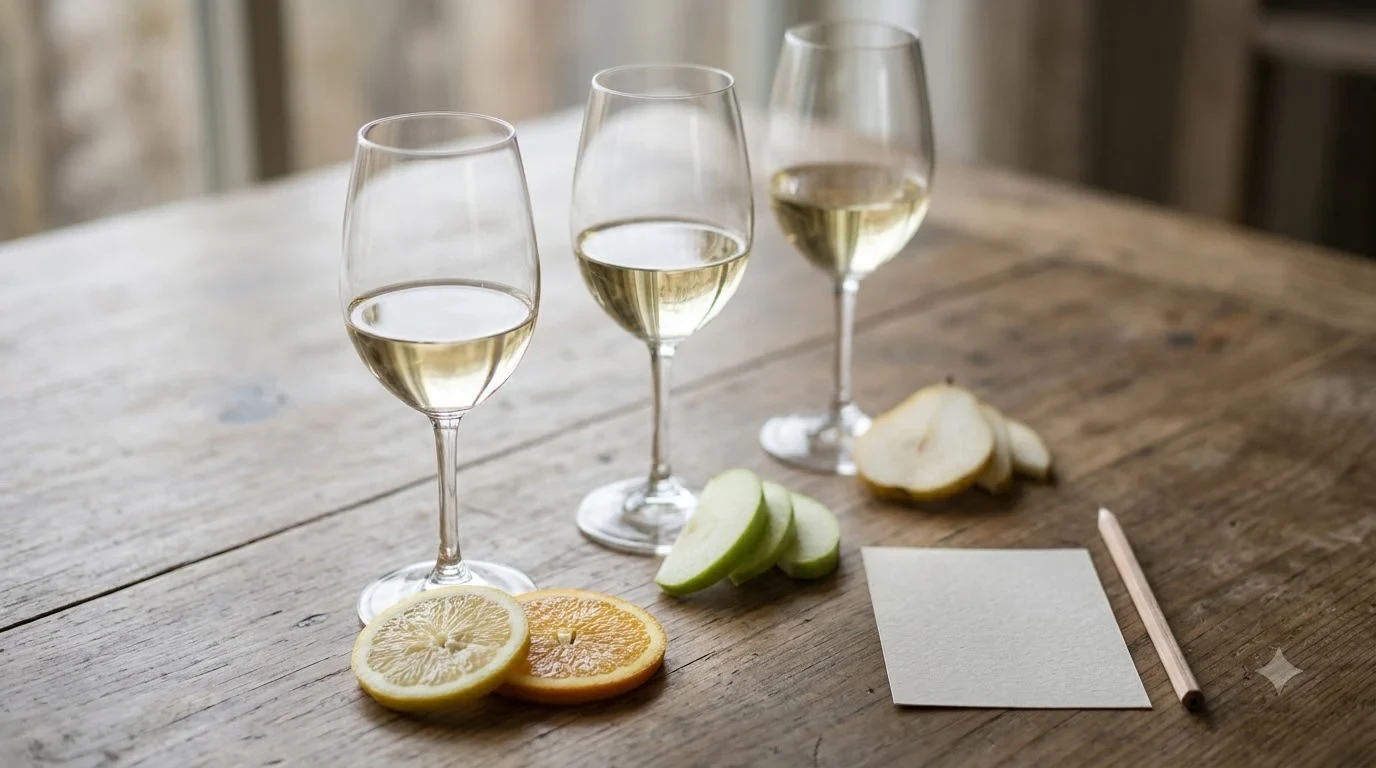
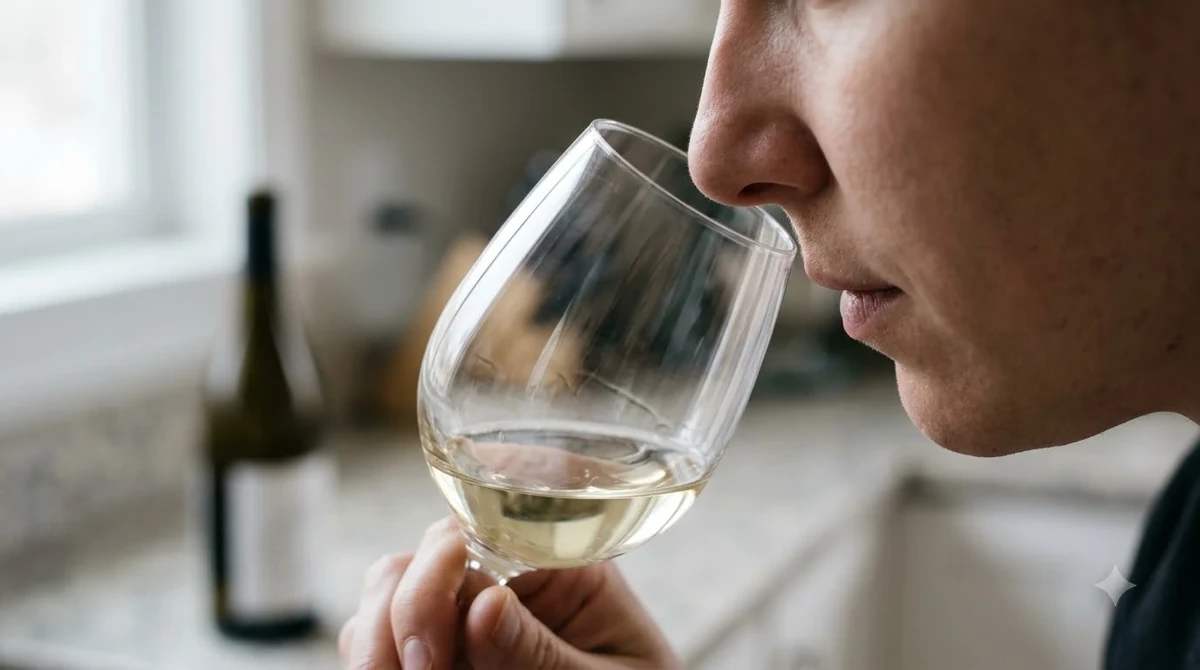
A useful tasting exercise is to smell both wines before taking a sip. Gewurztraminer should reveal its floral and exotic fruit character, while Gruner Veltliner should offer a more restrained combination of apple, citrus, and pepper. After tasting, compare how the acidity affects the finish.
3. Sweetness, Acidity, and Body Compared
Gruner Veltliner is generally the drier and more refreshing choice, while Gewurztraminer is more likely to deliver a rounded texture and noticeable fruit sweetness. Acidity is another important distinction, although both grapes can produce different styles depending on their origins and winemaking.
Most classic Gruner Veltliner wines are fermented to dryness. Their acidity helps balance orchard fruit and spice, creating a clean finish that can make another sip appealing. Light examples are particularly refreshing, while concentrated wines from premium Austrian vineyards can have substantial body and extended finishes.
Gewurztraminer is more variable in sweetness. Dry examples are common, especially in Alsace and Alto Adige, but off-dry and sweet bottlings are also important expressions of the grape. Late-harvest versions can contain considerable residual sugar and display concentrated tropical fruit, honey, and spice.
Its acidity is typically lower than that of Gruner Veltliner. This helps explain why Gewurztraminer can feel rich and broad even when its alcohol and residual sugar are not particularly high. A dry example may therefore taste softer and rounder than an equally dry Gruner Veltliner.
Body also matters. Gewurztraminer generally has a medium-full to full-bodied profile, with aromatic intensity and a substantial palate. Gruner Veltliner ranges from light-bodied wines intended for early drinking to structured, powerful bottlings that can develop complexity with bottle age.
Alcohol can influence these impressions. Riper grapes may produce higher-alcohol wines, adding warmth and weight. When pairing wine with chili-heavy food, remember that alcohol can amplify perceived heat, so a particularly powerful Gewurztraminer may not always be the most comfortable choice for extremely hot dishes.
Tip: Do not assume that Gewurztraminer is sweet simply because it smells like lychee and rose petals. Taste the wine and consider its acidity and finish. A dry Gewurztraminer can be an excellent alternative to richer aromatic whites, while a dry Gruner Veltliner is often the more refreshing choice.
For readers comparing Austria’s signature grape with another aromatic white, the differences in gruner veltliner vs riesling provide another useful reference. Riesling typically offers a different balance of acidity, fruit intensity, and potential sweetness.
4. Growing Regions and Winemaking Styles
Gewurztraminer is strongly associated with Alsace in northeastern France and Alto Adige in northern Italy, while Gruner Veltliner is most closely identified with Austria, particularly Lower Austria. Their regional traditions explain much of the stylistic diversity found in bottles bearing these grape names.
Alsace is one of the most important regions for Gewurztraminer. The wines can be intensely aromatic, full-bodied, and rich, with examples ranging from dry table wines to late-harvest sweet bottlings. The region’s winemakers have a long tradition of producing distinctive varietal wines that emphasize the grape’s floral and spicy qualities.
Alto Adige, in northeastern Italy, is another important home for the variety. Its mountain-influenced conditions allow Gewurztraminer to develop ripe aromas while retaining freshness in suitable vineyard sites. Wines from this area can combine lychee, rose, tropical fruit, and spice with a more focused finish.
Other regions producing Gewurztraminer include Germany’s Pfalz, New Zealand, Washington State, and New York’s Finger Lakes. Climate and harvest decisions can influence the wine considerably. Cooler sites may produce more restrained fruit and fresher acidity, while riper conditions can emphasize richness and tropical aromas.
Gruner Veltliner has its strongest identity in Austria. The Weinviertel, Kamptal, Kremstal, Wachau, and Traisental are important growing areas, each offering different combinations of soil, climate, and winemaking tradition.
The Weinviertel is particularly famous for its peppery expression of the grape. According to the regional wine committee, the area’s distinctive wines range from lively, light-footed styles to concentrated wines with considerable aging potential. Its protected Weinviertel DAC designation is closely connected with typical Gruner Veltliner character.
In the Kamptal and Kremstal, the grape can produce wines with pronounced freshness, mineral impressions, and greater concentration. The Wachau is known for structured examples from carefully selected vineyard sites. These wines can have impressive depth and may evolve over several years.
For further regional context, the Weinviertel DAC’s official description of Gruner Veltliner explains the grape’s characteristic peppery profile and its connection to the region.
Winemaking also influences the final style. Stainless steel fermentation is common when producers want to preserve fresh fruit, floral notes, and crisp acidity. Larger wooden vessels can provide additional texture and complexity without necessarily giving the wine a strong oak flavor.
Gewurztraminer producers often focus on retaining its aromatic character. Fermentation choices, skin contact, and residual sugar management can all influence texture and fragrance. Gruner Veltliner producers likewise adjust their approach according to whether they want a lively young wine or a more concentrated bottle with aging potential.
5. Food Pairings: Which Wine Works Better With Dinner?
Gewurztraminer is generally better suited to intensely aromatic dishes, particularly those containing ginger, fragrant spices, and moderate chili heat. Gruner Veltliner is usually more versatile with lighter meals, seafood, vegetables, poultry, and traditional Central European dishes.
Gewurztraminer’s floral aromas and ripe fruit make it a natural partner for Indian, Thai, Vietnamese, and Moroccan cuisine. Its aromatic intensity can complement ingredients such as lemongrass, ginger, coriander, coconut, and fragrant spice mixtures.
Try dry or slightly off-dry Gewurztraminer with Thai green curry, chicken tikka, Moroccan tagine, or aromatic vegetable stir-fries. The wine’s fruit character can provide a pleasant contrast to spicy seasonings. However, very high alcohol and tannin can amplify chili heat, so a moderately alcoholic example is often a better match for heavily spiced food.
Gewurztraminer also works well with pork, roasted poultry, and rich cheeses. Muenster and other washed-rind cheeses can complement its aromatic character, while blue cheeses provide a salty contrast to sweeter bottlings. A dry version can also accompany roasted squash and dishes containing warming spices.
Gruner Veltliner is an excellent choice for seafood because its acidity refreshes the palate and its relatively restrained aromatics do not overwhelm delicate flavors. Try it with grilled shrimp, steamed mussels, white fish, oysters, or seared scallops.
It also pairs well with vegetables and herbs. Asparagus, green beans, zucchini, fennel, cucumber, and fresh salads can work particularly well. Its peppery character complements dishes containing parsley, dill, chives, and other fresh herbs.
Traditional Austrian food offers some of the best examples of Gruner Veltliner’s versatility. Wiener schnitzel, a breaded and fried cutlet, is a classic pairing because the wine’s acidity helps refresh the palate after each rich bite. It also works with tafelspitz, roast chicken, and mild cheeses.
Gruner Veltliner can also accompany Asian cuisine, particularly dishes that emphasize fresh herbs, vegetables, and moderate seasoning. However, strongly sweet sauces or very intense chili can make a crisp dry example seem less balanced.
Consider the following practical pairing guide:
| Food | Better Choice | Why It Works |
|---|---|---|
| Thai green curry | Gewurztraminer | Floral aromas complement fragrant spices. |
| Wiener schnitzel | Gruner Veltliner | Acidity refreshes the palate after fried food. |
| Grilled shrimp | Gruner Veltliner | Freshness complements delicate seafood. |
| Moroccan tagine | Gewurztraminer | Fruit and spice match aromatic seasonings. |
| Roasted pork | Either | Choose according to seasoning and sauce. |
| Asparagus salad | Gruner Veltliner | Fresh acidity complements green vegetables. |
| Muenster cheese | Gewurztraminer | Rich texture complements aromatic cheese. |
| Blue cheese | Gewurztraminer | Saltiness balances sweeter wine styles. |
| Fresh oysters | Gruner Veltliner | Dryness and acidity suit briny flavors. |
| Ginger chicken stir-fry | Gewurztraminer | Ginger and aromatic fruit create a natural match. |
When choosing between these grapes, also consider the sauce rather than focusing exclusively on the main ingredient. A roasted chicken breast with lemon and herbs may favor Gruner Veltliner, while the same chicken prepared with ginger, coconut milk, and fragrant spices may work better with Gewurztraminer.
Salt and fat can soften the perception of acidity and tannin in food pairings, while sweet dishes generally need a wine at least as sweet as the dessert. These principles are particularly useful when choosing a bottle for a multi-course dinner.
6. Serving Temperature, Glassware, and Storage
Both wines benefit from cool serving temperatures that preserve freshness without hiding their aromas. Gruner Veltliner is usually best served around 45-50°F, while Gewurztraminer can be served in a similar range, with fuller examples benefiting from slightly warmer temperatures.
Serving temperature changes how a wine feels and smells. Excessive cold can suppress the floral aromas of Gewurztraminer and make a Gruner Veltliner seem less expressive. Serving either wine too warm can make alcohol more noticeable and reduce the impression of freshness.
For Gewurztraminer, aim for approximately 45-50°F for most bottles. A fuller-bodied Alsace example may benefit from the warmer end of that range. Light, fresh Gruner Veltliner generally works well at 45-48°F, while a more structured example can be served closer to 50-55°F.
Glassware also makes a difference. A standard white wine glass with a moderately sized bowl works well for both grapes. Gewurztraminer benefits from enough room for its floral and tropical aromas to develop, while a narrower white wine glass can help preserve the freshness of Gruner Veltliner.
Pour approximately 5 ounces per serving. A standard 750-milliliter bottle provides roughly five glasses, making it convenient to serve both wines during a comparative tasting.
Storage is straightforward. Keep unopened bottles in a cool, dark place near 55°F, away from direct sunlight and major temperature fluctuations. Bottles with traditional cork closures should generally be stored on their sides for long-term storage.
Once opened, reseal both wines and refrigerate them. Most still white wines remain enjoyable for approximately 3-5 days, although their aromatic freshness can decline before that period ends. Gewurztraminer’s distinctive perfume may become less expressive after opening, while Gruner Veltliner’s fresh citrus and apple notes can gradually fade.
If serving both varieties at a tasting, pour small samples and begin with Gruner Veltliner before moving to Gewurztraminer. This order allows the more restrained wine to be appreciated before the stronger aromatic profile of Gewurztraminer dominates the palate.
7. How to Choose Between These Two White Wines
The best choice depends on the flavor profile, meal, and drinking occasion you have in mind. Gewurztraminer is ideal when you want aromatic intensity and a fuller texture, while Gruner Veltliner is a reliable choice for freshness, food flexibility, and a drier finish.
Choose Gewurztraminer if you enjoy aromatic wines
If you enjoy floral whites, ripe tropical fruit, and pronounced spice, Gewurztraminer is likely to suit your preferences. Its lychee and rose character makes it particularly recognizable, even among people who are new to exploring different grape varieties.
It is also a good choice when serving flavorful food. A bottle of dry Gewurztraminer can accompany ginger-based stir-fries, roasted pork, aromatic curries, and rich cheeses. An off-dry or sweet example can be especially appealing when the food contains enough sweetness or spice to complement the wine.
Choose Gruner Veltliner if freshness matters most
If you prefer dry whites with refreshing acidity, citrus, orchard fruit, and subtle spice, Gruner Veltliner is generally the better option. It offers a cleaner, more restrained aromatic experience and can work with a wider range of everyday meals.
It is particularly useful for seafood dinners, vegetable dishes, salads, fried foods, and poultry. Its acidity helps refresh the palate, while the peppery finish adds character without making the wine excessively perfumed.
Consider your preferred wine style
People who enjoy Sauvignon Blanc may find Gruner Veltliner appealing because both can provide lively acidity and fresh fruit. However, Gruner Veltliner often has a more savory, peppery dimension. Comparing gruner veltliner vs sauvignon blanc can help clarify the differences between these two refreshing white wine styles.
Those who prefer Pinot Grigio may also enjoy lighter Gruner Veltliner. Both can be crisp, approachable, and suitable for casual meals, although Gruner Veltliner often offers more pronounced spice and acidity. The comparison of gruner veltliner vs pinot grigio provides additional guidance for choosing between them.
Try both in a side-by-side tasting
A comparative tasting is one of the easiest ways to understand the difference. Choose one dry Gewurztraminer and one classic dry Gruner Veltliner, ideally from recognizable regions such as Alsace and the Weinviertel.
Serve both wines in separate glasses at approximately 48°F. First compare their aromas, then take small sips and assess body, acidity, fruit, spice, and finish. Try a bite of lightly seasoned seafood followed by an aromatic ginger dish to see how the wines interact with different flavors.
Pay particular attention to how long the aromas remain after swallowing. Gewurztraminer typically leaves a pronounced floral and tropical impression, whereas Gruner Veltliner often finishes with crisp fruit, herbs, and peppery freshness.
Frequently Asked Questions
Is Gewurztraminer related to Gruner Veltliner?
They are distinct grape varieties, although both are connected to Central European viticulture. Gewurztraminer is associated with the Traminer grape family, while Gruner Veltliner has a documented genetic connection to Traminer and another variety identified in St. Georgen, Austria. They are not simply two names for the same grape.
How do you pronounce Gewurztraminer and Gruner Veltliner?
Gewurztraminer is commonly pronounced guh-VURTS-trah-mee-ner. Gruner Veltliner is approximately GROO-ner VELT-lee-ner. The German umlaut in Grüner is often represented as the letter u when the original character is unavailable.
Can Gewurztraminer be aged for several years?
Yes, although aging potential depends on concentration, balance, producer, and style. Certain premium Alsace Gewurztraminers and late-harvest bottlings can develop additional honeyed, spicy, and savory complexity over time. Many simpler aromatic examples are intended for drinking while their fresh floral and fruit aromas remain prominent.
What does Weinviertel DAC mean on a Gruner Veltliner label?
Weinviertel DAC is a protected Austrian designation of origin associated with wines expressing the regional style of the Weinviertel. The designation was introduced in 2003, making it Austria’s first DAC wine designation. Its classic Gruner Veltliner expression emphasizes fruit, freshness, and characteristic peppery spice.
Is Gewurztraminer suitable for people who usually drink red wine?
Yes. Its fuller body, concentrated fruit, and pronounced aromatic character can appeal to drinkers accustomed to richer red wines. It does not have the tannin structure of Cabernet Sauvignon or Syrah, but its substantial palate weight and spice make it an interesting alternative for meals traditionally served with lighter reds.
Gewurztraminer and Gruner Veltliner are both distinctive white wines, but they serve different preferences and occasions. Choose Gewurztraminer for floral intensity, tropical fruit, and richly seasoned meals; choose Gruner Veltliner for crisp acidity, peppery freshness, and versatile food pairing. Exploring both styles is an excellent way to discover how different grapes and Austrian and Alsatian wine traditions shape the character of white wine.
More in Wine vs Wine
 Chenin Blanc vs Pinot Gris: Acidity, Body, and Pairing DifferencesUpdated Nov 20, 2026
 Chianti vs Lambrusco: How Tuscany and Emilia-Romagna Reds CompareUpdated Nov 20, 2026
 Chianti vs Primitivo: Key Differences in Taste, Body, and PairingUpdated Nov 20, 2026
 Chianti vs Rioja: Key Differences in Taste, Aging, and PairingUpdated Nov 20, 2026
 Chianti vs Shiraz: How Acidity, Body, and Food Pairings CompareUpdated Nov 20, 2026
 Chianti vs Syrah: Key Differences in Taste, Body, and Food PairingUpdated Nov 20, 2026