

We may earn a commission when you buy through links on this page, at no extra cost to you. Learn more.
Gruner Veltliner wine is a dry white from Austria, made from the Grüner Veltliner grape and known for high acidity, citrus and a distinct white pepper note. It is the country’s signature white, and it is most often lean, fresh and savory rather than rich. Because the acidity is so pronounced, it works well with food and is easy to enjoy young.
This guide covers what Grüner Veltliner wine tastes like, where it comes from, how it is served, and what to eat with it. It also explains how to choose a bottle and how to tell the young, zesty styles from the fuller, age-worthy ones.
What Grüner Veltliner wine is
Grüner Veltliner is a white grape variety and the wine made from it is usually dry. Austria is the grape’s home, and Wine Folly’s grape guide calls it the country’s signature white. The name is German: “Grüner” refers to a green tinge in the young wine and the grape’s vineyard character, while “Veltliner” points to the grape family.
Most bottles are single-varietal wines, so the grape alone shapes the flavor. That makes Grüner Veltliner a useful way to learn about a white wine that is clean and structured without being oaky or heavy.
Flavor profile
The defining trait is acidity. Reviewers at Winefolly describe a “signature vein of very high acidity,” which gives most examples a lean, fresh feel on the palate. That acidity comes from tartaric acid, and it keeps the wine lively even when the fruit is ripe.
The aroma usually shows lime, lemon and grapefruit, with green and herbal notes. The white pepper is the grape’s hallmark. Winefolly links it to rotundone, the same compound behind the peppery character of Syrah. Warmer parts of Austria can add riper peach and nectarine, so the fruit can range from zesty to round depending on where the grapes ripened.
| Style | What to expect | Best used for |
|---|---|---|
| Young and zesty | High acidity, lime and white pepper, light body | Drinking now with simple food |
| Fuller and ripe | Peach, nectarine, more texture and weight | Rich dishes and warmer evenings |
| Aged | Deeper, more savory character as the fruit softens | Pairing with hard cheeses and roasted dishes |
Where Grüner Veltliner comes from
Austria is the center of the grape’s world. Winefolly reports that the country accounts for 75 percent of all Grüner Veltliner planted worldwide, and that more than 90 percent of Austria’s plantings are in Niederösterreich, or Lower Austria. The grape is thought to have originated in the eastern part of the country, and the wines are strongly tied to that landscape.
Growers in the region value the grape for holding its acidity, and different sites produce different styles. Vineyards on warmer slopes give riper, rounder wines, while cooler sites give the leaner, more peppery profile that Grüner Veltliner is best known for. Reading the producer and region on the label can tell you a great deal about what you will taste.
How to serve Grüner Veltliner
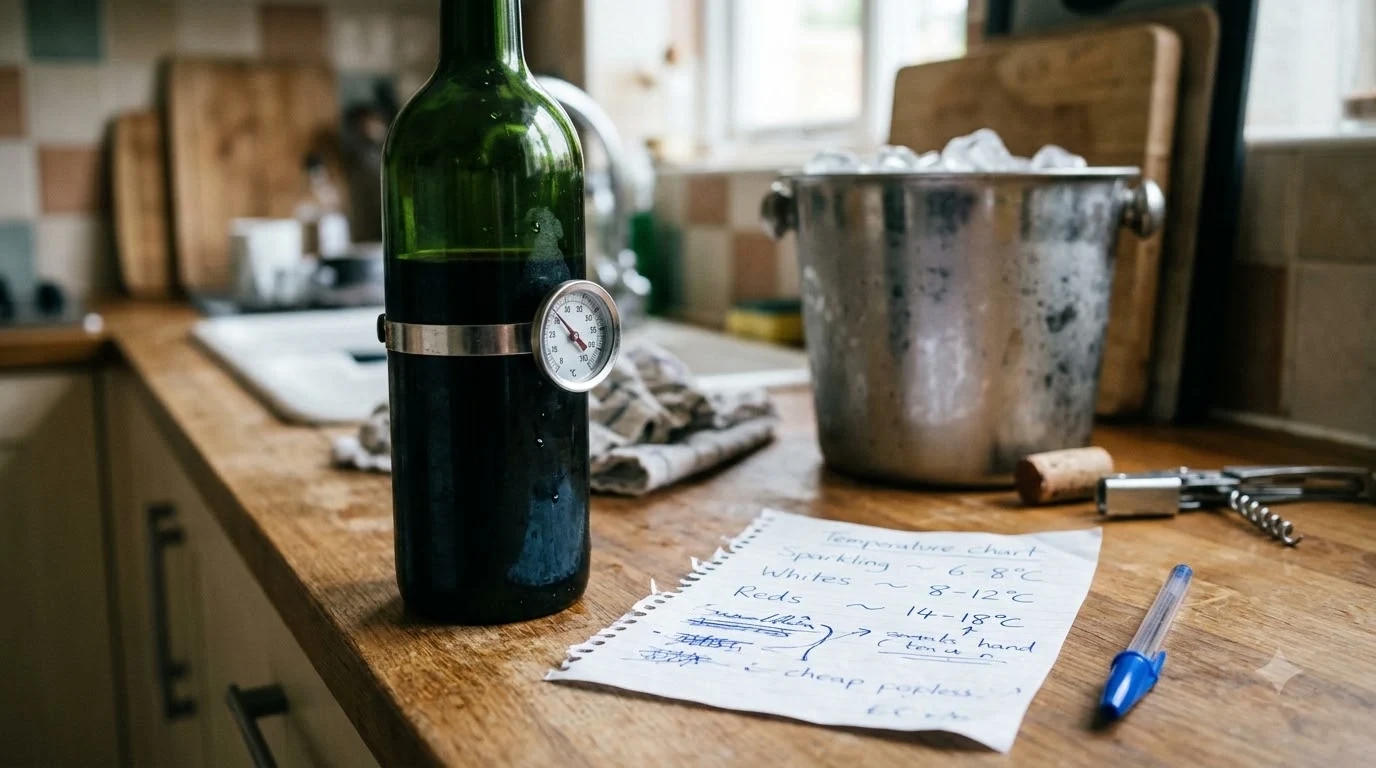
Winefolly recommends a serving temperature of 7 to 12 degrees Celsius, or 45 to 65 degrees Fahrenheit. Zesty, youthful bottles should be well chilled, since the cold keeps the acidity crisp and the pepper focused. Fuller and more age-worthy wines can be served slightly warmer, which lets the fruit and texture come forward.
A standard white wine glass is a good choice. It gives enough room for the aroma to develop while keeping the wine cool in the hand. Pour a moderate amount, since the wine is best when it stays fresh through the meal rather than warming up in the glass.
Food pairings
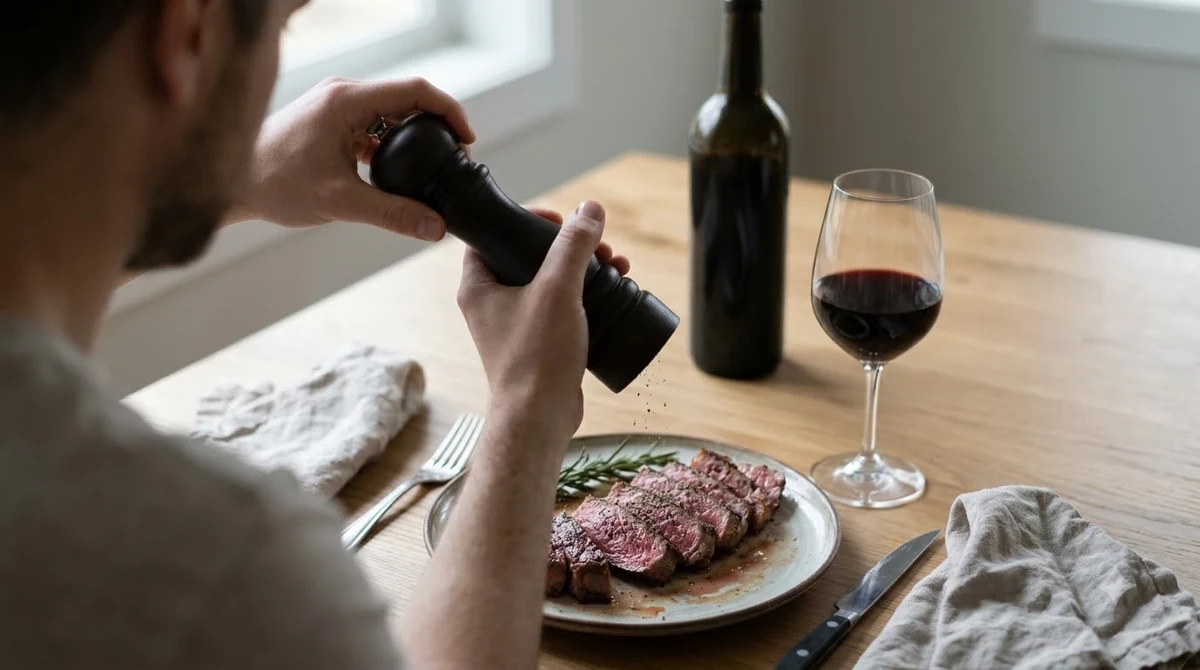
Because the acidity is high, Grüner Veltliner is a strong partner for food that is creamy, fried or fatty. The classic pairing is Wiener Schnitzel, where the acidity cuts through the breading and the richness of the meat. Winefolly also suggests tonkatsu and ramen, two dishes that combine savory broth or crisp coating with bright, fresh flavors.
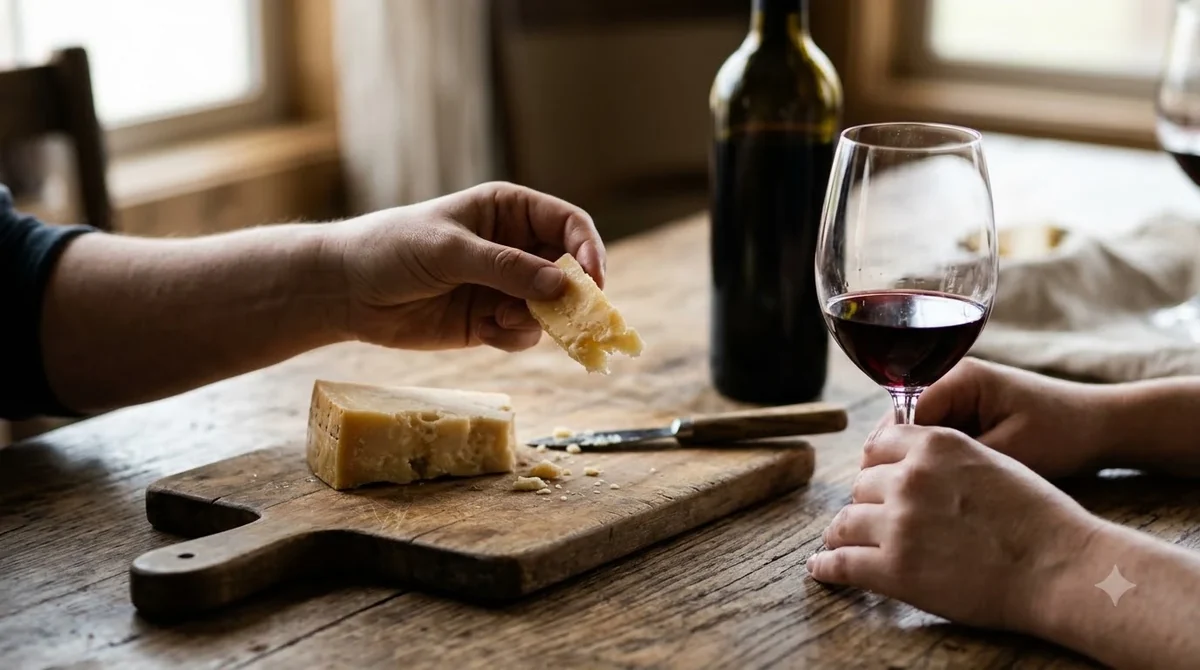
Older bottles suit aged cheeses. Winefolly recommends hard mountain cheeses such as Gruyère or Appenzeller, which share the nutty, savory depth that develops in the wine over time. For a lighter meal, try the wine with fish, salads with citrus dressing, or vegetables with herbs and a little spice.
Tip: If a dish is rich, add a squeeze of lemon or a sharp vinegar. The wine’s acidity will match the brightness, and the meal will feel balanced rather than heavy.
How to choose a bottle
Start by deciding whether you want a fresh, everyday white or a fuller, more complex one. Young Grüner Veltliner is the easiest entry point, and it suits casual dinners and warm weather. Look for the producer’s description of the style, since that is the clearest guide to whether the wine is zesty or ripe.
Price is less useful as a guide than the producer and the style description, since the same grape can appear in very different forms. Read the back label for a tasting note, and compare two bottles from the same producer if you can. The difference in acidity and fruit will tell you more than any rating alone.
The region on the label is also useful. Wines from Lower Austria are the most common, and many producers name specific sites that show the grape’s character in more detail. If you are new to the style, a clear, young wine from a reputable producer is a good first bottle, and you can move toward more structured versions once you know what you like.
How Gruner Veltliner ages
Most bottles are built to be drunk young, while the freshness is at its peak. The acidity that makes the wine lively in its first years also helps it hold together as it develops. Over time the citrus and green notes soften, and the wine can take on a more savory, honeyed or nutty character. That shift is one reason producers describe some bottles as suitable for ageing.
The best ageing candidates are the fuller, riper wines from well-sited vineyards, not the lightest ones. If you are keeping a bottle for a while, buy from a producer who notes that the wine is built for cellaring, and store it somewhere cool and dark. For everyday drinking, a recent vintage is usually the better choice, since the zesty style is the one most people buy for its freshness.
Ageing does not change the grape’s basic character. The pepper and acidity stay recognizable, so an older Gruner Veltliner still tastes like Gruner Veltliner. It simply sounds more rounded and layered, which many drinkers find rewarding with the right food.
Frequently Asked Questions
Is Gruner Veltliner wine sweet or dry?
Most Gruner Veltliner is dry. The style is built on high acidity rather than sugar, which gives the wine its fresh, lean feel. Some producers make riper versions with more fruit, but they are still usually dry on the palate.
What does Gruner Veltliner taste like?
Expect lime, lemon and grapefruit with green, herbal notes and a clear white pepper finish. Warmer sites can add peach and nectarine. The acidity is the feature that most people notice first.
How should I serve Gruner Veltliner?
Serve it cold for young, zesty bottles and slightly warmer for fuller, age-worthy wines. Winefolly gives a range of 7 to 12 degrees Celsius, or 45 to 65 degrees Fahrenheit, as the general guide.
What food goes best with Gruner Veltliner?
Wiener Schnitzel is the classic match, and tonkatsu, ramen and creamy or fried dishes also work well. The acidity cuts through rich food, so it is a useful white for meals that would overwhelm a lighter wine.
Grüner Veltliner rewards anyone who wants a white with real structure and a clean finish. To compare it with a different style, look at cabernet sauvignon wine for a full-bodied red, and explore the Wine by Type guides for more grapes and regions. For the grape itself and how it is grown, read the Gruner Veltliner grape guide.
More in Wine Types & Grapes
 Zinfandel Sugar Content: Dry Red vs. White Zinfandel GramsUpdated Nov 21, 2026
 Best Zinfandel Substitute Options for Sipping and CookingUpdated Nov 21, 2026
 Zweigelt Food Pairing: Best Dishes, Cheeses, and Serving TipsUpdated Nov 21, 2026
 Zinfandel Tannins Explained: How Structure Shapes Every BottleUpdated Nov 21, 2026
 Zinfandel Sweetness Level: Dry Red vs. Sweet White Zin ExplainedUpdated Nov 21, 2026
 Xinomavro Food Pairing: Best Dishes, Styles, and Serving TipsUpdated Nov 21, 2026