

We may earn a commission when you buy through links on this page, at no extra cost to you. Learn more.
Gavi wine grapes are 100% Cortese, a white grape variety grown primarily in southeastern Piedmont, Italy, and known for producing dry, refreshing wines with bright acidity, citrus flavors, green apple, and a characteristic bitter-almond finish. Gavi DOCG is one of Italy’s best-known white wine appellations, with vineyards spread across 11 municipalities in the Province of Alessandria. The wines range from crisp, uncomplicated still whites to more structured Riserva bottlings and traditional-method sparkling wines. Cortese’s naturally fresh character makes Gavi especially appealing with seafood, vegetables, and lighter Italian dishes.
Italy is famous for powerful reds such as Barolo and Barbaresco, but Piedmont also produces distinctive white wines that deserve attention. Gavi is a particularly interesting example because its identity depends on a single grape rather than a blend of several varieties. Understanding Cortese helps explain why Gavi tastes different from many other Italian whites and why its growing area has such an important influence on the finished wine.
What Grape Is Used to Make Gavi Wine?
Gavi is made entirely from Cortese, a traditional white grape variety associated with southeastern Piedmont. The grape gives the wine its characteristic combination of delicate fruit, high acidity, restrained aromatics, and dry finish. Although Cortese is grown in other parts of Italy, its most recognized expression comes from the hills around the town of Gavi.
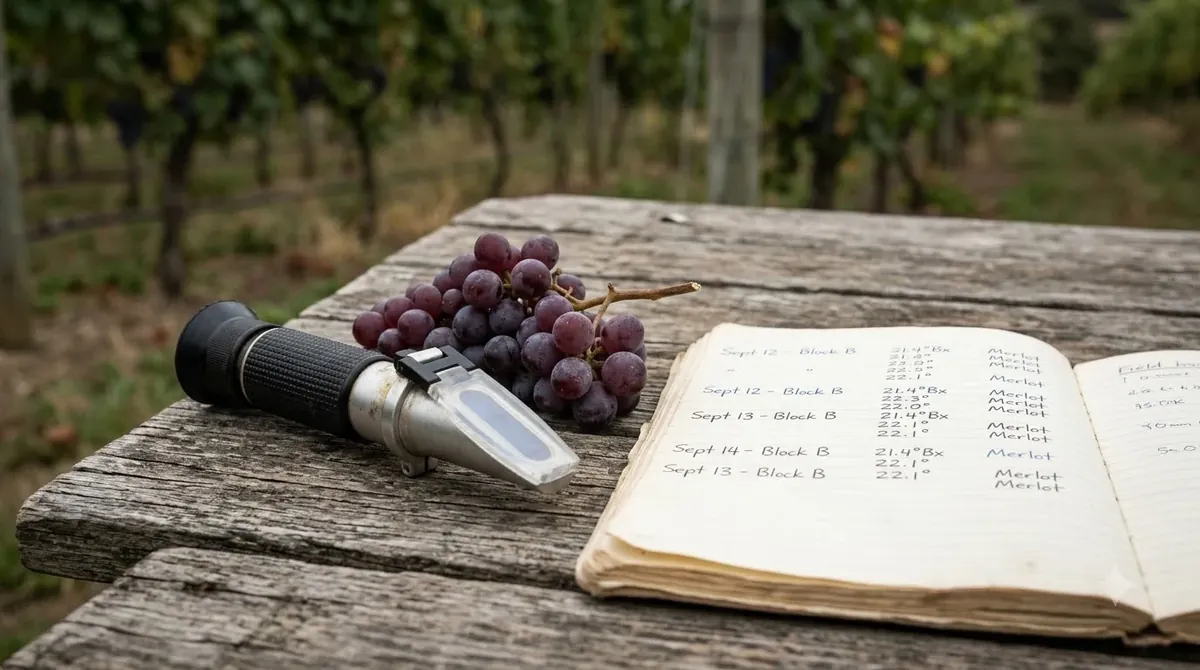
The distinction between the grape and the wine is important. Cortese is the variety, while Gavi is the geographical wine denomination. A bottle labeled Gavi DOCG must follow the denomination’s production rules, including the requirement to use 100% Cortese. Cortese can also appear under other regional wine designations, so not every wine made from this grape is necessarily Gavi.
Cortese has a long history in Piedmont. Historical records and local wine traditions document its cultivation in the Alessandria area over several centuries. Its reputation developed through its ability to produce refreshing, food-friendly white wines that complement the seafood traditions of neighboring Liguria.
The grape is particularly valued for retaining acidity as it ripens. This characteristic helps preserve freshness even when the fruit develops enough maturity to produce a balanced wine. The resulting wines are generally dry, light to medium-bodied, and more restrained than highly aromatic whites such as Gewürztraminer or Moscato.
According to the Piedmont regional agricultural authority, Gavi has a defined production area and uses Cortese exclusively. The official regional description also identifies several permitted expressions, including still, semi-sparkling, sparkling, and Reserve wines. These categories allow producers to express the grape through different production methods without changing its fundamental varietal identity.
For readers exploring other varieties, comparing Cortese with orange wine grapes is useful because skin contact creates a substantially different texture and flavor profile. Traditional Gavi is a white wine made with gentle pressing and fermentation without extended skin maceration.
Where Cortese Grapes Grow in the Gavi Wine Region
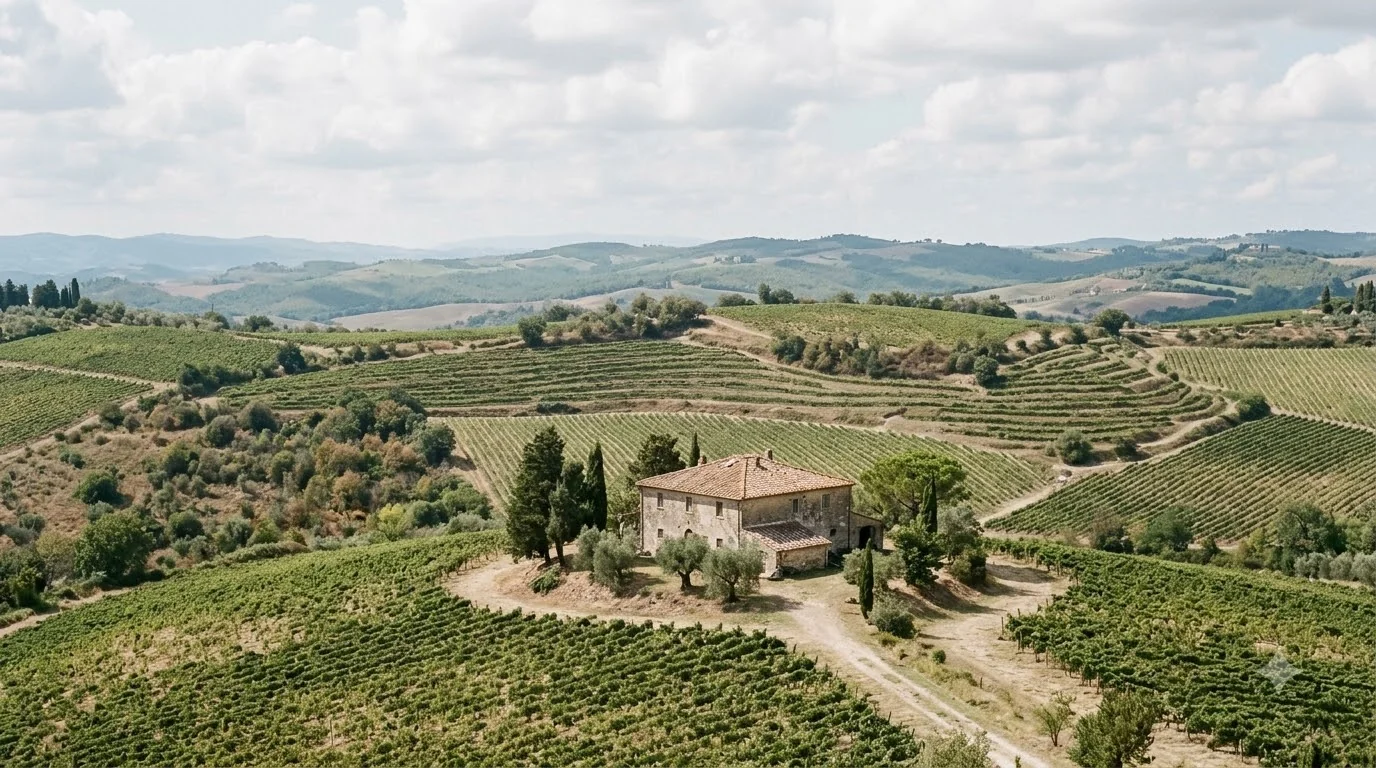
Cortese reaches its most recognized expression in southeastern Piedmont, particularly around Gavi in the Province of Alessandria. The Gavi DOCG production area includes all or parts of 11 municipalities, where hillside vineyards, geological differences, and the influence of nearby Liguria contribute to the wine’s distinctive freshness and mineral character.
The denomination includes Gavi, Bosio, Capriata d’Orba, Carrosio, Francavilla Bisio, Novi Ligure, Parodi Ligure, Pasturana, San Cristoforo, Serravalle Scrivia, and Tassarolo. These communities form a relatively compact winegrowing area in the southeastern corner of Piedmont.
The region occupies an interesting geographical position between the Po Valley and the Ligurian Apennines. Its location gives vineyards access to both continental and maritime influences. Winters can be cool, summers are warm, and coastal breezes help moderate conditions in the growing season.
According to the Gavi Consorzio, the denomination has three broad geological zones. Northern vineyards have red soils associated with ancient alluvial deposits. The central area contains alternating marl and sandstone, while the southern hills feature pale clay marls of marine origin.
These differences help explain why two wines made from the same grape can show different levels of body, texture, and mineral character. A northern site may produce a Cortese with greater weight and fruit concentration, while a southern site can emphasize freshness and a more pronounced stony impression.
The distinction between Gavi and Gavi del Comune di Gavi is also useful when reading wine labels. Gavi del Comune di Gavi identifies wine associated specifically with the municipality of Gavi, rather than the wider denomination. The location can provide additional geographical information, although the producer’s vineyard practices and winemaking decisions remain important to the final style.
Readers interested in the broader geographical setting can explore the Gavi wine region to understand its municipalities, landscape, and relationship with the neighboring wine areas of Piedmont and Liguria.
How Soil, Climate, and Vineyard Conditions Shape Cortese
Cortese is a grape whose natural acidity and restrained fruit expression make vineyard conditions especially important. The combination of hillside exposure, soil composition, and regional climate helps determine whether the finished Gavi emphasizes citrus freshness, orchard fruit, mineral notes, or greater palate weight.
The northern part of the denomination contains red soils derived from ancient deposits of gravel and clay. These soils can support wines with more body and depth. Some northern vineyards also contain iron-rich components that contribute to differences in vineyard development and the character of the fruit.
The central belt between Serravalle Scrivia, Gavi, and San Cristoforo has alternating marl and sandstone. This geological combination provides a middle ground between the broader texture associated with some northern sites and the pronounced freshness associated with southern vineyards.
In the southern part of the denomination, white clay marls of marine origin are particularly important. Fossils found in these soils reflect their geological history. The Consorzio identifies the Serravallian Marls as especially suitable for Cortese because they help express the variety’s distinctive qualities.
Vineyard elevation and slope orientation also matter. The official Gavi production description emphasizes hillside locations rather than valley-floor land. Hillside vineyards provide different drainage, sunlight exposure, and air movement from lower agricultural areas, making their position important for quality winegrowing.
Cortese generally ripens relatively early while retaining a useful level of acidity. This is an important advantage for a white grape intended to produce fresh, dry wines. Harvest timing nevertheless requires attention: picking too early can result in sharp acidity and limited fruit development, while harvesting too late can reduce the crispness that defines the variety.
Growers therefore balance sugar maturity with acidity and flavor development. The goal is not simply to produce grapes with high natural acidity but to harvest fruit with enough ripeness to create a harmonious wine. Site differences and seasonal weather make that decision specific to each vineyard.
Production rules also help control concentration. The EU product specification establishes different maximum grape yields according to the Gavi wine category. More demanding categories have lower permitted yields, encouraging greater control over the quantity of fruit produced per hectare.
| Gavi category | Maximum grape yield | Maximum wine yield |
|---|---|---|
| Still, semi-sparkling, and sparkling Gavi | 9,500 kg/ha | 66.50 hl/ha |
| Gavi Vigna | 8,500 kg/ha | 59.50 hl/ha |
| Gavi Riserva and classic-method Riserva Spumante | 6,500 kg/ha | 45.50 hl/ha |
These figures come from the official EU product specification. They are regulatory maximums, not predictions of the actual yield of every vineyard. Producers may harvest less than the permitted amount depending on site conditions, vintage characteristics, and their desired wine style.
What Gavi Wine Grapes Taste Like
Cortese produces dry white wines with high acidity, a relatively light body, delicate aromatics, and a clean finish. Green apple, lemon, pear, white flowers, and bitter almond are among the most recognizable characteristics, while some examples also show saline, flinty, or broader orchard-fruit notes.
The first impression is usually freshness rather than intense perfume. A young Gavi may open with lemon zest, green apple, and subtle white-flower aromas. The palate often feels brisk and lively, with enough fruit to balance its acidity without creating a sweet impression.
Green apple is a particularly recognizable flavor. It gives the wine a crisp orchard-fruit character that works well with fresh seafood and lightly seasoned vegetables. Pear and white peach can appear in riper examples, providing a softer fruit dimension without taking away the wine’s dry character.
Citrus is another central element. Lemon, grapefruit, and lemon peel can contribute a refreshing impression, especially in wines made to emphasize primary fruit. The intensity of these flavors varies with vineyard location, harvest decisions, and winemaking technique.
The finish often reveals one of Cortese’s defining characteristics: a subtle bitter-almond note. This gentle bitterness provides contrast to the fruit and gives the wine a distinctive ending. It should not be confused with sweetness or excessive bitterness. In balanced examples, it adds complexity to an otherwise delicate flavor profile.
Some wines also show mineral and saline impressions. These descriptions refer to sensory characteristics rather than literal mineral content in the wine. In Gavi, they often accompany the citrus and orchard-fruit flavors, creating an impression of freshness and precision.
The body is generally light to medium. Most standard Gavi wines do not have the richness of heavily oaked Chardonnay or the aromatic intensity of many New Zealand Sauvignon Blancs. Their appeal lies in restraint, acidity, and the ability to complement food.
Alcohol levels vary by producer, vintage, and wine category. The regional authority establishes a minimum total alcoholic strength of 10.50% by volume for Gavi DOCG. Individual bottlings can exceed that minimum while maintaining the variety’s characteristic freshness.
Gavi is generally dry rather than sweet. Its acidity can make the wine seem especially lively, but that sensation should not be mistaken for residual sugar. This makes Cortese a useful choice for drinkers who prefer refreshing white wines with a savory finish instead of pronounced sweetness.
Gavi Wine Styles and Winemaking Methods
Gavi is not limited to one production style. The denomination permits still, semi-sparkling, sparkling, and Riserva wines, allowing Cortese to show different levels of texture and complexity while retaining its recognizable acidity and varietal character.
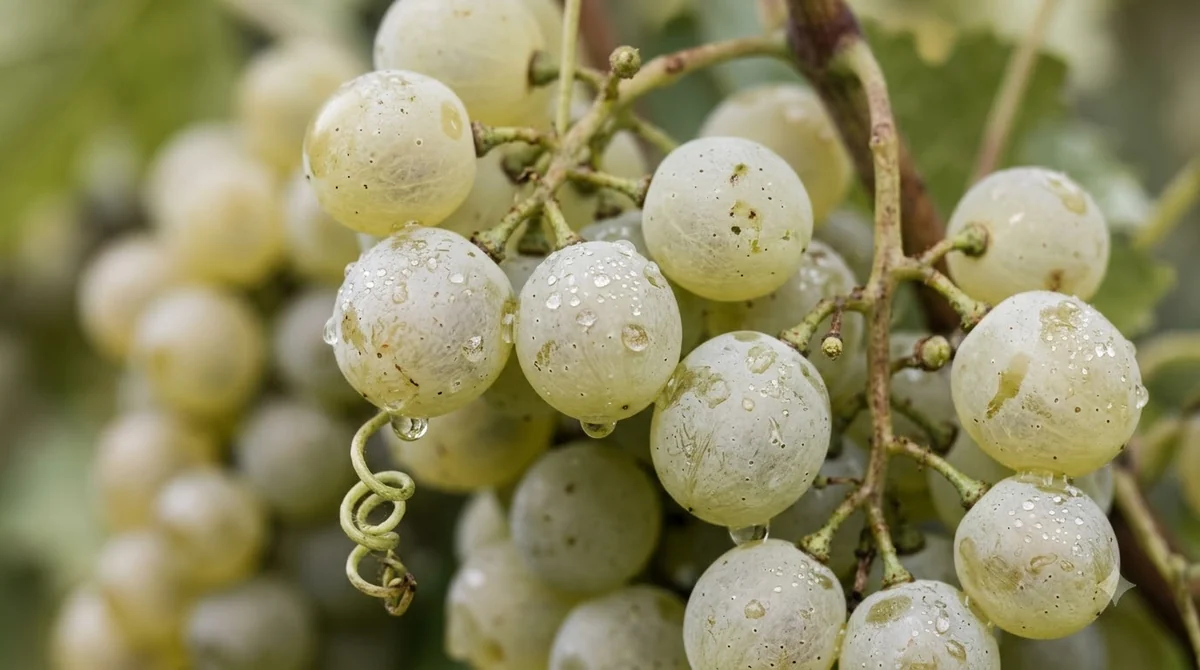
The most familiar expression is still Gavi, often labeled simply Gavi DOCG or Cortese di Gavi. It is generally fermented in stainless steel or other neutral vessels to preserve the grape’s delicate aromas. The result is a dry, crisp white wine with fresh fruit, moderate body, and a clean finish.
Stainless steel is especially useful when the producer wants to retain citrus and green-apple characteristics. Temperature-controlled fermentation helps protect aromatic freshness and supports a consistent fermentation process. Some producers also allow the wine to rest on its lees, which can contribute a little additional texture without making the wine heavily oaked.
Frizzante is the semi-sparkling expression. Its gentle carbonation creates a softer sense of bubbles than a fully sparkling wine. This style can be appealing as an aperitif or alongside light appetizers, particularly during warm weather.
Spumante is the fully sparkling category. Producers can use different methods permitted by the denomination, including the traditional method for designated classic-method wines. Bottle fermentation creates a different texture and can add more complex aromas through contact with yeast lees.
Riserva represents a more structured expression of the denomination. Lower permitted yields and additional aging requirements distinguish this category from standard Gavi. These wines can develop greater palate depth and more complex aromas while preserving the natural freshness of Cortese.
Ageing potential depends on the specific wine. Many uncomplicated Gavi bottlings are intended to be enjoyed while their fresh fruit and acidity remain prominent. More concentrated single-vineyard examples and selected Riserva wines can develop additional complexity over several years.
The contrast between youthful and mature Gavi is particularly interesting. Young examples tend to emphasize lemon, green apple, and fresh floral notes. With bottle development, some higher-quality wines gain more rounded textures and aromas reminiscent of wax, nuts, and flint.
Wine Enthusiast’s coverage of Gavi illustrates this range, featuring examples with fresh orchard fruit as well as more complex wines with savory depth and mineral character. Its Gavi wine reviews and regional coverage provide useful examples of how producers express the same grape through different vineyard and cellar decisions.
Best Food Pairings for Gavi and Cortese
Gavi pairs particularly well with seafood, shellfish, vegetables, and lighter Italian dishes. Its high acidity refreshes the palate, while its restrained fruit and dry finish allow delicate ingredients to remain the focus of a meal.
Seafood is one of the most natural partners. Oysters, shrimp, scallops, and grilled white fish work well because their delicate flavors do not overpower the wine. The citrus character of Cortese also complements lemon-based seafood preparations, while its acidity balances dishes containing olive oil or butter.
Shellfish appetizers are specifically recommended by the Piedmont regional agricultural authority. A plate of chilled shrimp, lightly seasoned mussels, or simply prepared scallops makes a natural match. Gavi can also accompany seafood pasta prepared with garlic, parsley, olive oil, or a light tomato sauce.
Fish dishes benefit from the wine’s fresh acidity. Baked sea bass, grilled branzino, poached cod, and lightly seasoned trout are good choices. The main consideration is preparation: delicate cooking methods generally suit Gavi better than intensely smoky or heavily spiced preparations.
Vegetables offer another excellent pairing opportunity. Grilled zucchini, asparagus, artichokes, and vegetable pies can complement the wine’s fresh character. Herbs such as basil, parsley, and thyme also work well, especially when the dish includes olive oil or a light dressing.
Traditional Piedmontese and Ligurian dishes are particularly interesting partners. Vitello tonnato, which combines chilled veal with a tuna-based sauce, offers richness that the wine’s acidity can balance. Trofie al pesto is another appealing option because Cortese’s freshness complements basil, garlic, cheese, and olive oil.
Cheese can work well when its intensity remains moderate. Fresh goat cheese, young sheep’s cheese, and mild cow’s milk cheeses generally make better partners than strongly aged varieties. The wine’s acidity refreshes the palate and prevents a mild cheese from feeling too rich.
Fried food is another good match. Lightly battered calamari, fried zucchini, and seafood fritters benefit from the wine’s refreshing acidity. Salt can also soften the perception of bitterness and make the combination feel more balanced.
There are a few combinations to approach carefully. Very sweet desserts can make a dry Gavi taste sharp and thin because the wine lacks the sweetness needed to balance the dish. Highly spicy preparations can also make alcohol and acidity seem more pronounced. For chili-heavy food, a softer, lower-alcohol wine is usually a better choice.
Oily fish and strongly tannic red wines are a less natural combination, but Gavi avoids that particular issue because it is a white wine with very little tannin. For richer fish dishes, a fuller-bodied Cortese with some lees-aged texture may provide a better match than a particularly lean, young bottling.
How to Serve, Store, and Age Gavi Wine
Serve Gavi chilled, generally around 45–50°F for a fresh, light-bodied white wine. This temperature helps preserve its citrus aromas, lively acidity, and delicate floral character without suppressing the flavors that make Cortese distinctive.
A wine served too warm can seem softer and less refreshing. If the bottle has been sitting at room temperature, chilling it before serving will help restore its balance. Avoid leaving the wine in the freezer for an extended period because excessive chilling can hide its subtle aromas.
Use a standard white wine glass with enough bowl space to allow the aromas to develop. A smaller white wine glass is suitable for youthful Gavi, while a slightly larger bowl can be helpful for more structured Riserva wines. There is no need for a specialized glass to enjoy the variety.
Decanting is generally unnecessary for standard Gavi. Most examples are designed to be enjoyed directly from the bottle, and prolonged exposure to air can reduce the freshness of their delicate citrus and floral notes. A more mature, complex Riserva may benefit from a brief period in the glass before drinking.
Pour approximately 5 ounces per glass. A standard 750 ml bottle provides about five such servings, making it a practical choice for a small dinner gathering. For a meal with several courses, the wine can be served with appetizers and seafood before moving to a different wine for heavier dishes.
Tip: Chill Gavi to 45–50°F before serving, then allow it to warm slightly in the glass if its aromas seem restrained. This approach preserves its refreshing acidity while giving the green-apple, lemon, and almond notes room to develop.
Most everyday Gavi is best enjoyed young, generally within two or three years of the vintage. During this period, the wine retains its most vivid fruit character and refreshing acidity. It is an excellent choice for drinkers who prefer white wines with a crisp, uncomplicated profile.
More ambitious wines can age longer. Selected single-vineyard bottlings and Riserva wines may develop for five years or more, depending on concentration, acidity, vintage, and cellar conditions. With age, some examples become broader and more textured, showing additional nutty and waxy notes alongside their original mineral character.
Store unopened bottles in a cool, dark location with a relatively stable temperature near 55°F. Keep cork-finished bottles on their sides to help maintain contact between the cork and wine. Avoid locations near ovens, radiators, windows, or other sources of heat and temperature fluctuation.
Once opened, reseal the bottle and keep it refrigerated. Most still white wines retain reasonable quality for approximately three to five days, although the freshest aromas are usually most apparent during the first few days. A sparkling Gavi should be sealed with a suitable sparkling-wine stopper and generally enjoyed within one to three days.
Frequently Asked Questions
Is Cortese used in wines outside Gavi?
Yes. Cortese also appears in wines such as Cortese dell’Alto Monferrato, Colli Tortonesi, and Piemonte Cortese. The grape is also known as Bianca Fernanda in parts of Veneto, where it is used in small quantities. These alternative names and denominations demonstrate that Gavi is the grape’s most famous expression rather than its only possible wine destination.
What does Gavi del Comune di Gavi mean?
The designation identifies Gavi produced from grapes associated specifically with the municipality of Gavi. It distinguishes that geographical origin from the wider DOCG area, which extends across 11 municipalities. The wording provides more precise information about where the grapes were grown, rather than identifying a different grape variety.
Is Cortese related to the Glera grape used in Prosecco?
No. Cortese and Glera are separate white grape varieties with different identities and traditional uses. Glera is the principal grape associated with Prosecco, while Cortese is the grape behind Gavi. Although both can be used to make sparkling wines, their typical still-wine expressions differ in aroma and flavor.
Does Gavi have an Italian DOCG classification?
Yes. Gavi received DOCG recognition in 1998, Italy’s highest traditional wine denomination classification. This designation establishes rules governing its geographical production area, grape variety, yields, and permitted wine categories. It also distinguishes officially designated Gavi from other wines made with Cortese elsewhere.
Can Cortese grapes be used to make orange wine?
Cortese can be used in experimental skin-contact winemaking, although this is not the traditional Gavi style. Extended contact between grape skins and juice can introduce additional color, texture, phenolic grip, and more pronounced savory flavors. Such a wine should not automatically be considered Gavi DOCG, since it must comply with the denomination’s production requirements to use that designation.
Gavi offers a distinctive expression of Cortese, combining the freshness of a high-acid white grape with the geological diversity of southeastern Piedmont. From young, citrus-driven bottles to more complex Riserva wines, the variety provides several styles for different occasions. For anyone interested in Italian white wine, understanding Cortese is an excellent starting point for discovering what makes Gavi special.
More in Wine Regions
 Willcox Wine Trail: Discover Arizona’s High-Elevation Wine CountryUpdated Nov 20, 2026
 Yakima Valley Wine Region: Find the Best Styles to TryUpdated Nov 20, 2026
 Vosne Romanee Wine Tasting: Identify Aromas and Choose Better PairingsUpdated Nov 20, 2026
 Yakima Valley Wine Festival: Find the Best Seasonal Wine EventsUpdated Nov 20, 2026
 Wales Vineyards: Discover Cool-Climate Wines and Where to VisitUpdated Nov 20, 2026
 Yountville Wine Festival: Discover Napa Wines and Local FoodUpdated Nov 20, 2026