

We may earn a commission when you buy through links on this page, at no extra cost to you. Learn more.
Gavi wine is a dry white from Piedmont in northwest Italy, made only from the Cortese grape. It is usually crisp and lean, with citrus and mineral notes and bright acidity. It is served chilled with seafood, salads and light vegetable dishes. The name refers to a protected appellation, so a bottle labeled Gavi has to come from a defined area and follow set production rules.
If you have seen Gavi on a restaurant list or in a wine shop and wondered what makes it different from other Italian whites, this guide covers the essentials. It explains where the wine comes from, how the grape behaves in the vineyard, what the bottles usually taste like, and how to serve and pair them at home.
What Gavi Wine Is
Gavi is a white wine that carries the name of a town in the southeastern corner of Piedmont, close to the border with Liguria. The wine is made from one grape variety, Cortese, which is native to the area. Wine writers often describe Gavi as a regional specialty because almost all of its character comes from that single grape and the hillside vineyards where it grows.
The appellation is formally called Gavi DOCG. The DOC status arrived in 1974, and the wine was raised to DOCG in 1998. According to VinePair’s illustrated guide to Cortese, the rules cover the grape, the permitted zone and the way the wine is made, which is why two bottles of Gavi from different producers usually share a family resemblance.
Gavi is not one single style. Most of what you find on shelves is still, dry white wine, but the rules also allow sparkling versions, including a niche metodo classico style made with the same grape.
Where Gavi Grows
The Gavi zone sits in the Province of Alessandria. Eleven communes are included in the DOCG, among them the town of Gavi itself, along with places such as Novi Ligure, Serravalle Scrivia and Tassarolo. Wine made from vines in the town of Gavi can carry the longer label Gavi di Gavi, which many producers use to signal a site they consider especially well suited to the grape.
Cortese has a long history in this area. Documents referring to the grape go back to the early seventeenth century, which makes it one of the older named white varieties in the region. The vines are vigorous and produce medium-large clusters of golden-yellow berries.
| Feature | What to know about Gavi |
|---|---|
| Grape | Cortese, made as a single-variety wine |
| Region | Southeastern Piedmont, Province of Alessandria |
| Communes in the DOCG | Eleven, including the town of Gavi |
| Classification | DOC from 1974, DOCG from 1998 |
| Usual style | Dry, still white with citrus and mineral notes |
Flavor and Styles
A typical Gavi shows green apple, lemon peel and white flowers, often with a chalky or saline edge that gives the finish some length. Acidity is the defining feature. Cortese is naturally high in acid, and the best producers balance that bite with ripe fruit rather than letting the wine taste thin.
The range of styles is wider than many drinkers expect. Lighter examples work as a simple aperitif, while richer, more layered bottles from carefully managed vineyards can handle a little oak or a longer time on the lees. Critics do not all agree on how far Gavi can go. Some reviewers say the style is rarely complex at the lower end, and that high prices do not always match what is in the glass. A careful buyer reads the producer’s notes and compares several bottles before deciding what suits them.
Cortese yields need to be managed closely. The grape produces a large crop, and when the vines are allowed to overcrop, the wine can taste neutral with sharp acidity. Producers that keep yields in check tend to make the most expressive Gavi.
How to Serve Gavi
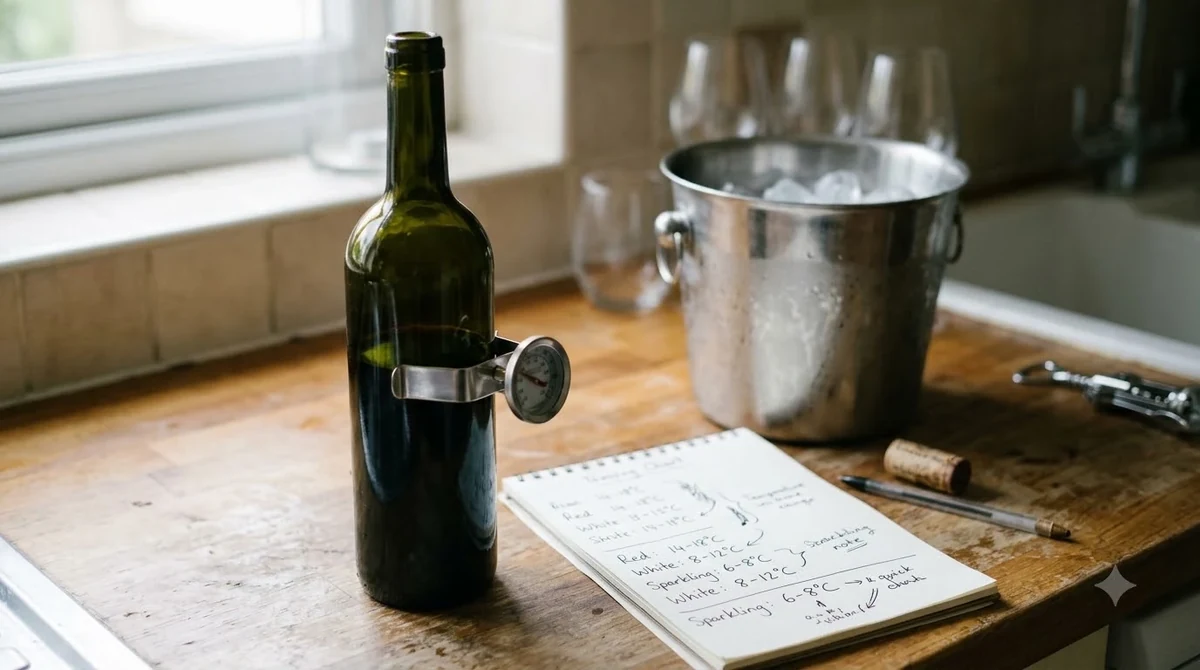
Gavi is best served cold but not icy. Chilling the bottle in the fridge for a couple of hours is usually enough, and a short rest on the counter before pouring lets the aromas open up. A standard white wine glass with a slightly narrow bowl helps concentrate the citrus and floral notes without pushing too much acidity forward.
There is no need to decant a young Gavi. The wine has little tannin and benefits from fresh air only in the sense of letting it warm slightly as you drink it. Bottles can be enjoyed within a year or two of release, and many producers recommend drinking them young to keep the fruit bright.
If you want a broader picture of how Italian wine regions differ from one another, the guide to Italian white wines places Gavi alongside other northern styles and shows where it fits in the country’s range.
Food Pairing
Gavi pairs well with food that matches its brightness. Grilled or fried seafood, oysters, clams and simple shellfish pasta all suit the wine, because the acidity cuts through oil and salt and lifts the flavor of the fish. Fresh goat cheese, herb salads and vegetable dishes dressed with lemon also work.
The wine is also a useful partner for lighter Italian dishes, such as risotto with peas or a plate of antipasti with cured fish and marinated vegetables. Heavier red-sauce pasta, rich braises and cheese-heavy dishes are less of a match, since the wine has little body to stand up to them.
How to Choose a Bottle
When you shop for Gavi, start by checking the label for the words Gavi DOCG and the name of the producer. A bottle that says Gavi di Gavi comes from the town itself, which some buyers prefer. Look for the vintage, since young bottles tend to show more freshness, and read the back label or producer notes for clues about whether the wine was aged on the lees or kept in steel.
If you are new to the wine, choose a basic, clean bottle from a well-known producer and drink it with food. If you want to explore further, compare a richer Gavi with a crisp white from elsewhere, such as a Loire Valley bottle from Sancerre wineries, to see how Cortese differs from Sauvignon Blanc.
Price is not always a reliable guide to quality in this category. Because the grape is productive and the wine is widely available, some everyday bottles are very good value, while a few higher-priced examples simply taste louder without being more interesting. Tasting notes from several sources, read together, give a better sense of style than a single glowing review. Look for words such as “fresh,” “saline” or “textured,” which tend to describe the wine’s character, and treat vague praise with more caution.
Frequently Asked Questions
Is Gavi a sweet wine?
No. Gavi is normally dry. Its acidity is high and the flavors lean toward citrus and minerals rather than sugar. Some sparkling styles can be drier or sweeter depending on the producer, so check the label for the sweetness level.
What does Gavi taste like?
Most Gavi shows lemon, green apple and white flowers, with a mineral or chalky finish. The wine is light to medium in body and tends to feel crisp on the palate, which is why it works well as an everyday white.
Is Gavi a good wine for beginners?
It can be. Gavi is approachable, with clear fruit and a clean finish that makes it easy to enjoy without food. Beginners often find it a good bridge between light, fruity whites and more structured Italian bottles.
Can Gavi be aged?
Most Gavi is made to drink young, within a year or two of the vintage. Some well-made bottles from strong vintages can develop more texture with a few years in the cellar, but the wine is not usually built for long aging.
Gavi is a practical choice for anyone who wants a crisp Italian white that fits seafood, salads and warm-weather meals. Start with a bottle from a known producer, serve it properly chilled, and use the wine regions guide to explore similar whites from other parts of Europe.
More in Wine Regions
 Willcox Wine Trail: Discover Arizona’s High-Elevation Wine CountryUpdated Nov 20, 2026
 Yakima Valley Wine Region: Find the Best Styles to TryUpdated Nov 20, 2026
 Vosne Romanee Wine Tasting: Identify Aromas and Choose Better PairingsUpdated Nov 20, 2026
 Yakima Valley Wine Festival: Find the Best Seasonal Wine EventsUpdated Nov 20, 2026
 Wales Vineyards: Discover Cool-Climate Wines and Where to VisitUpdated Nov 20, 2026
 Yountville Wine Festival: Discover Napa Wines and Local FoodUpdated Nov 20, 2026