

We may earn a commission when you buy through links on this page, at no extra cost to you. Learn more.
Garnacha tasting notes typically feature ripe strawberries, raspberries, cherries, and plums, supported by Mediterranean herbs, baking spices, and a smooth, medium-bodied palate. This Spanish red grape, also known as Grenache, generally produces dry wines with medium acidity, low-to-medium tannins, and relatively high alcohol. Depending on its growing region and winemaking, Garnacha can range from fresh, juicy, and approachable to concentrated, earthy, and complex.
Garnacha is one of Spain’s most versatile red grapes, particularly in Aragón, where it has a long history and remains an important part of regional winemaking. Its naturally ripe fruit character makes it easy to recognize, but the grape offers considerably more than simple berry flavors. Vineyard altitude, climate, vine age, fermentation, and oak aging can all influence what appears in the glass. Understanding these differences makes it easier to identify Garnacha, choose a style, and find the right food pairing.
Garnacha Flavor Profile: Fruit, Herbs, and Spice
Garnacha typically combines ripe red-fruit aromas with gentle herbal and spicy characteristics. Strawberry, raspberry, and cherry form the central flavor profile, while plum, pepper, and Mediterranean herbs provide additional complexity.
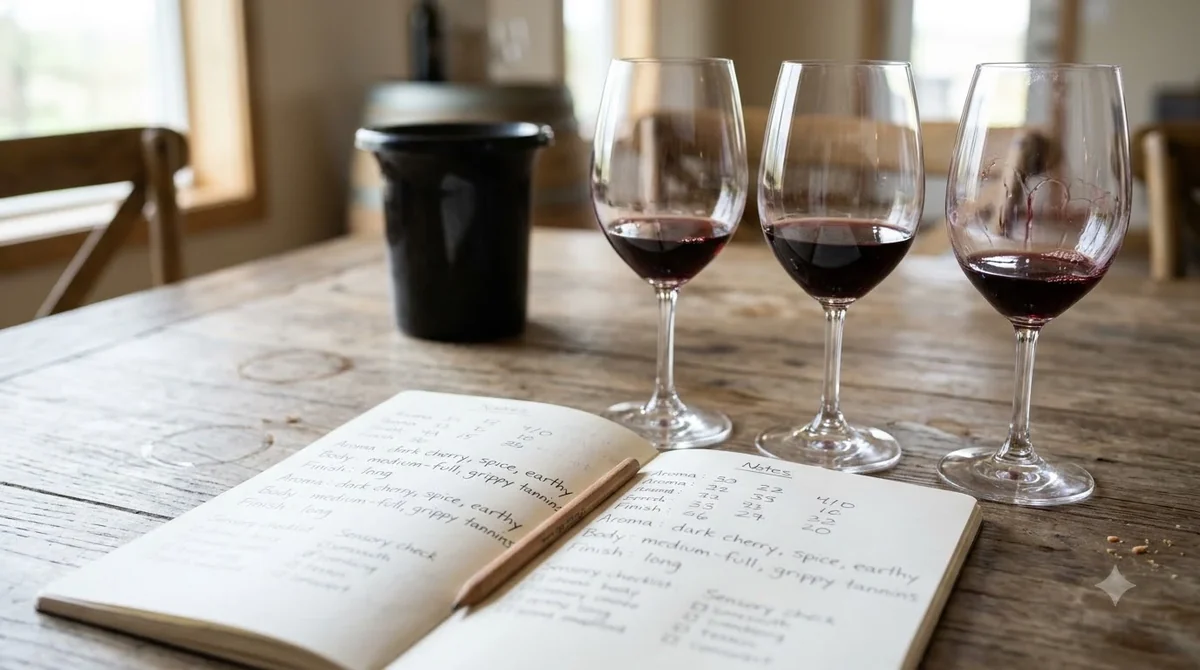
Fresh Garnacha often opens with an expressive aroma of strawberries and raspberries. These fruits can smell freshly picked, lightly crushed, or fully ripe, depending on the growing conditions and harvest decisions. Cherry is another common characteristic, sometimes resembling juicy red cherries and sometimes leaning toward darker, more concentrated fruit. Plum frequently appears as the wine develops, adding a rounder impression to the aromatic profile.
Although red fruit is the most recognizable feature, Garnacha can develop several layers of secondary aromas. Thyme, rosemary, and dried Mediterranean herbs may provide a savory counterpoint to its ripe fruit. Black pepper and cinnamon can contribute a gentle spice character, while certain examples show hints of orange peel, licorice, or dried flowers. These notes are particularly interesting in wines made from carefully selected vineyard sites.
With bottle age or extended oak maturation, the flavor profile can become more complex. Tobacco, leather, earthy spices, and sometimes truffle-like aromas may emerge alongside the original fruit. The fruit itself can shift from fresh strawberry and raspberry toward dried cherry, fig, and baked plum. These changes do not mean that every mature Garnacha will develop the same characteristics; vineyard conditions and cellar practices have a substantial influence.
Garnacha’s aromas can also create an impression of sweetness even when the wine is technically dry. Very ripe strawberries, baked plums, and sweet-smelling spices can suggest a soft, almost confectionary character. This aromatic impression should not be confused with residual sugar. Most conventional dry red Garnacha wines are fermented to dryness, with their apparent sweetness coming primarily from ripe fruit aromas and alcohol.
For a useful comparison, Grenache tasting notes describe the same grape under its French name, making it easier to recognize shared characteristics across different wine regions.
Sweetness, Acidity, Tannin, and Body
Most Garnacha red wines are dry, medium in acidity, low to medium in tannin, and medium to full-bodied. Their combination of ripe fruit, moderate freshness, and relatively soft structure gives them a rounded, approachable character.
Sweetness is one of the first characteristics worth separating from fruitiness. A Garnacha can smell strongly of ripe cherries, strawberries, or baked plums without containing significant residual sugar. On the palate, a typical dry example finishes without the persistent sugary sensation associated with dessert wines. Some specialized Garnacha styles are sweet, but these should be distinguished from the standard dry red expression.
Acidity generally sits in the medium range, although warmer growing conditions and very ripe fruit can make certain wines seem softer. The acidity provides enough freshness to balance the grape’s generous fruit character, especially when the wine comes from a cooler or higher-altitude vineyard. Wines from different Spanish appellations can therefore feel noticeably different even when they are made from the same grape.
Tannin is usually less aggressive than in Cabernet Sauvignon or many Syrah wines. Garnacha’s relatively light color and generally pleasant tannic structure contribute to a softer sensation across the gums and cheeks. Tannin can nevertheless increase in concentrated wines, particularly when water stress, extraction, skin contact, and aging are managed to build additional structure.
Body depends on ripeness, vineyard conditions, and winemaking. A lighter Garnacha can feel juicy and relatively easygoing, while a concentrated old-vine example may feel broad, warm, and substantial. Alcohol can contribute to this fuller impression, particularly in wines made from grapes harvested after a long, sunny growing season.
| Characteristic | Typical Garnacha Profile | What You Notice |
|---|---|---|
| Sweetness | Dry | Ripe fruit without pronounced sugar |
| Acidity | Medium | Moderate freshness and balance |
| Tannin | Low to medium | Soft, rounded mouthfeel |
| Body | Medium to full | Juicy to relatively weighty texture |
| Alcohol | Often high | Noticeable warmth on the finish |
| Primary fruit | Strawberry, raspberry, cherry | Ripe red-fruit character |
| Secondary aromas | Herbs, pepper, cinnamon | Savory and spicy complexity |
These characteristics provide a useful starting point rather than a fixed formula. A cool-site Garnacha may have more noticeable freshness, while a warm-climate example can emphasize ripe fruit, alcohol, and body. The best way to understand the grape is to consider how these elements work together rather than judging it by one characteristic alone.
How Spanish Regions Change Garnacha Flavor
Aragón is Garnacha’s historical heartland, but Spain’s different growing regions produce distinct expressions of the grape. Campo de Borja, Cariñena, Calatayud, Rioja, and Priorat offer useful examples of how altitude, soil, and climate influence aroma and structure.
Campo de Borja is particularly closely associated with Garnacha and is sometimes called the Empire of Garnacha. The region lies in Zaragoza province, between the Iberian System mountains and the Ebro Valley. Its vineyards experience continental climatic influences, including north winds and Mediterranean summer conditions. The wines commonly show deep color, ripe fruit, floral aromas, and a full-bodied palate with soft, silky tannins.
The region’s vineyard altitude creates meaningful variation. Some wines are warm, generous, and complex, while others show more subtle fruit and a fresher overall impression. Campo de Borja received its Designation of Origin recognition in 1980. Its combination of climate, soil diversity, and Garnacha tradition makes it a useful reference point when exploring Spanish expressions of the grape.
Cariñena is another important Aragón appellation, with extensive Garnacha plantings. Its wines can emphasize ripe cherries, raspberries, and herbs, sometimes with a fuller texture from warm growing conditions. The regional style varies by vineyard and producer, so bottles from different elevations may show different degrees of freshness and concentration.
Calatayud is known for mountainous vineyards and old-vine Garnacha. Higher-altitude sites can preserve freshness while producing concentrated fruit flavors. The wines may show red berries, dark cherries, earthy minerals, and a more structured finish. Some examples combine generous fruit with a firm enough framework to benefit from bottle aging.
Rioja offers another recognizable interpretation. Garnacha is used both as a blending grape and in single-variety bottlings. Its contribution often includes red fruit, additional body, and aromatic richness. Depending on the producer and aging, Rioja Garnacha can show earthy notes, spice, and a more developed character than a straightforward young red.
Priorat, in Catalonia, is associated with concentrated, powerful Garnacha wines. Black cherry, dark berries, licorice, herbs, and mineral impressions can appear, particularly in wines from distinctive hillside vineyards. These examples can feel more structured and full-bodied than simpler, fruit-forward Garnacha bottlings.
For a closer look at how Spanish growing conditions influence the grape, the Garnacha profile published by Wines from Aragón describes the region’s characteristic red-fruit aromas, dried herbs, acidity, and food pairings.
Navarra produces expressive Garnacha rosés, while Terra Alta is recognized for both red and white Garnacha expressions. These regions demonstrate why the grape’s name alone cannot fully predict the wine’s final character.
Young, Old-Vine, and Oak-Aged Garnacha Styles
Garnacha is made in several distinct styles, from fresh young reds to concentrated old-vine wines and oak-aged bottlings. The differences are most apparent in fruit intensity, texture, spice, and the development of savory aromas.
Young Garnacha generally emphasizes primary fruit. Strawberry, raspberry, cherry, and plum are usually the most noticeable characteristics. These wines tend to have a relatively straightforward aromatic profile, with soft tannins and an easy-drinking texture. They are often released without extended aging to preserve the grape’s fresh fruit expression.
Young wines can be particularly appealing when slightly chilled. Their fruit-forward character makes them suitable for casual meals, grilled vegetables, roasted poultry, and Spanish tapas. They do not necessarily need decanting, although giving a wine a few minutes in the glass can help its aromas become more expressive.
Old-vine Garnacha can deliver greater concentration and complexity. Older vines may produce smaller crops under particular growing conditions, potentially resulting in fruit with greater concentration. These wines can show layers of red and dark fruit, herbs, spice, and earthy notes. However, vine age alone does not guarantee quality; vineyard management, growing conditions, and winemaking remain important.
Some old-vine bottlings combine freshness with a surprisingly substantial palate. Their aromas may include ripe cherries, dried strawberries, thyme, and pepper, followed by a longer finish with earthy or mineral characteristics. Depending on the region, the wine may feel elegant and restrained or rich and powerful.
Oak-aged Garnacha develops a different set of characteristics. Oak can contribute vanilla, baking spices, toast, and subtle woody aromas. With additional bottle age, these elements may integrate with the grape’s fruit and produce a more layered profile. French oak is used by some producers, while other winemakers favor vessels that contribute less obvious oak character.
Not every oak-aged wine tastes heavily oaked. The size and age of the barrel, length of maturation, and winemaker’s approach influence how noticeable the wood becomes. Some producers prioritize fruit expression, using oak mainly to help the wine develop texture and complexity rather than introducing dominant vanilla or toast flavors.
Other Garnacha expressions
Garnacha rosé provides a lighter alternative to red wine, with strawberry, watermelon, citrus, and floral aromas. It typically emphasizes freshness and fruit rather than tannin. White Garnacha, made from the white-berried mutation, can offer citrus, peach, flowers, herbs, and sometimes a richer texture. These styles demonstrate the grape family’s versatility beyond traditional red wine.
Garnacha can also appear in sparkling and sweet wines. Sweet fortified examples may show dried fruit, jam, leather, coffee, and cocoa, while sparkling versions can emphasize fresh fruit and floral aromas. These wines have different structural and serving characteristics from standard dry red Garnacha.
The WSET explanation of Grenache and Garnacha also describes the grape’s different mutations, its suitability for warm, dry vineyards, and the range of styles produced from the variety.
Food Pairings for Garnacha Red Wine
Garnacha pairs particularly well with grilled meats, roasted poultry, lamb, Spanish tapas, and Mediterranean vegetables. Its ripe fruit, moderate acidity, and generally soft tannins complement savory dishes without overwhelming them.
Roasted lamb is one of the strongest matches for a fuller-bodied Garnacha. The wine’s ripe cherry and plum flavors complement the meat’s savory richness, while herbs such as rosemary and thyme create a natural connection with the wine’s aromatic profile. Grilled lamb chops, lamb kebabs, and slow-roasted shoulder are all suitable choices.
Grilled pork, roast chicken, and sausages are also excellent options. A fruit-forward Garnacha works especially well with grilled pork tenderloin, while a more concentrated version can accompany smoky sausages and barbecue dishes. The wine’s relatively soft tannins make it adaptable to foods that might seem too delicate for a heavily structured red.
Spanish tapas provide plenty of pairing opportunities. Patatas bravas, roasted peppers, cured meats, croquettes, and tomato-topped bread can all work well with Garnacha. A younger wine is particularly suitable for mixed plates because its red-fruit character complements several different savory ingredients.
For vegetarian meals, consider grilled eggplant, roasted mushrooms, tomato-based pasta, and lentil dishes. The wine’s earthy and herbal characteristics can complement roasted vegetables, while its fruit provides contrast against savory sauces. A lighter Garnacha is often preferable when the meal contains delicate ingredients rather than intensely flavored meat.
Spicy food requires more care. Garnacha’s relatively high alcohol can intensify chili heat, so extremely hot sauces and heavily peppered dishes may make the wine seem warmer and more aggressive. Mildly spiced curries, paprika-seasoned chicken, and lightly seasoned grilled vegetables are generally easier matches.
Cheese pairings are straightforward when the cheese has enough flavor to stand alongside the wine. Manchego, aged sheep’s milk cheese, and medium-aged hard cheeses are useful choices. Salt and fat can soften the perception of tannin, making these cheeses particularly compatible with more structured Garnacha.
Fish is another possibility, particularly when choosing a lighter Garnacha or a rosé. Grilled tuna and richly seasoned seafood may work with the fruit-driven style, but oily fish can clash with tannic red wines. A fresher rosé is usually a safer option for delicate fish preparations.
Tip: Match the wine’s weight to the food. Choose lighter Garnacha for chicken, vegetables, and tapas, and fuller-bodied examples for lamb, grilled sausages, and slow-cooked meat. If a dish is particularly spicy, avoid high-alcohol, heavily structured bottlings.
Serving Temperature, Glassware, and Storage
Red Garnacha generally tastes best when served slightly cool, around 55–60°F for lighter styles and toward 60–65°F for fuller-bodied examples. Proper serving temperature helps preserve its fruit aromas while keeping alcohol warmth from dominating the palate.
Serving red Garnacha too warm can make ripe fruit seem heavy and alcoholic. This is especially noticeable in wines from hot Spanish growing regions, where naturally high grape sugar can contribute to higher finished alcohol levels. A short period in the refrigerator before serving can bring the wine into a more comfortable range.
Light, fresh Garnacha reds are often enjoyable at 55–60°F. Fuller and more structured examples can be served at 60–65°F, allowing their aromas and texture to develop. Garnacha rosé is best served colder, around 45–50°F, while white Garnacha generally benefits from a temperature appropriate to its body and style.
Glassware can influence how the wine’s aromas are perceived. A medium-to-large red wine glass with a reasonably wide bowl gives the wine room to release strawberry, cherry, herbal, and spice aromas. A Burgundy-style glass can work particularly well for aromatic, lighter-bodied examples, while a Bordeaux-style glass is suitable for fuller wines.
Decanting is optional for most young Garnacha wines. A simple fruit-driven bottle can usually be poured directly into glasses. More concentrated or mature examples may benefit from some aeration, especially if their aromas initially seem restrained. Young, full-bodied reds can be decanted for approximately 30–60 minutes when additional oxygen exposure helps soften their presentation.
Store unopened Garnacha bottles on their sides in a cool, dark place near 55°F when they have natural cork closures. Avoid significant temperature changes, direct sunlight, and unnecessary vibration. Once opened, reseal the bottle and refrigerate it. Most still Garnacha wines retain their best qualities for approximately 3–5 days under refrigeration, although freshness and aromatic intensity gradually decline.
For ordinary servings, a standard 5-ounce pour is a practical measure. A 750 ml bottle provides approximately five such glasses, making it easy to plan the amount needed for a dinner or tasting.
How to Recognize Quality Garnacha
Good Garnacha combines expressive fruit, balanced acidity, integrated alcohol, and a finish that remains pleasant rather than excessively warm or bitter. Quality is not determined by intensity alone; a fresh, restrained example can be just as successful as a concentrated, powerful bottling.
Begin with the aroma. Look for recognizable fruit characteristics such as strawberry, raspberry, cherry, and plum. Additional notes of thyme, rosemary, pepper, or flowers can indicate greater aromatic complexity. The aromas should be reasonably clear and harmonious rather than dominated by an unpleasantly hot or excessively alcoholic impression.
Next, consider the relationship between fruit and structure. A successful Garnacha should not taste like fruit without support. Even a ripe, soft wine needs enough acidity to maintain freshness. Tannin should suit the style, whether the wine is intended to be approachable and juicy or concentrated and age-worthy.
Alcohol balance is another important consideration. Garnacha is a late-ripening grape that can accumulate substantial sugar in warm, sunny vineyards. Fermentation converts that sugar into alcohol, so wines from particularly warm sites can have higher alcohol levels. A well-balanced wine integrates that warmth into its overall texture rather than leaving a harsh burning sensation at the finish.
Look at the finish as well. A straightforward young Garnacha may have a shorter, fruit-focused finish, while a more concentrated or aged example can show lingering spice, herbs, earth, and dark fruit. Neither style is automatically superior. The important question is whether the wine’s finish remains harmonious with its fruit, acidity, and tannins.
Regional identity can provide additional clues. Campo de Borja is associated with expressive fruit, deep color, and soft tannins, while Priorat can produce more concentrated, mineral-driven examples. Old-vine Calatayud wines may combine ripe fruit with notable structure. These differences help explain why two bottles carrying the Garnacha name can deliver quite different experiences.
Finally, consider how the wine fits your preferences. Drinkers who enjoy Pinot Noir may appreciate lighter Garnacha with soft tannins and red-fruit aromas. Those who prefer richer reds may enjoy concentrated Priorat or oak-aged examples. Drinkers interested in exploring other structured red varieties can also compare petit verdot tasting notes to understand how firmer tannins and darker fruit change the experience.
Exploring the broader range of Wine by Type can also help place Garnacha alongside other red, white, rosé, and sparkling wine styles.
Frequently Asked Questions
Is Garnacha the same grape as Grenache?
Yes. Garnacha is the Spanish name for the grape commonly called Grenache in France and many other countries. In Sardinia, Italy, the variety is known as Cannonau, and the name Grenache Noir is commonly used for its red French expression.
What color should Garnacha wine be?
Red Garnacha commonly ranges from medium ruby to deeper ruby or garnet, depending on extraction, ripeness, and age. Its relatively light-colored grape skins can produce a paler wine than some red varieties, although concentrated wines can still have considerable depth.
Can Garnacha wine age in the bottle?
Yes. Concentrated Garnacha from old vines and carefully selected vineyards can develop additional complexity with bottle age. Some structured examples from Priorat and Calatayud are made with aging potential in mind, while simple fruit-forward bottlings are generally intended for earlier drinking.
What is Garnacha Blanca?
Garnacha Blanca is a white-berried mutation of the Garnacha grape. It produces white wines that can show citrus, peach, floral, and herbal aromas, with styles ranging from fresh and mineral to fuller and more rounded. Terra Alta in Catalonia is particularly associated with white Garnacha production.
Why do some Garnacha wines taste more alcoholic than others?
Garnacha is a late-ripening grape that can accumulate substantial sugar in warm, sunny vineyards. Fermentation converts that sugar into alcohol, so wines from particularly warm sites can have higher alcohol levels. Cooler vineyard elevations and different harvest decisions can produce more restrained expressions.
Garnacha is a versatile grape that combines ripe red fruit, Mediterranean herbs, gentle spice, and generally soft tannins. Its Spanish origins remain central to its identity, but differences between Aragón, Rioja, Priorat, and other growing regions create a wide range of expressions. Whether you prefer a fresh young red, a concentrated old-vine bottling, or an aromatic rosé, Garnacha offers plenty of styles to explore.
More in Wine Types & Grapes
 What Does Ruby Port Taste Like? Flavor Notes, Styles, and Serving TipsUpdated Nov 21, 2026
 What Does Ribolla Gialla Taste Like? Crisp White and Amber Styles ExplainedUpdated Nov 21, 2026
 What Does Semillon Taste Like? Flavor Profile, Styles & PairingsUpdated Nov 21, 2026
 What Does Scuppernong Taste Like? Flavor, Styles, and Pairing GuideUpdated Nov 21, 2026
 What Does Saperavi Taste Like? Flavors, Styles, and Pairing GuideUpdated Nov 21, 2026
 What Does Natural Wine Taste Like? Flavors, Styles, and Serving TipsUpdated Nov 21, 2026