


We may earn a commission when you buy through links on this page, at no extra cost to you. Learn more.
Garganega tasting notes typically describe a dry Italian white wine with fresh citrus, ripe pear, white peach, delicate white flowers, and a distinctive bitter-almond finish. The grape usually produces light- to medium-bodied wines with medium to medium-high acidity and a refreshing, gently textured palate. Its best-known expression is Soave from Veneto, where vineyard location, soil, and winemaking influence everything from crisp apple flavors to richer honey, mineral, and nutty characteristics.
Garganega is one of Italy’s important white wine grapes, although many American wine drinkers recognize the name Soave more readily than the variety itself. Understanding its aromas, acidity, texture, and regional expressions makes it easier to recognize quality bottles and choose suitable food pairings. The following guide explains what to expect in the glass, how different production methods affect flavor, and which details matter most during a tasting.
Garganega Flavor Profile: Citrus, Pear, Peach, and Almond
Garganega generally tastes dry, fresh, and delicately fruity, with a medium-light to medium body. Its recognizable combination of orchard fruit, white flowers, citrus, and almond makes it more restrained than many intensely aromatic white grapes, while its refreshing acidity keeps the palate lively.
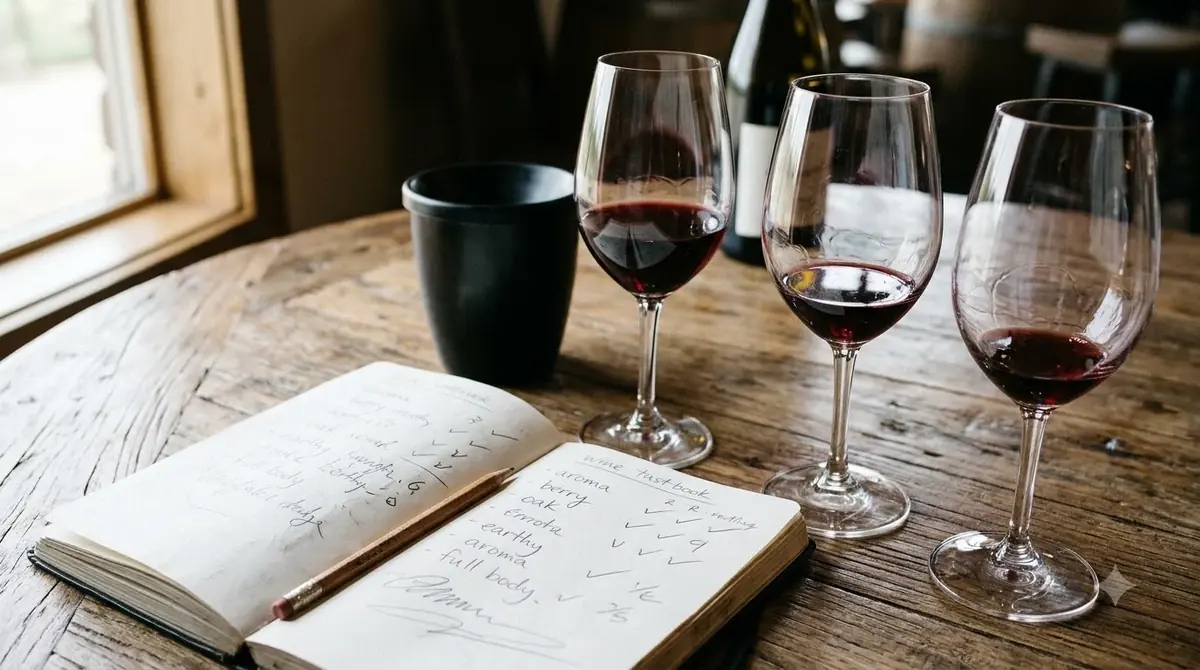
The first aromas often include green apple, pear, lemon, and white peach. Depending on ripeness and growing conditions, the fruit can shift toward yellow apple, melon, tangerine, and softer tropical notes. These characteristics usually appear alongside floral impressions such as elderflower, hawthorn, and white blossoms.
Almond is one of the grape’s most recognizable tasting characteristics. It often appears toward the middle or end of the palate, becoming particularly noticeable as the wine finishes. The sensation can resemble fresh almond skin, lightly toasted nuts, or a subtle bitter-almond quality. This gentle bitterness provides contrast to the ripe fruit and helps distinguish Garganega from some other Italian white wines.
Mineral and savory notes add another dimension. Depending on the vineyard and winemaking approach, a glass may suggest wet stone, crushed rock, a faint smoky impression, or a slightly saline character. Some examples also develop hints of fresh herbs, including marjoram and other Mediterranean garden herbs.
Primary aromas and flavors
- Citrus: Lemon, lemon zest, and occasionally tangerine.
- Orchard fruit: Green apple, yellow apple, and pear.
- Stone fruit: White peach and occasionally apricot.
- Floral: White flowers, elderflower, and hawthorn.
- Nutty: Almond and a characteristic bitter-almond finish.
- Herbal and mineral: Marjoram, fresh herbs, wet stone, and saline impressions.
Not every bottle displays all these aromas. A straightforward stainless-steel Soave may emphasize lemon, green apple, and fresh flowers, while a concentrated hillside example can show more peach, mineral character, and nutty complexity. Ripeness, vineyard location, lees contact, and bottle age all influence the final profile.
For comparison, Sancerre tasting notes often emphasize Sauvignon Blanc’s pronounced citrus, green herbal, and high-acidity character. Garganega can also be refreshing, but its almond finish and softer fruit profile create a different tasting experience.
Acidity, Body, Sweetness, and Alcohol
Garganega is generally a dry white wine with medium to medium-high acidity, little or no perceptible tannin, and a light to medium body. Its typical alcohol content falls around 11.5% to 13.5% ABV, although ripeness and producer decisions can create variations.
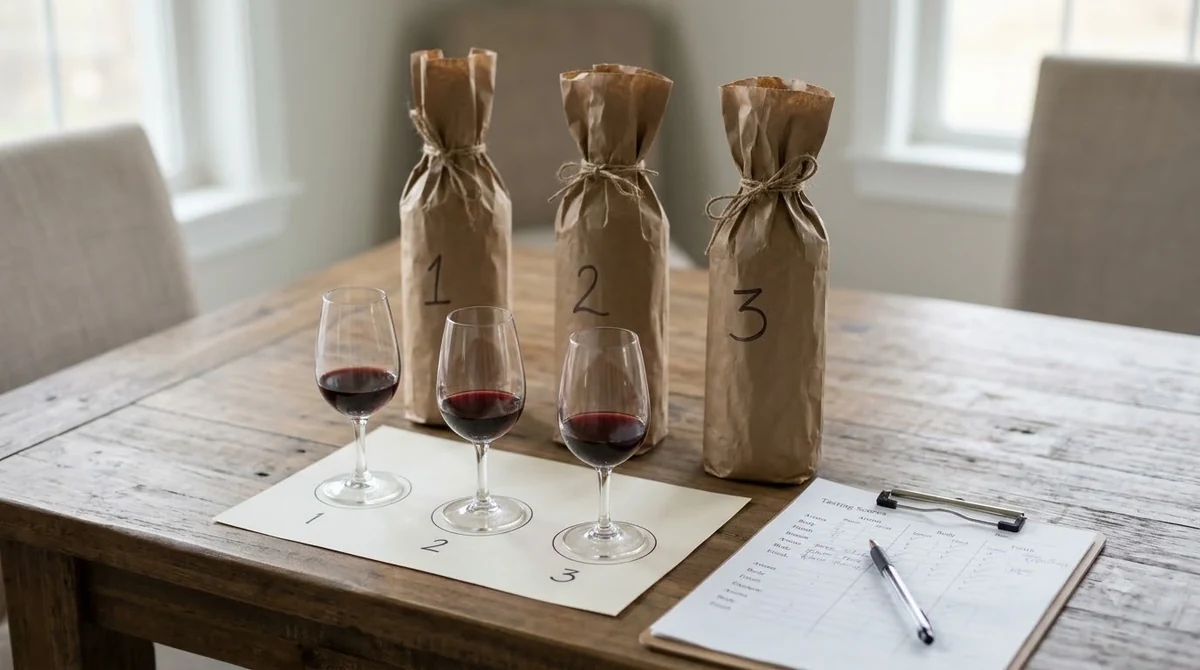
Acidity is central to the grape’s appeal. It gives the wine a clean, refreshing quality and helps balance its fruit flavors. A sip can begin with lemon or apple, develop into pear and peach, and finish with a combination of almond and subtle mineral character. The acidity prevents the wine from feeling excessively heavy, even when the fruit is ripe.
Garganega’s body depends partly on vineyard conditions and production choices. Simple examples tend to be light and uncomplicated, while lower-yield hillside wines can have greater concentration and a fuller mid-palate. Lees aging, selective oak use, and later harvesting can also contribute additional texture.
Typical tasting characteristics
| Characteristic | Typical Garganega profile | What to notice |
|---|---|---|
| Color | Pale straw to golden yellow | Occasional greenish highlights in younger wines |
| Sweetness | Dry in most table wines | Fruitiness does not necessarily indicate residual sugar |
| Acidity | Medium to medium-high | Fresh, mouthwatering finish |
| Body | Light to medium | Can become fuller in concentrated or oak-influenced wines |
| Tannin | Very low to imperceptible | No substantial drying sensation |
| Alcohol | 11.5%–13.5% ABV | Varies with grape ripeness and winemaking |
| Main fruit | Apple, pear, peach, lemon | Riper wines may suggest melon and tangerine |
| Finish | Fresh and gently bitter | Almond, mineral, and sometimes saline notes |
Sweetness deserves particular attention because ripe fruit aromas can make a dry white wine seem sweeter than it actually is. Most everyday Soave made primarily from Garganega is dry. The exception is the separate sweet-wine tradition represented by Recioto di Soave, which uses dried grapes to concentrate sugars and flavors.
Garganega also differs from fuller-bodied, creamy white wines. Chardonnay can have more pronounced weight and texture, especially when aged in oak, whereas many Garganega wines prioritize freshness and a delicate fruit-and-almond combination. Its character is closer to a refreshing table white than to a heavily textured, buttery style.
For a broader comparison of white, red, sparkling, and dessert wine styles, the Wine by Type section provides useful background on how grape varieties and production methods shape the finished wine.
Soave, Soave Classico, and the Veneto Growing Region
Garganega is most closely associated with Veneto in northeastern Italy, particularly the hills around Soave in the province of Verona. The region’s combination of volcanic and limestone-influenced soils, varied elevations, and vineyard exposures helps explain the differences between basic Soave and more concentrated hillside wines.
According to the Soave Consortium, the production zone includes parts of 13 municipalities, with Garganega serving as its principal grape. Important valleys include Alpone, Tramigna, Illasi, and Mezzane. The landscape contains volcanic tuff and substantial limestone outcrops, creating a range of vineyard conditions rather than one uniform growing environment.
The distinction between Soave DOC and Soave Classico is particularly useful when evaluating a bottle. The Classico designation is reserved for wines made from grapes harvested and vinified in the historic municipalities of Soave and Monteforte d’Alpone. The designation identifies a specific traditional production area rather than simply describing a premium quality level.
Soave DOC regulations require at least 70% Garganega. Trebbiano di Soave and Chardonnay can make up part of the remaining blend, subject to the denomination’s rules. A bottle made entirely from Garganega may therefore offer a more direct expression of the variety, while a blended wine can have a slightly different balance of freshness, aroma, and body.
How vineyard location affects flavor
Hillside vineyards often produce wines with greater concentration and more distinctive mineral or savory impressions. Cooler conditions associated with elevation and exposure can help preserve freshness as the grapes ripen. Volcanic soils are frequently associated with savory, smoky, or stony impressions, although soil alone does not determine a wine’s exact flavor.
Flatland vineyards can produce approachable wines intended for earlier drinking. Fertile sites and higher yields may result in lighter fruit expression and simpler structure. This does not mean that every hillside wine is automatically superior, but vineyard location can be a useful starting point when comparing different bottles.
Garganega also appears in Gambellara, another Veneto appellation. The grape’s broader regional presence shows that its character is not limited to Soave, even though Soave remains its best-known identity in international wine markets.
For another comparison involving grape variety and regional expression, Grenache tasting notes illustrate how a grape can show very different characteristics depending on climate, growing location, and winemaking decisions.
Winemaking Methods and Their Effect on Garganega
Winemaking determines whether Garganega tastes particularly crisp and citrus-driven or develops a richer, more textured character. Stainless-steel fermentation, lees aging, oak maturation, and grape drying each create different expressions of the variety.
Many fresh Soave wines ferment in temperature-controlled stainless-steel tanks. This approach preserves delicate fruit and floral aromas while allowing the grape’s natural acidity to remain prominent. The resulting wine is often straightforward, with lemon, green apple, pear, and almond notes.
Some producers extend maturation on the lees, meaning the wine remains in contact with spent yeast cells after fermentation. This can add texture, greater palate weight, and a more integrated impression of fruit and acidity. It does not necessarily make the wine taste yeasty or buttery.
Stainless steel and oak maturation
Stainless-steel production is particularly suitable for wines intended to highlight freshness and varietal character. It generally preserves delicate citrus, floral, and orchard-fruit aromas without introducing obvious wood-derived flavors.
Oak fermentation or maturation creates a different style. Depending on barrel size, age, and time in contact with the wine, oak can contribute subtle spice, toast, vanilla, or a broader mouthfeel. The best-balanced examples retain enough acidity to prevent the wine from becoming heavy.
La Cappuccina provides a useful example of a stainless-steel approach. Its documented Soave contains 100% Garganega, comes from vineyards on volcanic basalt soil, and spends approximately six months maturing on its lees in stainless-steel tanks. Its producer-described profile includes flowers, almond, delicate fruit, and a dry finish.
Recioto and dried-grape production
Garganega is not limited to dry table wine. Recioto di Soave is a traditional sweet expression made by air-drying harvested grapes for several months before pressing. The drying process removes water from the berries, concentrating their sugars and flavors.
The resulting wine has a substantially different profile from ordinary Soave. Expect more concentrated fruit, honeyed impressions, dried apricot, and a richer texture. The sweetness is balanced by acidity, which helps prevent the wine from becoming cloying.
The Soave Consortium identifies Recioto di Soave as the first wine in Veneto to receive DOCG status. Its production rules also limit yields from the dried grapes, reinforcing the concentrated character associated with this traditional style.
Tip: Do not assume that every Garganega-based wine is dry. Most everyday Soave is dry, but Recioto di Soave is a distinctly sweet dessert wine. The production method is a major reason their flavors and textures differ so dramatically.
How to Taste Garganega and Recognize Its Development
A structured tasting helps identify Garganega’s fruit, floral, mineral, and almond characteristics. Start with appearance, move to the aromas, evaluate acidity and texture on the palate, and pay attention to the finish rather than judging the wine by its first sip alone.
Begin by examining the wine against a white background. Young Garganega usually shows a pale straw or light yellow color, sometimes with greenish reflections. More concentrated examples may display a deeper yellow appearance, while bottle-aged wines can become increasingly golden.
Step 1: Examine the aromas
Swirl the glass gently and take a first smell before swirling again. Look for fresh citrus, apple, pear, and white flowers. After swirling, assess whether peach, melon, tangerine, herbs, or mineral impressions become more apparent.
Aromas should be evaluated in groups rather than as a checklist. A fresh Soave might be dominated by lemon and apple, while a more mature hillside example could show peach, honey, almond, and subtle savory notes. Both can be accurate expressions of the grape.
Step 2: Evaluate the palate
Take a moderate sip and consider the relationship between acidity, fruit, and body. Garganega should generally feel refreshing rather than sharply aggressive. Its fruit flavors can range from crisp green apple to ripe pear and peach, with a medium-light or medium-weight texture.
Notice whether the wine has a slightly oily or rounded sensation from lees contact or more concentrated fruit. Oak-influenced versions can feel broader, while simple stainless-steel examples are often leaner. Neither style should lose the grape’s characteristic balance between fruit and freshness.
Step 3: Focus on the finish
The finish is an especially useful place to look for almond. After swallowing, notice whether a delicate nutty bitterness remains alongside citrus, minerals, or saline impressions. A clean, refreshing finish is generally a positive characteristic in young, dry Soave.
Also consider the persistence of the flavor. A simple wine may disappear relatively quickly, while a concentrated example can leave a longer impression of fruit, flowers, and almond. Greater persistence does not automatically mean greater quality, but it can indicate additional flavor concentration and complexity.
For a useful comparison, taste Garganega alongside a Sauvignon Blanc or Pinot Grigio. Sauvignon Blanc often presents more pronounced green herbal aromas and high acidity, while Pinot Grigio can emphasize citrus and neutral orchard fruit. Garganega’s distinctive almond finish provides an easy point of recognition.
Serving Temperature, Glassware, and Food Pairings
Garganega is best served cool enough to preserve its freshness without suppressing its delicate aromas. A practical target is 50°F to 55°F for many fuller or more concentrated examples, while lighter bottles can be served closer to 45°F to 50°F.
Serving temperature changes the way the wine feels and smells. Excessively cold wine can conceal peach, pear, and floral aromas, while overly warm wine can seem less refreshing and emphasize alcohol. A short period in the refrigerator before serving usually provides a good starting point.
Use a standard white wine glass with a moderately sized bowl. This provides enough room for the aromas to develop without requiring an oversized glass. Garganega generally does not need decanting, although allowing a concentrated example to breathe briefly in the glass can help reveal additional aromas.
Best food pairings
Garganega works especially well with seafood, vegetables, poultry, fresh cheeses, and moderately rich dishes. Its acidity provides contrast to fat, while its relatively low tannin and delicate fruit allow it to complement subtle ingredients without overwhelming them.
- Seafood: Grilled shrimp, scallops, steamed white fish, and seafood risotto complement the wine’s citrus and almond character.
- Freshwater fish: Trout and other simply prepared fish work well with Garganega’s restrained fruit and refreshing acidity.
- Vegetables: Asparagus, zucchini, peas, and lightly grilled vegetables make natural companions.
- Pasta and risotto: Mushroom risotto, vegetable risotto, and pasta with light cream or lemon sauces benefit from the wine’s acidity.
- Cheese: Fresh mozzarella, ricotta, mild goat cheese, and other fresh cheeses suit the wine’s gentle texture.
- Poultry: Roast chicken, grilled turkey, and herb-seasoned chicken pair well with medium-bodied examples.
Fried seafood is another particularly good match. The acidity helps cut through the oiliness of fried shrimp, calamari, or fish, while the wine’s restrained aromas preserve the delicate seafood flavors.
For Italian-inspired meals, consider pairing Soave with risotto primavera, grilled vegetables, or baccalà prepared without an excessively strong sauce. Lemon, parsley, basil, and other fresh herbs can reinforce the wine’s natural aromatic qualities.
Pairings to approach carefully
Very spicy dishes can make Garganega taste less balanced, especially when the wine has noticeable alcohol. Chili heat can become more pronounced alongside alcohol, so mild or moderately seasoned dishes are generally easier matches.
Rich red meats and heavily smoked dishes can overwhelm a delicate Garganega. If serving meat, lighter preparations of chicken or turkey are usually more suitable than intensely flavored beef or lamb.
Sweet desserts require a different approach. The wine should be at least as sweet as the dessert to avoid tasting thin or sour. A dry Soave is therefore not the ideal partner for a very sweet pastry or fruit tart; a properly sweet Recioto di Soave is a better choice.
Garganega Aging Potential and Choosing a Bottle
Most everyday Garganega wines are intended to be enjoyed relatively young, when their fresh fruit, floral aromas, and lively acidity are most apparent. More concentrated hillside wines, especially well-made Soave Classico, can develop additional complexity over several years.
Young bottles tend to show lemon, green apple, pear, and white flowers. With bottle age, some more structured examples develop honey, toasted almond, hazelnut, and deeper mineral impressions. Their fruit may become less overtly fresh as savory and nutty characteristics become more noticeable.
Wine Folly identifies a potential cellar period of five to ten years for Garganega, although this should not be treated as a guarantee for every bottle. Basic wines are generally better enjoyed earlier, while wines with greater concentration, balance, and structure are more suitable candidates for extended cellaring. Its Garganega grape profile and tasting guide also provides a useful overview of the variety’s primary flavors, serving temperature, and food pairings.
What to look for when buying
Start by identifying the style you want. A straightforward Soave DOC is a sensible choice for an aperitif, casual seafood meal, or everyday white wine. Soave Classico can be a useful starting point when seeking more concentration and a stronger expression of the historic hillside vineyards.
Producer information also helps. Look for descriptions mentioning single-variety Garganega, careful vineyard selection, lower yields, lees maturation, or specific hillside locations. These details do not guarantee quality, but they provide useful clues about the intended style.
Oak maturation is worth considering if you prefer fuller white wines. Stainless-steel examples are often more citrus-driven and direct, while barrel-influenced versions may have additional spice and texture. Choose according to the food and flavor profile you prefer rather than assuming one method is always better.
Storage matters once you bring a bottle home. Keep unopened wine in a cool, dark place near 55°F, away from temperature fluctuations and direct sunlight. Bottles sealed with traditional corks are generally stored on their sides to keep the cork from drying out. Once opened, refrigerate still Garganega and aim to finish it within three to five days for the best freshness.
For readers comparing Italian white grapes with other varieties, Petit Verdot tasting notes provide a useful contrast: Petit Verdot is a deeply colored red grape with substantial tannin, whereas Garganega produces a delicate white wine with almost no noticeable tannin.
Frequently Asked Questions
Is Garganega the same grape as Grecanico?
Yes. DNA research has established that Garganega and Grecanico Dorato are genetically identical names for the same grape variety. Grecanico Dorato is particularly associated with Sicily, while Garganega is most strongly identified with Veneto and Soave.
Why is Garganega sometimes difficult to find on American wine labels?
Many wines made primarily from Garganega are marketed under regional appellation names rather than the grape variety. Soave and Gambellara are two important examples. Looking for these Italian wine names can help shoppers discover Garganega even when the variety is not prominent on the front label.
What color are Garganega grape berries when ripe?
Ripe Garganega berries develop a golden-yellow color. This is consistent with the golden or straw-yellow appearance commonly found in wines made from the variety, although finished wine color also depends on ripeness, winemaking, and age.
Can Garganega be used to make sparkling wine?
Yes. The Soave DOC production rules recognize a sparkling version of Soave. This offers a different presentation of the grape, with carbonation adding a lighter, more energetic texture while retaining its underlying fruit and floral character.
What does the word Classico mean on a Soave bottle?
Classico identifies the historic growing and production area associated with the original Soave zone. Under the Soave Consortium’s rules, the designation is reserved for wines made from grapes harvested and vinified in Soave and Monteforte d’Alpone. It is a geographic designation rather than a synonym for a particular winemaking technique.
Garganega offers a distinctive combination of citrus, orchard fruit, white flowers, refreshing acidity, and a characteristic almond finish. Soave remains the best-known expression, but differences in vineyard location, grape concentration, and production methods create a surprisingly broad range of styles. Whether served with seafood, fresh cheeses, or a simple Italian meal, Garganega is an excellent white wine to explore for its balance and understated complexity.
More in Wine Types & Grapes
 What Does Ruby Port Taste Like? Flavor Notes, Styles, and Serving TipsUpdated Nov 21, 2026
 What Does Ribolla Gialla Taste Like? Crisp White and Amber Styles ExplainedUpdated Nov 21, 2026
 What Does Semillon Taste Like? Flavor Profile, Styles & PairingsUpdated Nov 21, 2026
 What Does Scuppernong Taste Like? Flavor, Styles, and Pairing GuideUpdated Nov 21, 2026
 What Does Saperavi Taste Like? Flavors, Styles, and Pairing GuideUpdated Nov 21, 2026
 What Does Natural Wine Taste Like? Flavors, Styles, and Serving TipsUpdated Nov 21, 2026