

We may earn a commission when you buy through links on this page, at no extra cost to you. Learn more.
The best gamay food pairing is with dishes that complement its bright acidity, juicy red-fruit flavors, and gentle tannins. This light- to medium-bodied red is a natural match for roast chicken, charcuterie, pork, mushrooms, and many fish dishes. Its freshness can handle herbs, savory seasoning, and moderate richness without overwhelming the food. Serve most bottles slightly cool, around 55 to 60°F, and adjust the match to the wine’s weight.
Gamay is most closely associated with Beaujolais in eastern France, but the grape makes more than one kind of red wine. A fresh Beaujolais or Beaujolais Nouveau is often lively and easygoing, while a Beaujolais-Villages or cru such as Morgon or Moulin-à-Vent can bring more body, earth, and structure. Knowing which style is in the glass makes it easier to choose dinner, from a simple cheese board to a slow-cooked meal.
What Gamay Tastes Like and Why It Pairs So Well
Gamay usually tastes of fresh red berries, especially cherry, raspberry, and wild strawberry, with lively acidity and low to moderate tannin. Those traits make it versatile: the acidity refreshes the palate between bites, while the modest tannin is less likely to fight with lean proteins or delicate textures than a heavily tannic red.
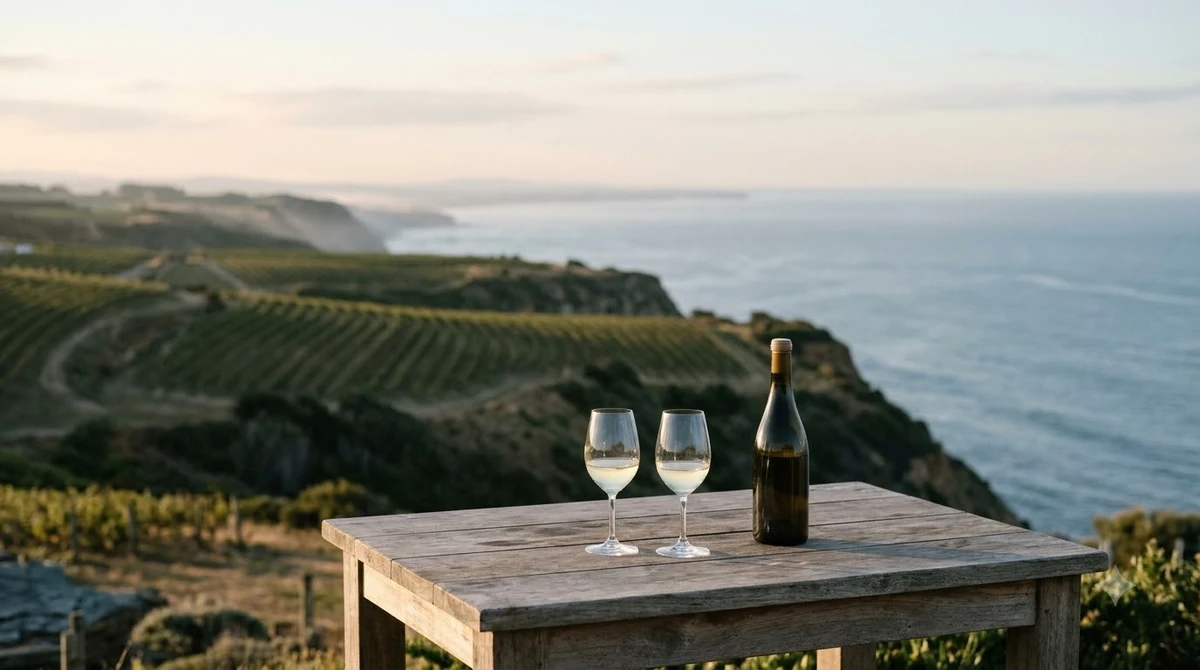
The Beaujolais wine council’s Gamay profile lists raspberry, wild strawberry, blackberry, and black cherry, with occasional peppery or floral notes. Decanter also describes the grape’s refreshing acidity and fruit profile, including strawberry, cherry, and sometimes banana. The exact mix changes with the vineyard, ripeness, and winemaking. A carbonic or semi-carbonic style can emphasize bright, candy-like fruit, while a more structured wine may show darker fruit, earthy notes, or spice.
That contrast explains why Gamay can work across several kinds of meals. A juicy, low-tannin bottle is comfortable alongside turkey, ham, or a plate of mild cheeses. A fuller cru can stand up to grilled pork, lamb, and dishes with browned mushrooms. The grape’s freshness is an advantage with richer food, but it is not a license to ignore intensity: a delicately flavored dish can disappear beside a concentrated, oak-influenced wine, and an especially powerful stew may overpower a very light Nouveau.
For a practical starting point, think of Gamay as a red with the freshness of a high-acid white and the savory flexibility of a lighter red. It is not sweet, even when its fruit smells ripe. That distinction matters with sauces: fruit-forward wine can taste softer beside sweet glazes, but a genuinely sugary sauce may make a dry Gamay seem tart. Keep sweetness in the dish restrained, or choose a wine with enough fruit and body to meet it.
The Best Everyday Foods for Gamay
For an easy first match, put Gamay beside roast chicken, a charcuterie board, a simple burger, or mushroom pizza. These dishes bring savory flavor and enough fat or browned texture to meet the wine’s fruit, without burying its freshness.
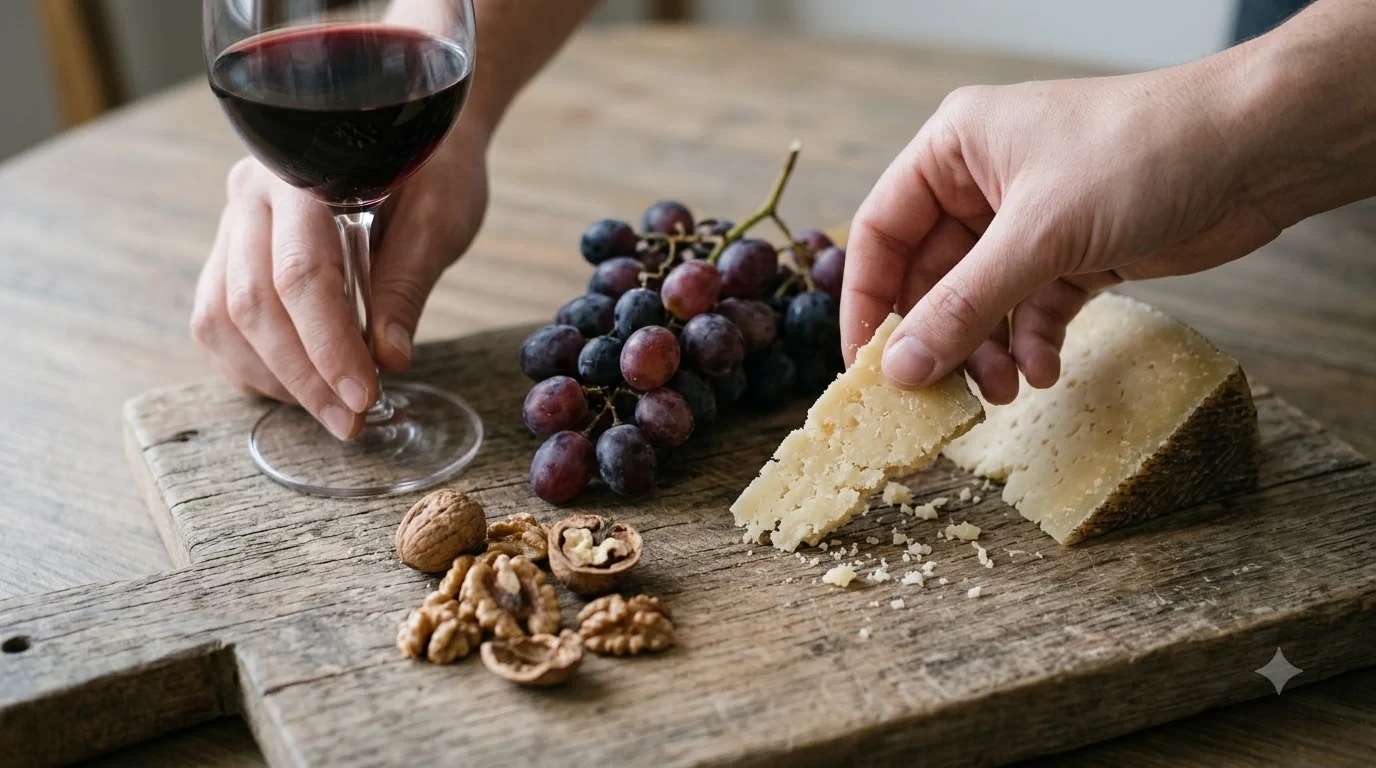
Charcuterie is a particularly reliable choice because cured meats combine salt, fat, and seasoning. Salami, country ham, pâté, and mild sausages make good partners for a young Beaujolais; salt and fat also soften the impression of tannin. Brie and Camembert are useful cheese choices, while a firmer alpine-style cheese suits a more structured bottle. Very pungent washed-rind cheeses can dominate a delicate, floral Gamay, so match the cheese’s intensity to the wine rather than treating every cheese board as interchangeable.
Pizza and burgers are easy weeknight matches. A mushroom, sausage, or roasted-pepper pizza suits the red-fruit character, and a cheeseburger gives a brighter Beaujolais enough fat and savory depth to work with. Tomato sauce brings acidity, so choose a Gamay with lively freshness rather than a soft, flat wine. This is the same basic logic behind barbera food pairing: naturally high-acid reds are often more comfortable beside tomato-based dishes than wines with low acidity.
| Gamay style | Good first pairing | Serving temperature | Why it fits |
|---|---|---|---|
| Beaujolais Nouveau | Salami, roast turkey, soft cheese | 55–60°F | Light body, bright fruit, very gentle tannin |
| Beaujolais | Chicken, sausage pizza, grain salad | 55–60°F | Fresh acidity and straightforward red-fruit flavor |
| Beaujolais-Villages | Grilled pork, burgers, pâté | 57–60°F | More body and ripe red- and black-fruit character |
| Cru Beaujolais | Roast duck, lamb, mushroom dishes | 55–60°F | Greater structure, concentration, and savory depth |
The temperatures in the table are practical starting points for light and medium-bodied Gamay, not strict rules for every bottle. Mommessin, for example, recommends serving its Beaujolais-Villages at 57 to 60°F. If the wine feels muted or too warm, a small adjustment in the glass can make the fruit and acidity clearer.
Meat, Poultry, and Charcuterie Pairings
Gamay is especially dependable with pork, chicken, turkey, duck, and delicately seasoned lamb. The wine’s acidity cuts through roasted skin and savory juices, while its low tannin keeps the pairing from feeling dry or harsh.
Roast chicken is one of the simplest matches: season the bird with thyme, rosemary, garlic, or lemon, then serve it with pan-roasted potatoes. A light Beaujolais complements the crisp skin and herbs without masking the meat. Turkey works in much the same way, including a holiday roast with mushroom gravy or a modest herb stuffing. For duck breast, choose a Beaujolais-Villages or a more structured cru, particularly if the dish includes cherries, lentils, or a savory pan sauce rather than a very sweet fruit glaze.
Pork gives Gamay a broad range of options. Grilled pork chops, roast tenderloin, sausages, and slow-cooked shoulder all make sense, although the preparation should guide the bottle. A simple chop with mustard and herbs can suit a light village wine; barbecue pork with smoky seasoning benefits from a riper, fuller example. Keep very sweet barbecue sauce in check, because a strongly sweet glaze can make a dry red taste sharper. If the dish is spicy, avoid a high-alcohol or heavily extracted wine: chili heat can seem more intense beside alcohol and tannin.
Lamb is a good bridge from lighter Gamay to the cru wines. Grilled lamb chops with rosemary, cumin, or garlic can suit a concentrated Morgon or Moulin-à-Vent, while a lighter roast leg with spring vegetables may need only a Beaujolais-Villages. For braised lamb shanks, look for a wine with enough body and savory depth to match the gelatin-rich sauce. A powerful, long-cooked lamb dish may call for a deeper red such as Amarone instead; see these amarone food pairing ideas for richer, more concentrated food matches.
Fish, Vegetables, and Vegetarian Dishes
Gamay can pair with fish when the wine is low in tannin, served slightly cool, and not too oaky. It is also a strong option for mushrooms, tofu, lentils, and vegetable dishes built around herbs, char, or umami rather than sweetness.
Try a fresh Beaujolais with grilled salmon, seared tuna, or a meaty fish served with herbs and a squeeze of lemon. The low tannin of Gamay makes it more accommodating with oily fish than a firm, tannic red, though a delicate white wine may still be better for very subtle fish preparations. Avoid pairing a strongly structured, oak-aged cru with simply poached white fish. Grilled scallops can work with a light Beaujolais-Villages, especially when served with mushrooms, browned butter, or a savory vegetable purée. The Mommessin Beaujolais-Villages producer page specifically suggests grilled fish and scallops as pairing options.
Vegetarian dishes are often easier than expected. Roasted mushrooms, mushroom risotto, lentil salad, grilled eggplant, and tofu with herbs all bring earthy or savory flavors that complement Gamay. A producer’s suggested pairings for Beaujolais-Villages include fresh tofu, light stew, light soups, and pizza. For a salad, use roasted vegetables, grains, and a moderate amount of dressing; an aggressively sour vinaigrette can make a red wine taste flat. When the meal is predominantly seafood or citrus, an aromatic, high-acid white may be the better direction. The albarino food pairing approach is useful for shellfish, lemony sauces, and lighter fish preparations.
Spice needs a little care. Gamay’s low tannin and fresh fruit can be more forgiving than a bold Cabernet Sauvignon, but alcohol still amplifies chili heat. Choose a modestly alcoholic, fruit-forward bottle with dishes seasoned using black pepper, paprika, cumin, or herbs; keep very hot chilies and sweet-hot sauces from taking over. If the dish is intensely spicy, a slightly off-dry white wine is often a safer match than any dry red.
Choose the Beaujolais Style That Fits the Meal
Not every Gamay tastes the same, so choose the level of weight that suits the food. Beaujolais and Nouveau tend to be lighter and fruitier, Beaujolais-Villages offers a step up in structure, and the ten cru appellations can produce more concentrated wines with distinct local character.
Beaujolais Nouveau is made for early drinking and commonly shows vivid red fruit, high freshness, and very soft tannin. It works best with casual food: salami, roast turkey, mild cheeses, sausage rolls, or a simple picnic. Beaujolais AOC is similarly flexible, though bottle styles vary. These are not the wines to set beside a deeply reduced beef stew or a heavily charred steak; those dishes can overwhelm their lighter frame.
Beaujolais-Villages is a useful middle ground. VinePair’s Beaujolais overview notes that the 38 designated villages can produce a range of expressions, from fruitier southern wines to more structured examples in the central and northern growing areas. It can accompany grilled pork, burgers, pâté, and richer poultry dishes. If the label names a specific village, regard that as a clue to origin and style, not as a guarantee that every producer will make the same wine. Producer choices such as whole-cluster fermentation, extraction, and aging influence the final texture too.
The ten crus are where Gamay can become more serious at the table. Brouilly and Chiroubles are often described as lighter or more perfumed; Fleurie can be elegant, while Morgon and Moulin-à-Vent often show more depth and structure. These are broad tendencies, not rigid rules. A cru wine with firmer tannin and darker fruit can handle lamb, duck, roast pork, or mushrooms, while a more delicate Fleurie can be lovely with roast chicken or charcuterie. For a wider overview of matching wine styles to food, use this practical Wine Pairing framework: match intensity first, then consider acidity, tannin, salt, fat, and sweetness.
Tip: Choose the wine by the strongest element on the plate, not only by the main protein. A cherry glaze, smoky barbecue rub, mushroom gravy, or sharp vinaigrette can change the pairing more than switching from chicken to pork.
Serving Gamay at the Right Temperature
Serve most Gamay at 55 to 60°F, a cool range that keeps its fruit lively and its finish refreshing. A warmer room-temperature pour can make a light red seem alcoholic and soft, while serving it too cold can mute the aroma and make the texture feel tight.
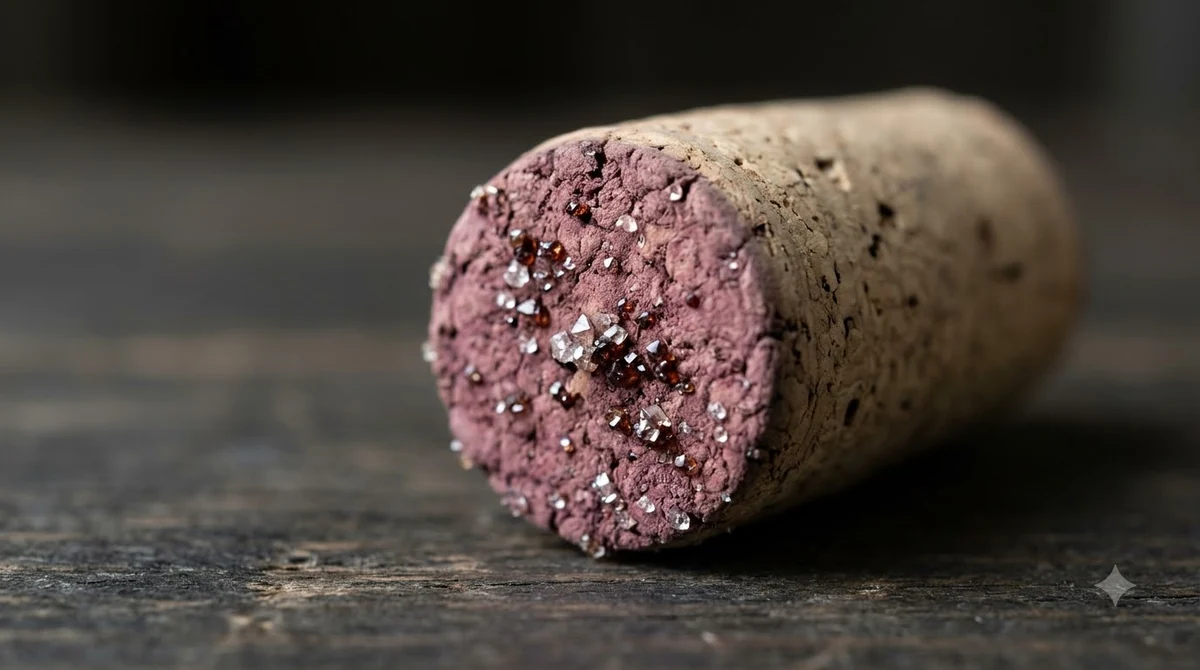
For a starting point, place a bottle in the refrigerator for a short chill before serving, then pour and let it warm slightly in the glass if its aromas seem closed. Mommessin lists 57 to 60°F for its Beaujolais-Villages, which sits comfortably within the light-red serving range. A very light Nouveau can be served toward the cooler end; a more structured cru may show better closer to 60°F. The goal is cool rather than cold.
Use a regular red wine glass rather than a tiny tasting glass, and pour moderate servings so the wine has room to open. A standard 5-ounce pour gives about five glasses from a 750-milliliter bottle. Most young, fruit-forward Gamay does not need a long decant. If a concentrated cru seems closed, give it 15 to 30 minutes in a decanter or let it breathe in the glass; taste before extending the time, since the freshest styles are best for their lively fruit.
Food temperature also matters. Serve grilled meat hot, keep charcuterie cool but not refrigerator-cold, and avoid serving Gamay next to food that is far sweeter than the wine. A simple adjustment in serving temperature can improve a pairing without changing the menu. For a dinner with several courses, bring the lightest Gamay to the table first and reserve a fuller cru for the richer main course.
Frequently Asked Questions
Is Gamay related to Pinot Noir?
Yes. The Beaujolais wine council identifies Gamay Noir à jus blanc as a natural cross between Pinot Noir and Gouais Blanc. That parentage helps explain why it can show both bright fruit and an elegant, relatively light frame, although Gamay has its own distinct flavor and structure.
Can Gamay be made into rosé?
Yes. The Beaujolais wine council notes that Gamay is used mainly for red wines but also appears as rosé in the Beaujolais and Beaujolais-Villages appellations. A Gamay rosé can bring the grape’s berry character to lighter dishes where a red would feel too substantial.
Does Gamay grow outside Beaujolais?
It does. Decanter notes plantings in the Loire Valley and Switzerland, among other places. The grape’s expression varies with climate and site, so a Gamay from outside Beaujolais may not taste exactly like a classic Beaujolais bottling.
Can cru Beaujolais improve with age?
Some cru wines can develop for years, particularly structured examples from Morgon and Moulin-à-Vent. In an interview published by the Beaujolais wine council, sommelier Laurent Derhé praised the aging ability of cru wines and cited a 2015 Château des Jacques from Moulin-à-Vent as an example that still showed well at a later tasting.
Which Beaujolais cru is the smallest?
Chénas is the smallest of the ten Beaujolais crus, covering less than one square mile of vineyards, according to VinePair. Its small scale is one reason it is less widely recognized than larger appellations such as Brouilly or Morgon.
Gamay is a flexible dinner red because its fresh acidity, red-fruit character, and gentle tannins suit everything from roast chicken and sausage pizza to salmon and mushrooms. Start with a light Beaujolais for casual meals, choose Beaujolais-Villages for richer dishes, and bring out a structured cru when the main course has deeper savory flavors. Serve it cool, match the wine’s weight to the plate, and let the food’s sauce and seasoning guide the final choice.
More in Food & Wine Pairing
 Risotto With White Wine Recipe: Make a Creamy Dinner at HomeUpdated Nov 20, 2026
 Wassail With Wine Recipe for a Festive Spiced Holiday DrinkUpdated Nov 20, 2026
 Spritz Veneziano Recipe: Make a Classic Venetian Aperitivo at HomeUpdated Nov 20, 2026
 Summer Wine Punch Recipe for Easy Homemade EntertainingUpdated Nov 20, 2026
 Bishop Recipe: How to Make a Bright, Citrus-Forward Red Wine CocktailUpdated Nov 20, 2026
 Wine Cupcakes Recipe: Bake Rich Chocolate Cupcakes at HomeUpdated Nov 20, 2026