

We may earn a commission when you buy through links on this page, at no extra cost to you. Learn more.
Furmint food pairing works especially well with seafood, roast chicken, pork, creamy dishes and flavorful Asian cuisine because this Hungarian white wine combines naturally high acidity with substantial body and versatile fruit character. Dry Furmint is particularly good with dishes that benefit from freshness and a little weight, while sweeter Tokaji versions complement salty cheeses, foie gras and fruit-based desserts. The best match depends on the wine’s sweetness, concentration and oak influence.
Furmint deserves a place alongside familiar white varieties such as Chardonnay, Sauvignon Blanc and Riesling when planning a meal. Originally associated with Hungary’s Tokaj wine region, this versatile grape produces everything from crisp, refreshing dry wines to intensely concentrated dessert wines. Its characteristic acidity, flavors of quince, peach and apricot, and ability to develop additional complexity through oak aging give it considerable flexibility at the dinner table. Understanding the differences between these styles makes choosing food considerably easier.
Understanding Furmint’s Flavor and Structure Before Choosing Food
Furmint’s naturally high acidity and relatively full body make it unusually adaptable with food. It can refresh the palate like a crisp white wine while retaining enough texture to accompany richer dishes that might overwhelm a lighter wine.
The grape is closely associated with Tokaj in northeastern Hungary, although it is also cultivated in other Hungarian regions, including Somló. Hungarian Wine describes its characteristic aromatic profile through quince, peach and apricot. Depending on the producer and winemaking approach, these fruit flavors can be accompanied by citrus, green apple, mineral notes, subtle spice or oak-derived vanilla.
Its acidity is particularly important for food matching. A wine with pronounced acidity can refresh the palate after bites of buttery fish, creamy pasta or roasted poultry. It also works well with dishes containing lemon, vinegar or other acidic ingredients, provided the wine has enough acidity to keep pace with the food.
Body matters just as much. A relatively light, unoaked Furmint suits delicate preparations, whereas a concentrated, barrel-aged bottle can stand alongside pork belly, duck and richly seasoned vegetable dishes. Pairing the wine according to its weight prevents delicate food from disappearing beside a powerful bottle.
Furmint also comes in different sweetness levels. Dry versions are the most straightforward choices for main courses, while off-dry and late-harvest examples can accommodate dishes with gentle sweetness or noticeable spice. Tokaji Aszú belongs in a different category because its concentrated sweetness makes it particularly suitable for cheese courses and desserts.
Seafood, Shellfish and Fish That Complement Dry Furmint
Seafood is one of the strongest starting points for dry Furmint, particularly oysters, scallops, trout, cod and grilled white fish. Its refreshing acidity complements delicate seafood flavors, while its texture provides enough substance for preparations involving butter, cream or richer sauces.

For a simple dinner, serve dry Furmint with grilled sea bass, roasted cod or pan-seared trout. Lemon, parsley, dill and a little olive oil provide familiar flavors that work naturally with the wine’s fruit and freshness. Avoid excessively sweet sauces because they can make a dry wine seem sharp and thin.
Shellfish provides another excellent opportunity. Oysters, steamed mussels, clams, crab and shrimp all offer appealing combinations of sweetness, salinity and delicate texture. A crisp, unoaked Furmint is particularly suitable for oysters served with lemon or a restrained mignonette, while a fuller example can accompany mussels cooked in garlic butter or a seafood stew.
Best seafood preparations
- Oysters: Choose a fresh, dry Furmint with pronounced acidity to complement their saline character.
- Seared scallops: Match the natural sweetness and caramelized surface with a more concentrated dry Furmint.
- Grilled trout: Use herbs, lemon and moderate seasoning to complement the wine’s freshness.
- Crab salad: Pair with a lighter style featuring citrus and fresh fruit characteristics.
- Steamed mussels: Garlic, parsley and a light white-wine sauce work particularly well.
- Fish soup: A fuller-bodied Furmint can accompany a flavorful broth without losing its presence.
Furmint also works with Japanese seafood preparations. Sushi, sashimi and delicate fish dishes benefit from the grape’s clean acidity, particularly when the accompanying seasonings remain balanced. Soy sauce introduces salt and umami, while pickled ginger provides additional sharpness. These ingredients can work well with Furmint, although heavily sweetened sauces may disrupt the balance.
There is an especially interesting match between Furmint and tempura. The wine’s acidity refreshes the palate after fried batter, while its body gives it enough presence to accompany the fish or vegetables inside. Decanter’s pairing recommendations include Japanese tempura of red mullet and sea vegetables with a mildly sweet-and-sour dipping sauce as a match for lighter, unoaked Furmint. Its Furmint food-pairing recommendations also explain why matching the wine’s weight with the dish is important.
Tip: For fried seafood, choose a dry Furmint with lively acidity and serve it chilled. A squeeze of lemon over tempura or fried fish creates a particularly natural connection with the wine.
Chicken, Duck and Other Poultry Pairings
Chicken and duck are excellent partners for Furmint because the grape can accommodate both delicate white meat and richer poultry preparations. Fresh, unoaked bottles suit simply roasted chicken, while concentrated or oak-aged versions work better with duck, browned skin and substantial sauces.
Roast chicken with lemon, thyme, rosemary or tarragon is a dependable choice. The herbs bring aromatic detail to the meal, while the wine’s acidity balances the richness of the skin and cooking juices. A pan sauce made with chicken stock, butter and a small amount of white wine creates an even closer connection between the dish and the glass.
For a lighter meal, try grilled chicken breast with asparagus, zucchini or green beans. The vegetable flavors provide a gentle backdrop for the wine, and the high acidity prevents the meal from feeling heavy. Chicken salad with fresh herbs, cucumber and a restrained citrus dressing also works well with an unoaked example.
Duck requires a little more consideration. Its richer meat and fatty skin benefit from Furmint’s freshness, particularly when the dish includes fruit. Duck à l’orange is a particularly attractive option because its citrus sauce creates a connection with the wine’s acidity and fruit character. Roasted duck with apricot, apple or a lightly spiced glaze offers similar possibilities.
Hungarian poultry dishes
Chicken paprikash is another natural pairing to explore. This traditional Hungarian preparation combines chicken, paprika, onions and a creamy sauce, giving the dish enough richness to benefit from a full-bodied white wine. Choose a concentrated dry Furmint rather than an extremely delicate example.
Goose and other richly flavored game birds can also work with more substantial Furmint. The grape’s texture gives it the necessary presence, while its acidity keeps the pairing from becoming excessively rich. This is particularly effective when the meat is roasted and served with mushrooms, root vegetables or a moderately creamy sauce.
For entertaining, consider serving two styles of poultry alongside different Furmint bottles. A fresh, stainless-steel-fermented wine can accompany herb-roasted chicken, while an oak-aged version can take over for duck with orange sauce. This demonstrates how one grape variety can suit multiple courses without requiring a change to an entirely different wine family.
Pork, Rich Meats and Hearty Main Courses
Pork is among the most versatile meat choices for Furmint, particularly when the preparation includes roasted fat, paprika, herbs or fruit. More concentrated dry examples can also accompany duck, substantial vegetable dishes and flavorful stews.
Roast pork with crisp skin is a particularly satisfying match. The acidity cuts through the richness of the meat, while the wine’s body prevents it from seeming lightweight beside a substantial roast. Pork loin with apples, herbs and pan juices provides another appealing combination, especially with a wine that has quince or ripe pear characteristics.
Pork belly deserves special attention. Its richness calls for a Furmint with enough acidity to refresh the palate between bites. An oak-aged example may add complementary notes of toast, spice and vanilla. Pajzos Tokaj specifically recommends its oak-aged Furmint Selection with pork belly, providing a useful example of how a concentrated Hungarian white can accompany a rich meat preparation.
Hungarian cuisine offers several other interesting possibilities. Pork with paprika, roasted onions and potatoes provides a direct regional connection. Sausages and moderately seasoned charcuterie can also work, particularly when accompanied by pickled vegetables or mustard that introduce acidity.
Matching Furmint with heavier dishes
Furmint is not restricted to fish and poultry. Sommelier Isa Bal, featured in Decanter, recommends more concentrated styles as alternatives to red wines with strongly flavored stews and pot dishes. This is useful for meals where the richness and seasoning of the food matter more than whether the wine is red or white.
Consider slow-cooked pork with paprika, mushroom stew, roasted root vegetables or a Moroccan tagine. These dishes often combine savory ingredients with warming spices, dried fruit or gentle sweetness. A full-bodied Furmint has enough structure to accompany these flavors while maintaining refreshing acidity.
When comparing meat-based wine options, remember that Furmint offers a different experience from red varieties. For example, Barbera food pairing often centers on the grape’s bright acidity and red-fruit character, whereas Furmint provides a white-wine alternative with substantial texture and no significant tannin.
Vegetables, Creamy Dishes and Asian Cuisine
Furmint’s acidity and flexible body make it a useful match for vegetables, mushroom dishes, creamy pasta and many international recipes. Its suitability for spicy food depends on sweetness, alcohol and the intensity of the seasoning.
For vegetable-based meals, try roasted cauliflower, grilled zucchini, asparagus, artichokes or vegetable risotto. The wine’s acidity provides freshness, while its body helps it accompany ingredients that have been roasted, sautéed or prepared with olive oil. Herbs such as parsley, thyme, dill and tarragon make especially useful additions.
Mushrooms are another strong option. Their earthy, savory character can work with Furmint’s mineral and sometimes smoky notes. Mushroom risotto, creamy mushroom pasta and roasted mushrooms with garlic are good choices, particularly when the wine has some concentration or oak influence.
Creamy sauces also deserve consideration. Furmint’s acidity helps balance butter, cream and cheese, making it suitable for fettuccine with a mild cream sauce, chicken Alfredo and vegetable gratins. Avoid sauces dominated by very strong cheese or excessive sweetness unless the wine has sufficient body to match them.
Asian food and aromatic spices
Furmint can accompany a surprisingly broad selection of Asian dishes. Thai, Chinese, Korean and Japanese cuisines frequently combine sweet, sour, savory and spicy elements, creating several opportunities to match the wine’s freshness and fruit character.
For sushi and steamed dumplings, select a crisp, dry bottle. Ginger, scallions, soy sauce and mild dipping sauces complement the wine without overwhelming its delicate fruit flavors. With fried spring rolls or vegetable tempura, the acidity helps refresh the palate.
For Thai food, consider coconut chicken curry, mildly spicy shrimp dishes or stir-fried vegetables with ginger. A slightly off-dry Furmint can be especially useful when a dish includes noticeable chili heat because residual sweetness can soften the perception of spice.
Chinese dishes involving ginger, garlic, soy and a sweet-and-sour sauce can also work. Sweetness in the sauce should remain moderate, particularly with a dry bottle. Korean dishes with sesame, grilled poultry and gently seasoned vegetables offer another attractive direction.
However, Furmint is not automatically suitable for every hot dish. Very spicy preparations can become more difficult because alcohol and tannin can amplify chili heat. Furmint has little tannin, but its alcohol still matters. For especially fiery food, choose a lower-alcohol, slightly off-dry bottle rather than a powerful, oak-aged wine.
These principles also help distinguish Furmint from other white wines. Albariño food pairing often emphasizes fresh seafood and citrus-driven combinations, while Furmint’s greater range of body and sweetness makes it particularly interesting with creamy sauces, roasted meats and more substantial dishes.
Cheese, Desserts and Sweet Tokaji Furmint
Cheese and desserts require different approaches depending on whether the Furmint is dry, off-dry, late-harvest or made as Tokaji Aszú. Dry versions suit savory cheeses and richer appetizers, while sweet examples can accompany blue cheese, fruit desserts and pastries.
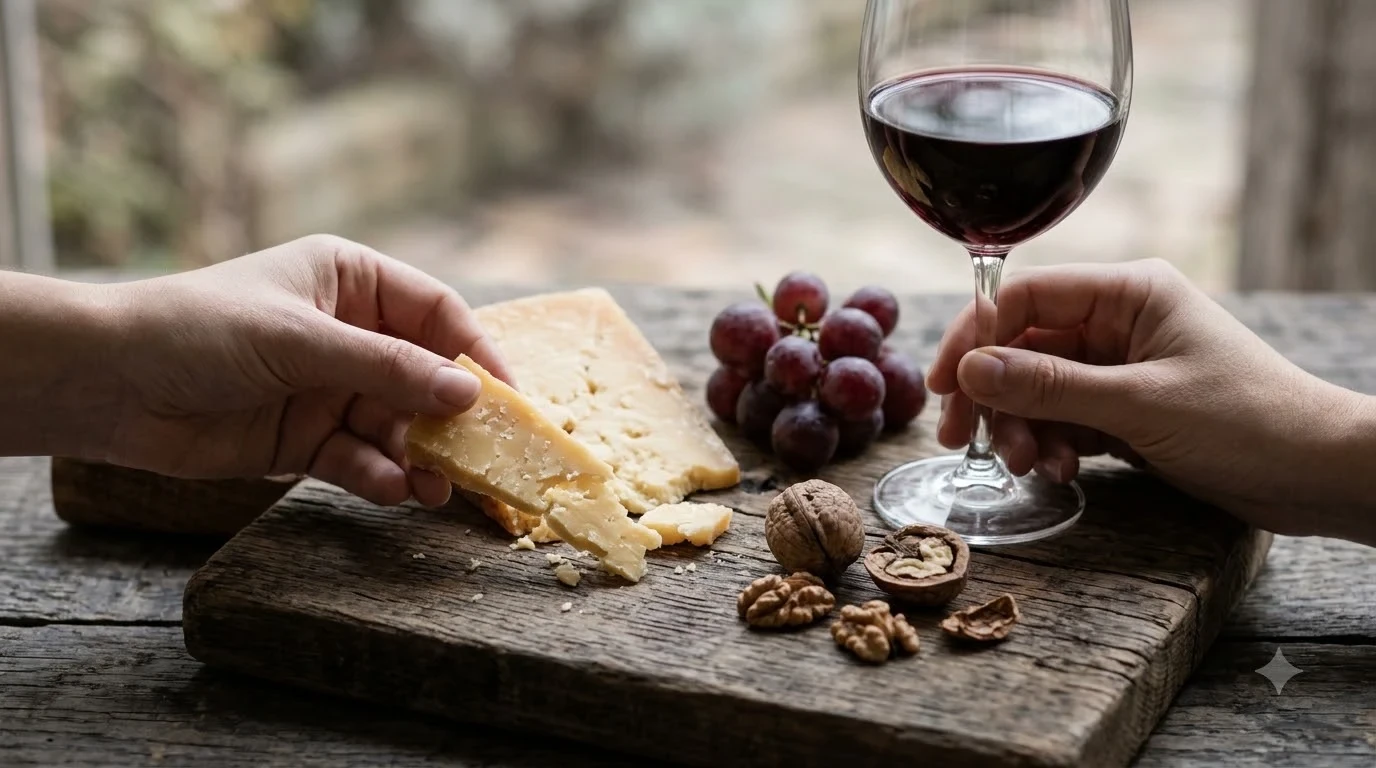
For dry Furmint, start with aged Comté, Gruyère or other firm cheeses. Their savory depth and moderate richness work well with a concentrated white wine. Pajzos Tokaj specifically recommends aged Comté and Gruyère with its oak-aged Furmint Selection.
Other useful choices include mature Gouda, semi-hard sheep’s milk cheese and smoked cheeses. The salt and fat in cheese can soften the perception of acidity, while the wine refreshes the palate between bites. Strong blue cheeses are more difficult with a completely dry Furmint because their intensity may overwhelm the wine.
Sweet Tokaji wines provide a more suitable solution. Tokaji Aszú, which can include botrytized Furmint grapes, combines concentrated sweetness with substantial acidity. This structure makes it particularly effective with rich, salty and flavorful foods.
Sweet Tokaji with cheese and savory food
Blue cheese is a classic choice for sweet Tokaji. Roquefort, Gorgonzola and other intensely flavored varieties create a contrast between saltiness and concentrated fruit sweetness. The wine’s acidity helps keep the combination balanced rather than excessively rich.
Foie gras is another traditional match. Its rich texture and savory flavor complement the concentrated sweetness and acidity of Tokaji Aszú. This combination is particularly effective when the preparation includes a restrained fruit element, such as apple or apricot.
Fruit desserts and pastries
For late-harvest Furmint, consider apple tart, apricot pastries, vanilla custard, fruit salad and cream-based desserts. The wine’s fruit character can echo the ingredients in the dish without necessarily overpowering them.
For richer Tokaji Aszú, try apricot tart, peach desserts, fruitcake or caramelized fruit. The wine should be at least as sweet as the dessert. Otherwise, the sweetness of the food can make the wine taste thin, acidic or unpleasantly sharp.
Dark chocolate is more challenging because its bitterness can conflict with the wine’s fruit sweetness. If serving chocolate, choose a concentrated dessert wine and use a preparation that incorporates orange, nuts or dried fruit to create additional connections between the ingredients.
For a broader explanation of how sweetness, acidity, fat and salt affect wine choices, consult this practical introduction to Wine Pairing.
Serving Temperature and Practical Furmint Pairing Guide
Serving temperature can make a noticeable difference to Furmint’s balance and aromatic expression. Lighter, unoaked examples benefit from cooler service, while fuller-bodied and oak-aged bottles are generally better with slightly less chilling.
Hungarian Wine recommends approximately 8–10°C for lighter, everyday Furmint and 10–12°C for more serious dry estate and single-vineyard wines. Converted into Fahrenheit, these ranges are approximately 46–50°F and 50–54°F, respectively.
For a typical bottle served with seafood, start around 46–50°F. For roast chicken, pork belly or creamy pasta, a fuller example can be served around 50–54°F. Extremely cold temperatures can suppress aromatic details, while excessive warmth can make alcohol more noticeable and reduce the refreshing character that makes the grape so useful at the table.
A tulip-shaped white wine glass is a good choice for everyday Furmint. More concentrated bottles can benefit from a slightly larger white wine glass, which allows the aromas to develop. Sweet Tokaji is best served in a smaller dessert wine glass so that its concentrated fruit and honeyed aromas remain focused.
Quick reference for food and wine selection
| Furmint style | Recommended food | Serving temperature | Why it works |
|---|---|---|---|
| Light, dry, unoaked | Oysters, sushi, grilled trout | 46–50°F | Fresh acidity complements delicate seafood. |
| Medium-bodied, dry | Roast chicken, vegetable risotto | 50–54°F | Body and acidity balance savory flavors. |
| Full-bodied, oak-aged | Pork belly, duck à l’orange, scallops | 50–54°F | Concentration matches richer dishes. |
| Off-dry | Mild Thai curry, ginger chicken | 46–50°F | A touch of sweetness works with gentle spice. |
| Late-harvest | Apple tart, apricot pastries | 43–50°F | Fruit sweetness complements desserts. |
| Tokaji Aszú | Blue cheese, foie gras, fruitcake | 43–50°F | Concentrated sweetness balances salt and richness. |
These temperatures are practical serving targets rather than rigid requirements. The exact balance will vary with the wine’s body, sweetness and alcohol, as well as the temperature of the food.
Planning a complete meal around Furmint
Furmint can accompany several courses if the wines are selected according to their weight and sweetness. Begin with a light, dry bottle alongside oysters or seafood appetizers. Continue with a more concentrated dry Furmint for roast chicken, pork or a creamy mushroom dish. Finish with a late-harvest wine or Tokaji Aszú alongside cheese or dessert.
A simple dinner party menu could include scallops with lemon as a starter, roast chicken with thyme and potatoes as the main course, and apricot tart for dessert. A fresh dry Furmint can accompany the first course, a fuller bottle can accompany the main course, and a suitably sweet Tokaji can finish the meal.
For larger gatherings, one versatile, medium-bodied dry Furmint can cover several courses. Serve it with seafood, roasted vegetables and herb chicken, then offer a separate sweet Tokaji if dessert is part of the meal.
When choosing a bottle, pay attention to the style rather than relying on the grape name alone. Fermentation in stainless steel generally preserves a fresher expression, whereas barrel fermentation and oak aging can add texture and additional savory or spicy notes. Residual sugar also changes which dishes will work best. These details help explain why two wines made primarily from Furmint can behave quite differently at the dinner table.
Frequently Asked Questions
Is Furmint the same grape used in Tokaji Aszú?
Furmint is one of the principal grape varieties used to produce Tokaji Aszú, but Aszú is a wine style rather than another name for the grape. The traditional blend can also include Hárslevelű and other permitted varieties. Botrytis-affected grapes contribute concentrated flavors and sweetness to the finished wine.
Does Furmint grow outside Hungary?
Yes. Furmint is also cultivated in Slovenia, where it is commonly called Šipon, and in countries including Croatia, Slovakia and Austria. Its regional names and growing conditions vary, giving wines from different areas distinctive expressions.
Can Furmint be made into sparkling wine?
Yes. Furmint’s naturally high acidity makes it suitable for sparkling wine production. Some Hungarian and Slovenian producers make bottle-fermented sparkling examples, which can develop additional bread-like and pastry aromas through extended contact with yeast lees.
Can dry Furmint improve with bottle aging?
Some serious dry, single-vineyard Furmint wines can develop additional complexity in the bottle. Decanter has reported that examples around 15 years old have remained in good condition. Aging potential depends on concentration, acidity, winemaking and storage conditions, so not every everyday bottle is intended for long-term cellaring.
Is Furmint related to Chardonnay and Riesling?
Genetic analysis identifies Furmint as a half-sibling of both Chardonnay and Riesling. This relationship helps explain some similarities in its winemaking versatility, but Furmint remains a distinct variety with its own characteristic structure and aromatic profile.
Furmint offers much more than a companion for seafood: its acidity, body and range of sweetness make it suitable for everything from roast chicken and pork belly to creamy vegetables, Asian dishes and rich desserts. Start with a dry Tokaji Furmint for savory meals, choose a fuller oak-aged bottle for substantial main courses, and reserve sweet Tokaji for cheese and dessert. Matching the wine’s weight and sweetness to the food is the simplest way to make every Furmint pairing more successful.
More in Food & Wine Pairing
 Risotto With White Wine Recipe: Make a Creamy Dinner at HomeUpdated Nov 20, 2026
 Wassail With Wine Recipe for a Festive Spiced Holiday DrinkUpdated Nov 20, 2026
 Spritz Veneziano Recipe: Make a Classic Venetian Aperitivo at HomeUpdated Nov 20, 2026
 Summer Wine Punch Recipe for Easy Homemade EntertainingUpdated Nov 20, 2026
 Bishop Recipe: How to Make a Bright, Citrus-Forward Red Wine CocktailUpdated Nov 20, 2026
 Wine Cupcakes Recipe: Bake Rich Chocolate Cupcakes at HomeUpdated Nov 20, 2026