

We may earn a commission when you buy through links on this page, at no extra cost to you. Learn more.
A furmint grape is a white grape from Hungary that makes dry wines with high acidity and is also the main grape behind the sweet Tokaji Aszú dessert wines. Wine Folly describes furmint as one of the most important Hungarian varieties, and its acidity is the quality most people notice first. Dry furmint is often compared with Riesling, while the sweet styles are the reason the grape has a reputation beyond its home country.
If you have seen furmint on a label from Hungary, or noticed it in the blend of a bottle from the Tokaj region, you probably wondered what it tastes like and how to enjoy it. This guide covers where the grape comes from, how the dry and sweet styles differ, how to serve it, and which foods work best with it.
Where the furmint grape comes from
Furmint is a Hungarian grape, and Hungary is the country most closely associated with it in wine references. It is best known for its role in the Tokaj region, where it is the core grape of the wines that made the name Tokaji famous. For a wine drinker, that connection matters because it explains why the same grape can appear in two very different bottles: a crisp, dry white at the dinner table and a rich, sweet wine served with dessert.
Because the grape is so closely tied to one country, most furmint you find on a shop shelf will come from Hungarian producers. Labels may use the grape name, the region name, or both. If you are unsure, the label is the place to check the style, since a dry bottle and a sweet bottle can look similar from the outside.

Flavor and acidity in a dry furmint
A dry furmint is a light-bodied white wine with no tannins and high acidity. Wine Folly’s grape guide lists Meyer lemon, green apple, ginger, smoke, and green pepper as its primary flavors. The same source describes the dry style as similar in character to Riesling, which is a useful reference point if you already know that grape. The alcohol range Wine Folly gives for furmint is 11.5 to 13.5 percent ABV, which keeps the wine feeling lighter than many whites from warmer climates.
The acidity is the feature that shapes the whole experience. High acidity makes the wine taste fresh and clean, and it is the reason the grape can be cellared for years rather than drunk young. Many drinkers find that the citrus and green apple notes stand out most on the first sip, with the smoky and spicy notes following on the finish.
Wine Folly’s profile for furmint is a good way to set expectations before opening a bottle. Look for a wine that is crisp and lively rather than round and creamy, and expect the flavor to lean toward citrus, orchard fruit, and herbal or spicy edges.
| Feature | What to expect from dry furmint |
|---|---|
| Body | Light |
| Tannin | None |
| Acidity | High |
| Main flavors | Meyer lemon, green apple, ginger, smoke, green pepper |
| Alcohol (ABV) | 11.5% to 13.5% |
| Closest reference | Dry Riesling, according to Wine Folly |
Dry furmint and Tokaji Aszú compared
Dry furmint and sweet furmint share the same grape, but they taste very different. Wine Folly notes that furmint is famously used in Tokaji Aszú dessert wines, and that connection is why many wine lovers first hear the name. The sweet style is built around the grape’s acidity, which keeps a rich, sweet wine from feeling heavy.
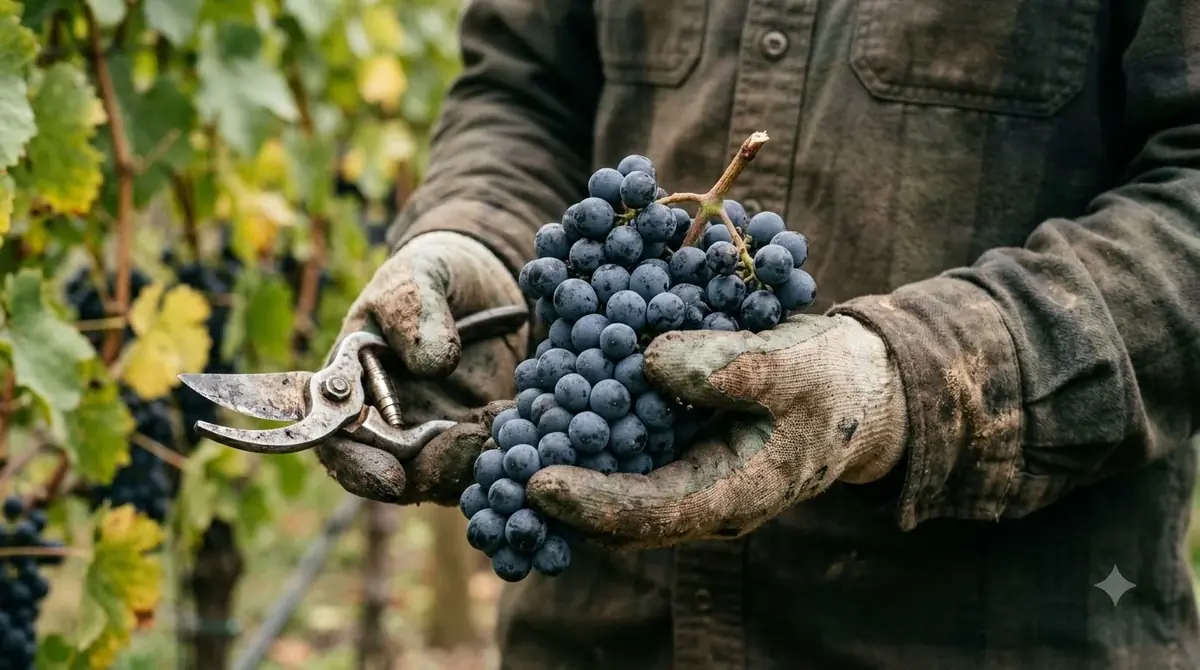
When you shop, the simplest rule is to read the label carefully. A bottle labeled as dry furmint will taste crisp and citrusy. A Tokaji dessert wine will taste sweet and layered, and it is usually served in small portions. Do not assume that a bottle from the region is dry, because the region produces more than one style.
Tip: If you are new to the grape, start with a dry bottle. It is easier to understand the acidity and citrus profile before moving to the sweeter style.
How to serve furmint
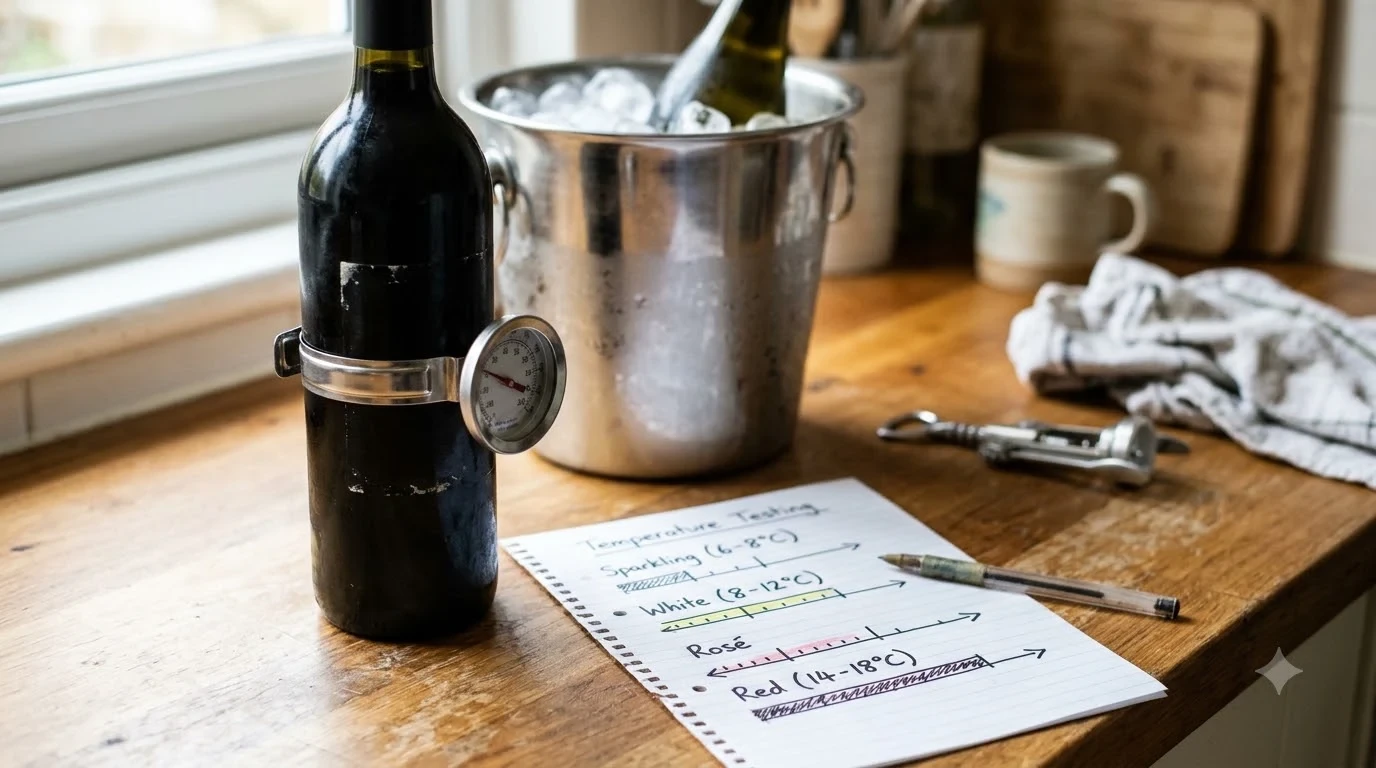
Wine Folly recommends serving furmint at 45 to 55°F (7 to 12°C). That is cool enough to keep the acidity lively without numbing the fruit. A white wine glass is the recommended choice, and decanting is not needed for this style.
Because the grape has such strong acidity, the serving temperature makes a bigger difference than many people expect. A bottle that is too warm can taste flat, while one that is very cold can hide the citrus and herbal notes. Pull the bottle from the refrigerator about ten minutes before pouring if it has been chilled for a long time.
Wine Folly also gives a cellaring window of 10 years or more for furmint. For most wine drinkers that means the dry style can be kept for a while, but most bottles will still be enjoyable when they are opened in their first few years.
Food pairings that suit furmint
Wine Folly suggests pairing furmint with herb-crusted poultry or fish, which match the wine’s green and spicy flavors and its bracing acidity. It also recommends delicate Asian dishes such as sushi or dumplings. The acidity cuts through oil and richness, so the wine works well with dishes that have a little fat and plenty of fresh flavor.
Think of simple dishes with herbs, lemon, and light sauces. A roasted chicken with rosemary, a white fish with lemon and dill, or a plate of steamed dumplings are all good places to start. Avoid heavy red-meat dishes, since the wine is light and its character is crisp rather than full.
How to choose a bottle of furmint
Choosing a furmint starts with deciding which style you want. If you want a bright, dry white for everyday meals, look for the grape name on a Hungarian label and read the description for words such as dry, crisp, or citrus. If you want a dessert wine, look for Tokaji Aszú and treat the bottle as a special occasion wine rather than a regular glass.
Pay attention to the producer and the region as well as the grape name. Hungarian labels can be less familiar than those from France or Italy, so it helps to read the back label or ask a retailer which style they recommend. For a comparison with another white from a different country, see our guide to aveleda wine, which can help you see how a different white profile differs from a furmint.
For more background on how wines are grouped by brand and origin, the wine brands guide is a useful next step.
Frequently Asked Questions
What does furmint taste like?
Dry furmint tastes crisp and citrusy, with flavors that Wine Folly lists as Meyer lemon, green apple, ginger, smoke, and green pepper. It has a light body and high acidity, and it has no tannins.
Is furmint a sweet wine?
Not always. Furmint can be made dry, and that is the style most often described as similar to Riesling. The grape is also famously used in Tokaji Aszú dessert wines, which are sweet, so check the label to see which style you are buying.
What is the difference between furmint and Tokaji?
Furmint is a grape, and Tokaji is a wine region in Hungary. Furmint is the main grape of the region’s famous sweet wines, so the two names are linked, but a bottle of Tokaji is not automatically made from furmint alone. Read the label to confirm the grape.
How long can furmint be kept?
Wine Folly gives a cellaring window of 10 years or more for furmint. The high acidity is the main reason the grape can age, but most people enjoy dry bottles in their first few years, and the sweet styles are often kept longer.
Furmint is a rewarding grape for anyone who likes crisp white wines with real structure. Start with a dry bottle, serve it cool, and pair it with herbs, citrus, or light Asian dishes. Once you know the dry style, a sweet Tokaji is a natural next step to explore.
More in Wine Brands
 Underwood Wine Price: Compare Bottles, Cans, and Pack SizesUpdated Nov 21, 2026
 Zenato Wine Price: Compare Styles and Choose the Right BottleUpdated Nov 21, 2026
 Zuccardi Wine Price: Compare Bottles and Find the Right RangeUpdated Nov 21, 2026
 Yellow Tail Moscato Review: Taste, Sweetness and Serving TipsUpdated Nov 21, 2026
 Wolf Blass Yellow Label Review: Choose Your Best StyleUpdated Nov 21, 2026
 Wolffer Estate Rose Review: Choose the Right Bottle for Your TableUpdated Nov 21, 2026