

We may earn a commission when you buy through links on this page, at no extra cost to you. Learn more.
A fruit wine cocktail is a mixed drink made with fermented fruit wine, fresh fruit, juice, citrus, or sparkling mixers to create a refreshing, fruit-forward beverage. Blackberry, peach, raspberry, cherry, and blueberry wines all work well as cocktail bases, although their sweetness and acidity determine which ingredients complement them best. Start with a simple wine-to-mixer ratio, add fresh fruit, and adjust the citrus or sweetness until the drink tastes balanced.
Fruit wine offers a different starting point from conventional grape wine. Its flavors can be closely associated with the fruit used during fermentation, making it especially suitable for easy spritzers, pitcher drinks, sparkling cocktails, and seasonal combinations. Whether you have a bottle of sweet strawberry wine or a dry blackberry wine, a few carefully selected ingredients can turn it into an interesting mixed drink without covering up its original character.
What Makes a Fruit Wine Cocktail Different?
A fruit wine cocktail uses fermented wine made from non-grape fruit as its alcoholic foundation. Fresh fruit, citrus juice, soda water, sparkling wine, herbs, and other mixers provide additional flavors, texture, and balance.

The distinction between fruit wine and a cocktail made with grape wine is the starting ingredient. According to the US Alcohol and Tobacco Tax and Trade Bureau’s federal wine-labeling regulations, fruit wine is produced through the normal alcoholic fermentation of sound, ripe fruit other than grapes. This category includes products made from peaches, blackberries, raspberries, cherries, and other fruit varieties. The US federal wine-labeling regulations also distinguish fruit table wine from fruit dessert wine according to alcohol content.
Fruit wine should also be distinguished from a fruit-flavored grape wine. A bottle labeled blackberry wine, for example, belongs to the fruit wine category when its fermented base comes from blackberries. A grape wine flavored with blackberry extract is a different product. Understanding that distinction helps when selecting a cocktail base because the two beverages may have different sweetness, acidity, aroma, and alcohol levels.
Fruit wines can be dry, off-dry, sweet, sparkling, or fortified. Their individual characteristics depend on the fruit, fermentation decisions, and winemaking techniques. Research published in Applied Microbiology and Biotechnology explains that fruit variety, growing conditions, fermentation microorganisms, and the composition of the fruit all contribute to the resulting aroma and flavor.
That variation is useful in cocktail preparation. A tart cranberry wine can provide the acidity in a refreshing drink, while sweet peach wine can take the place of a fruit liqueur in a lighter combination. Blackberry wine can contribute deep berry flavors without requiring a large quantity of additional fruit.
For a broader explanation of the different styles, read what is fruit wine. Knowing whether your bottle is dry, sweet, still, or sparkling makes it easier to select complementary ingredients.
Best Fruit Wines and Their Cocktail Pairings
The best fruit wine for a cocktail depends on the flavor you want to emphasize. Berry wines are particularly versatile, while stone-fruit and citrus-based wines offer different combinations for refreshing, aromatic, and sweeter drinks.
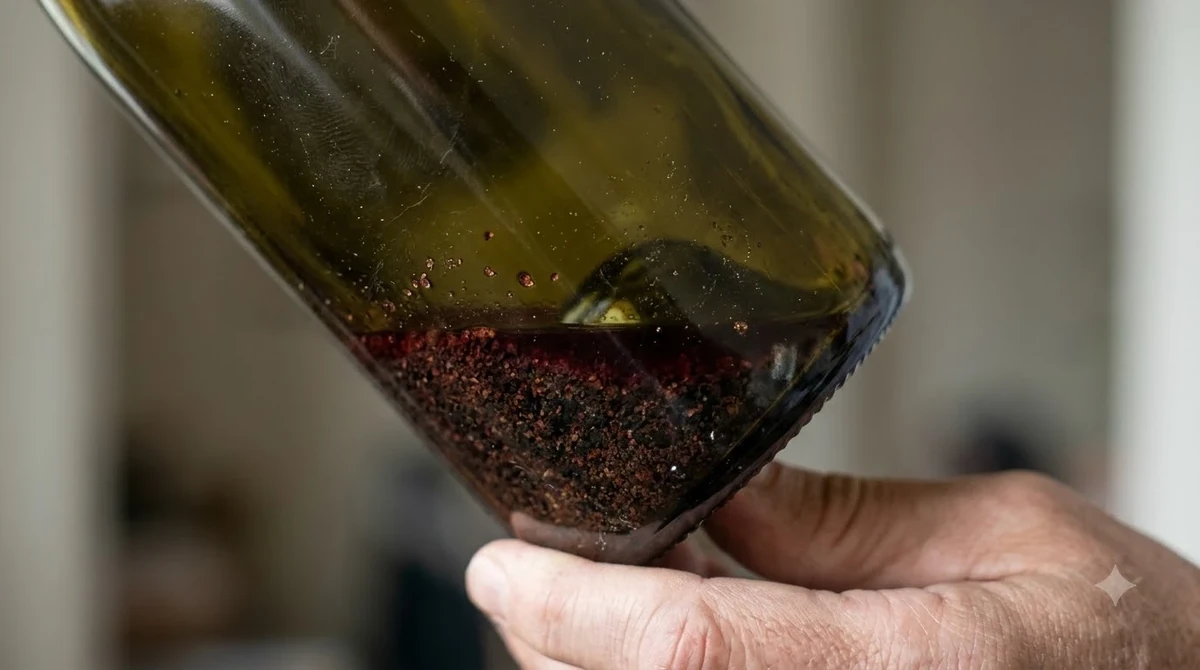
Blackberry wine is a useful starting point because its dark fruit character works with lemon, lime, ginger, mint, and sparkling water. A blackberry spritzer can be made with wine, soda water, and a small amount of fresh lemon juice. Fresh blackberries provide an attractive garnish and reinforce the flavor already present in the wine.
Raspberry wine generally suits lighter combinations. Its recognizable berry aroma pairs well with strawberries, lemon, orange, and sparkling wine. For a simple sparkling cocktail, combine raspberry wine with chilled sparkling wine in a glass over ice. Use a smaller quantity of sparkling wine if the fruit wine is already sweet.
Peach wine is especially suitable for summer cocktails. Peaches have a naturally rounded fruit character that works with lemon, lime, ginger, basil, and soda water. A peach wine spritzer can also include sliced nectarines or cherries for additional texture.
Cherry wine offers a deeper fruit flavor. It pairs well with orange, lemon, ginger beer, and aromatic herbs. A small amount of fresh lime juice can prevent a sweeter cherry wine from making the drink taste heavy.
Apple and pear wines provide another direction. Their flavors complement ginger, lemon, cinnamon, and fresh herbs. Apple wine is a particularly convenient base for a chilled autumn pitcher or a gently warmed seasonal cocktail, while pear wine works well with basil and sparkling water.
Blueberry wine can be combined with lemon, mint, and cucumber for a refreshing drink. Cranberry wine tends to work particularly well with orange and lime because citrus complements its tart fruit character.
The following combinations provide practical starting points:
| Fruit wine | Complementary ingredients | Suggested cocktail style |
|---|---|---|
| Blackberry | Lemon, mint, ginger | Berry spritzer |
| Raspberry | Strawberry, orange, sparkling wine | Berry sparkling cocktail |
| Peach | Lime, basil, soda water | Summer spritzer |
| Cherry | Orange, ginger, lime | Cherry cooler |
| Blueberry | Lemon, cucumber, mint | Fresh fruit cooler |
| Cranberry | Orange, lime, rosemary | Citrus wine punch |
| Pear | Basil, lemon, ginger ale | Herbal wine fizz |
| Apple | Cinnamon, orange, ginger | Apple wine punch |
These are flavor recommendations rather than fixed recipes. The best proportions depend on the wine’s existing sweetness and acidity. A dry blackberry wine may need a little simple syrup, while a sweet peach wine may require additional lemon juice and unsweetened sparkling water.
Readers interested in grape-based alternatives can also explore a Riesling cocktail. Riesling’s naturally high acidity makes it a useful comparison when choosing fruit wine for citrus-forward drinks.
Essential Ingredients for a Balanced Cocktail
A successful fruit wine cocktail needs more than fruit flavor. Sweetness, acidity, dilution, carbonation, and aroma should work together so that the finished drink remains refreshing rather than tasting like concentrated juice.
Fruit wine is the main ingredient, so begin by considering its existing flavor. A dry wine provides more room for sweet mixers and fresh fruit. A sweet wine generally needs less added sugar and benefits from acidic ingredients such as lemon, lime, or grapefruit.
Fresh fruit
Fresh fruit adds aroma, texture, and visual appeal. Strawberries, blueberries, raspberries, cherries, peaches, oranges, and blackberries are practical choices. Select fruit that complements the wine rather than adding too many competing flavors.
For a single glass, a small handful of berries or several slices of peach is usually sufficient. For a pitcher serving six people, approximately 2 cups of chopped fruit is a reasonable starting point. Adjust the quantity depending on the size of the pitcher and how much fruit you want in each serving.
Citrus juice
Lemon and lime juice provide acidity, which is particularly useful when working with sweet fruit wine. Begin with approximately 1/2 ounce per serving, then adjust in small increments. Orange juice offers a softer, sweeter citrus character and works well with cranberry, cherry, and raspberry wine.
Acidic food and drink ingredients need a wine with equal or higher acidity to maintain balance. In cocktail preparation, the same principle means that a sweeter, less acidic wine often benefits from a measured amount of citrus rather than an additional sweet fruit juice.
Sparkling mixers
Soda water, club soda, tonic water, ginger ale, and sparkling wine all create different results. Soda water adds bubbles without substantial sweetness. Tonic water contributes both sweetness and bitterness, making it useful with peach, blueberry, and blackberry wines.
Ginger ale introduces a recognizable ginger flavor and additional sweetness. Ginger beer usually has a stronger ginger character, so it can stand up to darker berry wines and cherry wine.
Sparkling wine can make a cocktail more celebratory. Choose a dry style when the fruit wine is already sweet. If both components contain considerable residual sugar, the result may taste overly sweet unless additional acidity is introduced.
Herbs and sweeteners
Mint, basil, rosemary, and thyme can add aromatic complexity. Mint is particularly suitable for raspberry and blackberry combinations, while basil complements peach and pear. Rosemary can add an interesting herbal note to cranberry and apple wine.
Simple syrup is useful when a dry fruit wine needs extra sweetness. Combine equal parts sugar and water, stir until dissolved, and cool before using. Honey syrup can also work, although its distinctive flavor is more noticeable in lighter fruit wines.
Tip: Build your cocktail around the sweetness already present in the wine. Add citrus before adding more sugar, and use sparkling water rather than sweet soda when the wine already tastes rich and fruity.
Easy Fruit Wine Cocktail Recipes to Make at Home
Simple recipes are the best way to understand how fruit wine behaves in a mixed drink. These combinations use familiar ingredients, straightforward measurements, and flexible proportions that can be adjusted for different fruit wine styles.
1. Blackberry wine spritzer
This is a straightforward cocktail for anyone who wants to preserve the character of blackberry wine. The sparkling water lightens the texture, while lemon adds freshness.
Ingredients for one serving:
- 5 ounces blackberry wine
- 2 ounces chilled soda water
- 1/2 ounce fresh lemon juice
- 4 fresh blackberries
- Ice
- One lemon wheel and a mint sprig for garnish
Method: Fill a large wine glass with ice. Add the blackberry wine and lemon juice, then stir gently. Top with soda water and add the fresh blackberries. Finish with a lemon wheel and mint sprig.
For a sweeter version, use less lemon juice or add a small amount of simple syrup. For a drier version, increase the soda water slightly. The objective is to retain the recognizable blackberry flavor without making the drink too concentrated.
2. Peach basil wine cooler
Peach and basil create an aromatic combination that works particularly well for warm-weather entertaining. Lime adds freshness, while sparkling water keeps the cocktail light.
Ingredients for one serving:
- 5 ounces peach wine
- 2 ounces sparkling water
- 1/2 ounce fresh lime juice
- 3 thin peach slices
- 3 fresh basil leaves
- Ice
Method: Add the basil leaves and lime juice to a glass. Press the basil gently to release its aroma without crushing it into small pieces. Add ice, peach wine, and sparkling water. Stir slowly and garnish with the peach slices.
Use a dry peach wine if you prefer a sharper, less sweet drink. If the wine is sweet, increase the lime juice slightly before considering any additional sweetener.
3. Raspberry sparkling cocktail
This recipe uses sparkling wine to create a livelier drink with a stronger berry aroma. It is particularly suitable for celebrations and small gatherings.
Ingredients for one serving:
- 3 ounces raspberry wine
- 3 ounces chilled dry sparkling wine
- 1/4 ounce fresh lemon juice
- 3 fresh raspberries
- Ice, optional
Method: Pour the raspberry wine into a chilled wine glass. Add lemon juice and the fresh raspberries. Slowly top with sparkling wine and stir once, gently, to combine.
The dry sparkling wine helps offset the sweetness of many raspberry wines. For a sweeter version, use a sweeter sparkling wine, but reduce the quantity of any added syrup or fruit juice.
4. Cherry ginger wine cooler
Cherry wine and ginger create a flavorful combination with enough character to work as an afternoon or evening cocktail. Lime provides a tart finish that keeps the drink from becoming too sweet.
Ingredients for one serving:
- 4 ounces cherry wine
- 2 ounces ginger beer
- 1/2 ounce fresh lime juice
- 2 fresh cherries, pitted
- One thin orange slice
- Ice
Method: Fill a tall glass with ice and add the cherry wine and lime juice. Stir briefly, then pour in the ginger beer. Add the cherries and orange slice as garnish.
Ginger beer can have a strong flavor, so begin with the recommended quantity. Increase it gradually if you prefer a more pronounced ginger character. Ginger ale provides a gentler, generally sweeter alternative.
5. Cranberry citrus wine punch
This pitcher-style drink is useful for serving several guests without preparing each cocktail individually. Cranberry wine provides the fruit base, while orange and lime create a brighter citrus profile.
Ingredients for six servings:
- 24 ounces cranberry wine
- 12 ounces chilled soda water
- 4 ounces fresh orange juice
- 2 ounces fresh lime juice
- 1 orange, thinly sliced
- 1 cup fresh cranberries
- Ice for serving
Method: Combine the cranberry wine, orange juice, and lime juice in a pitcher. Add the orange slices and fresh cranberries. Refrigerate for approximately 30 minutes to allow the flavors to combine. Just before serving, add the chilled soda water and stir gently.
Serve over ice in individual glasses. If the cranberry wine is particularly sweet, increase the lime juice slightly. If it is very tart, add a small quantity of simple syrup and stir until incorporated.
These recipes can be adapted to different fruit wine styles. The important point is to make small adjustments rather than adding large quantities of juice or sweetener immediately.
How to Balance Sweetness, Acidity, and Alcohol
The main challenge with fruit wine cocktails is maintaining balance. A drink can taste fruity without being excessively sweet, and the right acidity and dilution help preserve the wine’s character.
Start by tasting the wine on its own. Consider three characteristics: sweetness, acidity, and intensity of fruit flavor. These provide a useful framework for choosing the other ingredients.
Adjusting sweetness
If the wine tastes dry, a small amount of simple syrup, fruit juice, or naturally sweet fruit can soften its flavor. If the wine is already sweet, use lemon juice, lime juice, or unsweetened sparkling water instead.
A cocktail made with sweet strawberry wine and orange juice, for example, may need little or no additional sugar. By contrast, a dry cranberry wine can benefit from a small amount of orange juice or syrup to round out its tartness.
Managing acidity
Acidity is particularly important because it keeps fruit-forward cocktails refreshing. Lemon and lime are effective additions, but their quantities should reflect the wine’s original acidity.
High-acid fruit wines can become sharp when combined with excessive citrus. For these wines, use soda water, mild fruit additions, and aromatic herbs to provide complexity without increasing sourness unnecessarily.
Controlling dilution and alcohol
Ice and sparkling mixers dilute the wine, which can improve balance and make the drink more refreshing. However, too much ice melting into the glass can weaken the fruit aroma and create a watery finish.
Use chilled ingredients and fill the glass with enough ice to maintain a cold serving temperature. Add sparkling water just before serving so the bubbles remain lively.
Also consider the alcohol concentration of the base wine. A fruit wine with 12% alcohol by volume will contribute a different amount of alcohol from one with 15% alcohol by volume when poured in the same quantity. Additional spirits are generally unnecessary for a simple fruit wine spritzer.
For a more structured cocktail, a small measure of complementary spirit can be added, but it changes the drink’s strength. A fruit wine cocktail should still allow the fermented fruit flavor to remain recognizable rather than allowing the added spirit to dominate.
Serving, Garnishing, and Preparing Fruit Wine Cocktails
Fruit wine cocktails are best served cold, with fresh garnishes and enough time for the ingredients to combine without losing their freshness. The serving glass, temperature, and preparation method can all influence the final experience.
A wine glass is a practical choice for fruit wine spritzers because it provides room for ice, fruit, and sparkling mixers. Tall glasses work well for drinks containing larger quantities of soda water or ginger beer. A chilled coupe or flute is suitable for a sparkling cocktail with little or no ice.
For still fruit wines, a serving temperature around 45–50°F works well for lighter, refreshing styles. Sweet fruit wines can also be served in this range, while the exact temperature depends on the wine’s body and sweetness. Sparkling wines are generally served colder, around 40–50°F.
Preparing a pitcher ahead of time
Pitcher cocktails are convenient because the wine, fruit juice, and sliced fruit can be combined before guests arrive. A preparation period of approximately 30–60 minutes in the refrigerator allows the ingredients to blend without requiring an extended wait.
Keep sparkling water, tonic water, ginger ale, and sparkling wine separate until serving. Carbonation gradually disappears when these ingredients are left in an open pitcher. Adding them at the last moment gives the finished drink a fresher texture.
For the same reason, avoid adding ice directly to a pitcher that will sit on the table. As the ice melts, it dilutes the entire mixture. Instead, prepare the base without ice and pour it over fresh ice in individual glasses.
Choosing the right garnish
Garnishes should reinforce the wine’s fruit character. A blackberry cocktail benefits from fresh blackberries and mint, while a peach drink looks appealing with thin peach slices and basil. Cherry wine pairs naturally with fresh cherries and orange peel.
Citrus peel can add fragrance without introducing as much acidity as additional juice. Gently express a strip of orange or lemon peel over the glass to release its aromatic oils. Avoid leaving large quantities of citrus pith in the drink because prolonged contact can introduce bitterness.
Fresh herbs should be handled gently. A light press releases their aromas, while excessive muddling can create an unpleasantly grassy flavor. Add delicate garnishes immediately before serving to preserve their appearance.
Food pairings
Fruit wine cocktails can accompany a variety of foods, provided their sweetness and acidity are considered. A dry blackberry spritzer works with grilled chicken, mild cheeses, and savory appetizers. Peach wine coolers complement fruit salads, lightly seasoned seafood, and soft cheeses.
Sweet raspberry and cherry cocktails can work with desserts, especially those containing berries, chocolate, or stone fruit. The wine should be at least as sweet as the dessert to avoid tasting thin or sour beside it.
Salt and fat can soften tannin, although many fruit wines have relatively modest tannin levels. Avoid pairing highly alcoholic, tannic cocktails with very spicy food because alcohol and tannin can amplify chili heat. Oily fish can also clash with tannic red wines, making a lighter, more acidic fruit wine cocktail a better choice.
For a more traditional fortified alternative, a tawny Port cocktail offers a different combination of richness, dried-fruit flavors, and sweetness.
Frequently Asked Questions
Is fruit wine the same as sangria?
No. Fruit wine is an alcoholic beverage produced through fermentation of non-grape fruit, while sangria is a mixed wine drink traditionally made with grape wine and fruit. A fruit wine cocktail can use some of the same ingredients as sangria, but its fermented base is different.
Can you make a fruit wine cocktail without added spirits?
Yes. Fruit wine already contains alcohol, so you can make a complete mixed drink using only fruit wine, citrus, fresh fruit, and sparkling water. This approach also makes it easier to preserve the original flavor of the fruit wine.
Can frozen fruit be used instead of fresh fruit?
Yes. Frozen berries, peaches, and cherries are useful alternatives when fresh fruit is unavailable. Allow larger pieces to thaw slightly before using them as garnishes, or add frozen berries directly to a glass as edible chilling ingredients.
Can fruit wine be used in a frozen cocktail?
Yes. Fruit wine can be blended with frozen berries, crushed ice, and a small quantity of citrus juice to create a frozen drink. A blender works best with fruit wine that has a recognizable flavor and enough sweetness to remain noticeable after dilution.
How many servings can you get from a standard bottle of fruit wine?
A standard 750 ml bottle provides approximately five traditional 5-ounce wine pours. Mixed cocktails can produce more total liquid because sparkling water, juice, and fresh fruit increase the finished serving volume, but the bottle still contains the same amount of wine.
A fruit wine cocktail is an adaptable way to enjoy the distinctive character of blackberry, peach, raspberry, cherry, and other fruit wines. Begin with a simple spritzer, balance the sweetness with citrus, and add fresh fruit or herbs to create a drink that suits the wine. Once you understand the relationship between fruit flavor, acidity, and carbonation, you can create reliable combinations for everyday gatherings and special occasions.
More in Wine Types & Grapes
 What Does Ruby Port Taste Like? Flavor Notes, Styles, and Serving TipsUpdated Nov 21, 2026
 What Does Ribolla Gialla Taste Like? Crisp White and Amber Styles ExplainedUpdated Nov 21, 2026
 What Does Semillon Taste Like? Flavor Profile, Styles & PairingsUpdated Nov 21, 2026
 What Does Scuppernong Taste Like? Flavor, Styles, and Pairing GuideUpdated Nov 21, 2026
 What Does Saperavi Taste Like? Flavors, Styles, and Pairing GuideUpdated Nov 21, 2026
 What Does Natural Wine Taste Like? Flavors, Styles, and Serving TipsUpdated Nov 21, 2026