

We may earn a commission when you buy through links on this page, at no extra cost to you. Learn more.
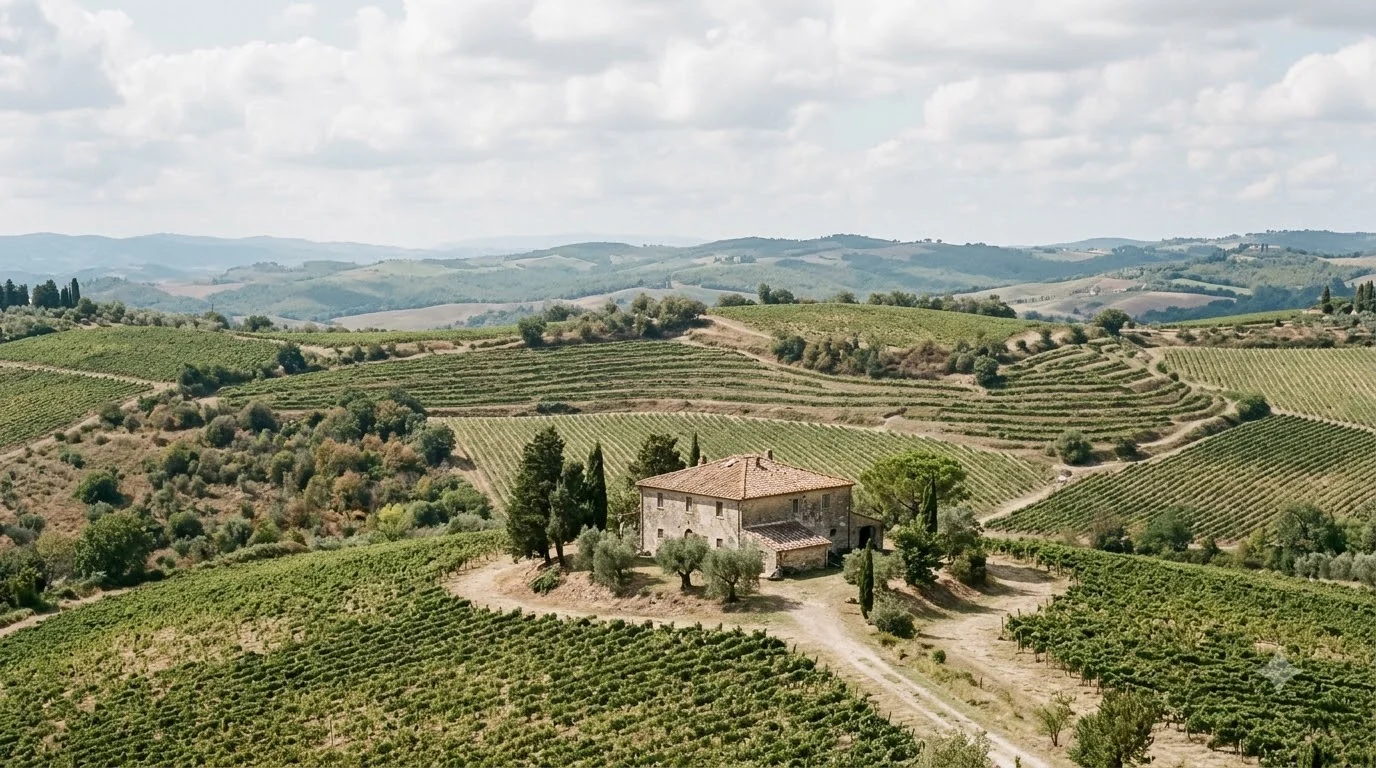
Friuli wineries offer some of northeastern Italy’s most distinctive white wines, traditional red varieties, and characterful skin-contact bottlings, with Collio, Colli Orientali, and Oslavia providing excellent starting points for exploration. Located between the Alps and the Adriatic Sea, Friuli Venezia Giulia combines varied soils, maritime influences, and a remarkable collection of native grapes. Visitors can discover everything from crisp Friulano and Ribolla Gialla to peppery Schioppettino and sweet Picolit. Understanding the region’s appellations and winemaking traditions makes it easier to choose producers and bottles that match individual preferences.
Friuli Venezia Giulia is one of Italy’s most interesting destinations for wine drinkers who want to move beyond familiar varieties. Although international grapes such as Pinot Grigio, Chardonnay, Sauvignon, and Merlot are widely cultivated, the region’s identity is closely connected to grapes that have been grown here for generations. Its wineries range from established family estates to small, experimental cellars specializing in traditional fermentation and extended grape-skin contact. Whether planning a trip or choosing bottles for a home collection, knowing the differences between the principal wine areas is the best way to appreciate what Friuli offers.
Understanding Friuli’s Wine Geography and Appellations
Friuli Venezia Giulia contains several distinct wine-growing environments, each with its own combination of soil, climate, and grape varieties. The southeastern hills are especially important for premium white wines, while the river valleys, plains, and Karst plateau provide contrasting styles.
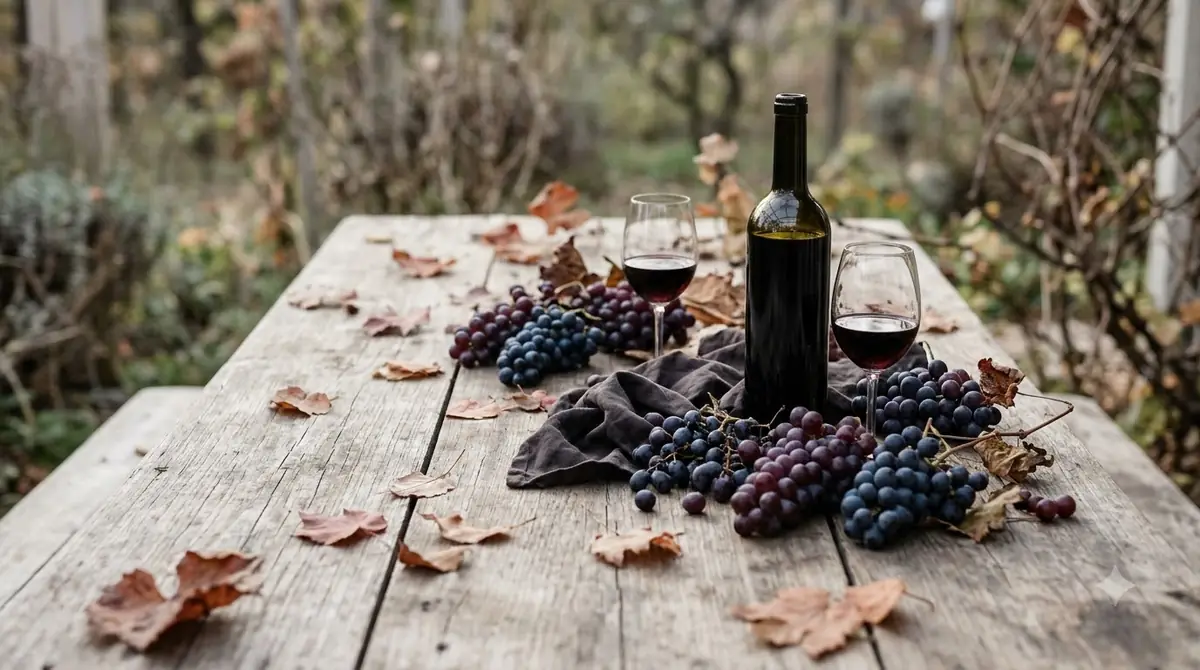
The region occupies Italy’s northeastern corner, bordering Austria and Slovenia, with the Adriatic Sea to the south. Mountain protection, cooler air from the Alps, and maritime breezes help create conditions suitable for aromatic grapes and wines with refreshing acidity. The landscape changes considerably across relatively short distances, which explains why two wines made from the same grape can have noticeably different personalities.
Collio and Friuli Colli Orientali are among the most recognized areas for distinctive hillside wines. Collio, around Gorizia and Cormons, is particularly associated with structured white wines, including Friulano, Ribolla Gialla, and Sauvignon. Colli Orientali, east of Udine, has an especially diverse selection of native varieties, including Schioppettino, Pignolo, and Refosco dal Peduncolo Rosso.
Other appellations provide useful alternatives. Friuli Isonzo follows the river landscape and includes gravelly soils. Friuli Grave covers extensive plains where Pinot Grigio and Ribolla Gialla are important. Carso, close to Trieste, has limestone terrain and strong bora winds that influence local vineyard conditions. Aquileia, Annia, and Latisana add further coastal and lowland expressions.
The regional DOC system is broad, while several prestigious wines have DOCG status. These include Ramandolo, Colli Orientali del Friuli Picolit, and Rosazzo. The following comparison provides a practical starting point for understanding the major areas.
| Wine area | Geographical character | Grapes and styles to explore |
|---|---|---|
| Collio DOC | Hills around Gorizia and Cormons | Friulano, Ribolla Gialla, Sauvignon, Chardonnay |
| Friuli Colli Orientali DOC | Hills east of Udine | Friulano, Ribolla Gialla, Schioppettino, Refosco |
| Friuli Isonzo DOC | River valley and gravelly terrain | Pinot Grigio, Sauvignon, Merlot, Chardonnay |
| Friuli Grave DOC | Broad gravelly plains | Pinot Grigio, Ribolla Gialla, international varieties |
| Carso DOC | Limestone plateau near Trieste | Vitovska, Malvasia, Terrano |
| Ramandolo DOCG | Hills around Nimis | Sweet Verduzzo-based wines |
| Colli Orientali del Friuli Picolit DOCG | Hills east of Udine | Sweet Picolit |
| Rosazzo DOCG | Hills around Rosazzo | Friulano-led white wine |
According to Friuli Venezia Giulia’s official tourism authority, the regional appellation system reflects differences between the eastern hills, river landscapes, coastal areas, and Karst territory. This is useful when comparing bottles because an appellation communicates more than a geographical address: it also indicates a set of production rules and an established local wine identity. For a broader introduction to Italian wine geography, the Wine Regions resource provides additional context.
White Wine Grapes That Define Friuli Wineries
White wine is central to Friuli’s reputation, with Friulano, Ribolla Gialla, and Malvasia Istriana among its most distinctive native varieties. Chardonnay, Pinot Grigio, Pinot Bianco, and Sauvignon provide further options for drinkers who prefer familiar grapes with a regional character.
Decanter estimates that approximately 75% of the region’s wine production is white. The figure helps explain why the area has developed such a strong reputation among people interested in aromatic, food-friendly wines. Its producers work with both international varieties and grapes that are closely connected to Friulian history.
Friulano is an excellent introduction. The grape was previously known as Tocai Friulano, but its name changed to Friulano in 2007 following European naming restrictions involving Tokaj. Its wines are generally dry, with floral aromas, apple and pear characteristics, a rounded palate, and a recognizable almond-like finish. Some examples are light and fresh, while others have more texture through lees aging or careful oak maturation.
Ribolla Gialla offers a different experience. It is known for lively acidity, citrus character, and floral aromas. The grape has a documented history in Friuli dating to 1299, making it one of the region’s longstanding native varieties. Traditional fresh versions are generally crisp and refreshing, while sparkling and skin-contact bottlings provide additional interpretations.
Malvasia Istriana is another variety worth seeking out. It belongs to the broader Malvasia family but has a distinctive regional identity. Depending on the producer and vineyard, its wines can show white peach, floral notes, aromatic herbs, and mineral character. It is particularly interesting alongside seafood and dishes featuring Mediterranean herbs.
International varieties with a Friulian identity
Pinot Grigio is widely planted, but its character depends on where and how it is produced. Fresh examples offer citrus and apple notes, while hillside bottlings can have greater texture and depth. Some producers allow brief skin contact, creating a copper-toned wine that differs from the familiar pale style.
Chardonnay is also important, particularly for drinkers who enjoy fuller white wines. It can be fermented or matured in stainless steel or oak, depending on the producer’s approach. Sauvignon tends to show herbal and citrus characteristics, while Pinot Bianco often offers a softer combination of orchard fruit, floral aromas, and balanced acidity.
Decanter’s examination of native Friulian whites highlights Friulano, Malvasia Istriana, Ribolla Gialla, and Vitovska as especially important varieties. The latter is particularly associated with the Carso area, where limestone terrain contributes to distinctive regional expressions.
For a first tasting, compare a young Friulano with a Ribolla Gialla and a Malvasia Istriana. All three are white wines, but their differences in texture, acidity, and aromatic character demonstrate why Friuli deserves attention beyond its better-known international varieties.
Red Wines and Traditional Varieties Worth Discovering
Although Friuli is better known for white wine, its traditional reds provide some of the region’s most distinctive drinking experiences. Refosco dal Peduncolo Rosso, Schioppettino, and Pignolo are particularly important in Colli Orientali.
Refosco dal Peduncolo Rosso is one of Friuli’s signature red grapes. The name refers to the reddish color of the grape bunch’s stalk. Its wines generally combine dark berry fruit, lively acidity, firm structure, and a slightly earthy or bitter finish. Depending on the producer, they can be approachable when young or more concentrated and suitable for aging.
Refosco works particularly well with regional dishes featuring pork, sausages, roasted meats, and rich preparations. Its acidity helps balance fatty ingredients, while its tannins provide structure. It is a useful alternative for drinkers who enjoy Italian reds but want to explore something less familiar than Sangiovese or Nebbiolo.
Schioppettino is strongly associated with Prepotto in Colli Orientali. Its defining characteristic is an expressive peppery aroma, often accompanied by violet, raspberry, and dark fruit. The wines generally have medium body and enough acidity to work well with savory food. Some producers use oak aging to add structure and complexity without overwhelming the grape’s aromatic character.
Pignolo is a more structured and less common variety. Its wines can have substantial tannin, dark fruit, and an earthy character. They often benefit from bottle aging, which helps soften their firm structure. For someone who enjoys more concentrated red wines, Pignolo is an especially interesting regional specialty.
International red grapes
Merlot, Cabernet Franc, Cabernet Sauvignon, and Pinot Nero are also cultivated across Friuli. Merlot generally offers softer tannins and ripe fruit, making it a useful introduction to the region’s reds. Cabernet Franc can show herbal notes and fresh acidity, while Cabernet Sauvignon tends to have firmer tannins and a more substantial structure.
Pinot Nero, the Italian name for Pinot Noir, provides a lighter-bodied alternative. Its lower-to-medium tannin and higher acidity make it suitable for dishes that might overwhelm a more powerful red. The variety also demonstrates how Friuli’s climate can support grapes associated with other European wine regions.
Rather than treating the region’s red wines as secondary, visitors should include at least two native varieties in a tasting. Comparing Refosco and Schioppettino, for example, reveals different approaches to fruit, spice, acidity, and structure.
Orange Wines, Traditional Cellars, and Notable Producers
Friuli has an important place in the development of modern interest in orange wine, particularly around Oslavia. Its producers demonstrate how grape-skin contact, fermentation choices, and extended maturation can transform traditional white varieties.
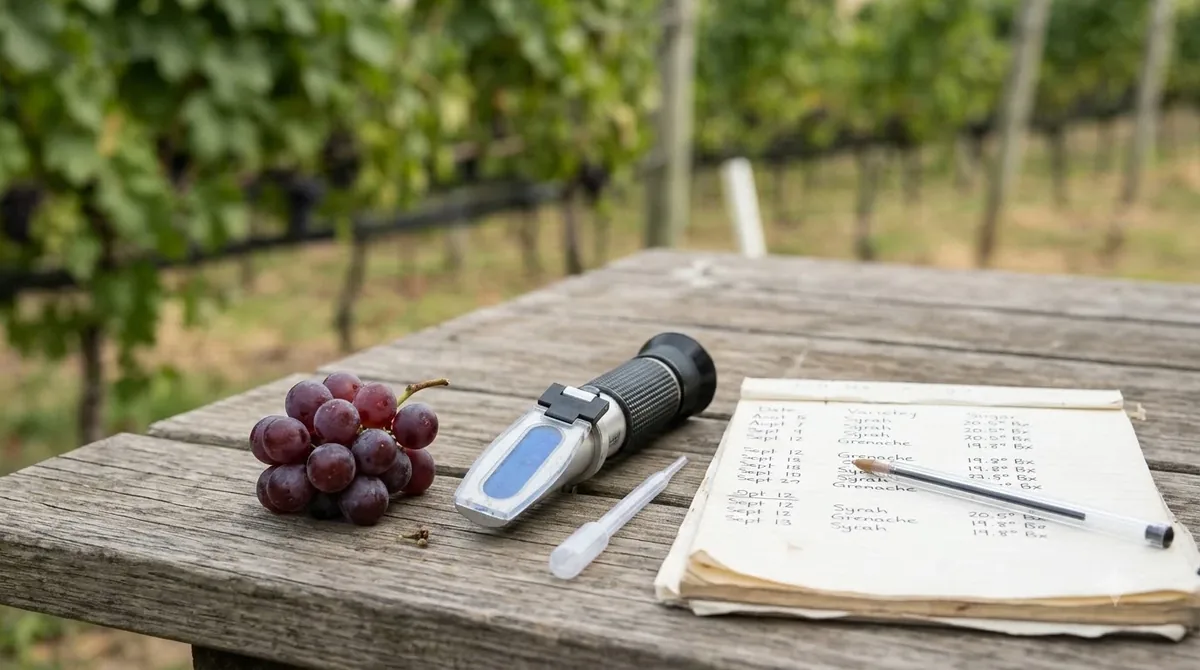
Orange wine is made from white grapes that remain in contact with their skins during fermentation or maceration. Unlike conventional white wine production, where juice is generally separated from the skins early, this approach extracts additional color, tannin, aroma, and texture. The resulting wines can range from lightly amber and aromatic to deeply colored, structured, and suitable for extended aging.
Oslavia, near the Slovenian border, is one of the most recognizable areas for this style. Ribolla Gialla is particularly important because its relatively thick skins make it suitable for extended maceration. Producers in this area have helped establish a distinctive approach to white wine that challenges expectations about freshness, color, and texture.
Three producers frequently associated with Oslavia’s orange-wine tradition are Radikon, Gravner, and Dario Princic. Their names are useful starting points for anyone interested in traditional skin-contact wines. Their individual approaches differ, so it is better to compare their bottles than assume that every orange wine from the area will taste alike.
Elsewhere, Collio and Colli Orientali have producers working with more conventional white wine styles as well as blends and wines with extended maturation. Some focus on varietal clarity, while others emphasize vineyard character, texture, and the interaction between different grapes.
Understanding traditional and modern production
Not every Friulian winery follows the same philosophy. Stainless-steel fermentation can preserve fresh fruit and acidity, while larger wooden vessels or smaller oak barrels can introduce additional texture and complexity. Lees aging, in which wine remains in contact with spent yeast cells, can contribute a fuller palate and savory character.
Skin-contact wines require a different approach to tasting. They may have noticeable tannin, savory flavors, dried fruit, tea-like notes, and a longer finish. Someone accustomed to light Pinot Grigio should not expect a heavily macerated Ribolla Gialla to taste similar simply because both are made from white grapes.
Visitors should ask wineries about grape varieties, fermentation vessels, skin-contact duration, and aging methods. These questions often explain more about a bottle’s character than broad labels such as natural, traditional, or modern. A useful tasting compares a fresh stainless-steel Ribolla Gialla with a skin-contact version from the same general area.
For further information about the native varieties and their regional characteristics, consult the Colli Orientali consortium’s wine and grape-variety descriptions, which also explain the area’s vineyard territory and traditional production practices.
Planning a Winery Visit in Collio and Colli Orientali
Collio and Colli Orientali make excellent starting points for a wine-focused trip because they combine important producers, attractive vineyard landscapes, and historic towns. A practical itinerary can begin around Cormons or Gorizia and continue toward Cividale and Prepotto.
Cormons is a useful base for exploring Collio. The surrounding countryside contains vineyards, small communities, and wineries specializing in Friulano, Ribolla Gialla, and international white varieties. Gorizia provides another convenient starting point, particularly for visitors interested in the region’s cultural connections with neighboring Slovenia.
Travelers interested in native red varieties should consider continuing east toward Prepotto and the Colli Orientali hills. This area is especially associated with Schioppettino, while nearby municipalities such as Manzano, Buttrio, and Corno di Rosazzo contribute to the broader appellation’s wine identity.
The Colli Orientali consortium identifies more than 2,000 hectares of vineyards within its DOC territory and lists numerous native varieties among its permitted grapes. This concentration makes the area particularly attractive for visitors who want to compare several different local styles without traveling across the entire region.
Allow time for Oslavia and Carso
Oslavia deserves separate attention for visitors interested in orange wines. Its proximity to Gorizia makes it a practical addition to a Collio itinerary. However, appointments are important because smaller cellars may not operate like conventional walk-in tasting rooms.
Carso offers a different landscape. Its rocky limestone plateau, strong bora winds, and proximity to Trieste create a distinctive environment for viticulture. Vitovska and Malvasia are useful grapes to explore here, while Terrano provides an opportunity to discover a traditional local red.
Udine is another practical base for visitors who want to explore Colli Orientali and surrounding communities. It provides access to the eastern hills while offering restaurants and accommodation outside the vineyard areas. Cividale del Friuli is also worth including for its historical character and proximity to local wine-growing communities.
Tip: Reserve winery appointments before traveling, especially at small family-run estates and orange-wine producers in Oslavia. Plan two or three visits in one area rather than trying to cover Collio, Colli Orientali, and Carso in a single afternoon. This allows time for conversations with producers and a proper comparison of their wines.
When arranging visits, ask whether the tasting includes native grapes, vineyard walks, or cellar tours. Some producers concentrate on a short selection of wines, while others offer more extensive comparisons of grape varieties and vintages. English-language availability and appointment requirements can vary, so confirming arrangements in advance is helpful.
Visitors exploring other Italian wine destinations can also compare their experiences with Puglia wineries, where warmer Mediterranean conditions support a different collection of native grapes and red wine styles. For a northern European comparison, Wachau wineries provide another perspective on hillside vineyards and distinctive white wines.
Food Pairings and Serving Friulian Wines
Friuli’s wines are particularly rewarding with food because their acidity, texture, and aromatic variety work well with the region’s cuisine. Friulano, Ribolla Gialla, and Malvasia Istriana are natural choices for seafood, vegetables, cured meats, and local cheese.
Friulano is traditionally associated with San Daniele ham, one of the region’s best-known food specialties. Its rounded palate and almond finish complement the saltiness of cured pork. It also works with asparagus, eggs, herb omelets, and vegetable risotto. These pairings demonstrate why Friulano is more than an aperitif wine.
Ribolla Gialla is especially useful with fried seafood, shellfish, oysters, and dishes featuring lemon or other acidic ingredients. Its naturally high acidity provides freshness alongside fried preparations and helps balance rich sauces. Malvasia Istriana is a good choice with aromatic herbs, grilled fish, and seafood soups.
Orange wines need more substantial food than many conventional whites. Their added tannin and texture make them suitable for mushrooms, roasted vegetables, aged cheeses, pork, and savory dishes with herbs and spices. A heavily structured skin-contact Ribolla Gialla can work with dishes that would overwhelm a delicate white wine.
For red wines, Refosco pairs well with roasted pork, grilled sausages, and braised meat. Schioppettino’s peppery character complements grilled meats, mushrooms, and dishes containing black pepper. Pignolo is better suited to richer preparations and aged cheeses because of its firmer tannic structure.
Serving temperatures and practical tasting portions
Temperature can change how a wine expresses its aromas, acidity, and texture. Light, aromatic whites generally benefit from a cooler serving temperature, while fuller wines and skin-contact bottlings can be served slightly warmer.
| Wine style | Suggested serving temperature | Useful pairing |
|---|---|---|
| Fresh Friulano | 45–50°F | San Daniele ham and asparagus |
| Ribolla Gialla | 45–50°F | Shellfish and fried seafood |
| Malvasia Istriana | 45–50°F | Grilled fish and herbs |
| Fuller Chardonnay | 50–55°F | Roasted poultry and creamy dishes |
| Skin-contact Ribolla Gialla | 50–55°F | Mushrooms and aged cheese |
| Refosco | 55–60°F | Roasted pork and sausages |
| Schioppettino | 55–60°F | Grilled meat and mushrooms |
| Pignolo | 60–65°F | Braised beef and aged cheese |
A standard wine pour is approximately 5 ounces, and a 750-milliliter bottle provides about five glasses. During a tasting, smaller pours make it easier to compare several wines without losing track of their differences. For a structured tasting, begin with fresh whites, continue to fuller whites and skin-contact wines, and finish with reds and sweet wines.
Opened still wines generally keep for three to five days in the refrigerator, although their aromas and freshness gradually change. Store unopened bottles on their sides in a cool, dark place near 55°F when they have traditional cork closures. Avoid leaving wine in a warm car or in direct sunlight, particularly during a summer visit to Friuli.
Frequently Asked Questions
Which Friuli winery is best known for traditional orange wine?
Gravner is one of the most internationally recognized names associated with traditional skin-contact wines from Oslavia. The estate is particularly connected with Ribolla Gialla and extended maceration. Radikon and Dario Princic are two other important producers to investigate when comparing the area’s orange-wine traditions.
What does the name Friuli Venezia Giulia mean for wine labeling?
Friuli Venezia Giulia is the full name of the administrative region, while Friuli is commonly used as shorthand in wine discussions. Venezia Giulia refers to the eastern historical and geographical area rather than the city of Venice. Labels may therefore identify the broader regional designation or a more specific appellation such as Collio DOC.
Is Friulano the same grape as Sauvignon Blanc?
No. Friulano is a separate grape variety, although it has historically been known by names including Sauvignonasse and Sauvignon Vert in other wine-growing contexts. It is not Sauvignon Blanc, despite similarities in some of the names used for the varieties. Friulano typically has a softer aromatic profile and a characteristic almond finish.
Can visitors explore wineries near the Slovenian border?
Yes. Oslavia and parts of Collio are particularly interesting for visitors exploring vineyards near Slovenia. The area’s cultural history includes strong Italian and Slovenian influences, which can be reflected in local food traditions, family histories, and wine styles. Visitors can also explore neighboring wine-growing areas across the border in Slovenia’s Brda region.
Which sweet wine should beginners try from Friuli?
Ramandolo DOCG is an excellent starting point because it offers a recognizable regional expression based on Verduzzo Friulano. Colli Orientali del Friuli Picolit DOCG is another notable specialty, made from the Picolit grape. Both are useful introductions to Friuli’s traditional sweet-wine heritage, which is less internationally familiar than its dry whites.
Friuli Venezia Giulia rewards wine drinkers who are curious about native grapes, distinctive vineyard environments, and different approaches to white wine production. Start with Friulano and Ribolla Gialla, explore the reds of Colli Orientali, and include Oslavia if orange wines interest you. Whether visiting family-run cellars or selecting bottles to enjoy at home, Friuli offers a varied and memorable expression of northeastern Italian wine culture.
More in Wine Regions
 Willcox Wine Trail: Discover Arizona’s High-Elevation Wine CountryUpdated Nov 20, 2026
 Yakima Valley Wine Region: Find the Best Styles to TryUpdated Nov 20, 2026
 Vosne Romanee Wine Tasting: Identify Aromas and Choose Better PairingsUpdated Nov 20, 2026
 Yakima Valley Wine Festival: Find the Best Seasonal Wine EventsUpdated Nov 20, 2026
 Wales Vineyards: Discover Cool-Climate Wines and Where to VisitUpdated Nov 20, 2026
 Yountville Wine Festival: Discover Napa Wines and Local FoodUpdated Nov 20, 2026