

We may earn a commission when you buy through links on this page, at no extra cost to you. Learn more.
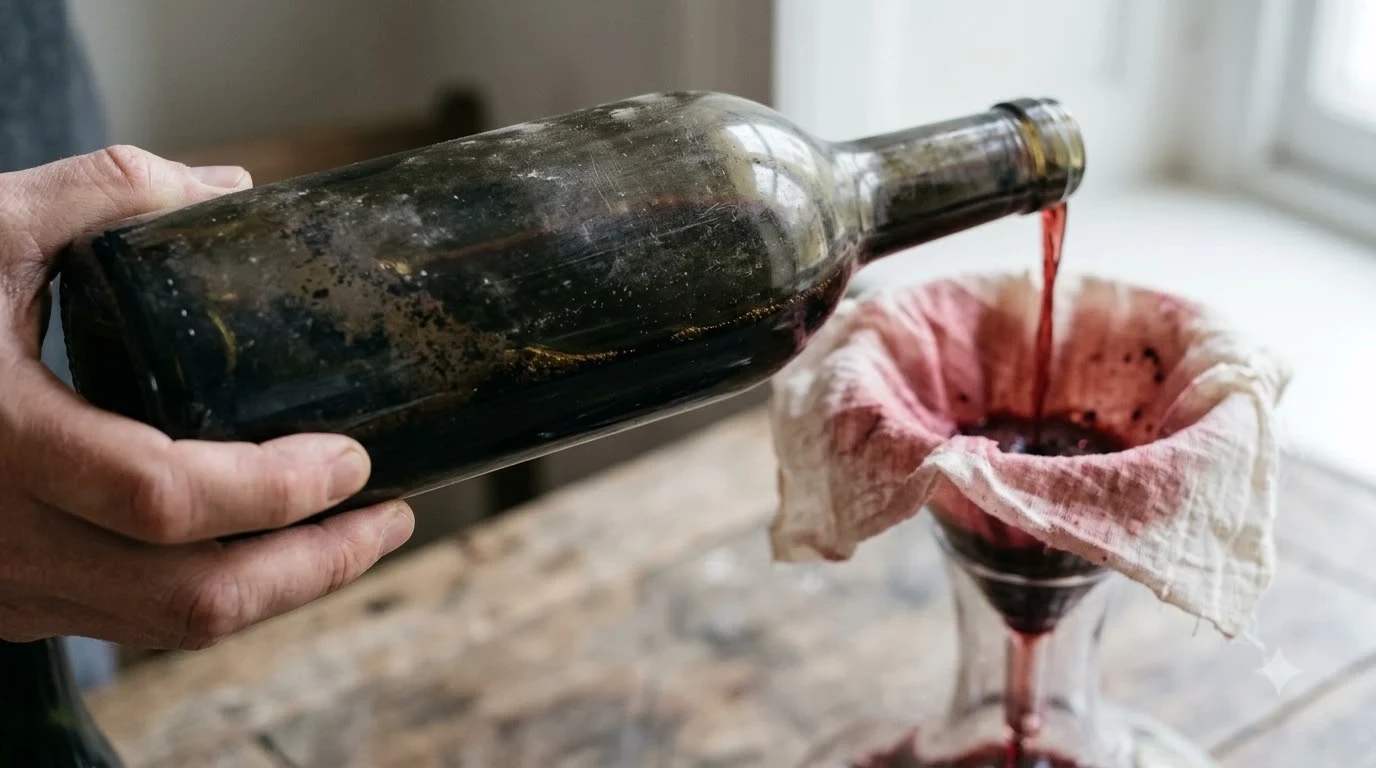
Refosco wine comes from a family of old, dark-skinned Italian grapes, and it is known for medium-high acidity, firm tannin, and dried herb, cherry, and smoke flavors. The grape grows mainly in northern Italy, especially Friuli Venezia Giulia, and it also shows up across the border in Slovenia and Istria. Refosco is a food wine at heart. It suits cured meats, game, roasted dishes, and spiced foods, and it rewards a little patience in the cellar.
Refosco is one of those names that many American wine drinkers have never seen on a shelf, yet it has a long history in northeastern Italy. This guide explains where the grape comes from, how the wine tastes, how to serve it, and what to eat with it.
Where refosco comes from
Refosco is not a single grape. The Wikipedia entry on Refosco describes it as a very old family of dark-skinned grape varieties, considered native to the Venetian zone and neighboring areas. The family includes several named types, such as Refosco dal peduncolo rosso, which is the red-stalked version most often associated with Friuli, and Refosco d’Istria, which is grown on the Istrian peninsula and is also called Teran in Slovenia and Croatia.
The grape’s early history is hard to pin down. DNA analysis links Refosco dal Peduncolo Rosso to Marzemino, another ancient northern Italian variety, and some scholars have suggested that Refosco wines may be the wine praised by Pliny the Elder. Those claims are interesting, but the practical point is simpler: refosco has been part of the local table for centuries, which is why it still feels rooted in its region.
How refosco tastes
Refosco is a dark, structured red. The Wine Folly grape guide lists it as medium in tannin, medium-high in acidity, and medium-full in body. Its typical flavors include dried herbs, dried cherry, espresso, anise, and smoke. The wine often has a deep violet color, and the Wikipedia entry notes strong currant, wild berry, and plum flavors in the more powerful styles.
Acidity is what keeps refosco lively. A wine with this much tannin and body could feel heavy, but the bright acid lifts the fruit and makes each sip feel fresh. That balance is one reason the wine pairs so well with fatty and savory foods.
| Trait | Refosco profile | What it means at the table |
|---|---|---|
| Tannin | Medium | Enough grip for cured meats and roasts |
| Acidity | Medium-high | Keeps the wine fresh with fatty food |
| Body | Medium-full | Stands up to game and spiced dishes |
| Flavors | Dried herbs, dried cherry, smoke, anise | Matches herb-heavy and smoked foods |
Tip: Look for the words “Refosco dal Peduncolo Rosso” or “Refosco di Faedis” on Friulian labels. Those names tell you the grape variety, which helps when you compare bottles from the same region.
Where refosco grows
Most refosco is grown in Friuli Venezia Giulia, in the northeast corner of Italy near the Slovenian border. Wikipedia also lists the grape in Gavi, Trentino, Istria, and the Karst Plateau, which shows how far the family has spread across the old Venetian sphere. In Slovenia and Croatia, the Teran name is used for wines from the same family.
Like many grapes, refosco reflects where it is grown, and the wines are generally described as firm and structured rather than soft and jammy. That structure is why food matching matters so much with this wine.
How to serve refosco
Serve refosco at a cool room temperature. The Wine Folly guide gives a range of 60 to 68 degrees Fahrenheit, or about 15 to 20 degrees Celsius, and Wikipedia notes that a slightly warmer serving temperature suits especially tannic styles. Chilling it too far can mute the herb and cherry notes and make the tannin feel sharper.
Open the bottle a little ahead of the meal, or decant a young wine so the aromas can open. A large glass helps you smell the herbs and smoke, which are often the most distinctive part of the wine. A short breathing time is usually enough to soften the texture.
Food pairings for refosco
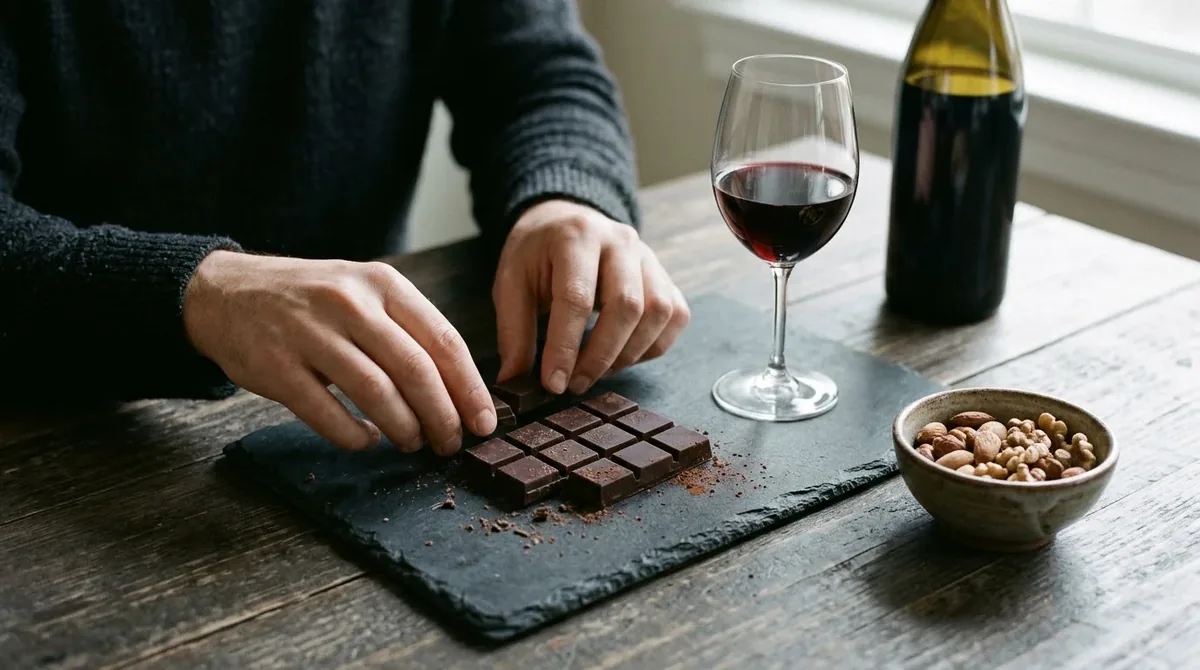
Refosco is built for food. Wine Folly lists cured meats, game, roasted dishes, and spiced foods as natural matches. Charcuterie such as salami, prosciutto, and dry-cured sausage works well because the wine’s acidity cuts through the fat. Game birds and roasted pork also match the wine’s dark fruit and herbs.
Wikipedia adds charcuterie, game, and grilled poultry to the list. The grilled dishes are a good test case, because the wine’s smoky notes echo the char. Tomato-based sauces and herb-heavy stews can also suit refosco, especially when the sauce has some acidity of its own.
Aging and cellaring refosco
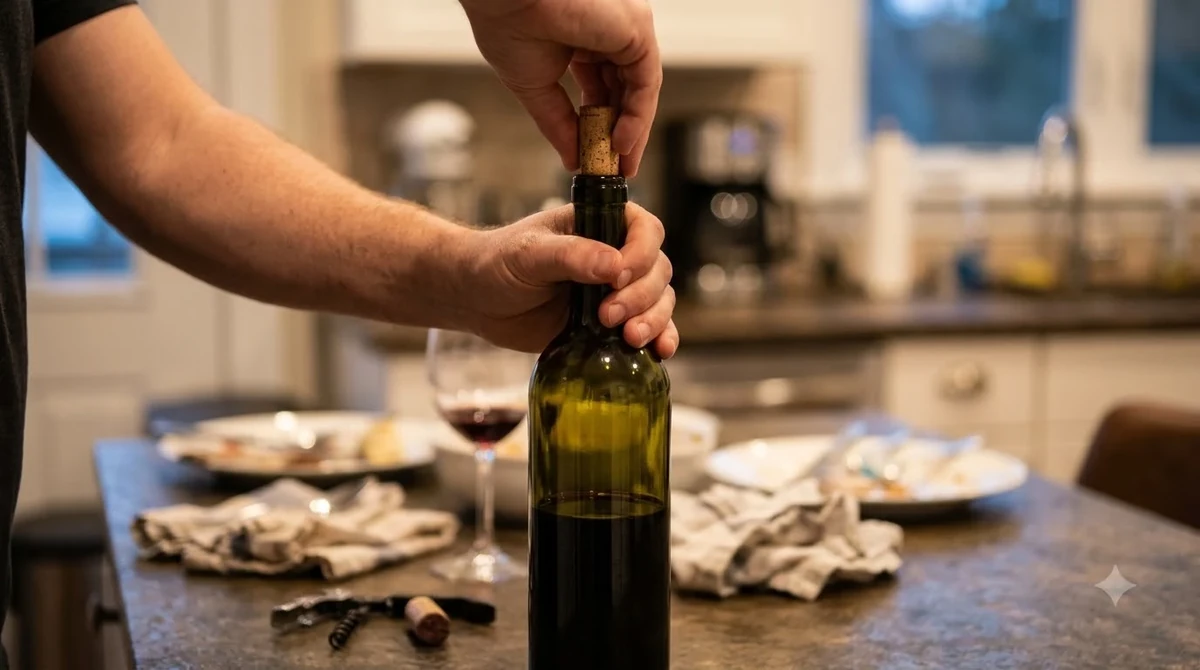
When you buy a bottle to age, keep it in a cool, dark spot away from heat and light. Stable storage matters more than any single technique, because temperature swings can speed up aging in ways that dull the fruit. Check the producer’s notes before you commit a bottle to the cellar.
Some refosco wines are made to age. The Wikipedia entry says that certain varieties age well, and after four to ten years they develop a floral quality. Young refosco can be bold and tannic, so a bottle opened too early may taste rough. Holding a good bottle for a few years can soften the edges and bring out more complex flavors.
Not every refosco needs long aging. Many bottles are meant to be enjoyed fairly young, with the fruit and herb notes at their freshest. If you are unsure, look for producer notes on whether the wine is designed for early drinking or the cellar.
How refosco compares with other reds
Refosco sits between lighter Italian reds and the fuller styles of the Rhône or Bordeaux. Its flavors lean toward dried herbs and smoke more than the bright, sour cherry common in many Italian reds. If you enjoy bold reds with a savory side, refosco is a good step up from everyday table wine.
For another example of a dark, structured red with a regional identity, see our guide to bobal wine, a Spanish grape with its own character. For a wider view of styles and how they differ, the wine by type section sorts the main varieties by body, tannin, and flavor.
How to buy refosco
Refosco is less common than the big names on most American shelves, so it helps to shop with a plan. Ask the shop staff whether they carry wines from Friuli or Istria, since those regions are the most likely to list the grape by name. Specialty Italian importers and wine shops with regional sections are good places to look.
When reading a label, note the producer, the vintage, and the grape name. A bottle that names the variety clearly gives you a better idea of what to expect than a generic red blend. If the back label mentions dried herbs, cherry, or smoke, that matches the typical profile described by the sources above.
Frequently Asked Questions
What does refosco wine taste like?
Refosco usually tastes of dried herbs, dried cherry, plum, and smoke. It has medium tannin, medium-high acidity, and medium-full body, which makes it food-friendly and lively.
Where is refosco grown?
The grape is best known in Friuli Venezia Giulia in northeastern Italy. Related varieties are grown in Slovenia and Istria, where the name Teran is often used.
What food goes with refosco?
Cured meats, game, roasted pork, grilled poultry, and spiced dishes are all good matches. The wine’s acidity helps it cut through fatty foods.
Should refosco be chilled?
No, serve it at a cool room temperature around 60 to 68 degrees Fahrenheit. Chilling too much can dull the herb and cherry notes and make the tannin feel sharper.
Refosco is a regional Italian red that rewards curiosity. Start with a bottle from Friuli, serve it cool, and pair it with cured meats or a roast. Its herbs, smoke, and bright acidity make it a useful addition to any table that already enjoys food-focused wine.
More in Wine Types & Grapes
 Zinfandel Sugar Content: Dry Red vs. White Zinfandel GramsUpdated Nov 21, 2026
 Best Zinfandel Substitute Options for Sipping and CookingUpdated Nov 21, 2026
 Zweigelt Food Pairing: Best Dishes, Cheeses, and Serving TipsUpdated Nov 21, 2026
 Zinfandel Tannins Explained: How Structure Shapes Every BottleUpdated Nov 21, 2026
 Zinfandel Sweetness Level: Dry Red vs. Sweet White Zin ExplainedUpdated Nov 21, 2026
 Xinomavro Food Pairing: Best Dishes, Styles, and Serving TipsUpdated Nov 21, 2026