

We may earn a commission when you buy through links on this page, at no extra cost to you. Learn more.
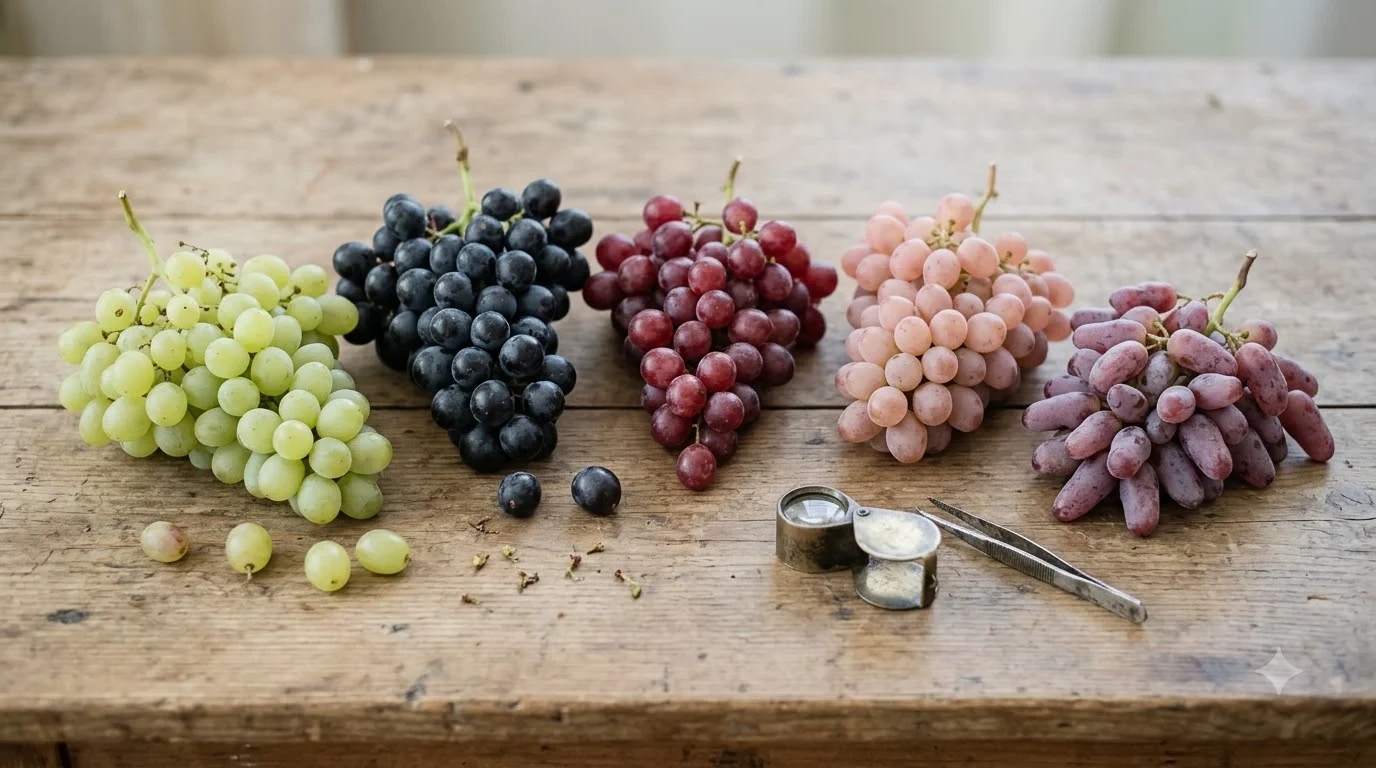
The refosco grape is a family of dark-skinned Italian reds, and its best-known member, Refosco dal Peduncolo Rosso, makes firm, tannic, high-acid wines in northeast Italy’s Friuli-Venezia Giulia region. The name refers to the red stems on the grape clusters, which set it apart from its relatives. Wines from the grape usually show deep ruby-violet color, cherry and raspberry fruit, and a grip that suits grilled meat, game, and aged cheese. For the best balance, serve it at 16 to 18 °C, which is about 61 to 64 °F.
If your red wine experience centers on Chianti or Barolo, the refosco grape may be new to you. It is a specialist variety with a long local history and a clear personality, and it rewards anyone who enjoys wines that go well with food. Many drinkers expect a soft, fruit-forward red and find a wine with real backbone instead. This guide covers where the grape grows, how the family is organized, what the wine tastes like, how growing conditions shape each vintage, which foods work best, and how to serve and store a bottle.
Where the Refosco Grape Grows in Italy
Refosco is grown almost entirely in northeast Italy, and Friuli-Venezia Giulia is its center. The most important appellation for the classic style is Friuli Colli Orientali DOC, which sits in the hills of Udine province.
According to Italian Wine Central’s grape profile, the Refosco family is planted almost exclusively in Friuli-Venezia Giulia, which holds 69 percent of its vineyard area, while Veneto holds 30 percent. The total area in Italy is 1,293 hectares, or about 3,194 acres. That makes Refosco a specialist grape rather than a mainstream one.
The hills of Colli Orientali are the heart of the grape’s reputation. Decanter describes the area as the natural extension of the Collio DOC, separated from it only by an administrative boundary, with Collio in the province of Gorizia and Colli Orientali in Udine. Both share hilly terrain, similar elevations, and the calcareous marl soil known locally as ponca. Within that landscape, red wine now makes up about a quarter of the DOC’s production, according to the Consorzio Tutela Vini Friuli Colli Orientali, the local trade body.
The landscape also shapes the wine’s character. Growers in these hills treat site selection as the first decision in making Refosco, because a late-ripening vine needs sun and warmth before any question of winemaking can matter. Vineyards on slopes and in favored exposures give the grape its best chance to finish ripening, which is why the sections below keep returning to ripeness as the central issue.
The Refosco Family and Its Main Members
Refosco is a family name rather than one variety, and its exact lineage is uncertain. Historical references go back to the eighteenth century, so the name has a long regional history.
The most widely planted form is Refosco dal Peduncolo Rosso, named for its unusually red stems. It is the member you are most likely to meet on a label, and Decanter describes it as the most widely planted iteration of the family. Refosco Nostrano is the member most often confused with it, even though the two are not closely related in style. Decanter explains that Nostrano shares only a name with the Peduncolo Rosso, and that its wines have less rugged tannins and greater finesse.
The Colli Orientali DOC reflects this difference. Decanter notes that the DOC includes a sub-denomination, Refosco di Faedis, dedicated to Nostrano wines from the village of Faedis. Italian Wine Central describes Nostrano as more acidic, with less but smoother tannins, and gives aromas of flowers, red licorice, and spices such as cardamom and cinnamon. The same profile lists Malvoise among the alternative names for the family, and it links Refosco Grosso and Refoscone to the Nostrano type.
Relatives of the family appear across the northeast under other names. Cavac’s reference entry on the family says Teran or Terrano is typical of the Carso DOC and the Slovenian Karst, where it is labeled Terrano Carso or Kraški teran. For a broader view of how red styles fit together, the Wine by Type guide is a useful companion.
On a label, the variety name is the most useful clue. A bottle labeled Refosco dal Peduncolo Rosso is the widely planted form, with firm tannins and dark fruit. A bottle labeled Refosco di Faedis points to the more acidic, smoother branch of the family, and it will taste noticeably different on the palate.
Flavor, Tannin, and Acidity in the Glass
Refosco is known for structure before charm. Expect firm tannins, high natural acidity, and dark fruit with herbal and floral lift, and expect the wine to feel grippy in its early years.
Italian Wine Central describes Peduncolo Rosso as having rough tannins, with aromas of dried red cherry, herbs, almond, and flowers such as lavender, geranium, and violet. Decanter’s recent report on Colli Orientali’s native reds adds that a well-ripened example shows a bright, deep ruby-violet color, vibrant cherry and raspberry fruit, and a vigorous mid-weight palate. That mix of firm texture and bright fruit is what makes the wine a good match for food. For a different red with its own style, the dornfelder grape offers a useful point of comparison.
Placing Refosco among other reds helps set expectations. Cabernet Sauvignon is also high in tannin, while Merlot is medium and softer. Pinot Noir sits at low to medium tannin with high acidity. Refosco lands at the firm end of that range, closer to Cabernet in grip than to Merlot, and its acidity keeps the tannin from feeling heavy at the table.
The figures below summarize the grape’s profile. The vineyard area comes from Italian Wine Central, the red-wine share from the Consorzio Tutela Vini Friuli Colli Orientali, and the serving temperature from the Aquila del Torre winery.
| Measure | Typical figure |
|---|---|
| Vineyard area in Italy | 1,293 hectares (about 3,194 acres) |
| Red wine share of Colli Orientali DOC output | About one quarter |
| Serving temperature | 16 to 18 °C (61 to 64 °F) |
| Alcohol by volume | About 12.5 to 14 percent in most listings |
| Pour and bottle yield | About 5 oz per glass, about 5 glasses per 750 ml |
Oak, Reduction, and Winemaking Choices
Winemaking matters as much as the vineyard for this grape. Decanter cautions that Refosco can suffer reduction, a sulfur-like aroma, if it is aged only in stainless steel. Judicious barrel ageing is highly recommended, and it can add complexity and texture to the finished wine.
A Friulian winery’s article on the grape makes the same point from another angle. Fermentation in stainless steel keeps the fruity and floral notes fresh, while careful barrel ageing adds depth. Producers often choose between these approaches, and that choice shapes how the wine tastes on release and how it develops in the cellar.
How Growing Conditions Shape Each Vintage
Refosco ripens late, so the weather in each vintage has a large effect on the finished wine.
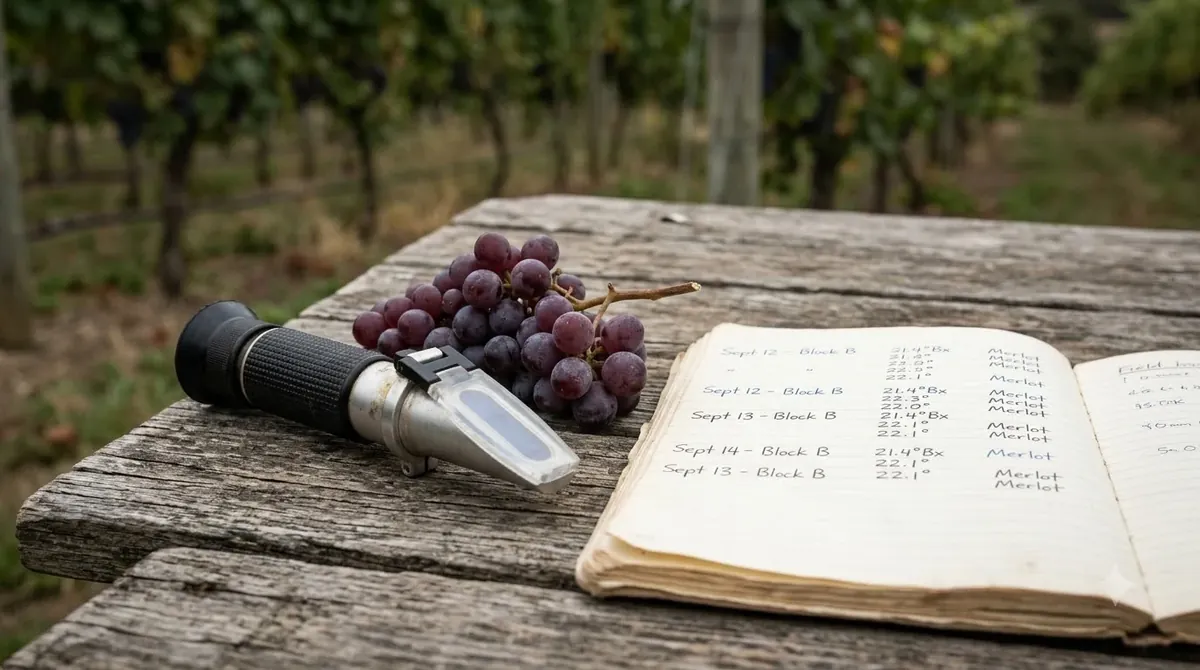
The Peduncolo Rosso is a vigorous, thick-skinned variety that needs abundant sunshine to ripen fully, according to Vinetur’s report on Colli Orientali. In cooler or less favorable years, the wine can show sharp acidity and firm tannins. A string of warm vintages has improved conditions for growers, which is why the current crop of bottles often shows fuller ripeness. Decanter describes the same pattern, noting that under-ripe versions can taste dominated by acidity and harsh tannins, while ripe fruit shows the grape at its best.
Vineyard management is just as important. Vinorandum notes that the grape is drought resistant but susceptible to fungal diseases in humid conditions, which makes canopy management essential. The same source adds that old vines on poor soils tend to yield the most balanced and characterful wines. Those details explain why producers invest so much effort in site selection and vine age.
The vintage also changes how the wine behaves at the table. A firmer, more acidic bottle from a cool year calls for richer food, such as braised game or aged cheese, to soften its grip. A riper bottle from a warm year shows more fruit and rounder tannins, so it can handle a wider range of dishes. In practice, the style of a bottle depends on the year as much as on the producer.
Food Pairings That Suit Refosco’s Structure
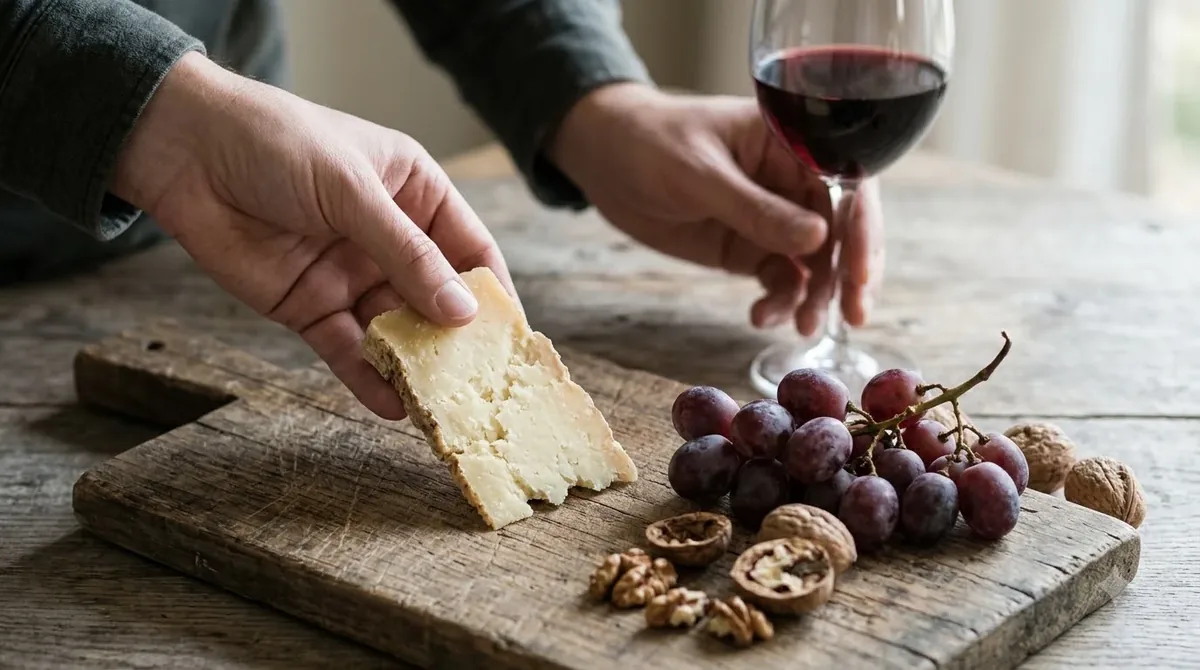
Refosco is at its best with grilled red meat, game, and aged cheese, which give its tannins something to work against.
The underlying logic is simple. Acidic food needs wine with equal or higher acidity, and salt and fat soften tannin, so fatty or salty dishes make the wine feel rounder. Friuli’s own dishes show the same pattern. A Ronchi di Cialla bottling is recommended with grilled red meats, game braises, and aged hard cheeses, and the same description suggests frico friulano made with potatoes and Montasio cheese. It also pairs with roast lamb and with radicchio and sausage risotto, where the wine’s acidity and grip cut through the richness.
Other producers point in the same direction. Aquila del Torre suggests moderately firm-textured meats, game, and roasts, and its riserva notes also list pasta or rice with mushrooms. Be careful with very spicy food, because chili heat is amplified by alcohol and tannin, and the wine will feel hotter and more bitter alongside it. Oily fish clashes with tannic reds, so salmon or mackerel is better matched with a lighter white. Reds with less tannin, such as the brachetto grape, call for a different approach at the table.
Tomato-based sauces are a useful test case. Their acidity means the wine needs equal or higher acidity to hold its own, and Refosco supplies it. A rich ragù with aged cheese grated over the top gives the tannins fat and salt to soften against, so the pairing works on both principles at once.
Serving, Decanting, and Buying Refosco
Serve refosco at 16 to 18 °C, decant young bottles for 30 to 60 minutes, and keep any opened wine in the fridge for only a few days.
The Aquila del Torre winery recommends 16 to 18 °C for serving, which sits within the standard window for full reds of about 60 to 65 °F. Pour about 5 oz per glass, which gives roughly five glasses from a 750 ml bottle. Young, full-bodied reds benefit from decanting, so give the bottle time to open before you judge it.
Tip: If a young bottle tastes tight and sharply acidic, decant it for 30 to 60 minutes before you decide about it. Air often softens the tannins enough to reveal the fruit underneath.
Store bottles on their side in a cool place near 55 °F, which keeps the cork in contact with the wine. Once opened, still wines usually keep three to five days in the fridge, and those simple habits protect the fresh fruit.
When you shop, the Friuli Colli Orientali DOC is the most direct route to the classic style. If you want the Nostrano-based style, look for Refosco di Faedis on the label. Venezia Giulia IGT bottlings are a broader category, so read the back label for the variety and region before you buy.
Glassware matters more than many people expect with a wine like this. A glass with a generous bowl gives the herbal and floral notes room to open and lets the wine warm gently toward the top of its serving range. Pour to the widest part of the glass and swirl before the first sip.
Frequently Asked Questions
These answers cover a few more details that round out the picture.
Can refosco be made in a sweeter style?
Yes, although most bottles are dry. Vinorandum notes that the grape is sometimes used in passito or late harvest styles, which produce richer wines with dark fruit and spice. Those bottles are a different experience from the dry red and are best approached as a separate category.
Is refosco grown outside Italy?
Only in small amounts. Vinorandum describes the grape as rare outside Italy, with trials reported in California and Australia. The same profile also mentions small plantings in Slovenia, where the family is known under local names.
Is there a lighter native red from the same hills?
Schioppettino is the usual answer. Decanter describes it as pale ruby with finer tannins than refosco, and it is grown mostly around Albana and Prepotto. Its dark berry fruit and peppery finish make it a useful contrast for anyone who finds Refosco too firm.
How long can refosco age in the cellar?
A wine retailer’s grape guide says Refosco dal Peduncolo Rosso can age gracefully for five to ten years or more, developing complexity along the way. Not every bottle will improve that much, so check the vintage and producer before you cellar one.
Does a Colli Orientali label always mean a single-variety wine?
No. The Cellartours wine travel blog reports that Colli Orientali DOC rules allow both single-varietal and blended styles. A bottle with the appellation name may therefore contain other grapes, so read the variety line to see what is in the glass.
The refosco grape rewards both the dinner table and the cellar, and it suits anyone who enjoys firm, savory reds. Start with a Friuli Colli Orientali bottle, serve it cool, and pair it with grilled meat or aged cheese to see its structure at its best.
More in Wine Types & Grapes
 Zinfandel Sugar Content: Dry Red vs. White Zinfandel GramsUpdated Nov 21, 2026
 Best Zinfandel Substitute Options for Sipping and CookingUpdated Nov 21, 2026
 Zweigelt Food Pairing: Best Dishes, Cheeses, and Serving TipsUpdated Nov 21, 2026
 Zinfandel Tannins Explained: How Structure Shapes Every BottleUpdated Nov 21, 2026
 Zinfandel Sweetness Level: Dry Red vs. Sweet White Zin ExplainedUpdated Nov 21, 2026
 Xinomavro Food Pairing: Best Dishes, Styles, and Serving TipsUpdated Nov 21, 2026